

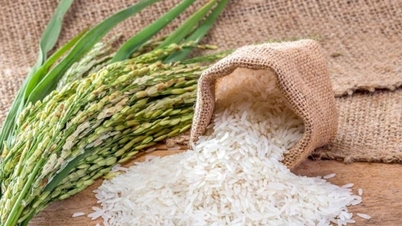
Not resting on its laurels after ST25 was honored three times as " World's Best Rice", the Vietnamese rice industry is quietly preparing for a new transformation. The upcoming strategy is not just about deliciousness, but also about rice varieties with medicinal properties, low glycemic index and traditional seasonal rice varieties that "follow nature" to conquer the global high-end segment.
Rice is not only delicious but also medicinal.
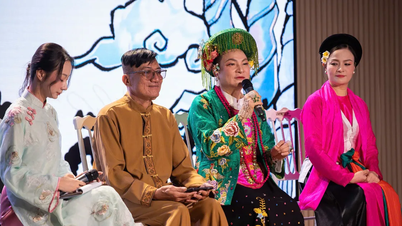
This message was emphasized at the seminar "Conservation and development of Vietnamese rice - Journey to prosperity" held on December 6 in Ho Chi Minh City.
In the context of many importing countries increasingly moving towards self-sufficiency, Vietnam - the world's second largest rice exporter - determined to find its own way through differentiation and superior quality.
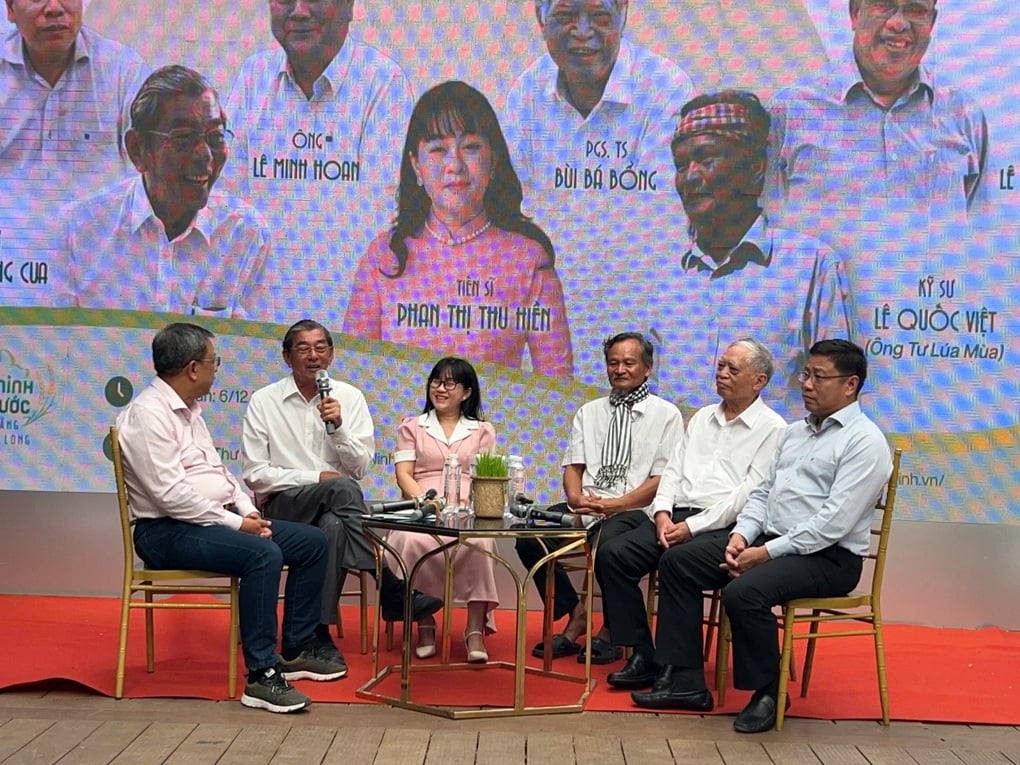
Scientists discuss at the seminar (Photo: Ha Duyen).
The focus of attention in the discussion was on Engineer, Labor Hero Ho Quang Cua - the man who put Vietnamese rice on the world culinary map with famous ST rice varieties, especially ST24 and ST25. Sharing about future plans, Mr. Cua revealed that his research team is completing and about to launch to the market about 5 new fragrant rice varieties.
The breakthrough of this group of varieties lies in its "medicinal properties". Specifically, the new rice varieties possess a low glycemic index (GI), in line with the booming trend of consuming health-protecting foods globally.
According to experts, developing a low glycemic index (GI) rice line is a strategic step to catch up with the trend of 'clean eating, healthy living'. Unlike regular white rice, this type of rice has a slow rate of sugar conversion into the blood, helping to maintain stable blood sugar levels after eating. This characteristic not only turns rice from a simple food into a powerful support food for people with diabetes, heart disease or dieters, but also helps to significantly increase economic value when penetrating high-end markets.
"These varieties are considered to have superior nutritional advantages over ST25. This is a different way for us to sell what the market needs - healthy products, not just what we have," Mr. Cua emphasized.
Looking back at the journey of ST25, Mr. Cua believes that success did not come by chance but came from a unique hybridization mindset. He said that many Thai scientists traveled to the ST25 growing area to learn the secret that helped this rice variety win international titles three times, surpassing their country's Hom Mali monument.
"The answer lies in the unique combination: the intense pineapple aroma of the Southern rice variety blends with the elegant new rice scent of the Northern Tam Xoan variety. It is this genetic resonance that has created a unique identity that no other rice grain in the world can copy," Mr. Cua proudly said.
Currently, ST25 has become a key rice variety with a planting area of over 200,000 hectares/year (ranked 5th in the country), present in the most demanding markets such as the US and Europe and helping international consumers "remember the name" of Vietnamese rice brands.
Preserving the "soul" of seasonal rice and the treasure of native genes
If Mr. Ho Quang Cua represents progress and integration, then farmer Le Quoc Viet (Tu Viet or Mr. Tu Lua Mua) in Chau Thanh commune, An Giang is the one who quietly preserves the "soul" of wet rice civilization. Mr. Tu Viet is making efforts to restore rare seasonal rice varieties, considered a priceless genetic resource with the ability to resist pests and adapt to natural climate change.
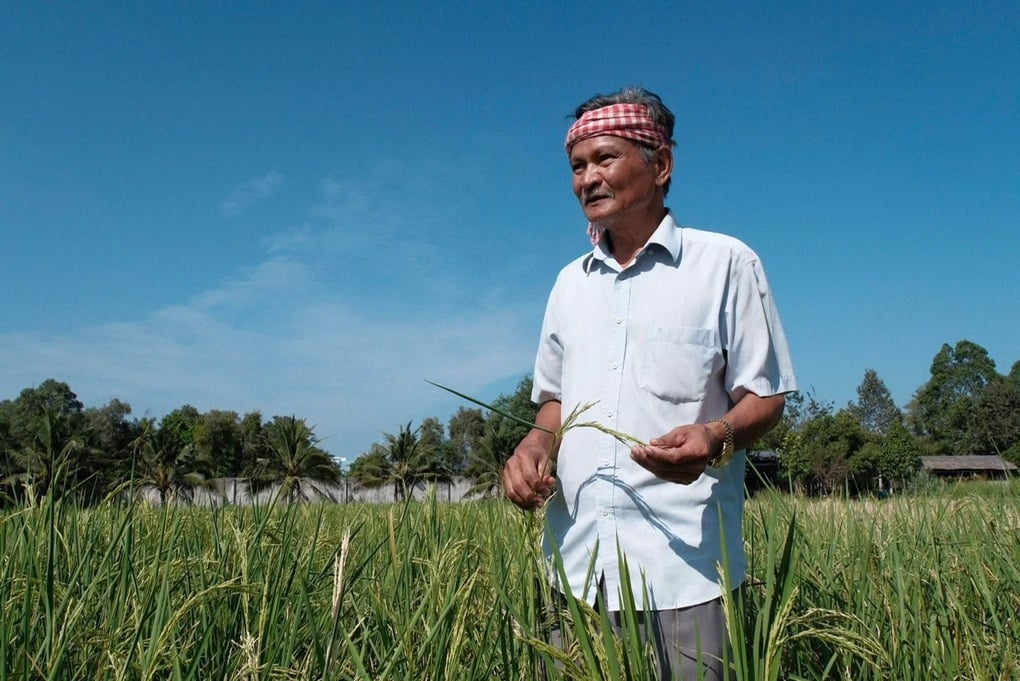
Mr. Tu harvests seasonal rice next to a rice field preserving native varieties (Photo: NVCC).
In cooperation with the Mekong Delta Development Research Institute (Can Tho University), Mr. Viet is implementing a project to rejuvenate 800 seasonal rice varieties. "On an area of 4 hectares, I have successfully restored more than 40 ancient rice varieties such as Ba Bui, Chim Roi, Mong Chim, Tau Huong, TV1... All are cultivated completely naturally, absolutely without using fertilizers or chemicals," Mr. Viet shared.
For him, this is not just about agriculture but also about culture. This conservation helps the younger generation understand the origins of rice, and at the same time provides important genetic material for future breeding work.
"Less but more" strategy
From a macro-research perspective, Dr. Tran Ngoc Thach, Director of the Mekong Delta Rice Institute, said that this unit is preserving a giant "gene bank" with 3,500 samples of local seasonal rice, 100 samples of wild rice and 1,500 imported samples. The ultimate goal is to select and create "super varieties" that are both high quality and resistant to salinity and drought - challenges that are increasingly severe in the rice granary of the Western region.
In fact, the structure of Vietnamese rice production is undergoing a strong qualitative shift. The high-quality rice segment now accounts for 60-70% of the cultivated area. Names such as OM18 (covering over 1 million hectares) or OM5451 are becoming the mainstay of exports.
"We are planning very clearly the segments: specialty fragrant rice, nutritious rice, Japonica rice and climate change adaptation group. This is the foundation for the industry to develop sustainably, reduce emissions and optimize value," Dr. Thach commented.
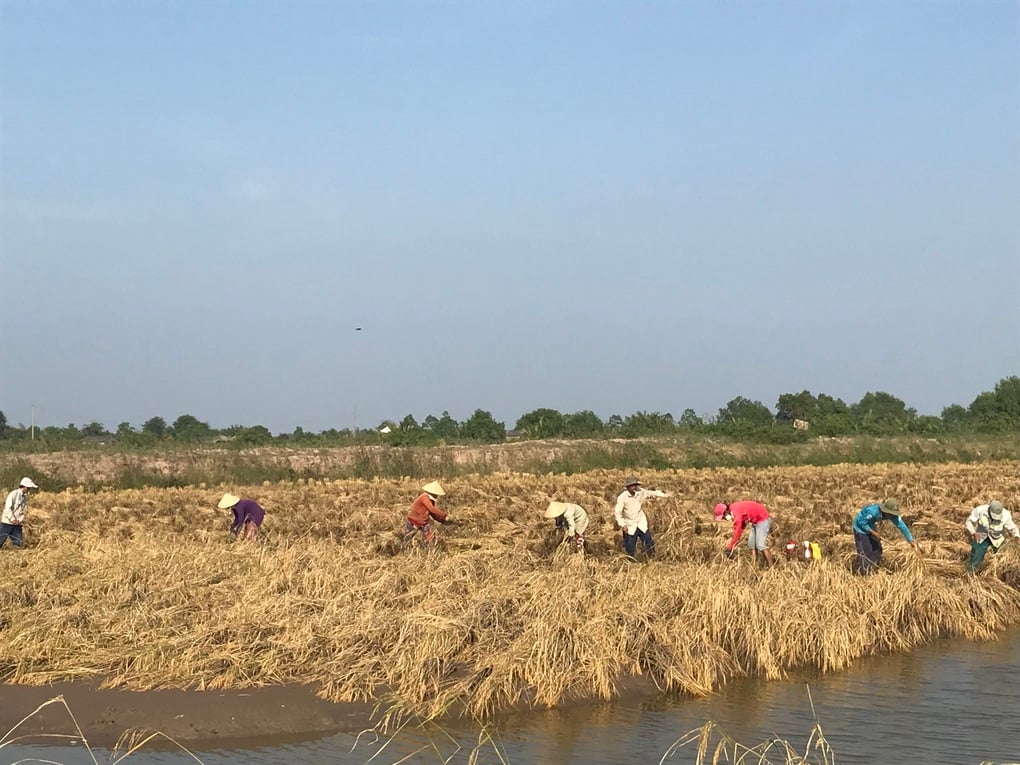
Ben Tre farmers harvest Nang Keo rice - a traditional local rice variety (Photo: Tran Manh).
The effectiveness of this strategy has been proven by telling numbers. Mr. Le Thanh Tung, General Secretary of the Vietnam Rice Industry Association, cited: Recently, 500 tons of rice from the model "1 million hectares of high-quality, low-emission rice" were exported to Japan at a price of up to 820 USD/ton - a price nearly double the average price.
"This confirms that when farmers follow a green, closed farming process, getting rich from rice is completely feasible. Vietnamese rice is now not only entering the kitchen of ordinary people but is also confidently entering the high-end segment, opening a new era of prosperity for the country's agriculture," Mr. Tung concluded.
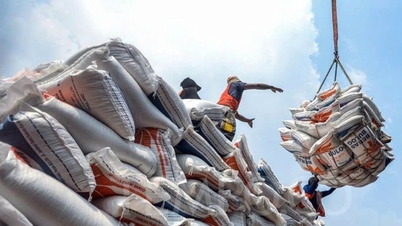
Regarding the market picture, updated data from the Ministry of Agriculture and Environment shows that in the past 11 months, Vietnam has exported about 7.5 million tons of rice, earning 3.83 billion USD. Although it recorded a significant decrease compared to last year's record level, with an average export price of 512 USD/ton, Vietnam still firmly maintained its position as the second largest rice exporter in the world.
In the context of a volatile market, the strong shift to the fragrant and high-quality rice segment is helping Vietnamese rice maintain its competitive advantage in key markets such as the Philippines and China, in line with the direction of reducing quantity and increasing quality that the agricultural sector is persistently pursuing."
At the 17th Global Rice Trade Conference, held in Phnom Penh, Cambodia last November, Vietnam's ST25 rice excelled over many strong competitors to be crowned "World's Best Rice" for the third time (the previous two times were in 2019 and 2023).
This historic hat-trick is an affirmation of the class and stable quality of Vietnamese rice in the international market.
Being continuously honored at the most prestigious arena on the planet not only enhances the national brand's position but also creates a solid psychological momentum for Vietnam to confidently move on to a new chapter: Conquering the high-value medicinal rice segment.
Source: https://dantri.com.vn/kinh-doanh/sau-gao-ngon-nhat-the-gioi-viet-nam-sap-ra-mat-gao-duoc-lieu-ngua-benh-tat-20251207085035604.htm

























































Comment (0)