

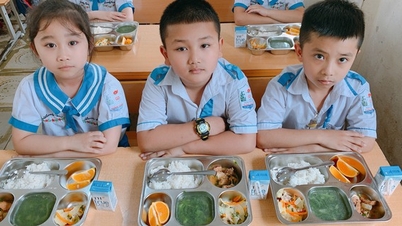
In recent years, the nutritional quality and food safety of school meals have improved significantly. However, the coverage of school meals remains quite limited compared to the needs. Worryingly, food poisoning incidents related to school meals have continued to occur frequently.
Parents' complaints about the nutritional quality of school meals are not uncommon. In reality, except for educational institutions implementing pilot school meal projects, most schools have not yet developed meal plans based on the energy and micronutrient needs of different age groups. Many schools also lack adequate facilities to meet food safety requirements. Furthermore, the management, inspection, and supervision of school meals remain inadequate and unsustainable.
In the quest for solutions to school meals, Japan can serve as a model, having enacted the School Meal Law in 1954. Many aspects are specifically codified, such as nutritional quality, food safety standards, and the assignment and delegation of responsibilities for managing and organizing school meals.
The Japanese government subsidizes the cost of facilities. Schools have nutritionists. Parents contribute to the cost of food ingredients. The law also stipulates the responsibility for checking, monitoring, and evaluating the nutritional status of students. When menus have nutritional problems, adjustments are made nationwide.
An interesting aspect is that students are directly involved in the process of preparing, serving, and clearing up meals at school. This natural educational approach helps students effectively acquire nutritional knowledge, develop good habits, and acquire life skills.
In South Korea, school meal programs are also legalized and implemented uniformly nationwide. The Korean Food Hygiene Act and School Meal Act stipulate that each school must have a nutrition teacher. This teacher will develop menus, calculate energy intake, control food safety and cooking procedures, and directly teach healthy eating habits. Since 2010, South Korea has implemented a "Comprehensive Free School Meal" policy, applicable to all students.
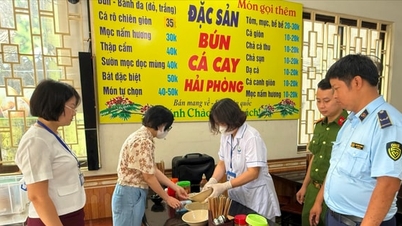
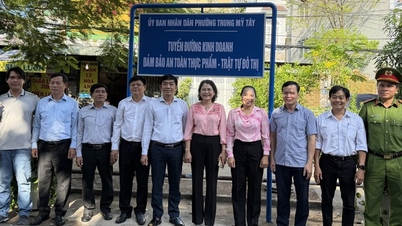
Returning to the topic of school meals in Vietnam, the responsibility for organizing school meals is quite clearly assigned and delegated: the school and the school administration bear primary legal responsibility; the local education and health departments coordinate inspection and supervision; and parents are encouraged to participate in inspection and supervision.
However, we have not yet established specific standards for nutritional quality and food safety. Menu planning is largely spontaneous, carried out by teachers as part-time staff or outsourced to catering companies, with no dedicated nutrition professionals in schools.
Investing in school meals is a direct and effective investment in the country's future workforce. Through each meal, students receive quality and safe nutrition, and are educated about healthy eating habits and the use of healthy foods. These factors will permeate their journey towards improving their health, morality, intellect, physical fitness, aesthetics, culture, and career prospects.
It's time we legalized school nutrition, forcing school kitchens and meal providers to comply. The government should have policies to support infrastructure costs; schools should have dedicated nutrition specialists, as well as regulations and assigned responsibilities for checking, monitoring, and evaluating students' nutritional status…
These policies must be implemented promptly on a national scale, with coordination between the health and education sectors, from the central to local levels, from People's Committees at all levels to each school.
Source: https://www.sggp.org.vn/som-luat-hoa-dinh-duong-hoc-duong-post851205.html
































































































Comment (0)