

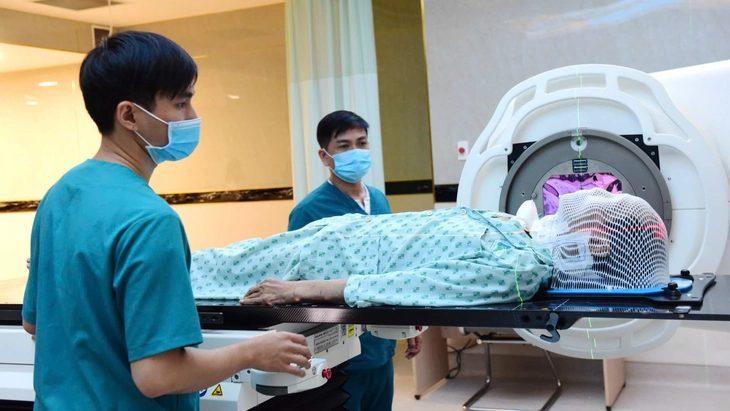
Patients are treated with modern machines at Ho Chi Minh City Oncology Hospital - Photo: DUYEN PHAN
Recently, a National Assembly delegate proposed that a policy of free hospitalisation for cancer and dialysis patients should be implemented now, instead of waiting until 2030. This is considered a strategic move, demonstrating concern for the most vulnerable patient groups. Tuoi Tre recorded some additional opinions on this proposal.
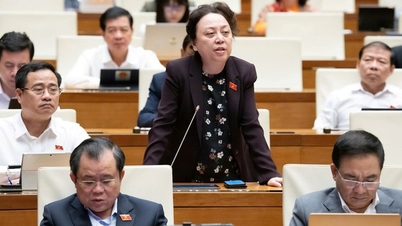
- Delegate NGUYEN THI VIET NGA (member of the Committee on Culture and Society):
Research carefully but do not delay until 2030

I completely agree with the goal of free hospitalisation for all by 2030, but I suggest that it be implemented earlier for people with difficult-to-treat cancers, chronic diseases and especially patients on dialysis because serious chronic diseases and cancer are not only a continuous battle, but also a journey of economic exhaustion. The cost of treatment drugs, regular tests, hospitalisation, travel and care, for many families, is a burden beyond their ability to pay.
Some opinions are concerned that early exemption of hospital fees may put pressure on the Health Insurance Fund (HIF), but we need to look at the problem from a holistic perspective. The number of patients with cancer or chronic diseases in severe stages, although
not small, but this is a clearly defined group, managed by verified medical records, not a group prone to fraud. Therefore, it is necessary to develop a shortened roadmap, possibly from 2026 or 2027, and at the same time calculate a supplementary financial mechanism for the Health Insurance Fund in the initial stage to ensure sustainability.
- Doctor LE TUAN ANH (Director of Oncology Center, Cho Ray Hospital, Ho Chi Minh City):
Focus on screening
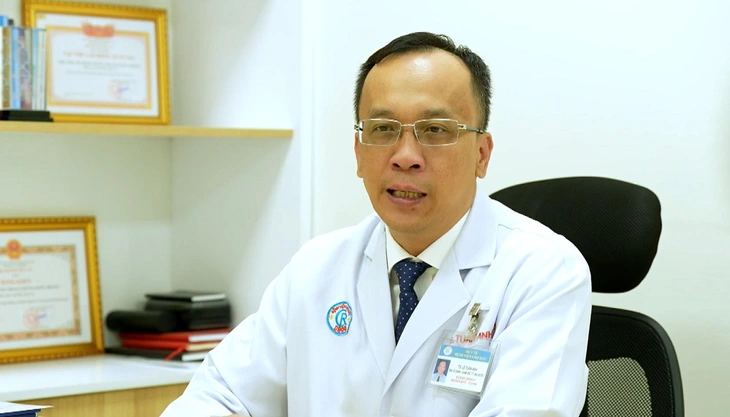
Exempting hospital fees for cancer patients and dialysis patients certainly brings many benefits to patients because these are vulnerable groups that require long-term treatment and very high treatment costs. However, to implement this policy, there needs to be a suitable roadmap, because if it is completely exempted immediately, the budget will be under great pressure.
In my opinion, to reduce treatment costs sustainably, we cannot just focus on exempting hospital fees but must implement comprehensive solutions based on four main areas of cancer care: prevention, screening and early detection, diagnosis and treatment, and end-of-life care.
Prevention and screening are two areas that need to be prioritized because they help detect diseases early, treat them more effectively and significantly reduce costs. This is the most important and fundamental area, related to many areas including tobacco prevention, alcohol restriction, lifestyle changes, health education...
In addition, many screening programs are not currently covered by insurance. If detected early, treatment is much more effective, but the cost of screening is still a barrier that prevents many patients from accessing it. Research should be done to include screening in the list of supported or paid programs to "prevent disease from the beginning".
In particular, the diagnosis and treatment sector can consider gradually reducing costs before considering complete exemption, including the costs of imaging, testing, pathology, molecular biology, genetic testing, and treatment drugs... These costs are currently very large.
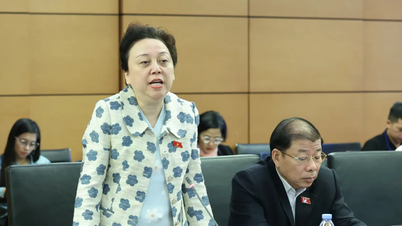
- Delegate TRINH THI TU ANH (Lam Dong):
Update drug list in time
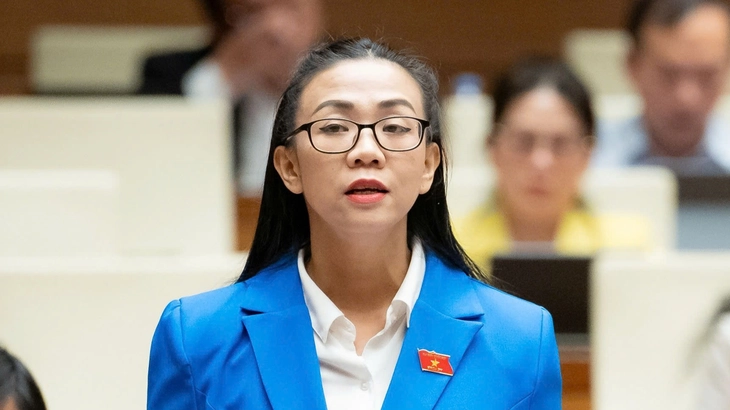
I strongly agree with the proposals to move towards the goal of free hospitalisation for all by 2030. These are humane regulations, promptly responding to voters' wishes and deeply demonstrating the State's concern for social security work.
In fact, the burden of treatment costs remains the biggest barrier for patients. Many new generation drugs such as targeted therapy and immunotherapy have proven to be highly effective in treatment, helping to prolong life and improve quality of life, but high costs prevent patients from accessing optimal treatment.
Therefore, first of all, it is necessary to update the drug list promptly, especially for cancer treatment drugs and new generation immunoregulatory drugs to reduce costs for people's pockets, ensuring benefits for more than 95.5 million people participating in health insurance today.
In particular, priority should be given to drugs with strong clinical evidence and clearly proven effectiveness. The list should be updated flexibly and promptly according to international medical advances, while expanding the list with a cost-effectiveness assessment mechanism to ensure that payment is both fundamental and sustainable.
This is a direct, practical solution so that patients, especially those with serious illnesses and those with difficult family circumstances, are not left behind in the treatment journey...
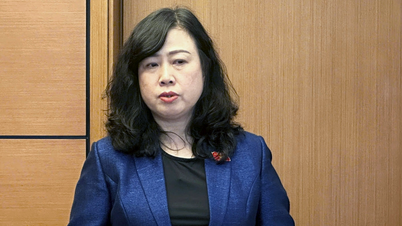
- Ms. NGUYEN THI THU HANG (Deputy Director of Ho Chi Minh City Social Insurance):
Pay health insurance for some people in difficult circumstances first
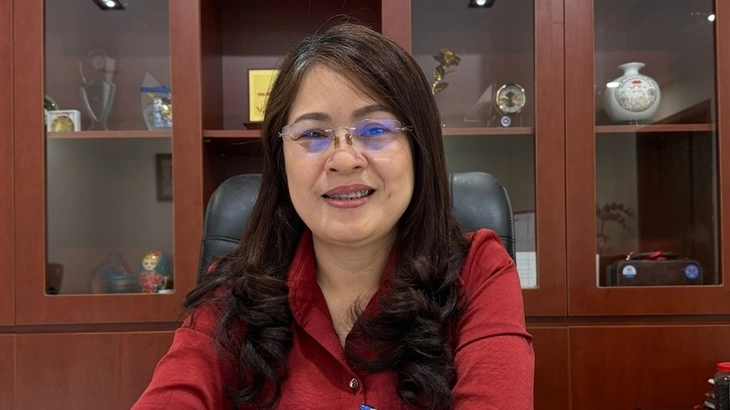
Through the actual payment of health insurance in Ho Chi Minh City, most people with serious illnesses (including cancer patients and patients undergoing dialysis) are aware of buying health insurance cards and using them for medical examination and treatment, and are fully paid by the Health Insurance Fund within the scope of benefits. People still have to pay some additional fees such as co-payment costs (if any), and costs outside the scope of health insurance payment.
To support people with serious illnesses to feel secure in their treatment, depending on the local budget, it is possible to support health insurance payments for some people in difficult circumstances and the Government needs to study converting health insurance benefits for these people from co-payment to 100% payment.
In Ho Chi Minh City, the Ho Chi Minh City People's Committee has also submitted a proposal to the City People's Council to consider purchasing health insurance cards for people in difficult circumstances, including those with serious illnesses according to the list of serious illnesses of the Ministry of Health, who are determined to have incomes lower than the income level according to the multidimensional poverty measurement criteria of the locality with permanent or temporary residence in Ho Chi Minh City (income level lower than 36 million VND/year - PV). The People's Council is expected to approve this December.
- Ms. TL (relative of patient NT being treated at Ho Chi Minh City Oncology Hospital):
Covered by health insurance but still burdened with treatment costs
In August 2025, my mother was diagnosed with lung cancer that had metastasized to both sides. She began a difficult treatment journey at the Ho Chi Minh City Oncology Hospital for the past 5 months. Her body was weak, weighing only 39kg, and the doctor prescribed the first generation of targeted drugs. However, behind the ray of hope to prolong her life was the worry of treatment costs.
Although the health insurance covers 95%, my mother still has to pay nearly 9 million VND for medicine each month, which is a huge amount for an elderly person living on a small pension and the support of her children. We save little by little to take care of her.
The doctor said that when switching to the second generation of drugs, the cost can be up to 12 million VND, and the third generation is about 45 million VND per month, even with health insurance support. Up to now, the total cost of treatment since the disease was detected has been nearly 100 million VND.
If we had not tried, we would have been forced to abandon treatment. Freeing hospital fees or increasing payments for cancer patients is really necessary to reduce the burden and increase the chance of saving patients.
The patient is in great difficulty.
Discussing the National Assembly's draft resolution on a number of breakthrough mechanisms and policies for protecting, caring for and improving people's health, delegate Nguyen Anh Tri (Hanoi) mentioned the content of exempting hospital fees and said that this is an important condition to create a breakthrough in medical examination and treatment.
He emphasized that the exemption of hospital fees should focus on four basic issues and must be implemented according to a reasonable roadmap, aiming at the goal of free hospital fees for all people by 2030. However, according to him, in cases of serious illness, chronic illness or high treatment costs, support should be provided earlier to reduce the burden on patients.
"Because there is a roadmap, I propose to make it free early for those who are being treated for difficult-to-treat, chronic diseases, patients on dialysis, cancer patients who are receiving very expensive targeted drug treatment. They are in a lot of difficulty, I really hope to help those patients right away, not wait until 2030," Mr. Tri proposed.
Source: https://tuoitre.vn/som-mien-vien-phi-cho-benh-nhan-ung-thu-va-suy-than-can-lo-trinh-nhung-khong-nen-tri-hoan-202512062239116.htm






























































































Comment (0)