


Leverage from agriculture and labor
Chieng Lao, located approximately 25 km from the center of Muong La district, is home to 2,242 households with over 10,700 inhabitants in 18 villages, primarily belonging to the Thai, Mong, and La Ha ethnic groups. Characterized by its riverside location, Chieng Lao is divided into distinct economic zones. The lowland area comprises 15 villages, primarily inhabited by the Thai and La Ha ethnic groups, who live along the river and focus on exploiting the water resources for aquaculture and agricultural production. Some households in the central area have diversified into trade and services. The highland area has 3 villages, where the inhabitants focus on cultivating food crops and raising natural rock bees.
Based on the specific characteristics of each region, the commune has actively propagated and encouraged people to switch crops, develop livestock farming, and exploit local strengths. Many farmers have proactively formed production linkages, transforming existing potential into economic efficiency, and there are increasingly more examples of people rising to become wealthy.
Farmer Quang Van Hien from Na Noong village has become a millionaire thanks to developing commercial pig farming. Mr. Hien shared: "In 2016, I borrowed 100 million VND from the Agricultural and Rural Development Bank to build a pig farm with a capacity of 200 pigs per year. Currently, my family has expanded to two farming areas, totaling over 700 square meters, raising more than 400 commercial pigs per year, with a profit of 300 million VND per year."
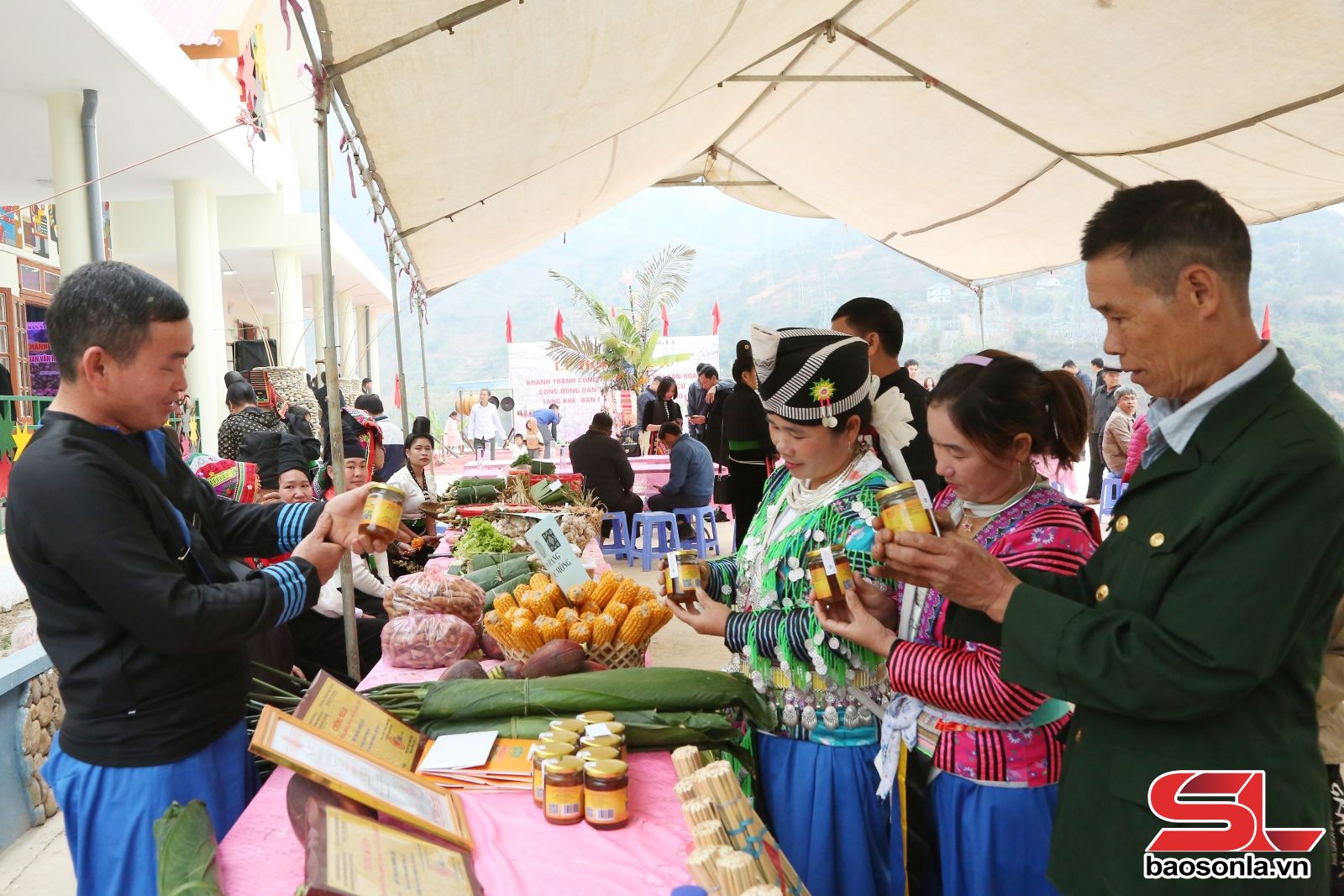
Meanwhile, Chieng Lao Agricultural Cooperative is one of the typical collective economic models, famous for its rock honey product which has achieved OCOP 4-star certification and has been recognized as a typical agricultural and rural product at the provincial level for two consecutive years 2023-2024.
Mr. Va A Sia, Director of Chieng Lao Agricultural Cooperative, shared: "Previously, rock honey was mainly harvested on a small scale by households for family use. Cooperative members have propagated and guided farmers in the Mong ethnic minority villages in the highlands on how to create crevices in rocky mountains for bees to build nests and harvest natural honey. Currently, the entire commune has 105 participating households, with a scale of approximately 2,000 hives, an estimated production of 10 tons of honey per year, selling at 80,000-150,000 VND/kg, creating livelihoods and increasing stable income for ethnic minority people."
The local people maintain the traditional practice of cage fish farming on the Son La hydroelectric reservoir. The entire commune has two aquaculture cooperatives and dozens of family-scale farming households, totaling 258 cages of various types. The average yield is 5.5 quintals/hectare, with an estimated production of 140 tons per year. The commercial fish from these cooperatives and households are supplied locally, as well as to restaurants and traders in neighboring provinces and cities such as Lai Chau, Hoa Binh, and Hanoi .
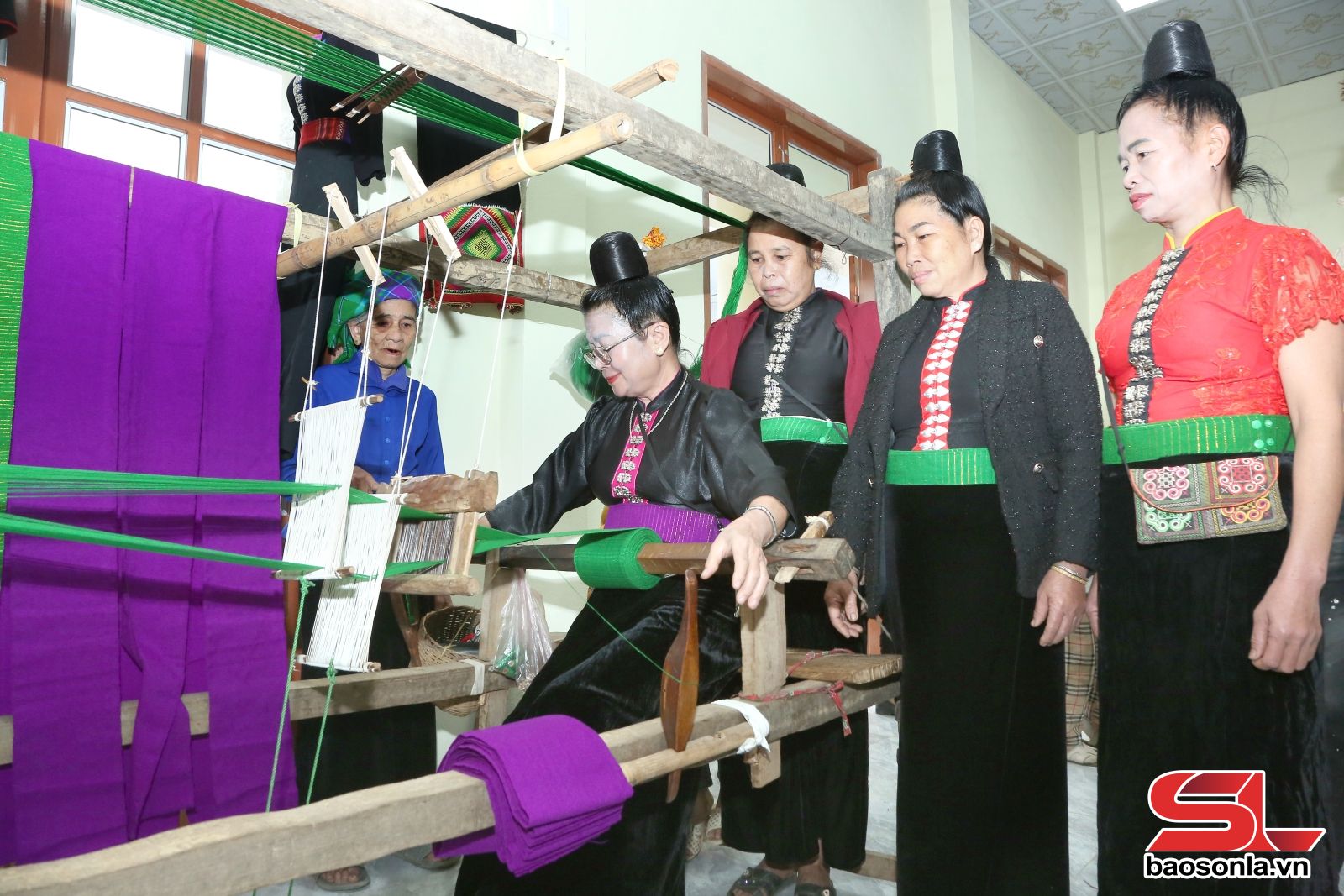
Farmers in Chiềng Lao commune are also proactively seeking employment outside the locality. Currently, more than 1,400 out of a total of 6,200 people of working age in the commune are working in industrial zones nationwide, providing stable income and contributing to poverty reduction.
Changes in the resettlement area
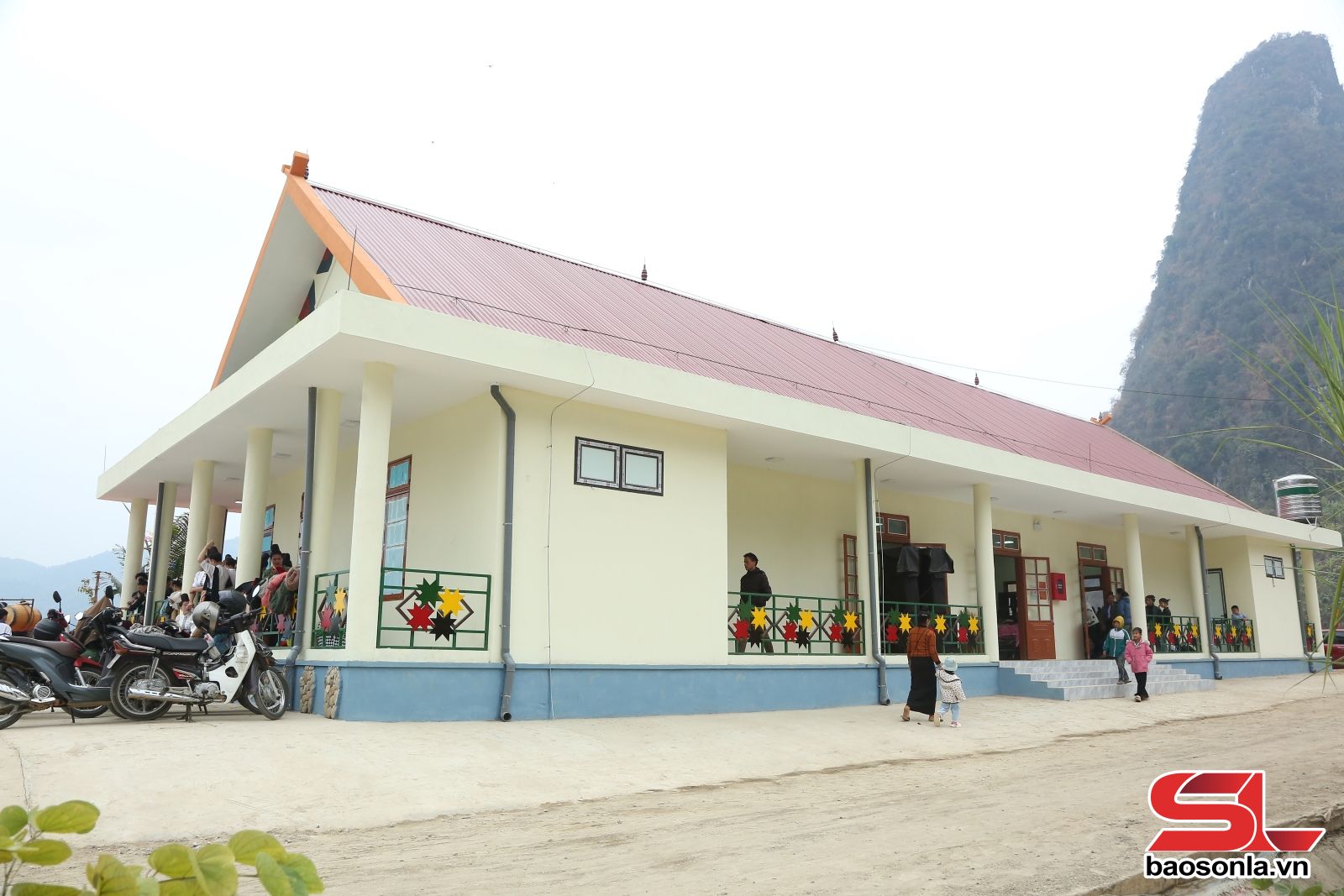
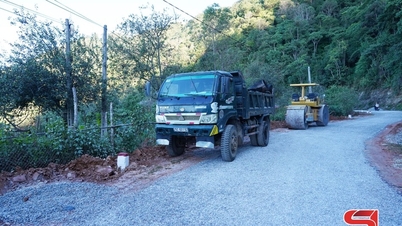
During the 2021-2025 period, rural infrastructure in Chiềng Lao commune received significant investment, mobilizing over 77 billion VND to build key projects such as: the commune's central market, a water supply system, resettlement areas, classrooms for schools, roads, and a cultural center. Resources were also mobilized to support the demolition of 31 dilapidated houses; the construction of 8 classrooms and teacher housing; 158 sanitary toilets; and the upgrading and renovation of over 11.8 km of inter-commune and inter-village rural roads.
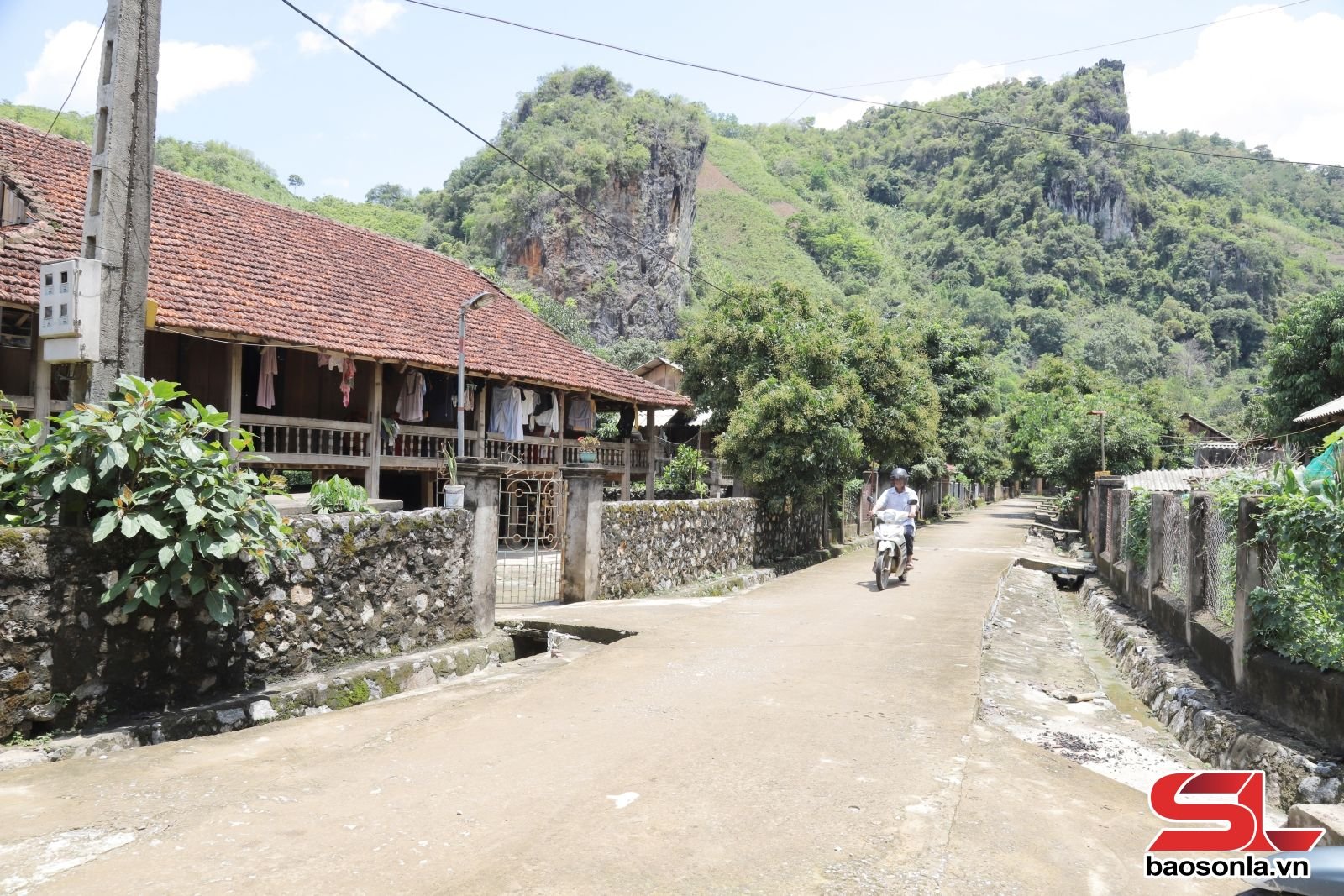
To date, the commune has 2 new rural villages; 81.25% of villages have paved or concrete roads leading to their centers; 100% of schools, classrooms, and health stations are solidly built; 99.9% of households use the national power grid; 100% of households use clean water; 6.25% of villages have community centers; and 100% of villages have cultural and artistic groups.
Over the years, the lives of the people have improved significantly, with the percentage of poor and near-poor households in the commune decreasing from 47.6% in 2019 to 22.18% in 2024; average per capita income reached over 23.2 million VND/person/year. Chiềng Lao commune escaped poverty in 2022, with 14 out of 18 villages no longer classified as particularly disadvantaged.
Mr. Quang Van Phanh, Party Secretary and Head of Ta Sai village, shared: In 2024, with the support of the State, the village mobilized villagers to contribute 280 man-days of labor and donate more than 2,200 m² of land to expand the internal village road by 500 m; and implemented the construction of a 1.5 km long internal field road. To date, 80% of the internal village roads have been concreted, and 60% of the roads leading to the production area have been concreted, creating favorable conditions for people's travel and production, contributing to changing the face of the new rural area.
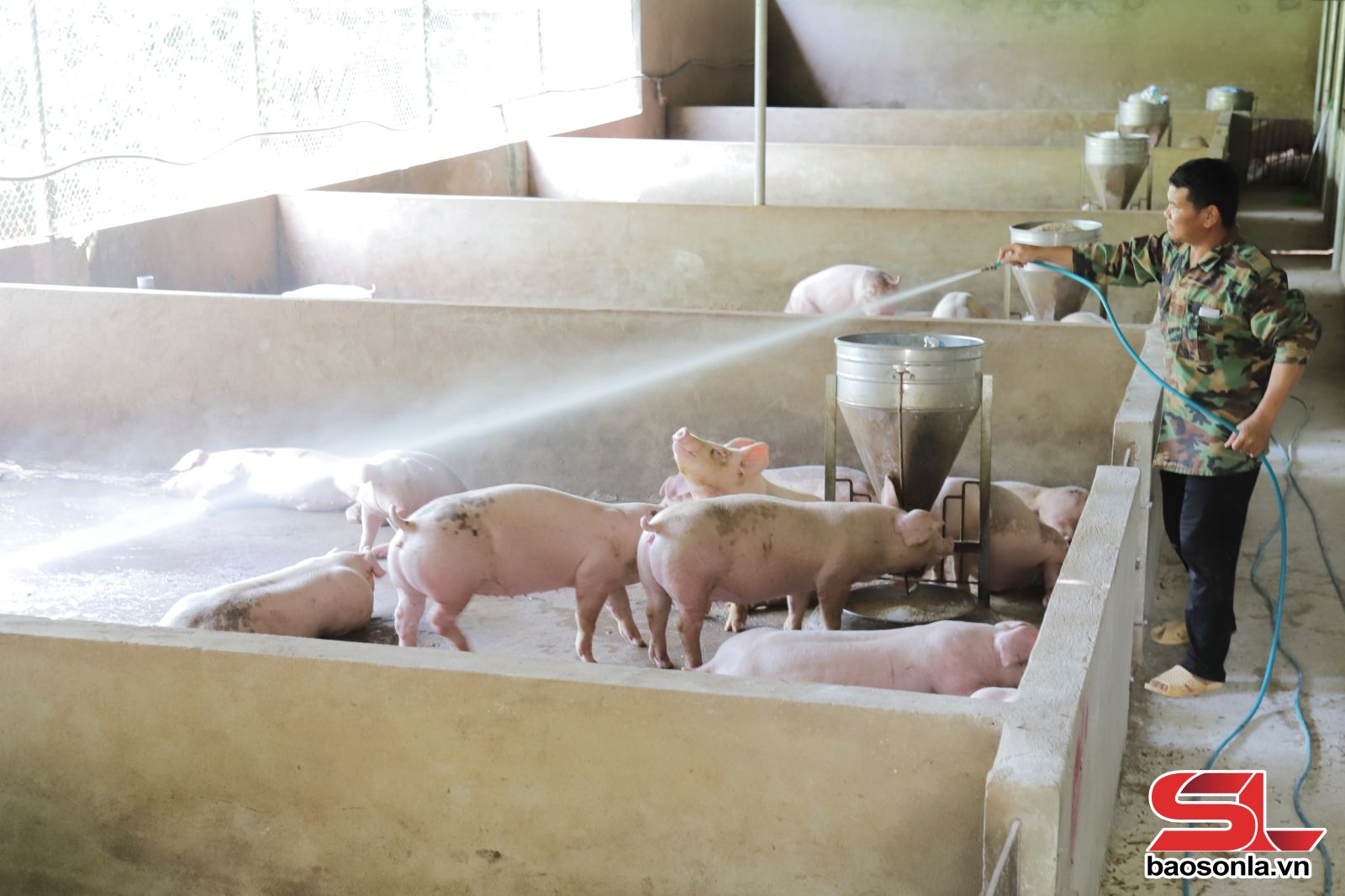
Speaking about key solutions to promote socio-economic development, Ms. Quang Thi Nguyen, Secretary of the Party Committee of Chieng Lao commune, said: The commune continues to encourage families to apply closed-loop livestock farming models, ensuring biosafety; focusing on developing advantageous agricultural products, transforming the structure of crops and livestock appropriately, developing diverse types of services and promoting key local products... At the same time, strengthening propaganda and mobilization of people to work in industrial zones or participate in labor export, with stable income.
Source: https://baosonla.vn/xa-hoi/suc-song-moi-ben-dong-da-giang-A5J4ajaNg.html








































































Comment (0)