

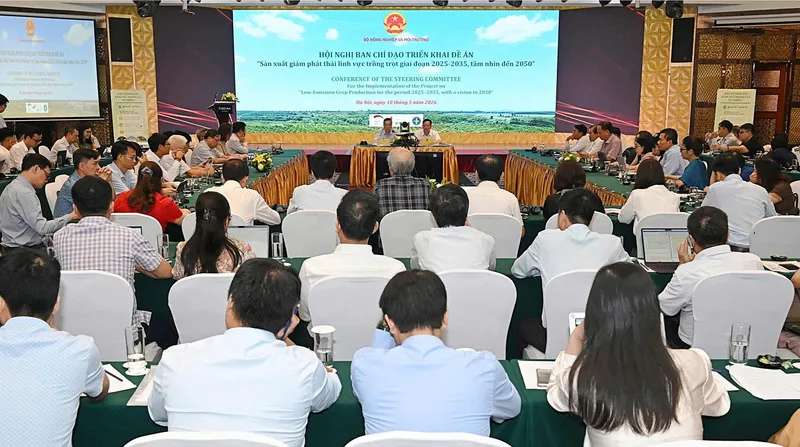
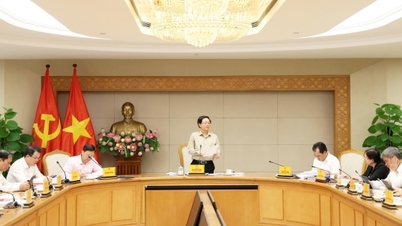
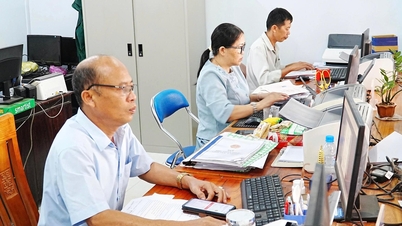
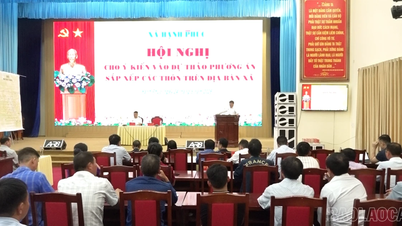
On May 18th, in Hanoi , the Ministry of Agriculture and Environment held the first meeting of the Steering Committee for the implementation of the Project on Reducing Emissions in Crop Production for the period 2025-2035, with a vision to 2050.
According to Ms. Nguyen Thi Thu Huong, Deputy Director of the Department of Crop Production and Plant Protection (Ministry of Agriculture and Environment), 22 provinces and cities have issued plans to implement this project. Localities are focusing on developing emission-reducing farming processes, building emission data systems, and applying digital transformation in agricultural production. Ms. Nguyen Thi Thu Huong also stated that the period from 2026 to 2030 is identified as a crucial time to establish a low-emission agricultural system. The Ministry of Agriculture and Environment is finalizing technical procedures for three key crops: rice, coffee, and durian.
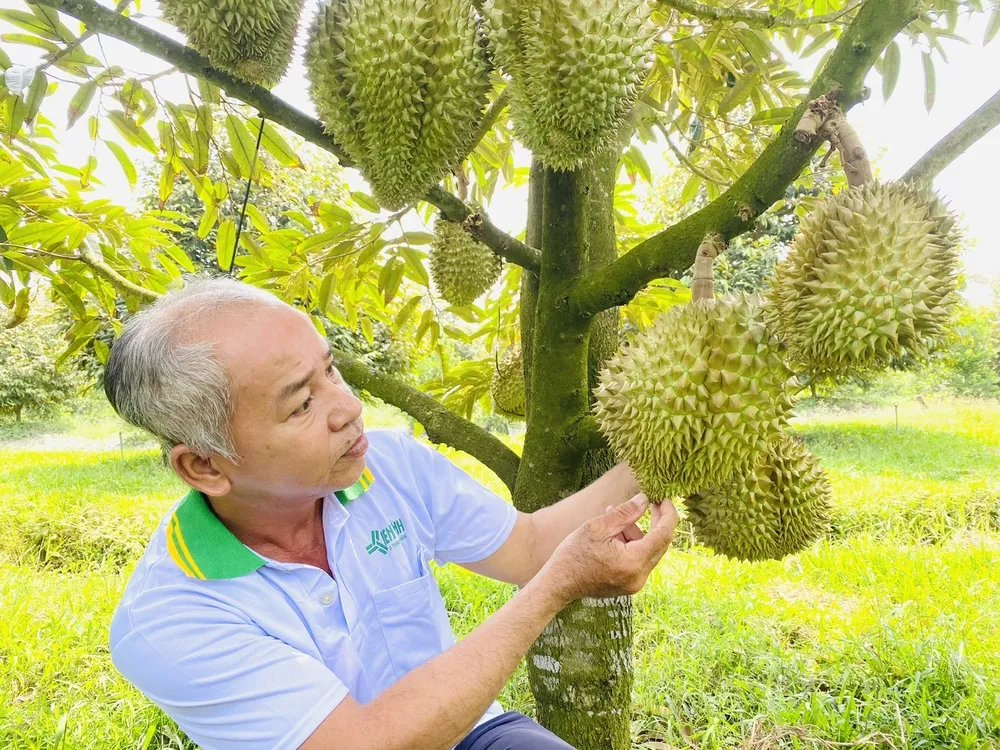
Specifically, the agricultural sector will expand the alternating wet-dry irrigation (AWD) model, manage rice straw, and optimize fertilizer use for rice crops, in conjunction with the project to cultivate 1 million hectares of high-quality, low-emission rice in the Mekong Delta. For coffee, the agricultural sector will promote circular models, conserve irrigation water, increase the use of organic fertilizers, and reuse by-products. For durian and other fruit trees, the sector will focus on managing irrigation water, processing by-products, and meeting the green standards of export markets.
At the conference, Mr. Nguyen Tri Ngoc, Vice President and General Secretary of the Vietnam Fertilizer Association, stated that the practical implementation of the 1 million hectare high-quality, low-emission rice project in the Mekong Delta has shown that many models have helped reduce seed usage, fertilizer use, and irrigation water while maintaining productivity. This will serve as a basis for expanding emission reduction programs to many other sectors.
Representatives from several associations and experts warn that major import markets are tightening standards on greenhouse gas emissions, carbon footprint, and traceability. Without timely adaptation, many agricultural products risk losing their competitive edge. Vietnam needs to quickly develop "low-emission" labels for rice, coffee, and fruits and vegetables to increase the value of agricultural products, improve traceability, and gain an advantage when entering high-end markets.
In his concluding remarks at the conference, Deputy Minister of Agriculture and Environment Hoang Trung urged the acceleration of the implementation of projects to reduce emissions, lower input costs, and meet green standards for export markets in order to increase farmers' income.
Source: https://www.sggp.org.vn/tang-toc-giam-phat-thai-with-3-mat-hang-lua-ca-phe-sau-rieng-post853240.html





















































































Comment (0)