


Amid escalating Middle East tensions throughout 2025, Iran's Paveh cruise missile is often referred to as the 'Iranian Tomahawk' due to significant similarities in technology and strategic purpose.
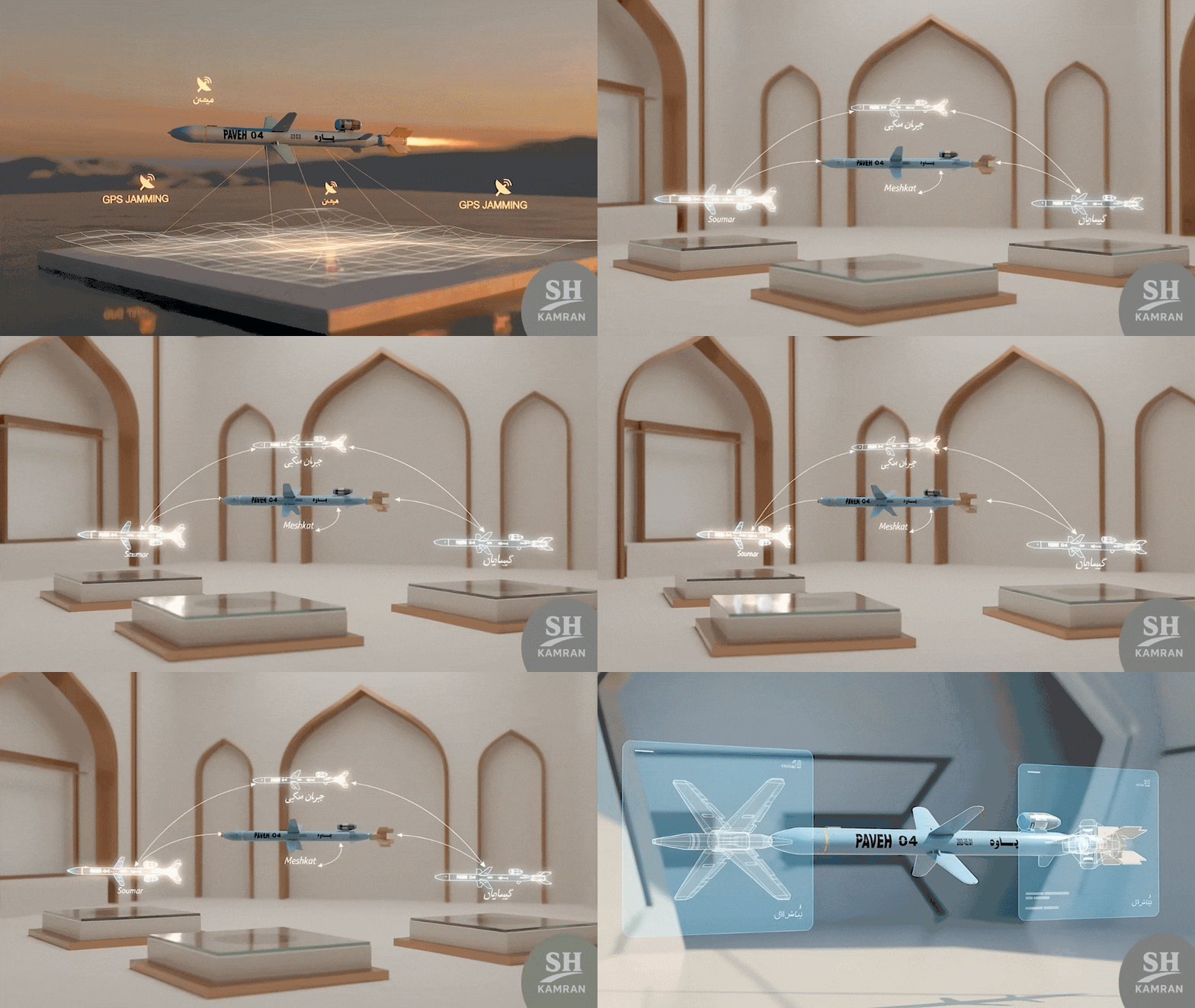
Both are long-range, low-flying, radar-evading ground-attack weapons, but they represent two distinct approaches: the Tomahawk is a mature product of American technology with decades of combat testing, while the Paveh is a testament to Iran's ability to be self-sufficient under sanctions.
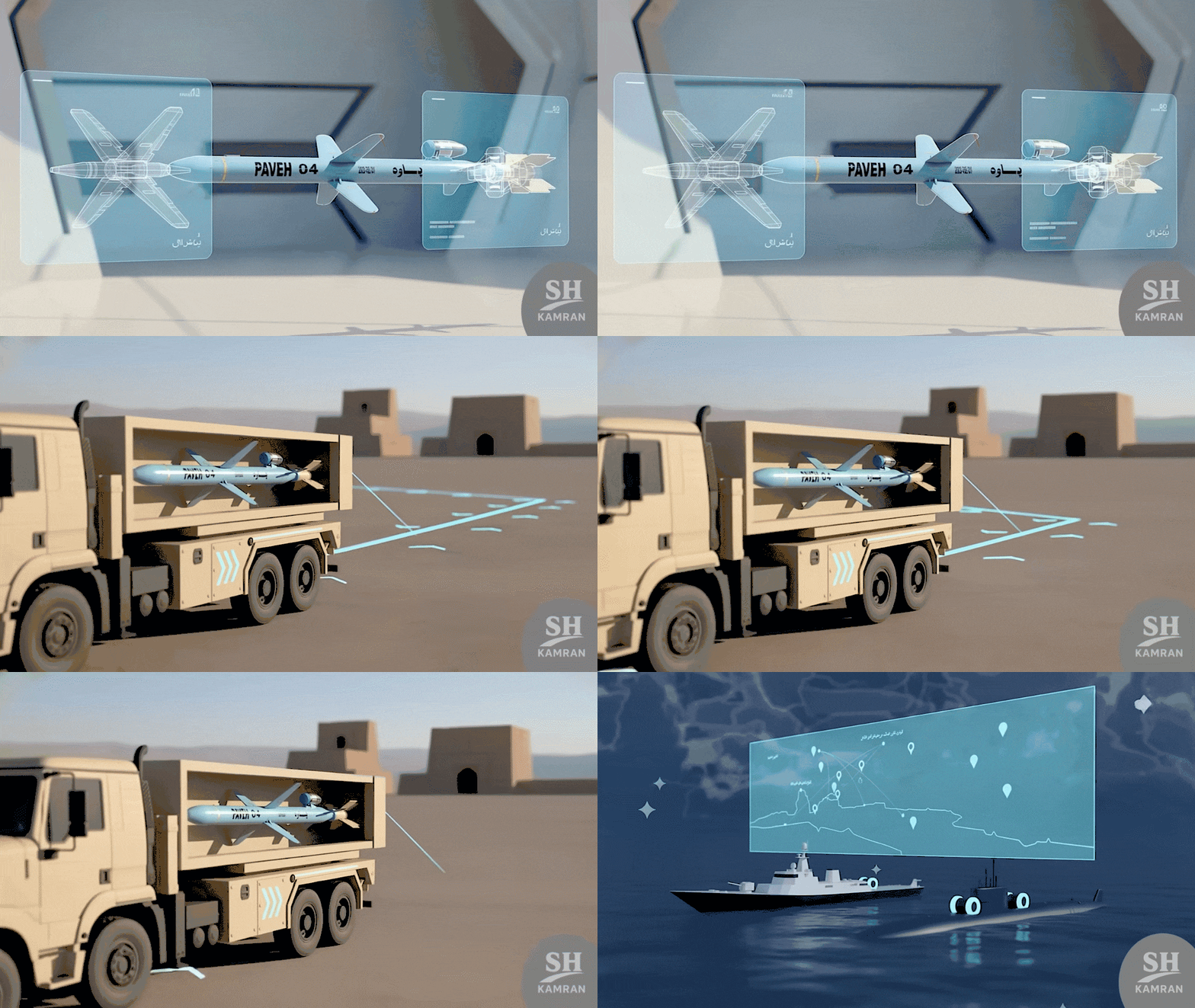
Belonging to Iran's Islamic Revolutionary Guard Corps (IRGC), Paveh appeared in 2024 test strikes against Israel and was displayed at the Army-2024 exhibition in Russia.
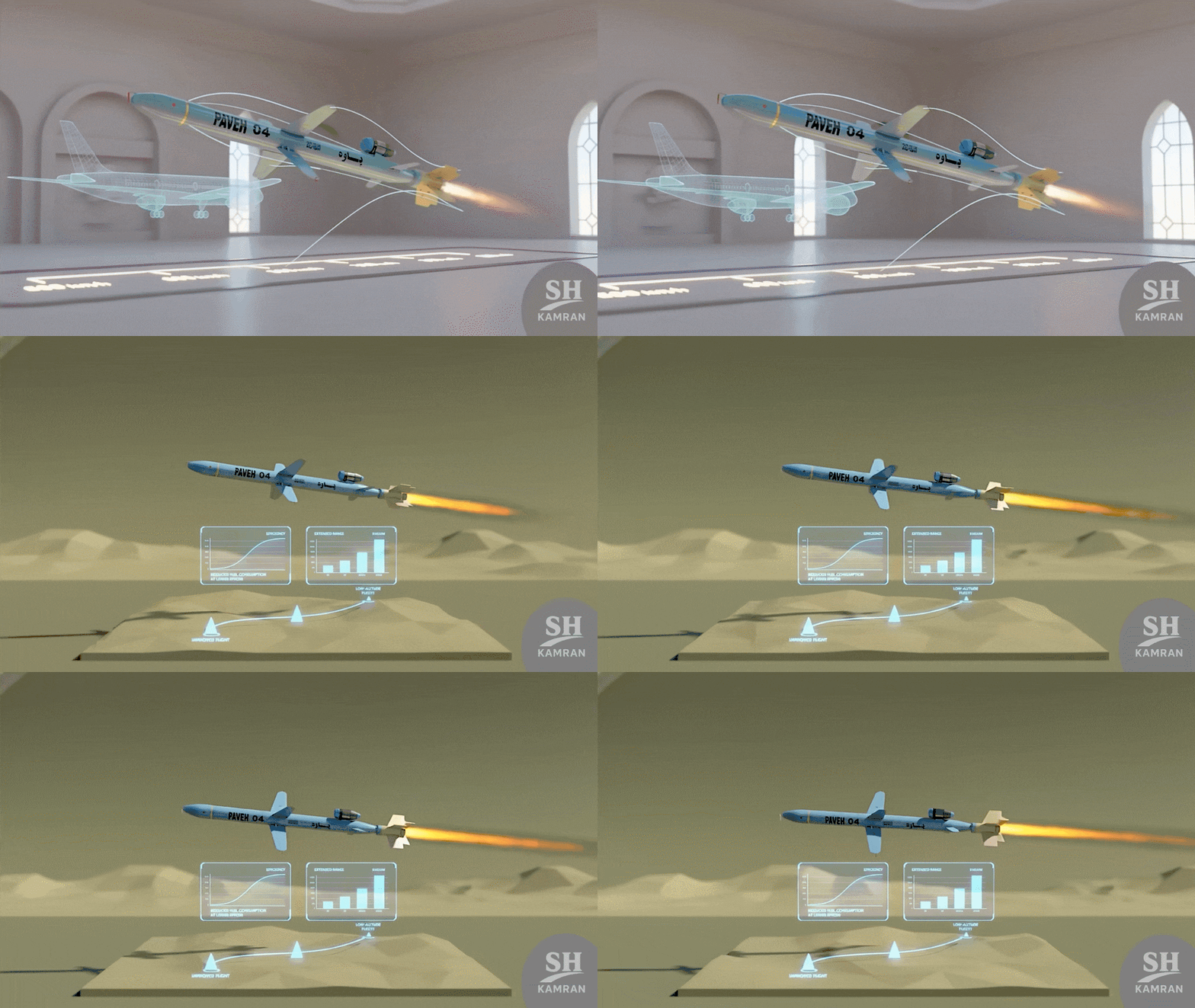
With a range superior to previous generations such as Soumar (700km) or Hoveizeh (1,350km), Paveh marks a major step forward in Tehran's domestic missile program.
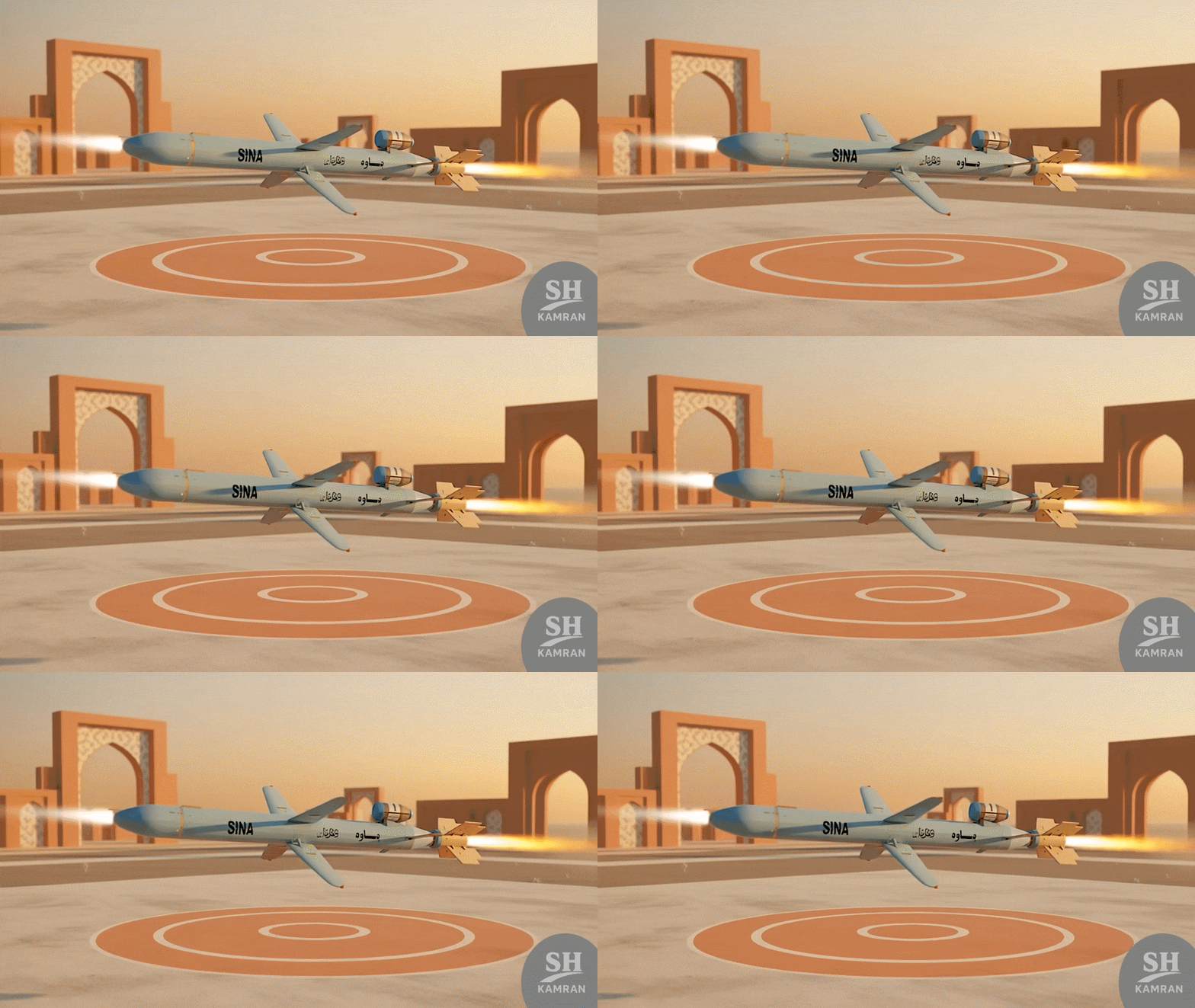
The Paveh is described as having an external turbojet engine mounted on the upper fuselage, retractable wings, and a design optimized for ground launch. However, the Paveh 's official specifications are less detailed due to Iran's secrecy, but sources such as FDD confirm they are of similar size.
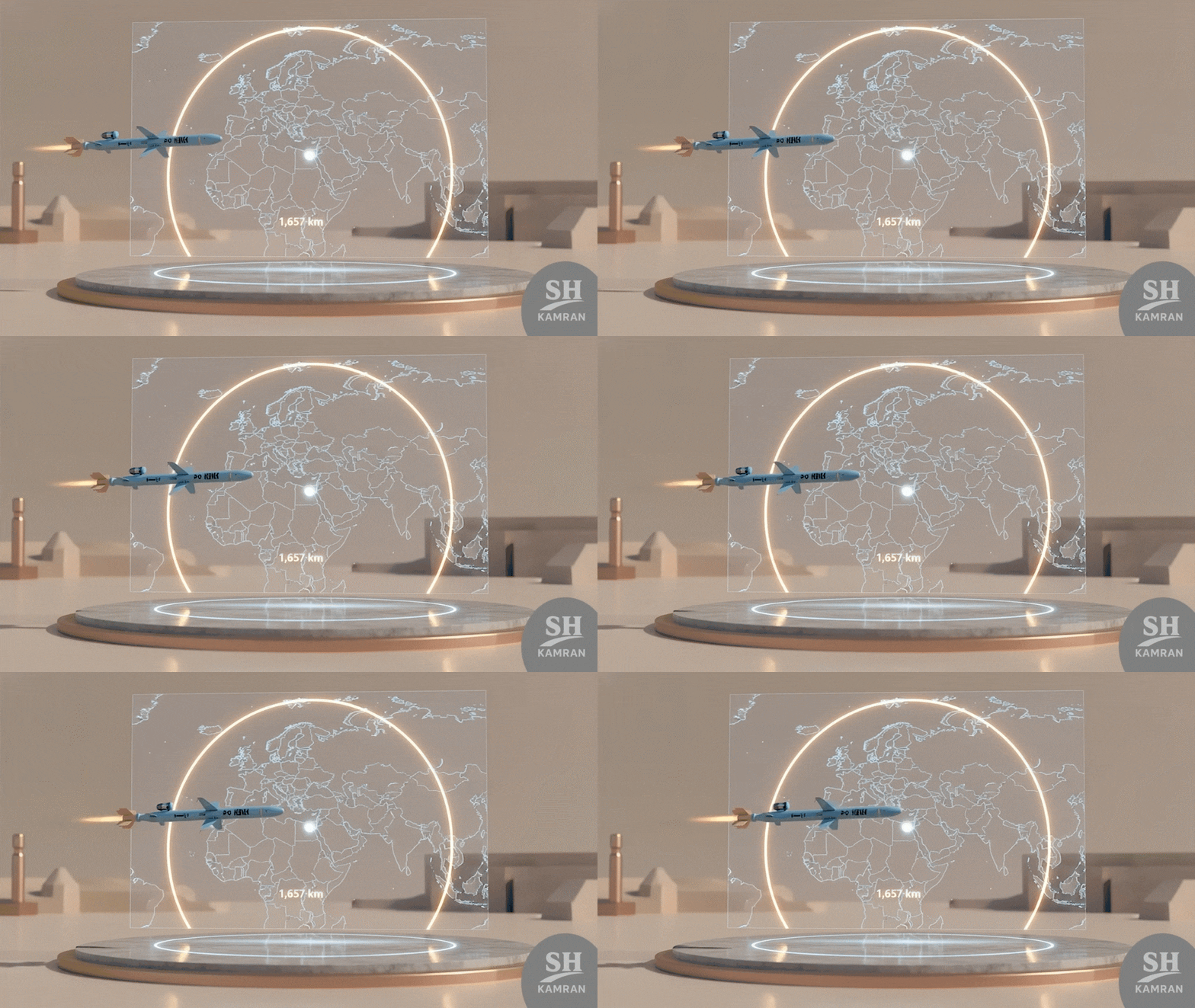
Range is one of the most striking similarities. The Tomahawk Block V (the latest version from 2017) has a range of about 1,600-2,400km, depending on payload and flight path, enough to strike from US submarines in the Indian Ocean deep into the Asian mainland. The Paveh was officially announced by Iran to have a range of 1,650km by 2025, surpassing the original 1,000km and enough to cover all of Israel as well as US bases in the Gulf from Iranian territory.
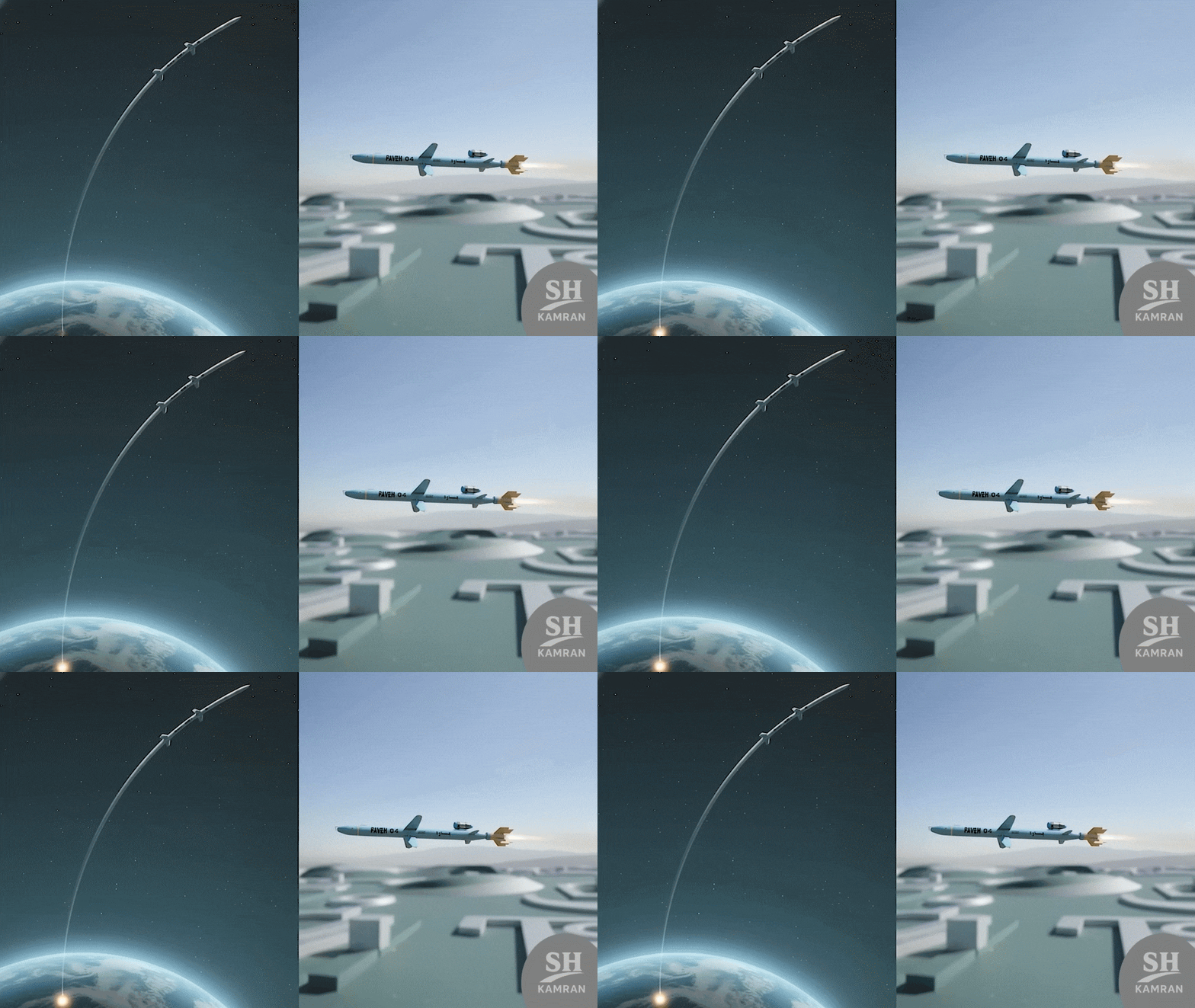
Some sources such as Sputnik and Caliber.Az note that the Paveh can approach or exceed the range of a Tomahawk Block IV (1,000 miles), but not reach the maximum range of a Block V.
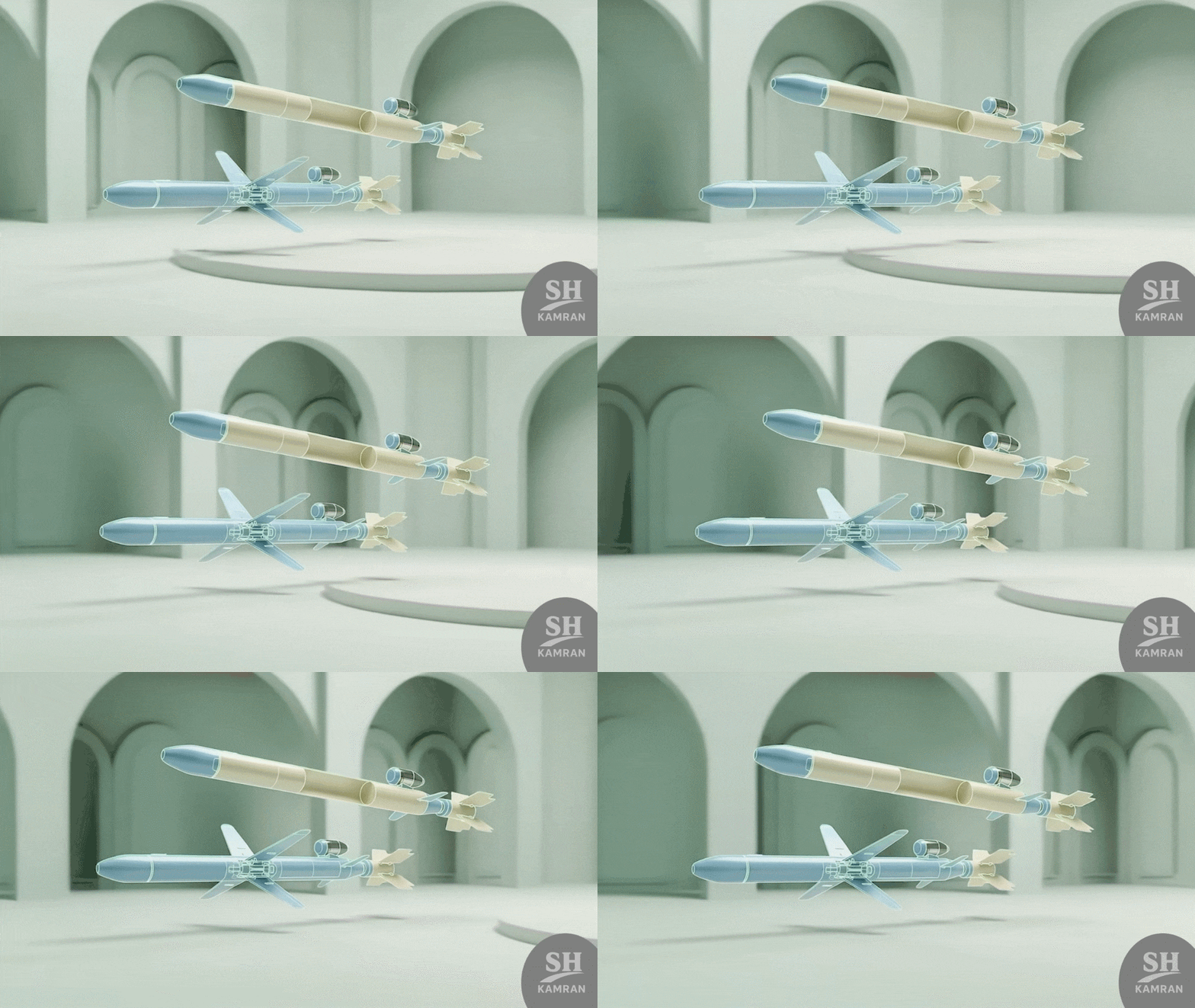
In terms of speed, Paveh is also a subsonic missile, flying at Mach 0.74-0.8 (about 800-900 km/h). Meanwhile, Tomahawk uses a Williams F107 (Block II/III) or F415 (Block IV/V) turbofan engine, combined with a solid fuel booster for initial launch, helping to maintain a stable speed throughout the long journey.
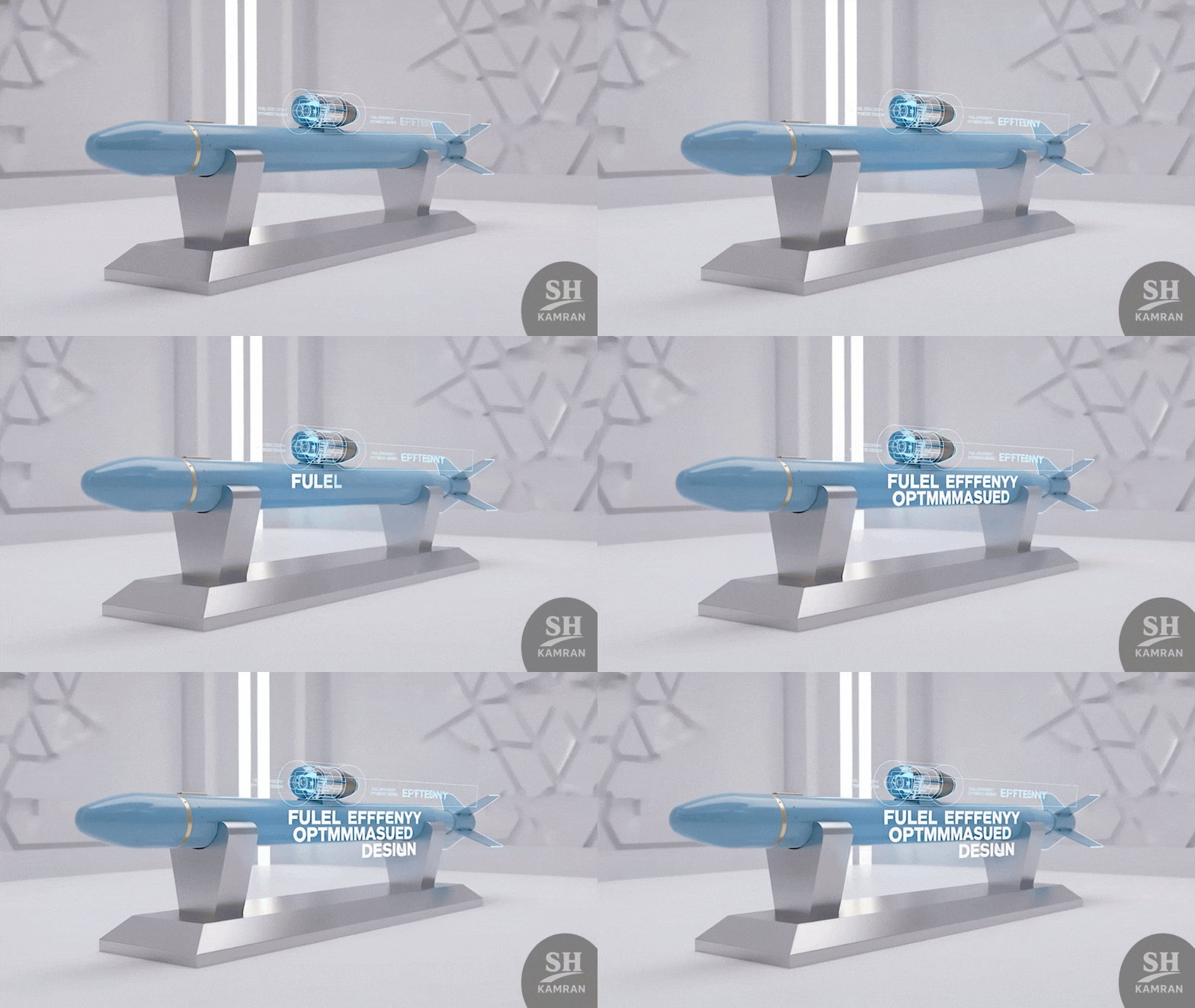
Paveh uses a domestic turbojet, the Tolou-10 or Tolou-13, based on the Czech TJ100 design but copied and produced independently by Iran. This speed makes them harder to intercept than hypersonic missiles, but they are also more likely to be detected by modern radar if they do not fly low.

Flight altitude is key to both sides’ ability to evade air defenses. The Tomahawk flies at extremely low altitudes, just 30-50 meters above terrain or sea level, using the terrain as cover. The Paveh is similarly designed, staying a few dozen meters above the ground throughout its flight, as shown in IRGC test-launch videos from 2023-2025. This makes it an ideal “low flyer” for heavily defended environments.
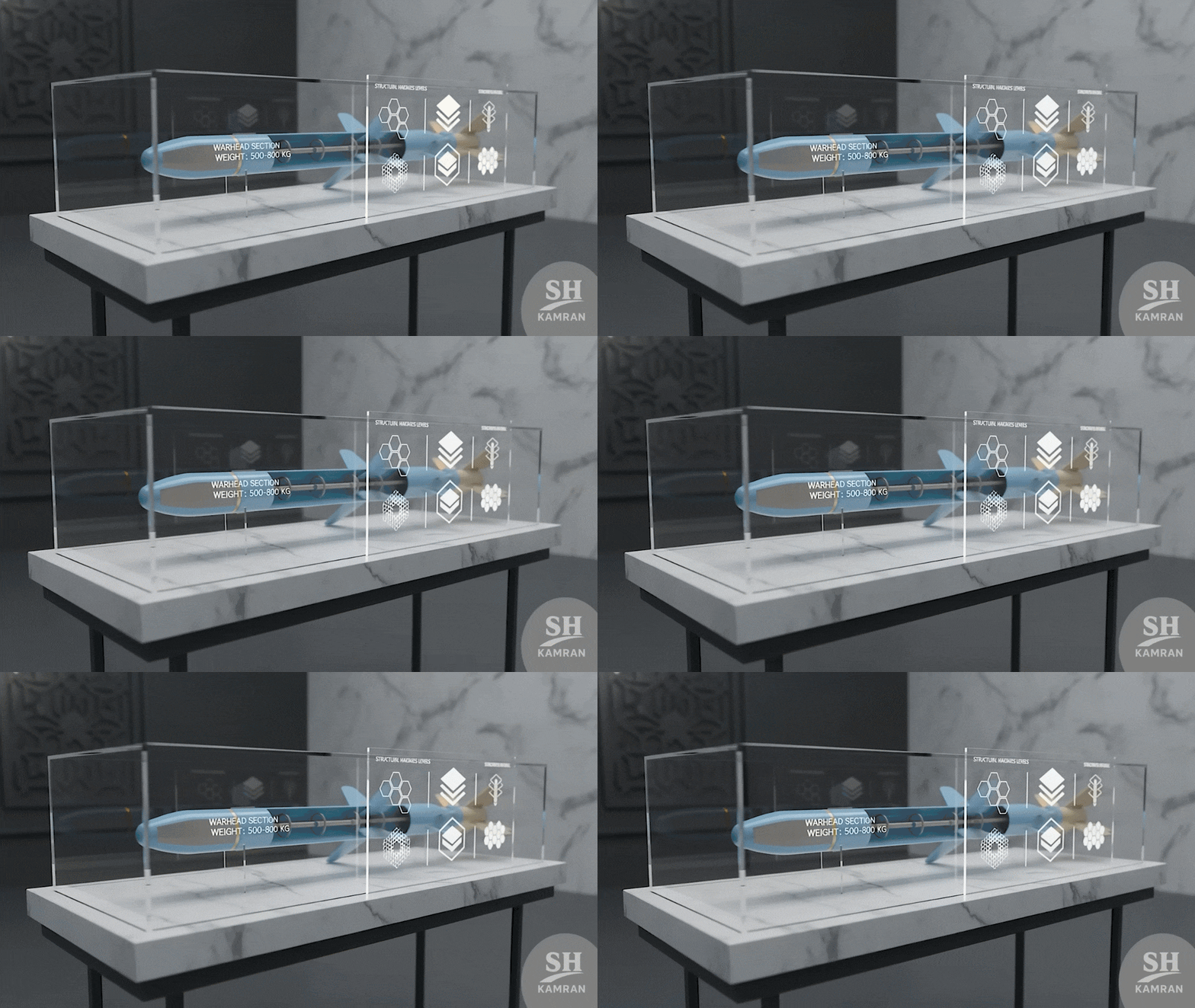
Warhead and accuracy represent a balance between power and sophistication. Paveh estimates a 400-500kg high explosive or fragmentation warhead, with an accuracy of less than 10 meters, which is not inferior but not as good as the Tomahawk thanks to combat experience. Both prioritize destroying fixed targets such as command posts, airports or oil depots. Paveh also integrates this quartet precisely: INS + GPS/Beidou (a Chinese satellite system that Iran cooperates with), TERCOM for terrain tracking and DSMAC in the final phase.

Sources such as the Times of Israel and Firstpost have confirmed that the Paveh can loitering, similar to the Block IV of the Tomahawk – allowing it to circle over a target area while waiting for orders to change or select a new target. This is a big step up from the old Soumar, and Iran has boasted that it can "strike from an unexpected direction".
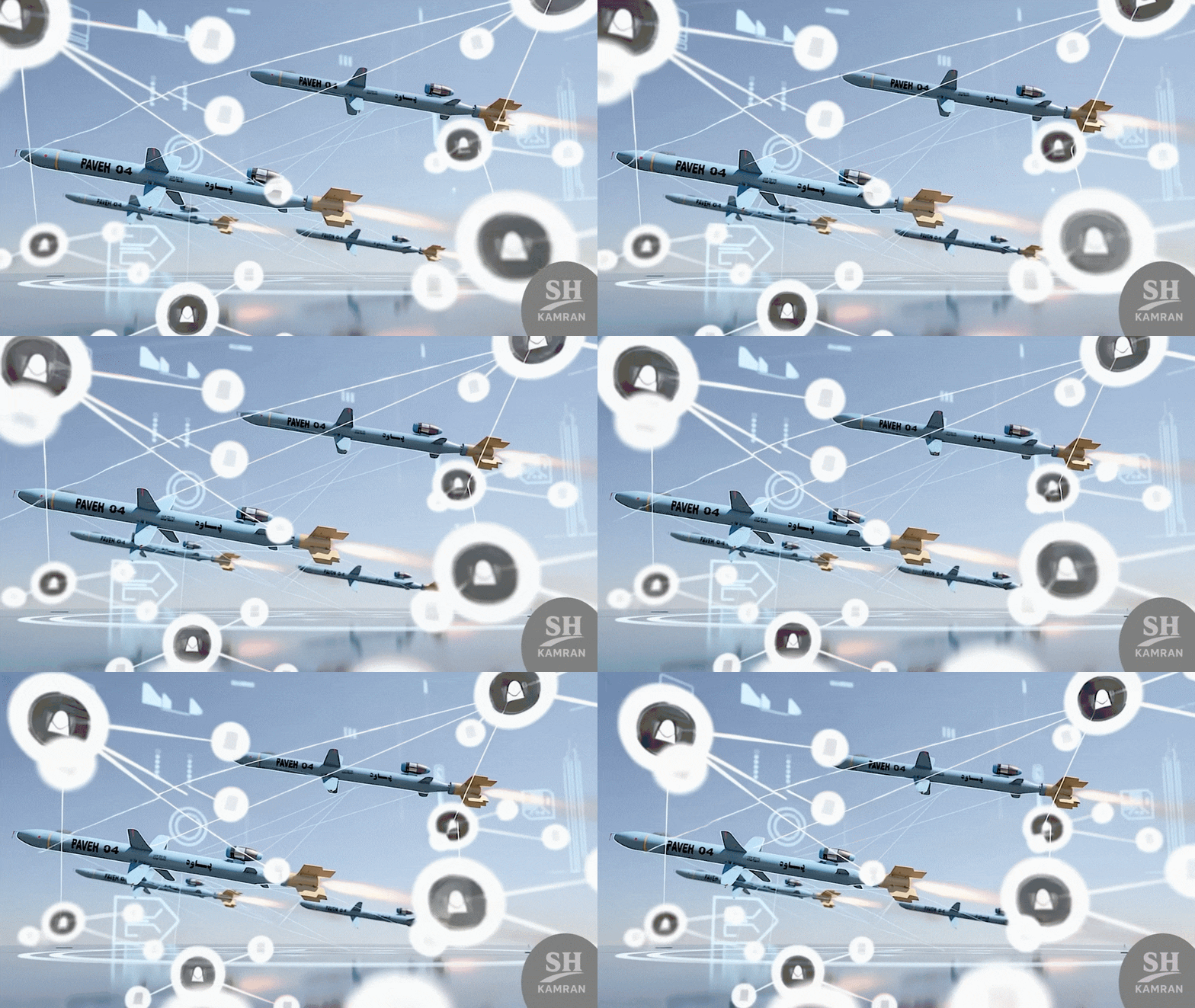
The ability to swarm is a common strength. The IRGC 2025 video shows dozens of them coordinated with Kheibar Shekan ballistic missiles, overloading Israel’s Iron Dome system.
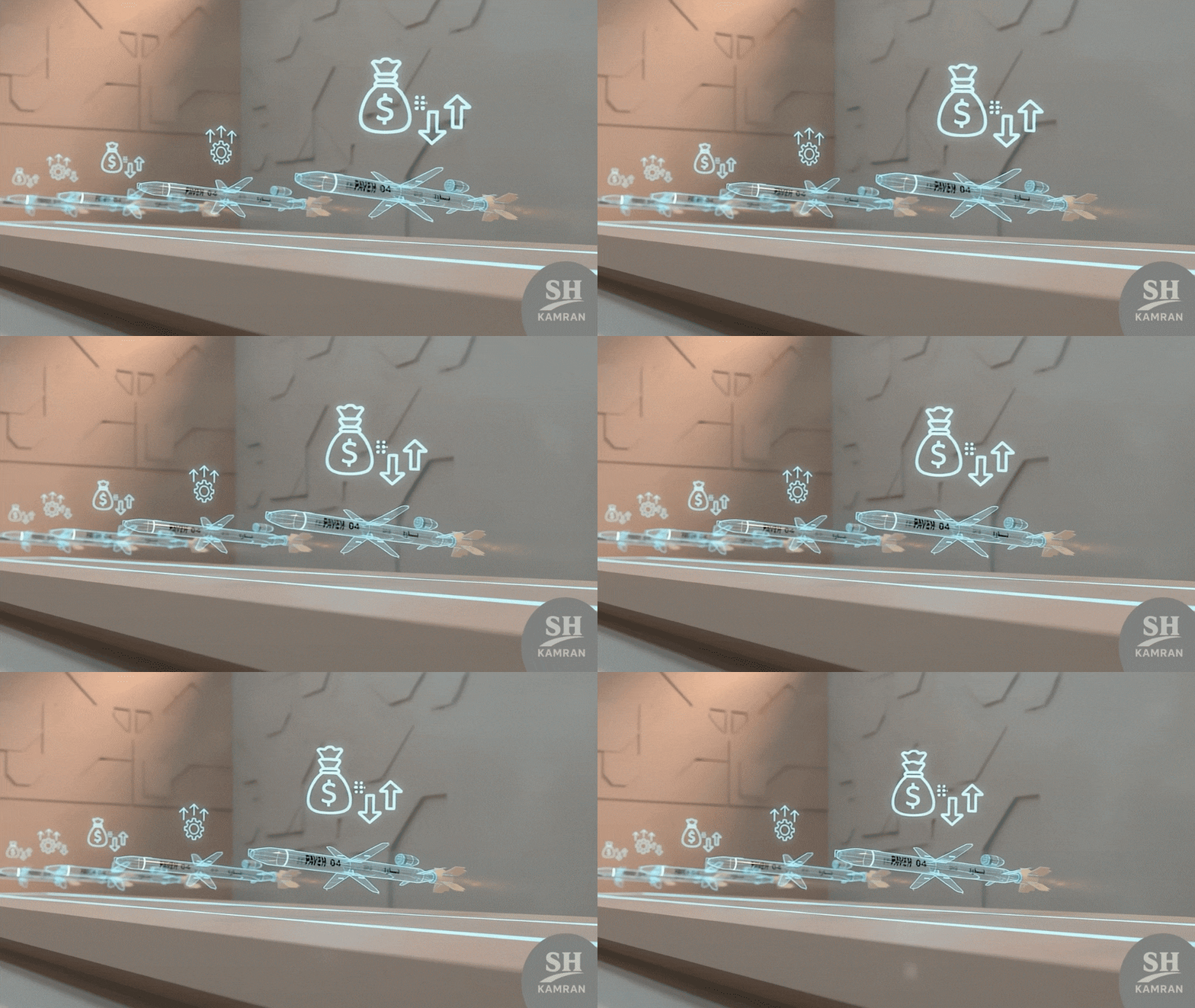
The Paveh is primarily launched from a transporter-on-the-ground (TEL) or underground silo, optimized for the Iranian desert terrain, but there is no indication of real-time communications – perhaps due to technological limitations. The Paveh , despite being 100% indigenous, still faces sanctions challenges, resulting in a more limited production run, but at a significantly lower cost (estimated at under $1 million per missile compared to $2 million for the Tomahawk ).
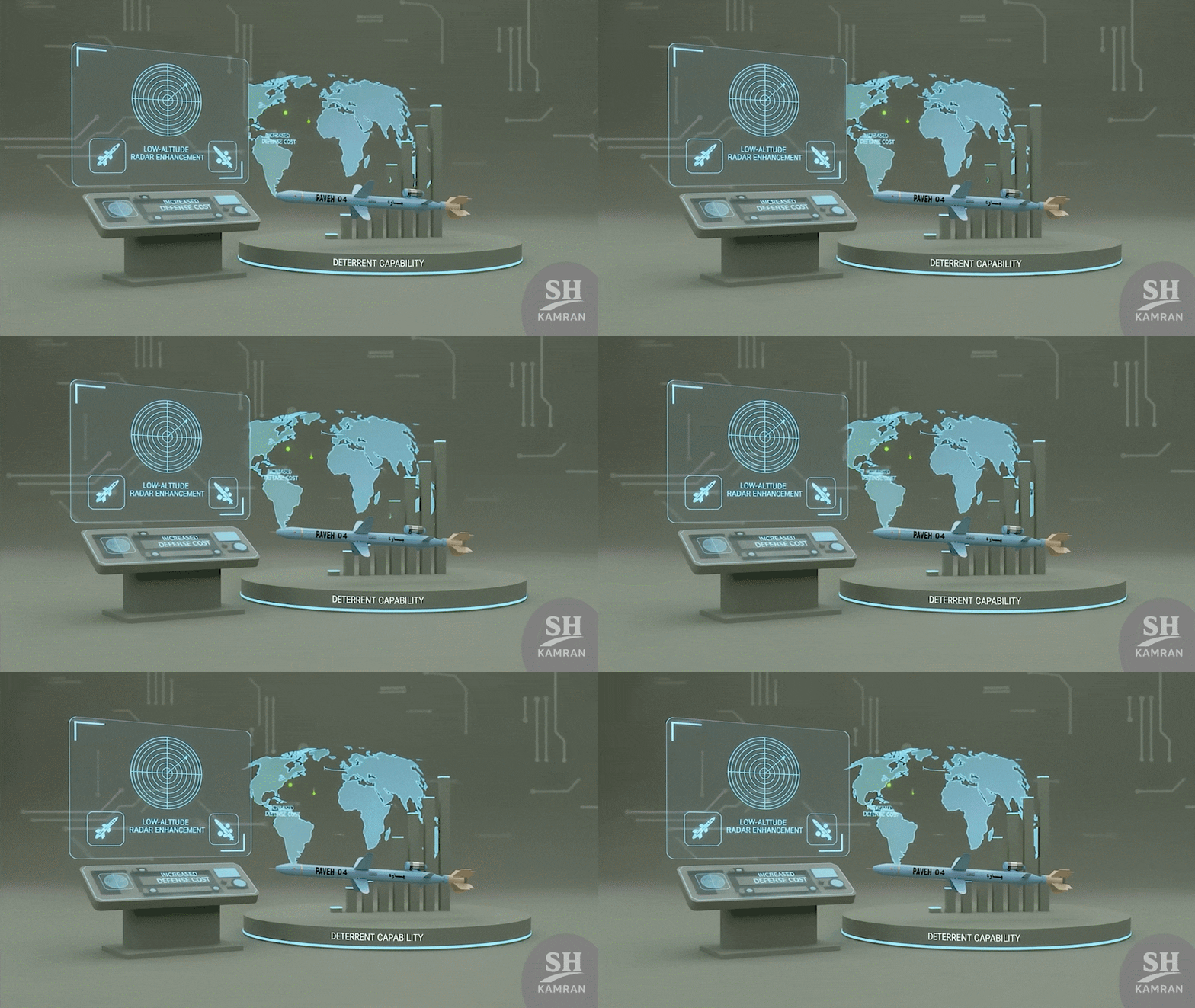
Iran imposes a self-imposed 2,000km limit on its missiles, but Paveh is close to that limit, and could extend it if needed. Tehran has closed the technological gap. In 2025, the comparison is not just technical but also symbolic: Iran is on the rise, forcing the US and its allies to adjust their Middle East strategy.
Source: https://khoahocdoisong.vn/ten-lua-iran-vuot-tam-tomahawk-khien-my-ngo-khong-yen-post2149072909.html


![[Photo] National Assembly Chairman Tran Thanh Man receives First Vice Chairman of the Federation Council of the Federal Assembly of the Russian Federation](/_next/image?url=https%3A%2F%2Fvphoto.vietnam.vn%2Fthumb%2F1200x675%2Fvietnam%2Fresource%2FIMAGE%2F2025%2F12%2F02%2F1764648408509_ndo_br_bnd-8452-jpg.webp&w=3840&q=75)




![[Video] Three female intellectuals honored for their contributions to sustainable development](https://vphoto.vietnam.vn/thumb/402x226/vietnam/resource/IMAGE/2025/12/02/1764660718053_dung00-09-55-12still003-jpg.webp)

























































































Comment (0)