

Intercontinental ballistic missiles ( ICBMs ) are not just weapons; they are symbols of the absolute power and deterrent capability of a superpower.
As the US Minuteman III missile nears its end, will the versatile stealth technology of the Russian Topol-M missile or the formidable maneuverability of the Chinese DF-41 missile prevail?
Let's delve into the technological secrets behind machines capable of determining the fate of an entire nation in less than 30 minutes.
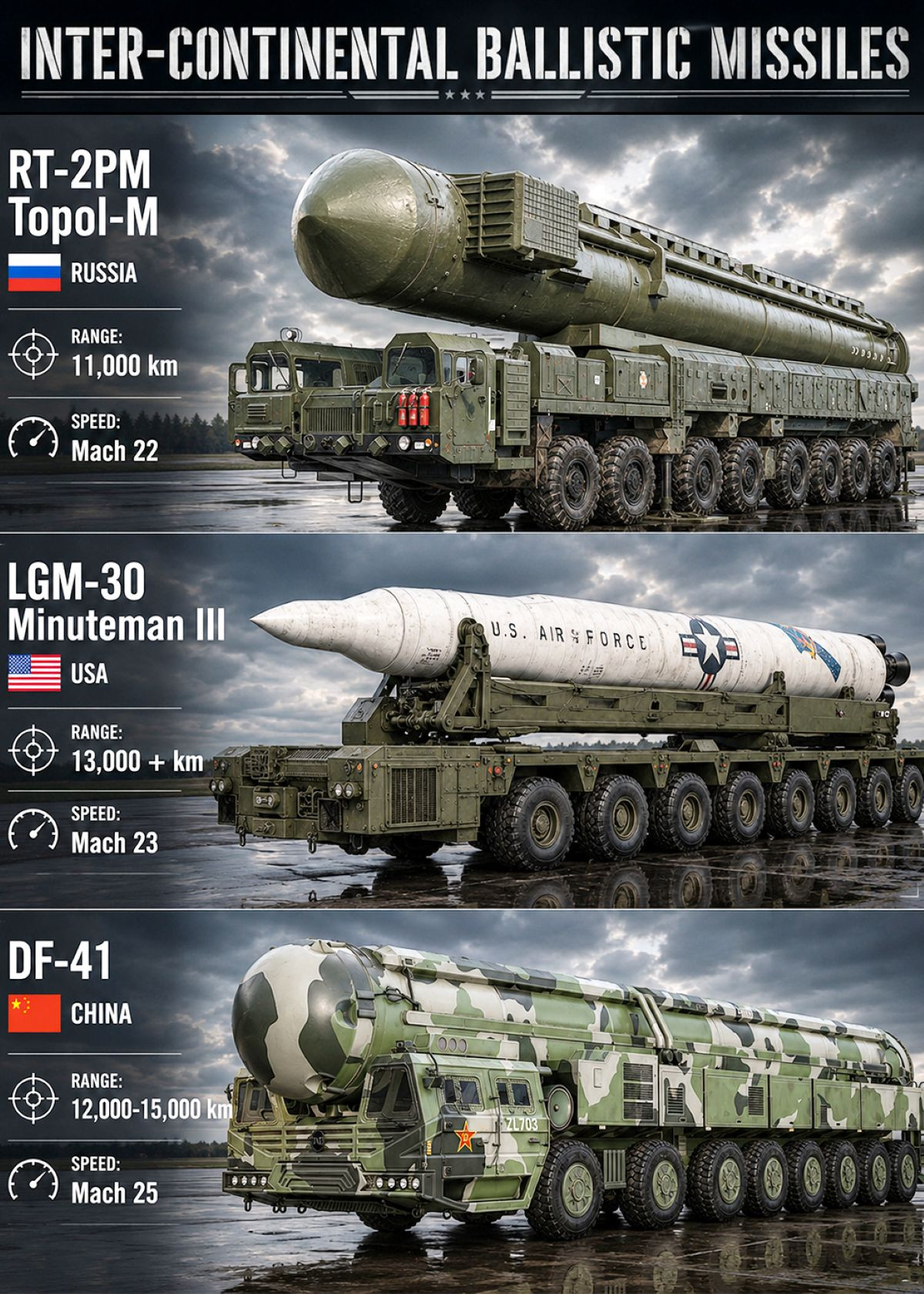
All three types of missiles utilize a three-stage solid-fuel engine, allowing for extended maintenance and rapid launch within minutes. However, each country pursues a distinct design philosophy.
The US prioritizes high reliability and accuracy on fixed platforms. Russia focuses on mobility and survivability against a preemptive strike. China combines high mobility with the ability to carry the most warheads.
The Minuteman III missile , which entered service in 1970 and has been continuously modernized, is the only active silo-based ICBM in the United States.
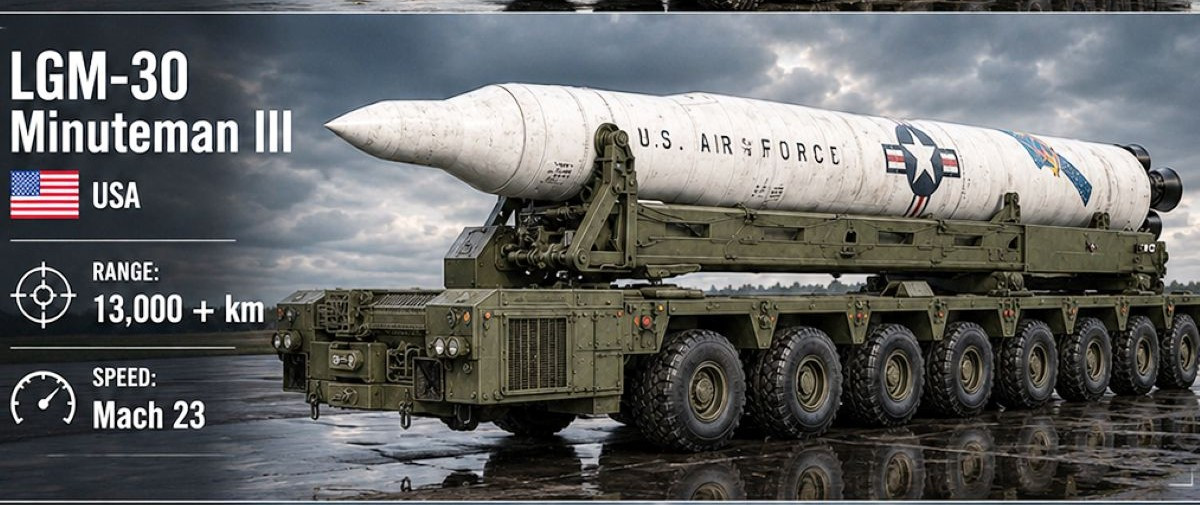
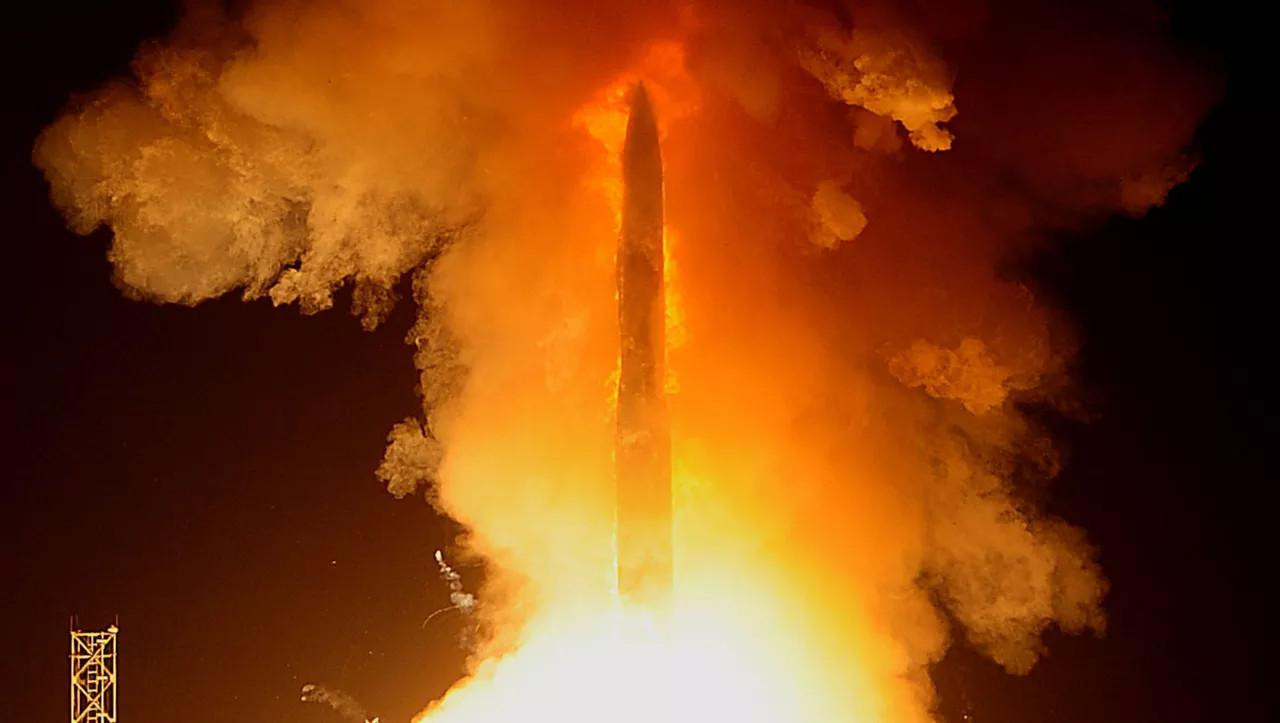
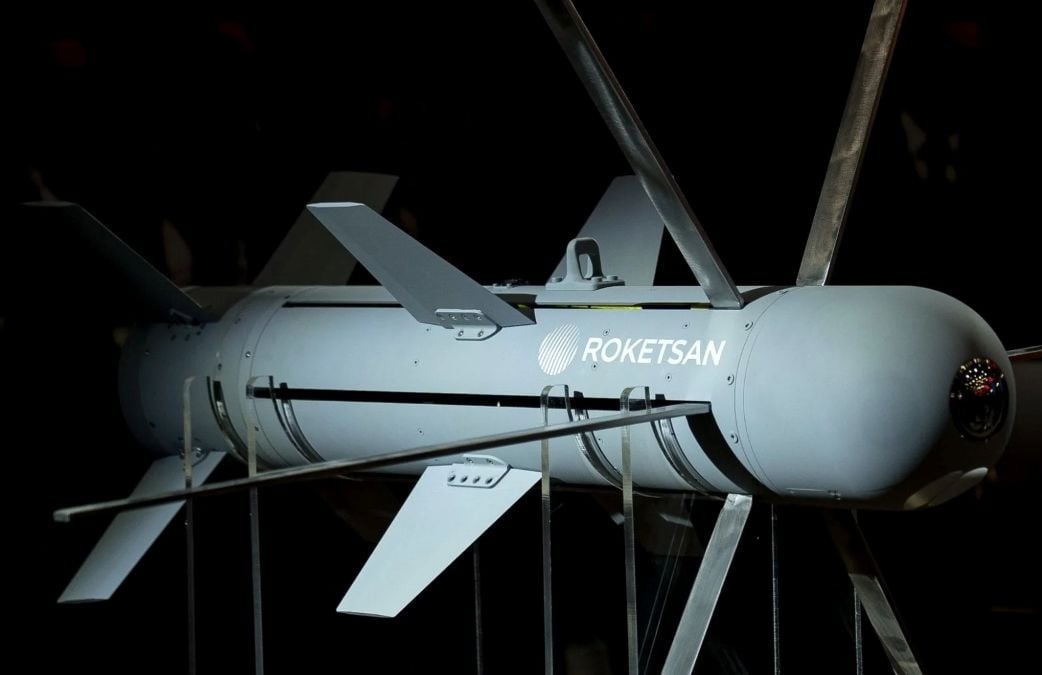
The Minuteman III missile is approximately 18.3 meters long, has a launch weight of about 36,000 kg, and a range of over 13,000 km. Its re-entry speed reaches Mach 23 (approximately 28,000 km/h).

Currently, each Minuteman III missile typically carries a single W78 or W87 warhead with an explosive yield of 300-475 kilotons, although it was initially capable of carrying three MIRV warheads.
The advanced inertial guidance system delivers a Circular Error Probability (CEP) accuracy of approximately 200 meters, one of the highest levels among silo-based ICBMs .
Thanks to upgrades to its engines, guidance systems, and communications, the Minuteman III missile has maintained exceptional reliability, becoming a symbol of the long-term stability and readiness of the U.S. nuclear forces.
In contrast, the Russian RT-2PM2 Topol-M missile stands out with its design emphasizing survivability and maneuverability. Developed after the collapse of the Soviet Union and put into service in the late 1990s, the Topol-M missile is 22.7 meters long, has a launch weight of 47,200 kg, a range of approximately 11,000 km, and a speed of Mach 22.
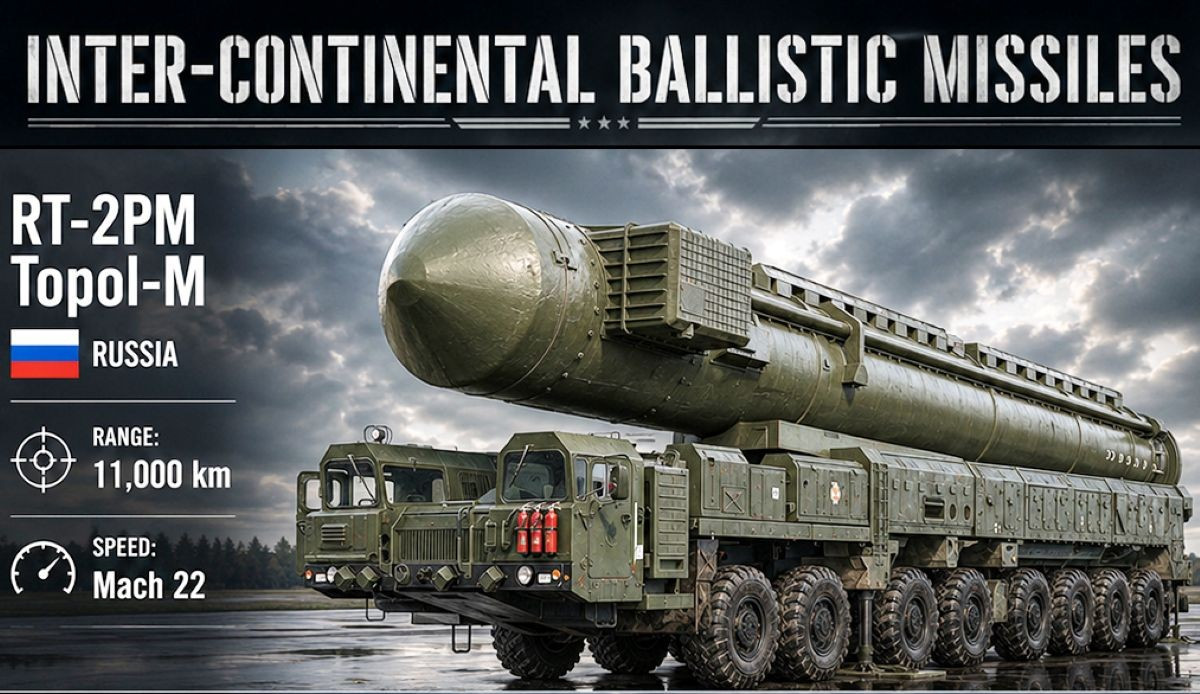
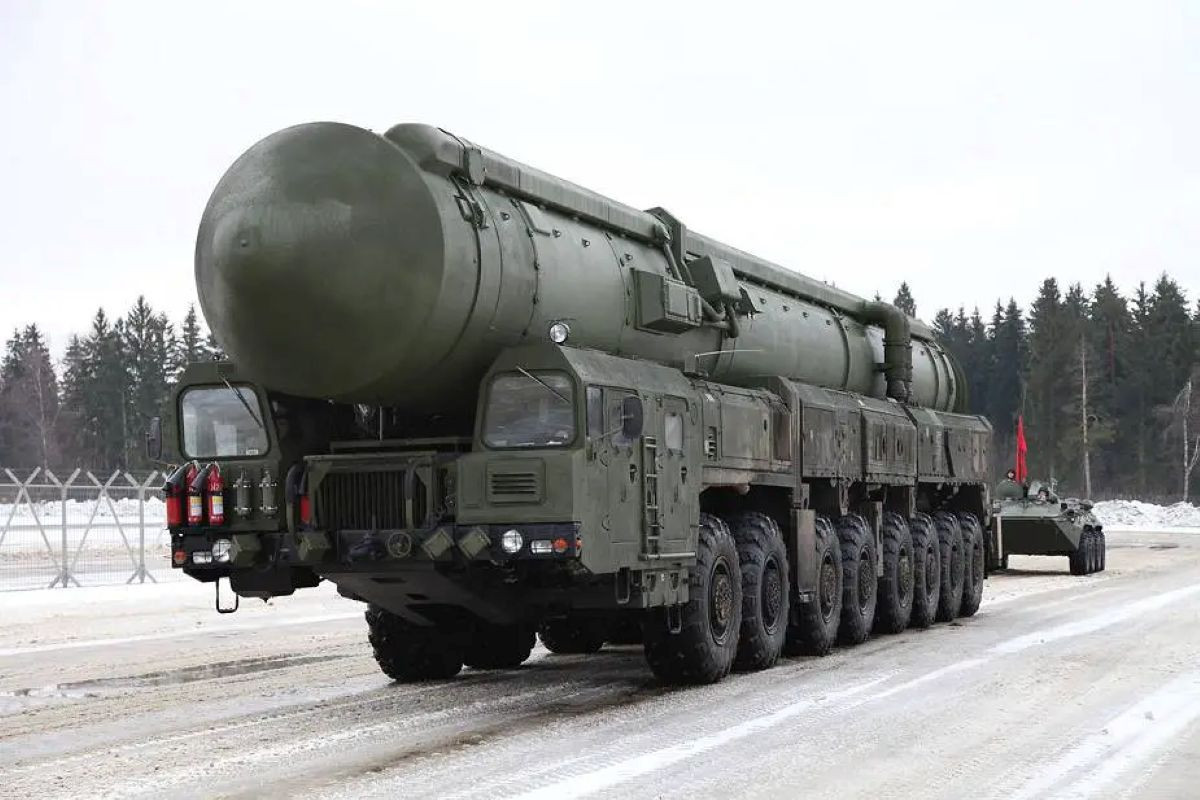
The Topol-M missile uses lightweight and durable carbon fiber composite materials, allowing for rapid acceleration during the boost phase and reducing the time it takes to be detected by satellites.

It can be deployed both from silos and 16-wheel (8-axle) road-launched mobile launchers (TELs), allowing for continuous movement across challenging terrain and launch from any location.
The primary warhead is usually a single projectile with an explosive yield of 550-800 kilotons, but the design allows for carrying 4-6 MIRV warheads along with decoys.
The GLONASS-integrated inertial guidance system achieves a Circular Error Probability (CEP) of approximately 200 meters. Topol-M is also renowned for its maneuverability in evading interceptor missiles and its ability to fly at lower trajectories, increasing the challenge for enemy defense systems.
China's DF-41 missile represents the latest generation, striking a perfect balance between range, power, and maneuverability. Deployed between approximately 2017 and 2019, the DF-41 is about 21-22 meters long and has a launch weight of up to 80,000 kg, making it the largest of the three types.
The DF-41 missile has an estimated range of 12,000-15,000 km and a re-entry speed of up to Mach 25. Its greatest strength is its ability to carry up to 10 independently targetable MIRV warheads, with a total payload of approximately 2,500 kg.
The inertial navigation system, combined with star updates and BeiDou, provides high accuracy, with a circular error probability (CEP) of approximately 100-150 meters.
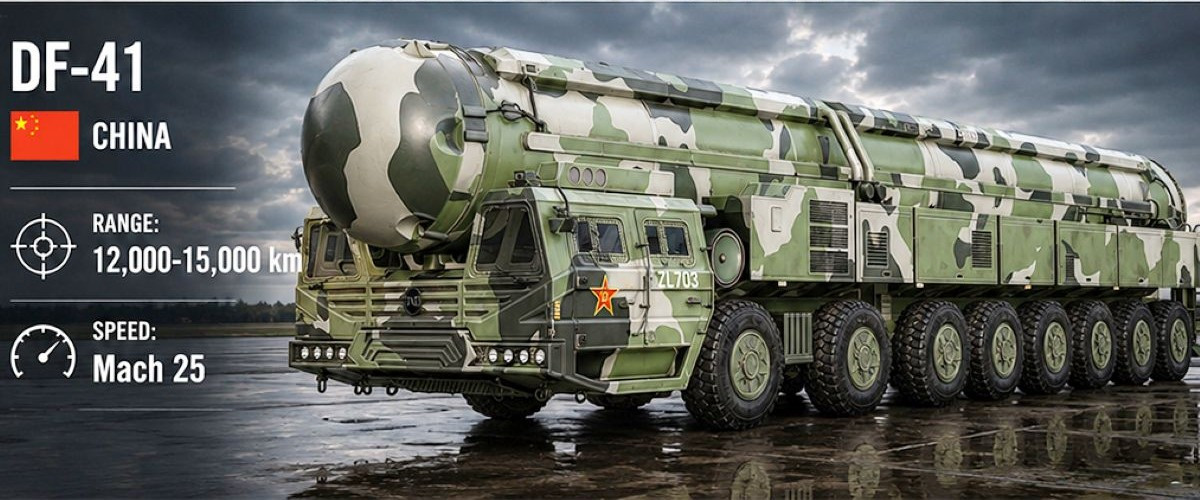
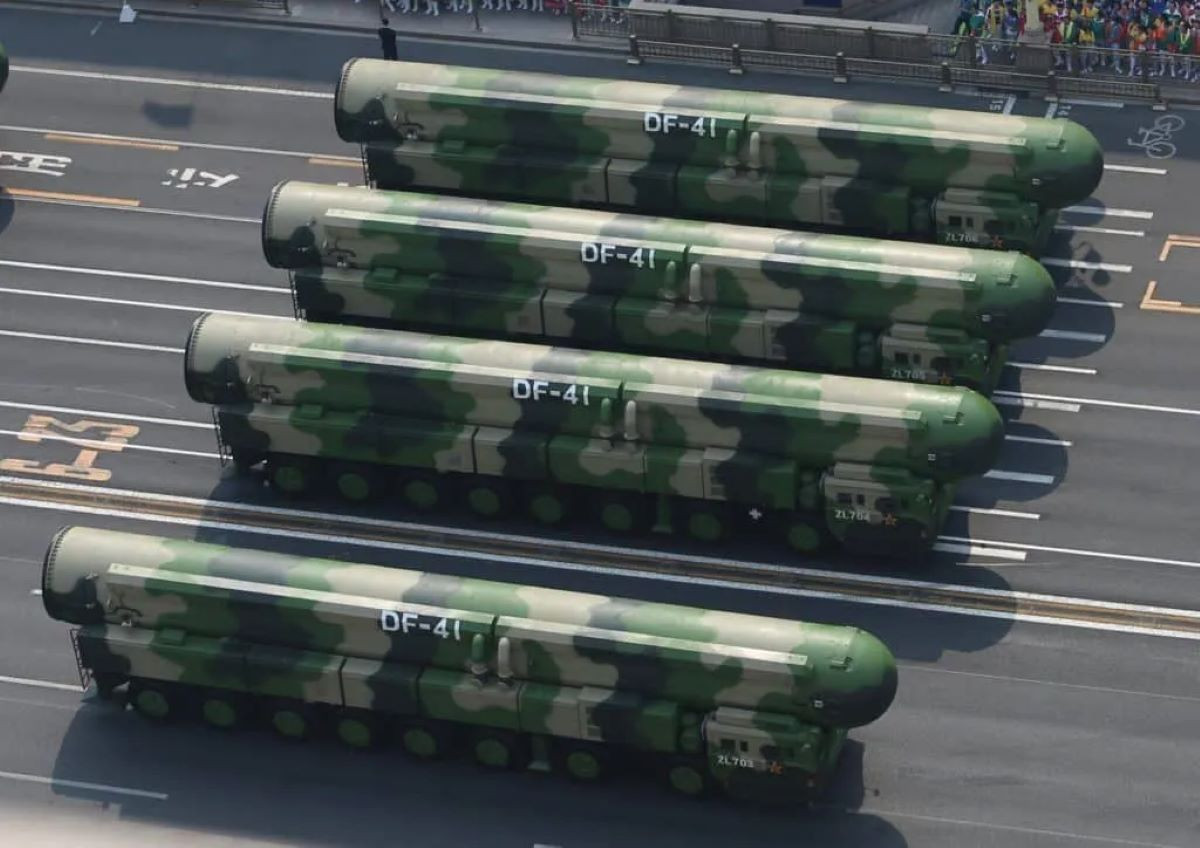
Like the Topol-M, the DF-41 is primarily deployed on mobile road-based (and possibly rail-based) launchers, allowing it to take cover within China's extensive tunnel system and terrain, significantly enhancing its survivability against a first strike.

Technologically, all three are superior to the previous generation thanks to stable solid fuel and advanced guidance. The Minuteman III missile demonstrates maturity gained through decades of upgrades, focusing on silo reliability and integrating a modern command network.
The Topol-M missile prioritizes evasive technology with high acceleration, composite materials, and a flexible trajectory. The DF-41 missile leads in MIRV payload and integrates national satellite navigation, reflecting China's strategy of rapidly expanding its nuclear forces.
While the Minuteman III missile represents long-term stability, the Topol-M and DF-41 missiles emphasize mobility to counter increasingly powerful missile defense threats.
Neither type is absolutely superior; each optimizes according to national strategic needs. The Minuteman III missile offers high accuracy and reliability from a fixed position.
The Topol-M missile enhances survivability during transit. The DF-41 missile provides the greatest multi-target attack power with exceptional maneuverability.
(According to missilethreat.csis.org, armyrecognition.com, cbsnews.com, airforcetimes.com, af.mil, missiledefenseadvocacy.org)
Source: https://vietnamnet.vn/ten-lua-topol-m-ten-lua-minuteman-iii-ten-lua-df-41-icbm-nao-giu-ngoi-vuong-2513866.html






























































































Comment (0)