

Seventy-nine years ago, on May 20, 1947, President Ho Chi Minh, along with the Central Committee of the Party and the Government, returned to the Định Hóa Resistance Zone to lead the resistance war against the French colonial invaders. Here, many historic decisions were made, leading to glorious victories for the nation. Today, that tradition continues to be preserved and promoted by the Party Committee, government, and people of Thái Nguyên in their journey to build a prosperous and civilized homeland.
 |
Building upon its revolutionary historical foundation, Thai Nguyen today is undergoing a powerful transformation on its new development journey. Revolutionary traditions, the spirit of self-reliance and resilience, and the will to overcome difficulties continue to be the driving force for the Party Committee, government, and people of the province to innovate their thinking and ignite the aspiration for rapid and sustainable development. |
"The capital of resistance" amidst the mountains and forests of Viet Bac
Nestled in the Viet Bac war zone, the Dinh Hoa ATK (Anti-French Resistance Zone) boasts the tranquil charm of a rural countryside, with houses nestled against mountain slopes, palm-covered hills, and lush green forests year-round. This very place became the nerve center of the resistance against French colonialism during the most challenging years of the nation's history.
The choice of Dinh Hoa as the ATK (Resistance Zone) demonstrated the strategic vision of the Party and President Ho Chi Minh . Its rugged terrain, advantageous for protecting the resistance's headquarters, combined with the patriotic tradition and the spirit of mutual support among the people of various ethnic groups, created a solid "people's support" base. The people of Thai Nguyen province sheltered cadres, protected secrets, and shared food and clothing with the resistance, demonstrating unwavering loyalty to the Party and President Ho Chi Minh.
Among historical landmarks, Khau Ty is considered the first "Presidential Palace" of the Democratic Republic of Vietnam in the Dinh Hoa Resistance Zone. Seventy-nine years ago, on the night of May 19th and the early morning of May 20th, 1947, President Ho Chi Minh, along with eight security guards, arrived in Diem Mac commune (now Phu Dinh commune).
He stayed at the stilt house of Mr. Ma Dinh Tuong, former Chairman of the Resistance Administrative Committee of Dinh Hoa district. The next day, Uncle Ho moved to a small hut on top of Khau Ty hill, where he lived and worked from May 20 to November 1947.
 |
| The Khau Ty Hill historical site in Phu Dinh commune – where President Ho Chi Minh lived and worked during the resistance war against French colonialism – is a "red address" for educating future generations about revolutionary traditions. Photo: Provided. |
During the period 1947-1954, President Ho Chi Minh, along with the Central Committee of the Party and the Government, lived and worked in various locations in the Dinh Hoa Resistance Zone, leading the resistance war against French colonialism to victory.
From the Viet Bac base, many strategic decisions were made, such as directing the crushing of the 1947 Autumn-Winter offensive; launching the Border, Hoa Binh, and Northwest campaigns, gradually changing the battlefield situation. In particular, on December 6, 1953, at the Tin Keo hut, the Politburo decided to launch the Dien Bien Phu Campaign, achieving a victory that "shook the world and resonated across continents," forcing the French colonialists to sign the Geneva Accords…
The Định Hóa Resistance Zone is therefore a symbol of the national will for independence, the spirit of self-reliance and self-strength, and the power of national unity. Every hut, stream, and hill is associated with the difficult yet heroic years of the resistance war.
In the memories of the local people, President Ho Chi Minh always appears as a simple, approachable figure. From his simple lifestyle and attentive demeanor to his concern for the people's lives, he always reminded cadres to respect the people, be close to the people, maintain unity, and fight against bureaucracy and formalism. These teachings remain just as valuable today in the work of building the Party and the political system.
After the Central Committee of the Party and the Government returned to Hanoi, President Ho Chi Minh always paid deep attention to the Party Committee, the government, and the people of Thai Nguyen province. He returned seven times to visit and encourage cadres, workers, and people in the province, urging the locality to uphold revolutionary traditions, compete in labor and production, and build a new life.
 |
| The province's infrastructure system, especially transportation infrastructure, is being gradually invested in a comprehensive and modern manner, meeting the needs of socio-economic development. |
During his last visit to Thai Nguyen (January 1, 1964), President Ho Chi Minh was delighted by the changes in the province, and emphasized that Thai Nguyen had many favorable conditions to become one of the richest and most prosperous provinces in the North. Even when he couldn't visit in person, he regularly monitored the local situation, praised the achievements, and pointed out the shortcomings that needed to be overcome...
Continuing the tradition, fostering the aspiration for development.
Building upon its revolutionary history, Thai Nguyen today is undergoing a powerful transformation on its new path of development. The revolutionary tradition, the spirit of self-reliance and resilience, and the will to overcome difficulties forged in the former ATK (Revolutionary Base Area) continue to be the driving force for the Party Committee, government, and people of the province to innovate their thinking and awaken the aspiration for rapid and sustainable development.
Over the years, the study and emulation of Ho Chi Minh's ideology, ethics, and style have been implemented by the Thai Nguyen Provincial Party Committee in conjunction with political tasks and practical requirements at the grassroots level. The spirit of learning from and following Uncle Ho has been gradually concretized through practical actions, from reforming public service styles to enhancing responsibility in serving the people.
 |
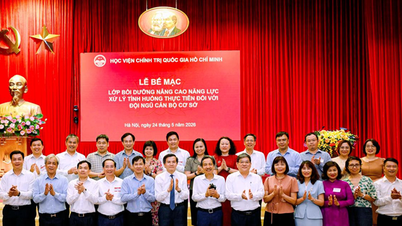
| Leaders of the Vietnam General Confederation of Labor presented Certificates of Commendation to outstanding collectives and individuals of the province for their achievements in studying and following the ideology, ethics, and style of Ho Chi Minh. Photo: Provided. |
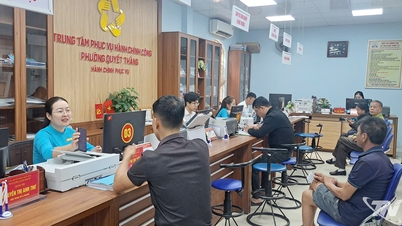
Administrative reform, digital transformation, and improving the quality of service to citizens and businesses have been identified by the province as key tasks. Alongside this, administrative discipline and order continue to be strengthened, and officials and civil servants are required to enhance their responsibility, using citizen satisfaction as a measure of work efficiency.
From a province facing many difficulties, Thai Nguyen has risen to become a center of industry, education, healthcare, and digital transformation in the northern mountainous region of Vietnam.
The infrastructure system continues to receive synchronized investment; many large projects create new growth drivers; and the material and spiritual lives of the people are increasingly improved. In recent times, the province has commenced and implemented many key projects in transportation and industrial infrastructure, creating a foundation for long-term development.
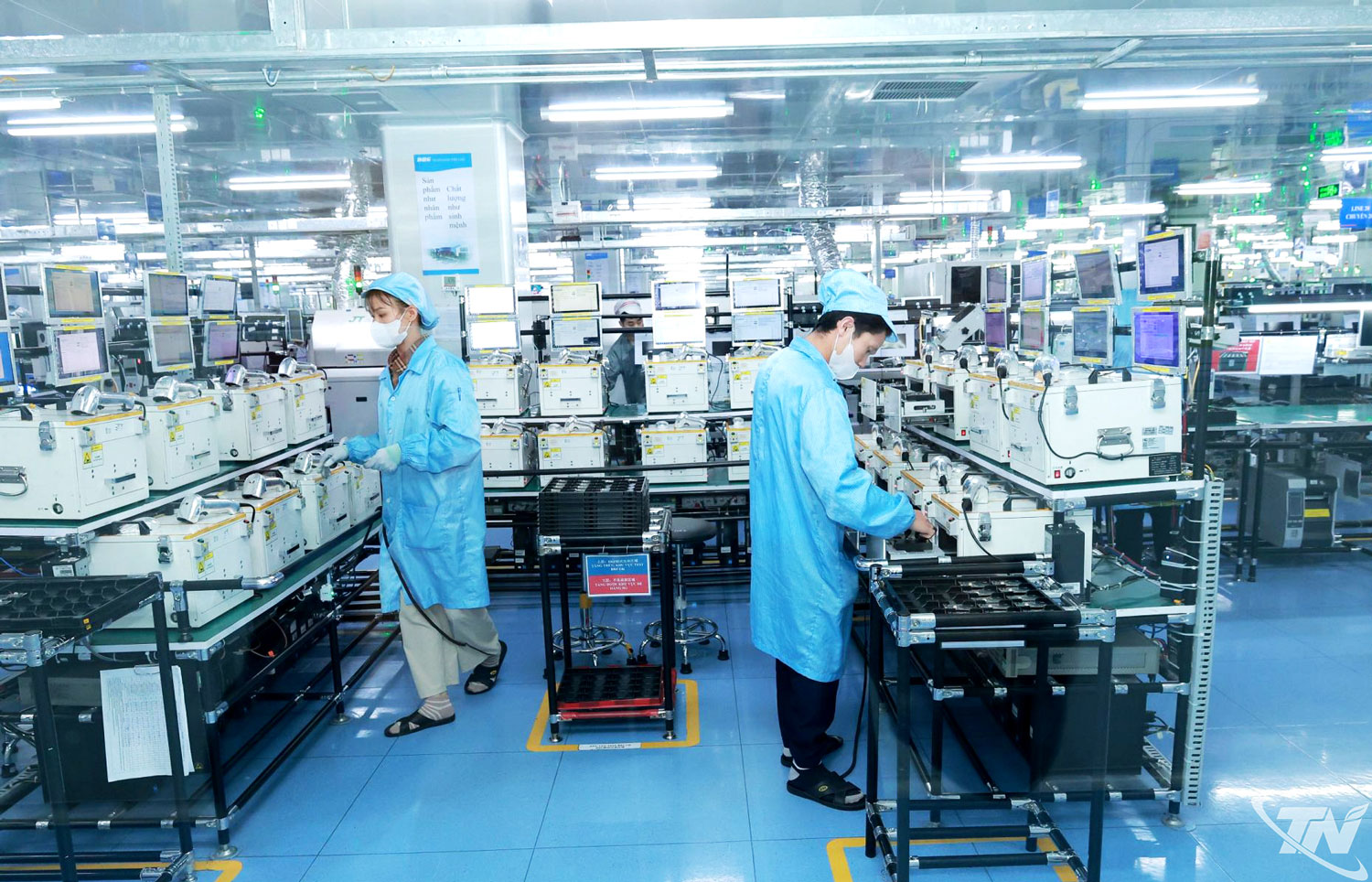 |
| In just about a decade, the economic structure of Thai Nguyen province has shifted dramatically towards industrialization. By 2024-2025, the industrial and construction sector is expected to account for over 54% of the province's GRDP. (Photo: Provided) |
Notably, in the first four months of 2026, Thai Nguyen achieved a growth rate higher than the national average, leading in attracting foreign investment with over 5.7 billion USD; total import and export turnover reached over 20 billion USD, with a trade surplus of approximately 4.3 billion USD... These results further affirm Thai Nguyen's position and new development landscape, creating an important foundation for the goal of rapid and sustainable growth.
Along with economic development, the province pays great attention to preserving and promoting historical and cultural values. The system of revolutionary historical relics is restored and renovated; traditional education activities, visits to historical sites, and political activities are organized regularly, contributing to fostering patriotism and national pride in the younger generation.
The commemoration of the 136th anniversary of President Ho Chi Minh's birth and the 79th anniversary of President Ho Chi Minh, along with the Central Party Committee and the Government, returning to the Định Hóa Resistance Zone to lead the resistance war against French colonial aggression is also an opportunity for each cadre and Party member to reflect on their responsibilities in the face of new development requirements.
Inspired by President Ho Chi Minh's spirit of dedication and closeness to the people, the current requirement is to build a team of cadres who dare to think, dare to act, dare to take responsibility, and act for the common good. At the same time, it is necessary to continue improving the effectiveness of serving the people, linking public service responsibility with people's satisfaction, thereby creating a clear transformation in the implementation of tasks at the grassroots level.
 |
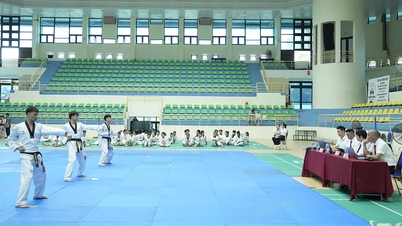
| The University of Industrial Technology (Thai Nguyen University) offers many majors and training programs that are in line with social needs, development orientations, and technological trends, such as: Automation, mechatronics, semiconductors, etc. |
The country is entering an era of self-improvement, coupled with the need to reorganize development space, streamline the administrative apparatus, enhance management efficiency, and promote new growth poles. The nation's aspiration for self-improvement is strongly awakened, accompanied by a determination to innovate development thinking, leverage internal strengths, seize opportunities, and create breakthroughs in rapid and sustainable growth.
In that process, Thai Nguyen, after merging with Bac Kan, has expanded its development space and is now facing a new level, converging in scale, resources, and room for breakthroughs, becoming an important growth pole of the northern midland and mountainous region.
On that foundation, President Ho Chi Minh's ideology, ethics, and style continue to guide and direct the country's development today. As General Secretary and President To Lam emphasized in his article "The Light of Ho Chi Minh Guides Our Way": "...When the country faces the demand to rise strongly, enhance its strategic self-reliance, and catch up with the development trends of the times, Ho Chi Minh's ideology becomes an even more crucial spiritual anchor, a foundation of thinking, and a decisive direction for action."
From that understanding, each official and Party member becomes even more aware of their responsibility to strive, maintain their integrity, awaken aspirations and take practical actions, contributing to building a more prosperous, civilized, and modern homeland.
Source: https://baothainguyen.vn/chinh-polit/202605/thai-nguyen-khac-ghi-loi-bac-1711366/































































Comment (0)