

On the occasion of the 140th anniversary of Emperor Ham Nghi's Can Vuong Edict (1885-2025), on December 7, the Hue Monuments Conservation Center organized the program "Can Vuong Spirit".
The event aims to educate the tradition of patriotism, indomitable spirit and arouse national pride for the young generation, while creating a playground combining learning - experience - exercise for students, contributing to promoting the role of schools and museums in heritage education and fostering national pride.
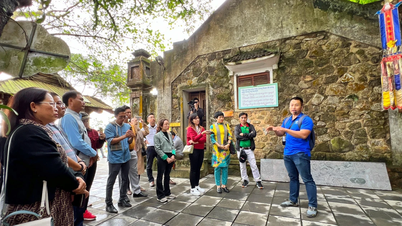
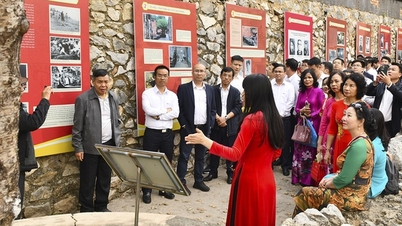
At the program, 160 students from Thong Nhat and Tran Cao Van Secondary Schools visited and learned about King Ham Nghi, and participated in experiential activities such as "Passing the royal decree" and "Who is a wise historian?".
Mr. Hoang Viet Trung, Director of the Hue Monuments Conservation Center, said that on July 13, 1885, after the fall of the capital, Emperor Ham Nghi left the capital for Tan So and issued the Can Vuong Edict, calling on literati, scholars and people to rise up to save the country.
That edict became a sacred call, fueling the will and desire for independence of the entire nation.
Under the Can Vuong flag, the movement quickly spread, gathering great names such as Tong Duy Tan, Dinh Cong Trang, Le Truc, Phan Dinh Phung…, becoming symbols of loyalty, patriotism and Vietnamese spirit. Although unsuccessful, the movement left an immortal spiritual legacy of the will to protect national sovereignty .
Emperor Ham Nghi, whose real name was Nguyen Phuc Ung Lich, was the fifth son of King Kien Thai Nguyen Phuc Hong Cai and Mrs. Phan Thi Nhan, the younger sister of King Dong Khanh and King Kien Phuc. He was born on August 3, 1871.
After the fall of the Capital in 1885, on July 13, 1885, from Tan So, the king issued the Can Vuong Edict (official name is the World Can Vuong Edict) calling on the people to rise up and help the king save the country in order to "turn chaos into order, turn danger into safety, reclaim land, and restore the borders".
Responding to King Ham Nghi's call, the Can Vuong movement spread widely across the provinces from Central to Northern Vietnam. Many uprisings broke out strongly, creating a vibrant picture of resistance across the country.
On October 29, 1888, Emperor Ham Nghi was arrested and exiled by the French colonialists to Algiers (Algeria, North Africa). After a period of exile in a foreign land, the former emperor died of stomach cancer in 1944 and was buried in the Gia Long villa on El Biar hill, the capital of Algiers./.
Source: https://www.vietnamplus.vn/thanh-pho-hue-giao-duc-long-yeu-nuoc-qua-hinh-anh-vua-ham-nghi-post1081526.vnp





































































Comment (0)