

This causes the hair roots to become dry and lose their natural shine. In addition, anemia also disrupts the natural hair growth cycle, leading to increased hair loss.
- Symptoms of hair loss due to anemia
- How to improve hair loss caused by anemia
- 1. Nutritional supplementation
- 2. Change your lifestyle habits.
- 3. Use of medication and treatment of medical conditions
In addition, people should understand the causes of anemia in order to supplement it in time and prevent more serious problems with overall health. Some of the main causes of anemia include a diet lacking in nutrients, especially iron; digestive disorders, diabetes; menstruation in women, and women who are pregnant or breastfeeding.
Symptoms of hair loss due to anemia
Hair loss due to anemia is commonly seen in some people who experience prolonged stress, cardiovascular disease, rheumatoid arthritis, kidney disease, HIV/AIDS, or digestive problems. People can recognize hair loss due to anemia by the following symptoms:
- The hair is thin, weak, dry, and damaged;
- Significant hair loss causes the hairline to be pulled up;
- New hair grows slowly, with many baby hairs sprouting haphazardly on the head;
- The scalp is pale, with exposed skin on the forehead and temples.
Other symptoms of anemia include pale skin, dizziness, headache, loss of balance, shortness of breath, rapid heartbeat, etc.
How to improve hair loss caused by anemia
Hair loss due to anemia is usually temporary and can be improved by applying some of the following methods:
1. Nutritional supplementation
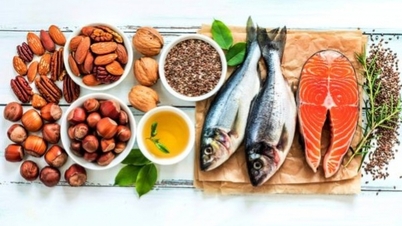
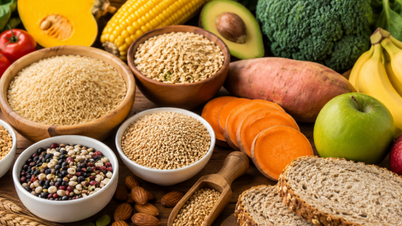
A nutritious diet promotes blood production in the body, thereby increasing blood supply to the hair and making it stronger. Therefore, everyone should include the following foods in their daily diet:
- Iron-rich foods such as spinach, lentils, and cauliflower are very good for the blood.
- Protein-rich foods such as organ meats and red meat provide energy to nourish the body.
- Foods rich in Omega-3 fatty acids that help prevent blood clotting include salmon, herring, sardines, seaweed, cod, etc.
- Nuts contain large amounts of polyphenols, such as cashews, walnuts, soybeans, green beans, cocoa, etc.
- Foods rich in vitamin B12, folate, and magnesium include egg whites, avocado, asparagus, bell peppers, papaya, etc.
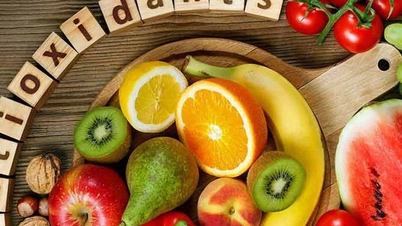
- Drinking plenty of fluids, including fruit juices and smoothies, helps improve blood circulation.
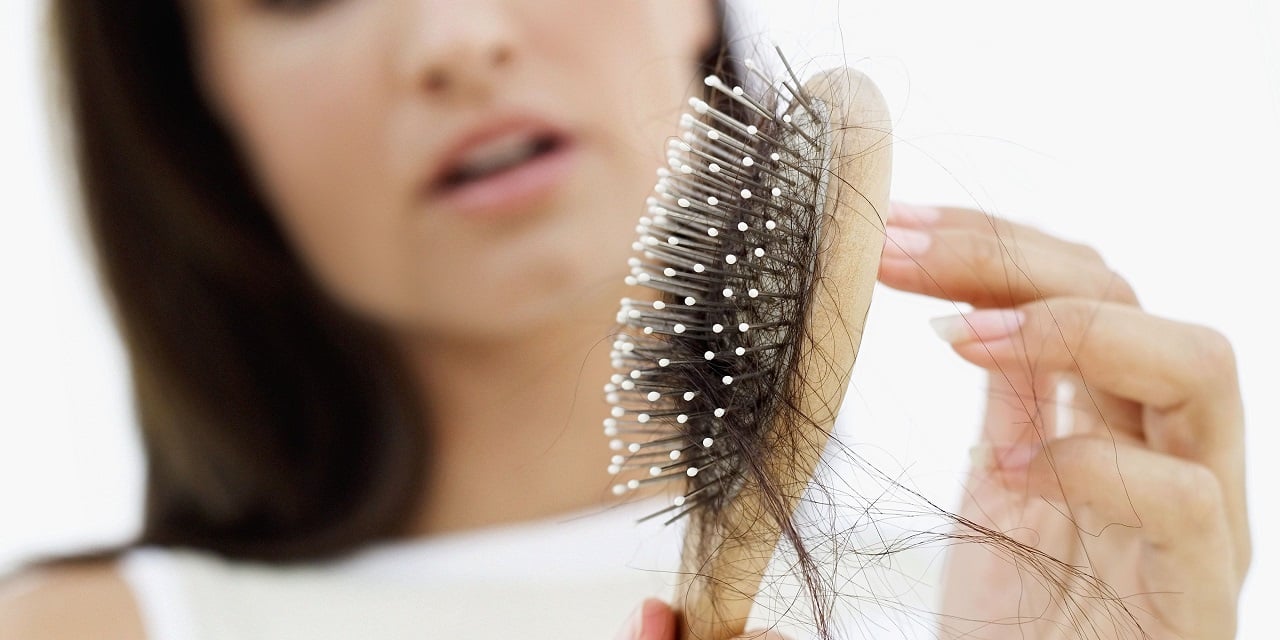
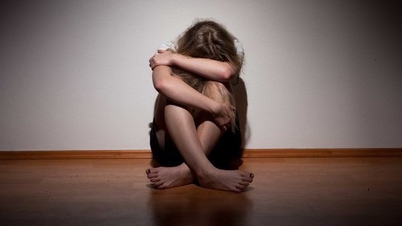
Anemia can increase the risk of hair loss.
2. Change your lifestyle habits.
In conjunction with a scientifically sound diet, building a healthy lifestyle is also crucial to addressing hair loss caused by anemia. Specifically, people should pay attention to the following:
- Regular exercise improves blood circulation.
- Avoid staying up late and get enough sleep to allow blood cells time to regenerate.
- Maintain a relaxed state of mind, try yoga or meditation exercises, participate in recreational activities, etc.
- Limit the use of stimulants and smoking, as these negatively affect the blood-forming process.
Gentle hair care: Avoid tying your hair too tightly, and limit the use of heat or styling chemicals. Recovery time: Hair usually begins to regrow after 3-4 months once the anemia is resolved.
3. Use of medication and treatment of medical conditions
In cases of hair loss due to anemia stemming from an underlying medical condition, it is necessary to consult a specialist to determine the condition and prescribe appropriate medication. Additionally, it is advisable to consult a doctor about iron supplements, especially for pregnant women, who should exercise caution before using them.
In summary, anemia causing hair loss is a phenomenon with many potential health risks. If you experience significant and frequent hair loss, you should see a doctor for diagnosis and advice on how to improve the situation from specialists.
Source: https://suckhoedoisong.vn/thieu-mau-co-gay-rung-toc-khong-169260510173804802.htm




























































































Comment (0)