

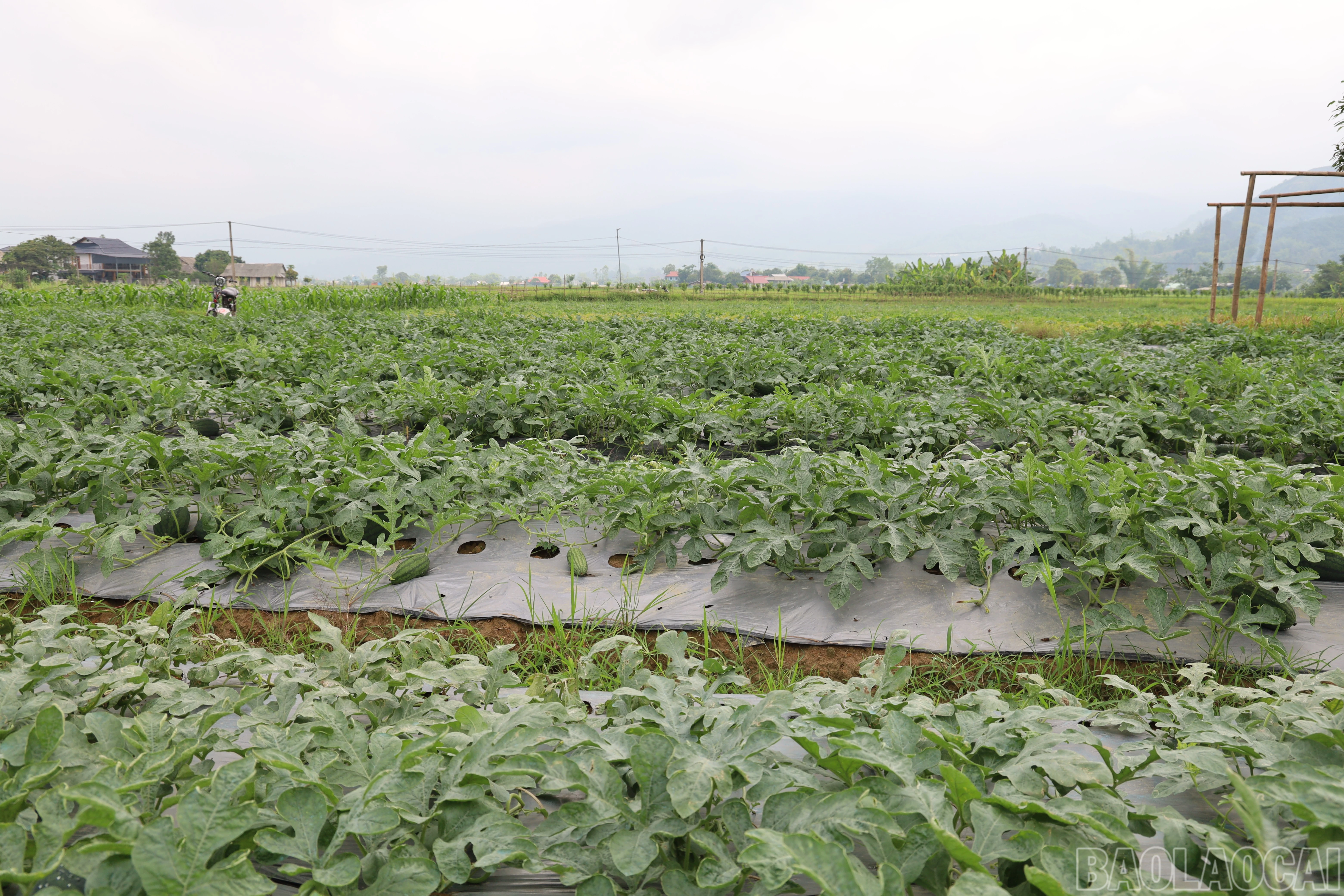
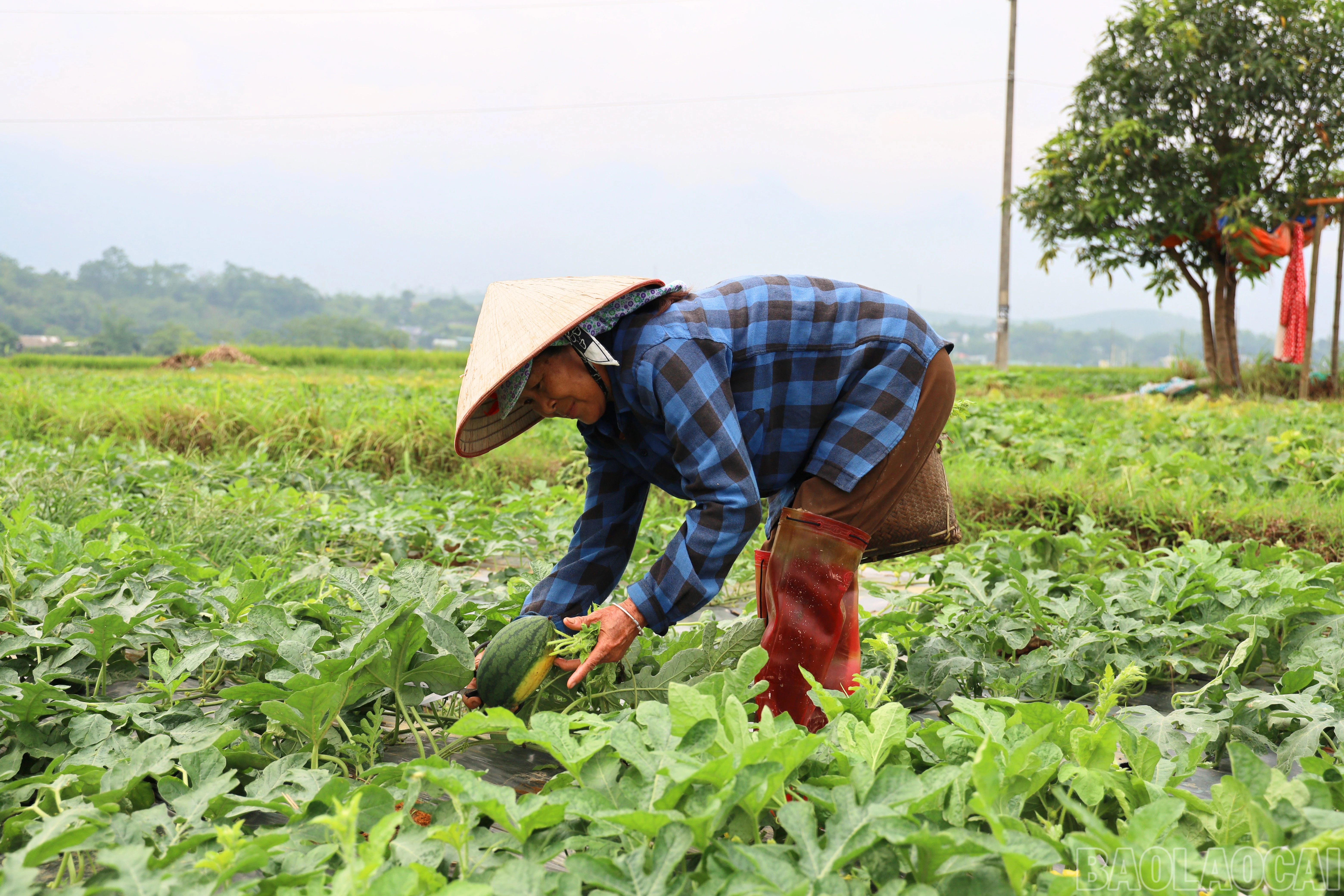
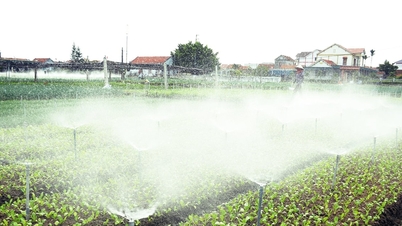
These days, watermelons are in harvest season. On Mrs. Inh's family's fields, watermelons are planted in successive crops. When one field of watermelons is harvested, the next field is already flowering, ready for the next crop. Thus, successive crops follow one another within a season, and then successive crops follow throughout the year. Mrs. Inh and her family members are always busy and diligently working in the fields.
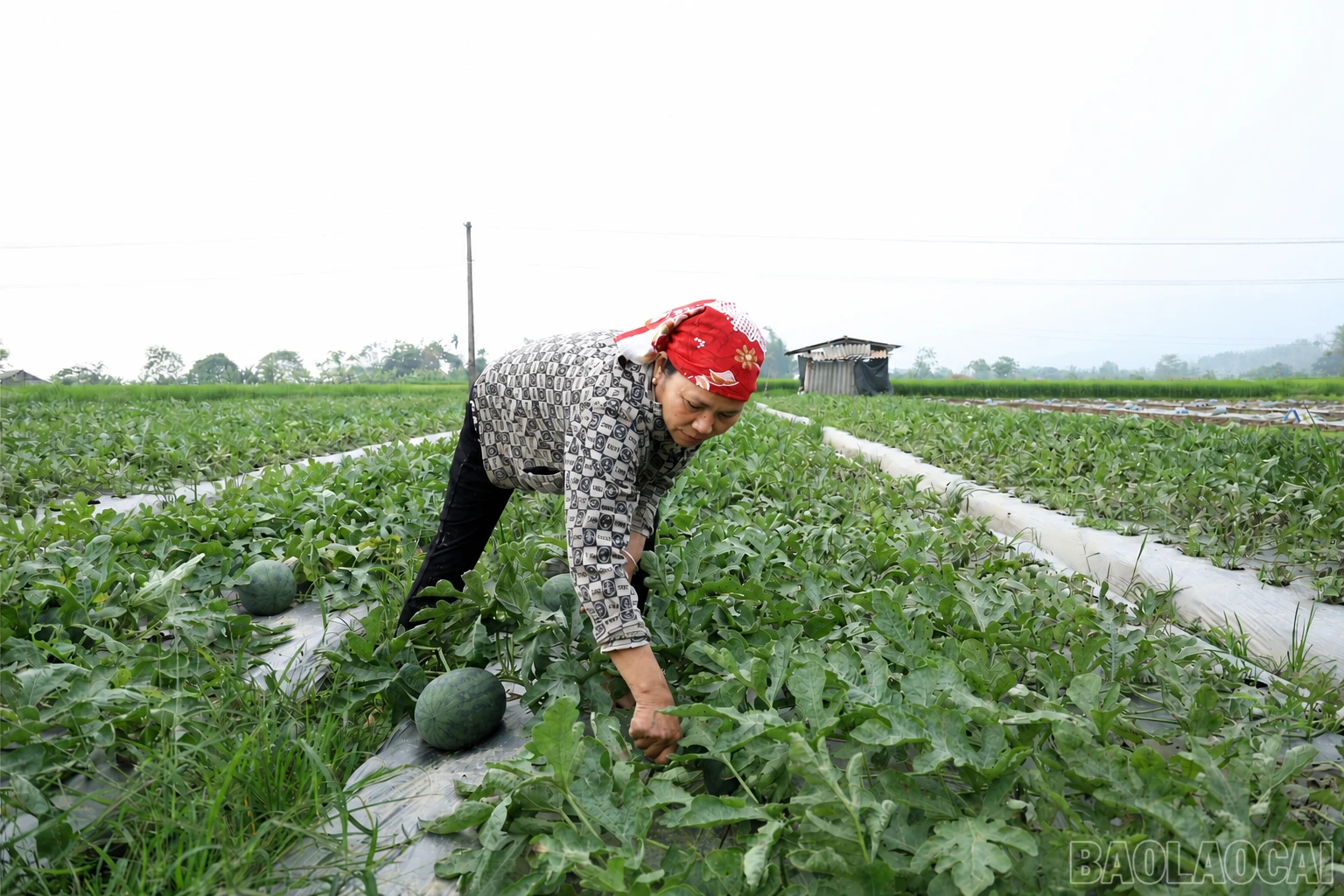
Ms. Inh said: "Rice cultivation is hard work and doesn't bring in much income, so when I saw many households in some surrounding areas successfully growing watermelons, I went to learn from them and boldly started gradually converting my rice cultivation area to watermelon cultivation."
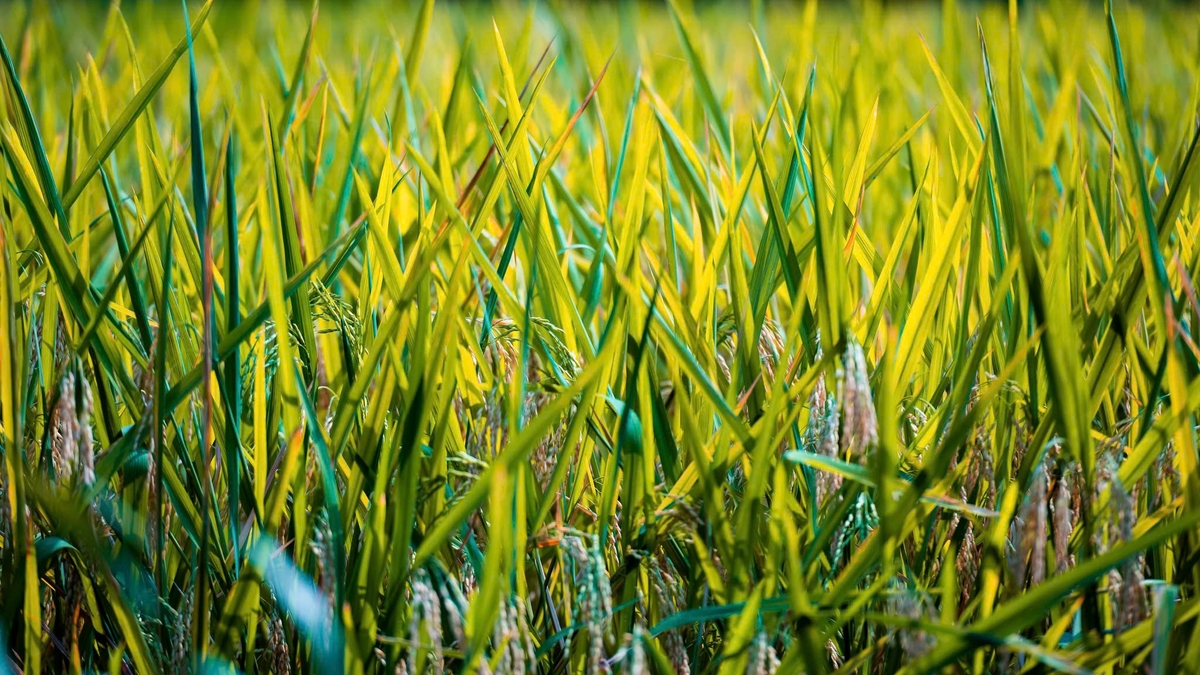
Mrs. Inh's family was one of the earliest watermelon growers in the Nam Han Thuong residential area. After experimenting on a small area and seeing the positive results, her family converted all 3,000 m² of their rice paddy land to watermelon cultivation.
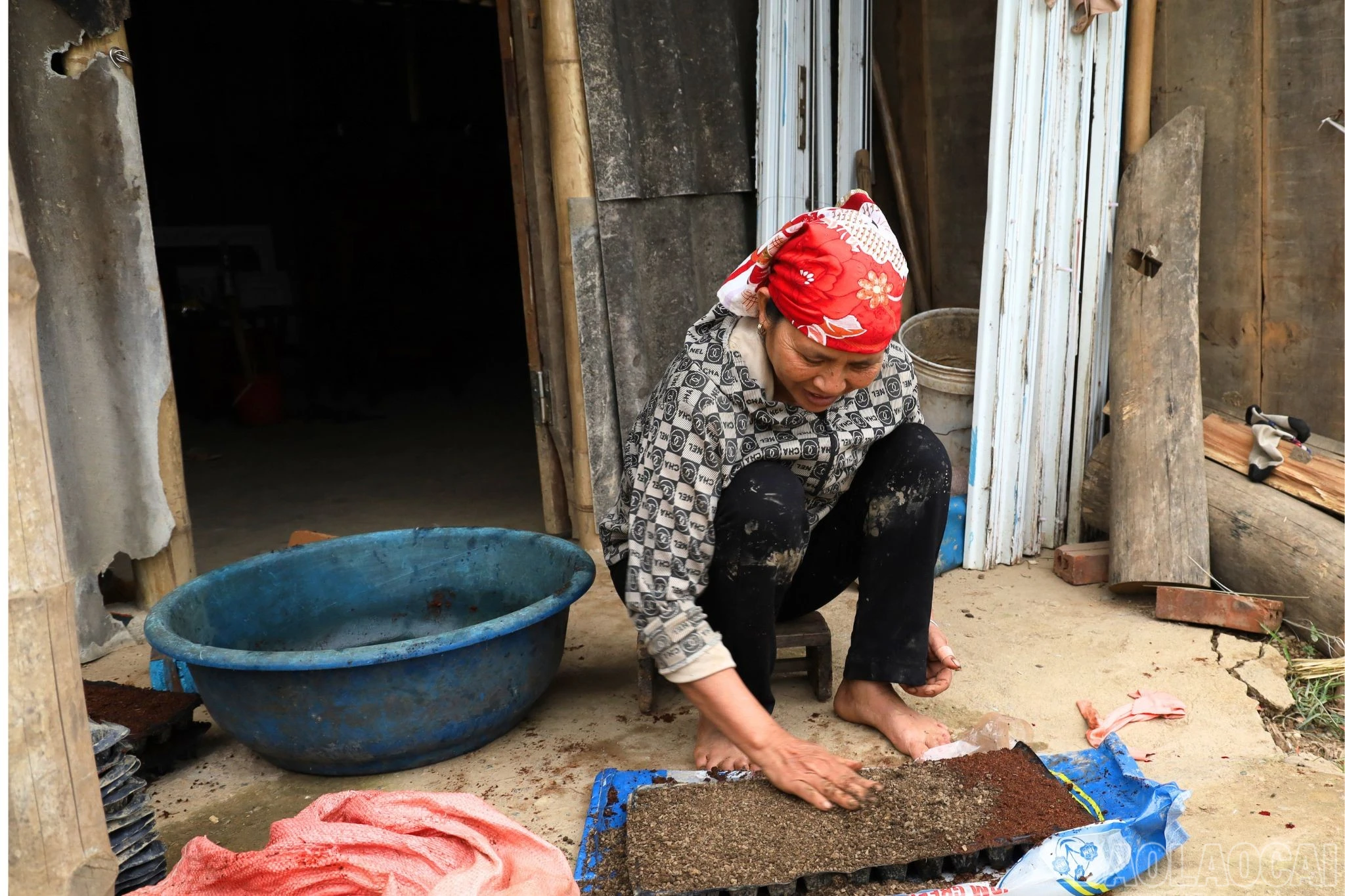
Currently, all five members of Ms. Inh's family are focused on growing melons, diligently working from seedling preparation to soil care, planting, and plant maintenance. In particular, they manually pollinate the plants when they flower to ensure a high fruit set rate.
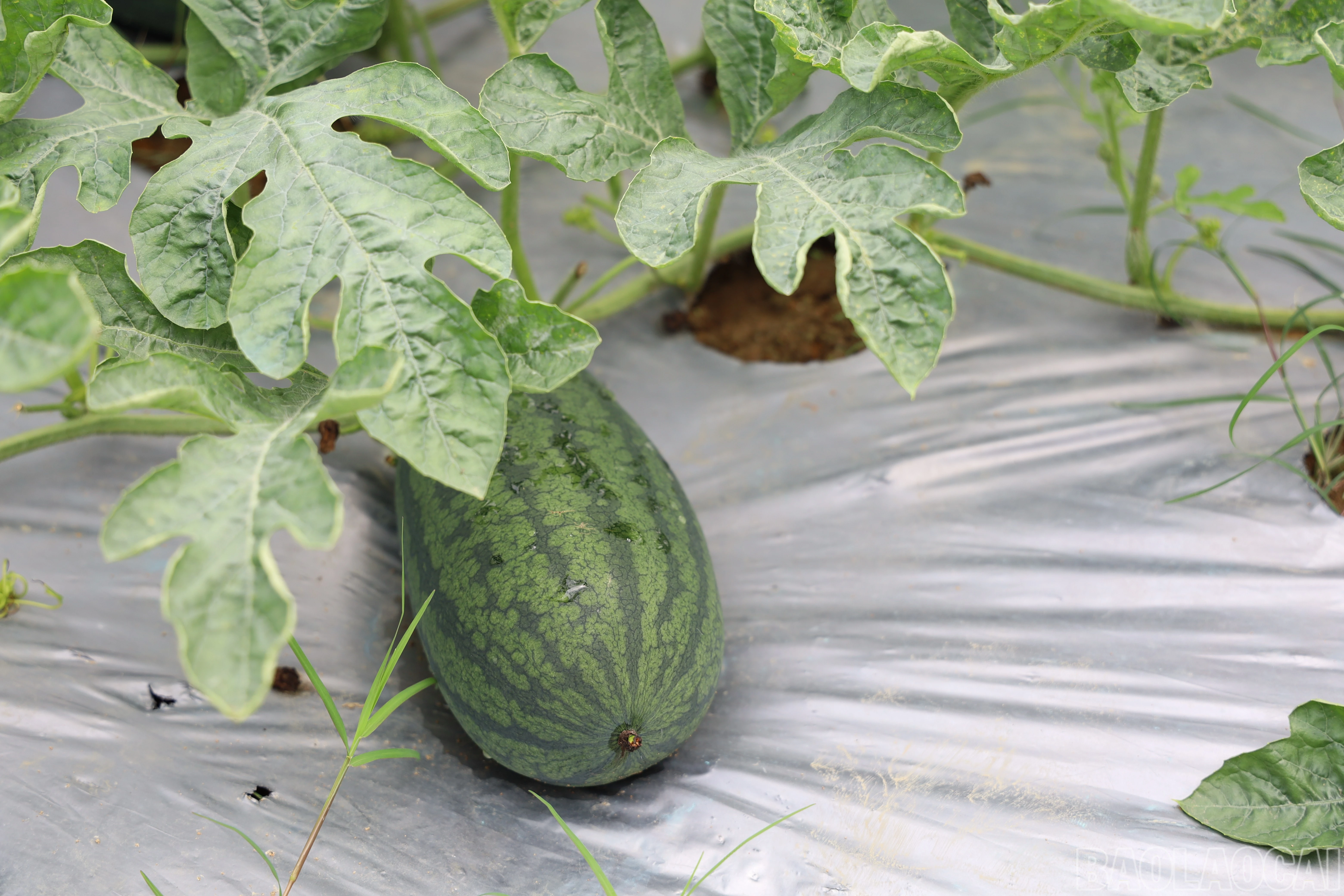
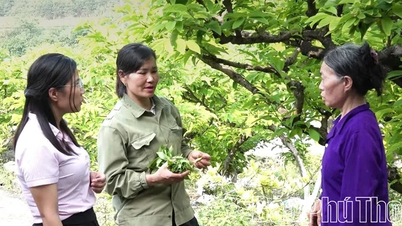
By now, Mrs. Inh has mastered watermelon cultivation techniques through practical experience and learning from other watermelon growers in and outside the area: Whenever it rains, she covers the pollinated flowers with plastic cups. When the plants bear fruit, she thins out the fruit, leaving only one fruit per plant. She also uses plastic mulch to limit weeds, retain soil moisture, regulate temperature, and keep the fruit clean.
Like many other crops, watermelons are highly dependent on weather conditions. In particular, watermelon plants need plenty of sunshine to thrive. Therefore, growers must closely monitor weather developments to implement appropriate care measures.
"When growing watermelons, we just hope for less rain and more sunshine so that the plants can have a good harvest," Mrs. Inh shared, further revealing the simple yet practical wishes of farmers.
Thanks to the application of proper techniques and careful cultivation, Mrs. Inh's family's melon farming model has yielded high economic returns. Each year, on their rice fields, her family grows three crops of melons and also plants corn.
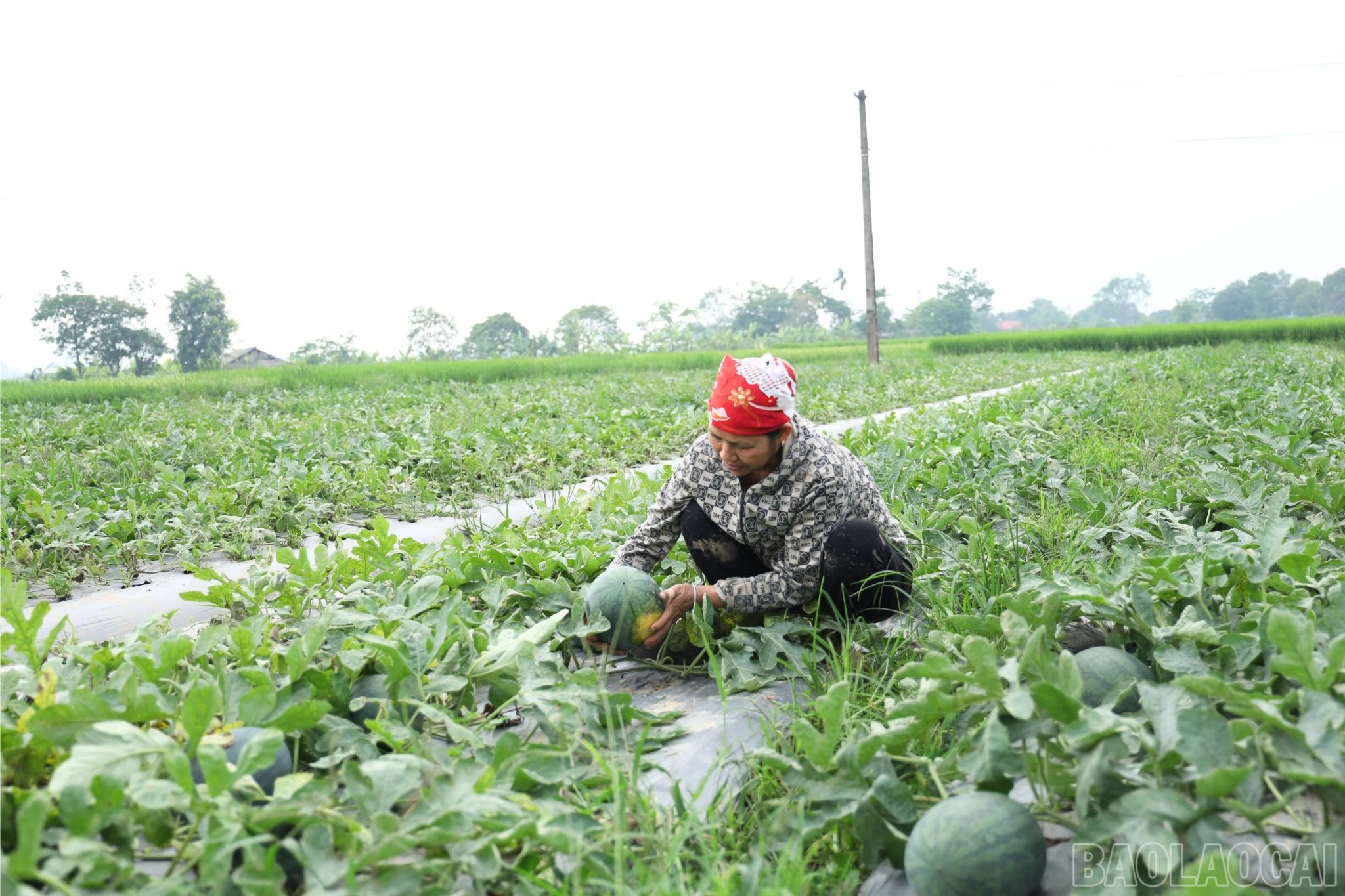
"Each melon crop brings in about 70-90 million VND, depending on yield and price. In a year, if the weather is favorable and prices are stable, it can reach over 250 million VND, 3.4 times more than growing rice," Mrs. Inh happily shared.
With this income level, the family's living standards have improved significantly, allowing them to invest further in production and enhance their quality of life.
Many households in the Nam Han Thuong residential area have adopted Mrs. Inh's melon farming model. This shift in crop structure not only helps increase income for individual households but also contributes to a positive transformation of the local agricultural production landscape.
Ms. Phung Thi Ha, from Nam Han Thuong residential area, said: "I saw that Ms. Inh and some other households were growing melons effectively, bringing in higher income than rice cultivation, so I also decided to grow melons on 1,000 square meters a few years ago. I learned about growing and caring for melons from Ms. Inh's household, so the melons have a good yield and provide a better income than rice cultivation."
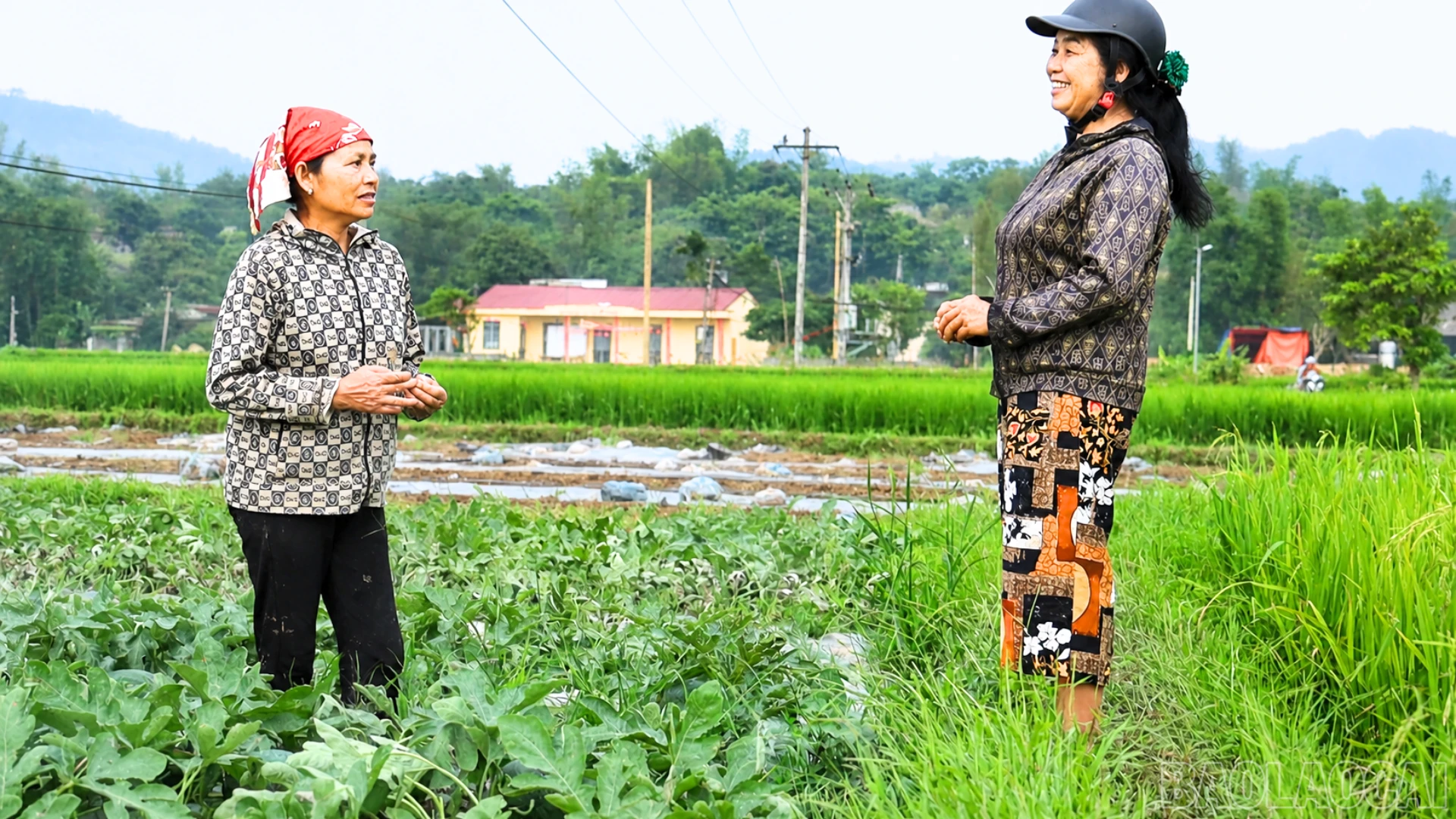
Ms. Ha Thi Tinh, Head of the Women's Association of Nam Han Thuong residential area, also commented: "Ms. Inh's melon farming model is very effective. We have disseminated this information to the women in our association, and so far, 5-6 female members have learned from her and switched to growing melons, all of which have brought them better income than before."
In reality, the shift from rice cultivation to watermelon farming in Nam Han Thuong residential area has proven to be a suitable direction, yielding clear economic benefits. The bold innovation of pioneering households like Mrs. Inh's family has contributed to changing the crop structure in the area. The "sweet fruits" of today are not only the result of hard work and diligence but also proof of the farmers' flexible production mindset and adaptability to local conditions.
Source: https://baolaocai.vn/thu-trai-ngot-tu-can-cu-lao-dong-post898996.html

















































































Comment (0)