

Technical breakthrough
After more than 16 years of commercial operation, the engineering team of Binh Son Refining and Petrochemical Joint Stock Company ( BSR ) has completely mastered modern refining and petrochemical technology, from operation, maintenance to process optimization. In particular, Master Le Quoc Viet is one of the typical faces, who proposed the implementation of the solution "Changing the operating mode of the LCO-HDT workshop and blending diesel products to save energy", helping to bring economic efficiency of billions of dong to the factory, contributing to affirming the bravery and intelligence of BSR.
Having joined BSR since the factory's trial run, Master Le Quoc Viet has held many positions, from operations to research and development, thereby mastering the technological characteristics of each workshop. Currently, as Deputy Head of Processing Technology Department, he is responsible for evaluating and proposing optimal technical solutions to ensure stable, efficient and safe operation of the factory.
In the technological chain, the LCO-HDT workshop is considered the “cleaning filter” of the factory, playing a key role in ensuring product quality. This is the workshop that uses hydrogen to remove sulfur, nitrogen and unsaturated hydrocarbons in the LCO segment (from the Catalytic Cracking workshop - RFCC) to meet the standards for commercial diesel blending. This process consumes a lot of energy, hydrogen, steam and fuel gas - factors that account for the majority of production costs.
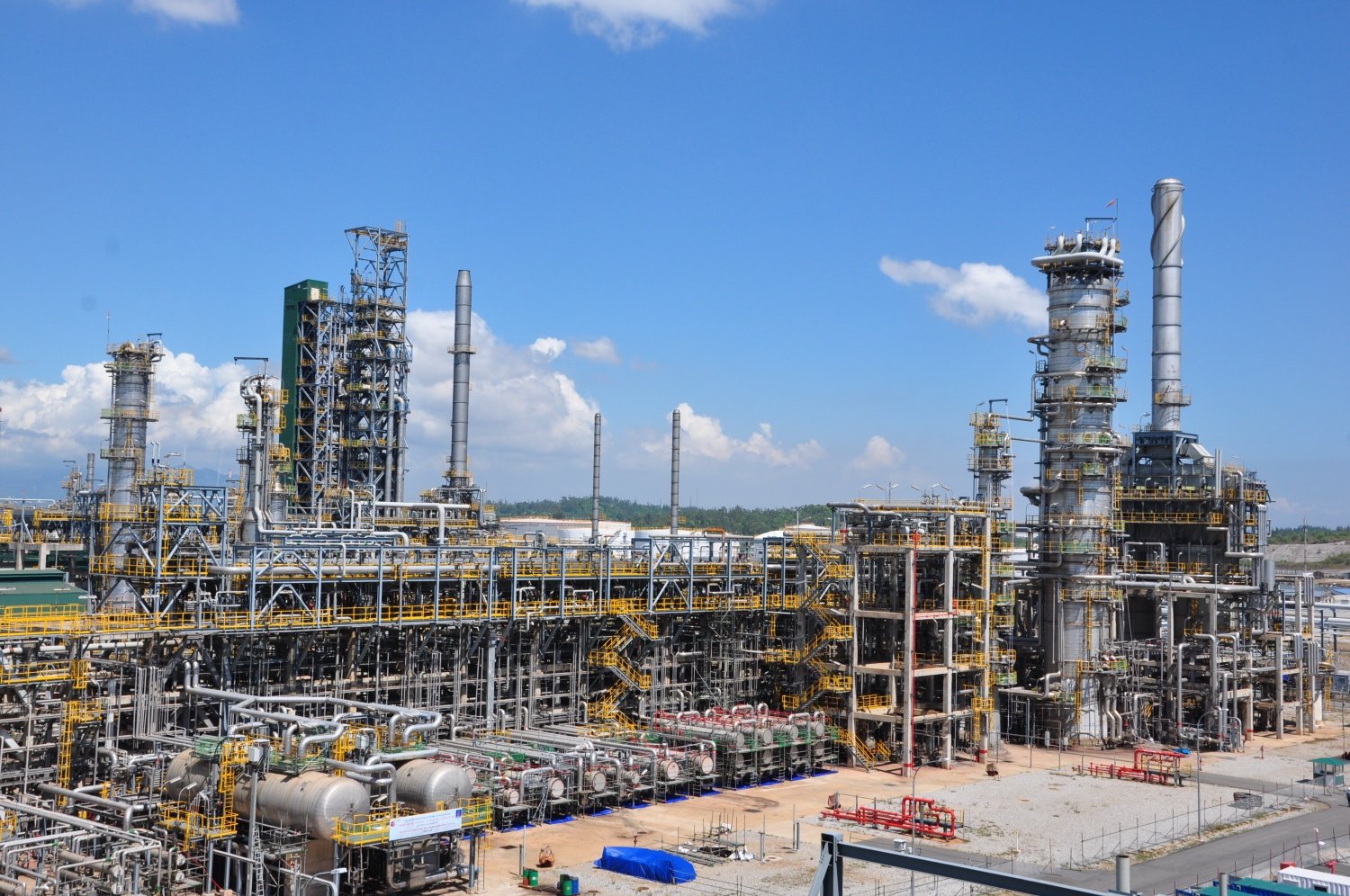
From his operational experience and practical observations, Master Le Quoc Viet realized that there are periods when the sulfur content in the input crude oil is low, which can make the diesel product still meet the standards without having to be processed through LCO-HDT. From there, he asked the question: "Under what operating conditions and crude oil characteristics can the LCO feedstock be directly blended to produce standard diesel without having to be processed at the LCO-HDT reactor?".
From there, the research team analyzed years of operating data, built a correlation model between sulfur in crude oil, LCO fraction, diesel products and sulfur recovery unit (SRU2) capacity. Thereby, the team determined the "optimal operating range", where it is possible to bypass the LCO-HDT reaction cluster, directly blend LCO into diesel while still ensuring product quality... It is the sensitivity to data and innovative thinking in managing the factory's processing technology that helped Mr. Viet turn a small technical discovery into an initiative that brought billions of dong in efficiency to BSR.
Save energy, protect the environment
Although it has been possible to determine the possibility of not needing to treat sulfur while still ensuring the quality of the product, Master Le Quoc Viet's solution continues to face the difficult problem of determining the optimal sulfur content limit in crude oil. At the same time, it is also necessary to consider the impacts on technology and other properties such as Cetane index, viscosity, water content... of diesel products.
To solve that problem, Mr. Viet and his colleagues conducted a meticulous research process. They analyzed many years of operating data, built a balanced distribution of sulfur content from input crude oil to each technology line and final product to determine the relationship between sulfur content in crude oil and sulfur content in diesel products and the capacity of the sulfur recovery unit (SRU2), thereby drawing out the ideal technical threshold. In addition, the group of authors also conducted a series of blending tests and analysis in the laboratory. At the same time, they organized dozens of workshops to assess risks and propose solutions to ensure the idea was successfully implemented.
Master Le Quoc Viet's solution had to go through a long research process, in which finding the "optimal operating range" was one of the difficult problems for the author.
Through many practical tests, daily sampling and analysis of diesel quality, the authors confirmed that the product still meets the standards when crude oil has a sulfur content of 500-700 ppm. This result becomes the "optimum operating range" that helps the factory flexibly adjust the operating mode, save energy while still ensuring safety and product quality.
Master Le Quoc Viet's initiative to change the operating mode of the LCO-HDT workshop and directly blend LCO/HVN into diesel has brought about impressive economic and energy efficiency, contributing to environmental protection. After only two short implementation periods (September 11 - 25, 2021 and October 3 - 19, 2022), the factory has saved nearly 7 billion VND in operating costs. This result was achieved by temporarily stopping the reaction cluster, sharply reducing the consumption of hydrogen, steam, electricity, fuel gas and demineralized water - factors that account for 60-70% of the product's production cost. Above all, each hour of stopping the workshop also helps save nearly 90% of auxiliary energy, which means reducing CO₂ and greenhouse gas emissions, contributing to environmental protection. From a seemingly small adjustment, this solution affirms the technological mastery, creative spirit and responsibility for sustainable development of BSR's engineering team.
“I feel very happy because this solution not only helps save costs and energy, but also lays the foundation for further research into optimizing operating technology, aiming at the goal of efficiency - safety - green development of BSR,” Mr. Viet confided.
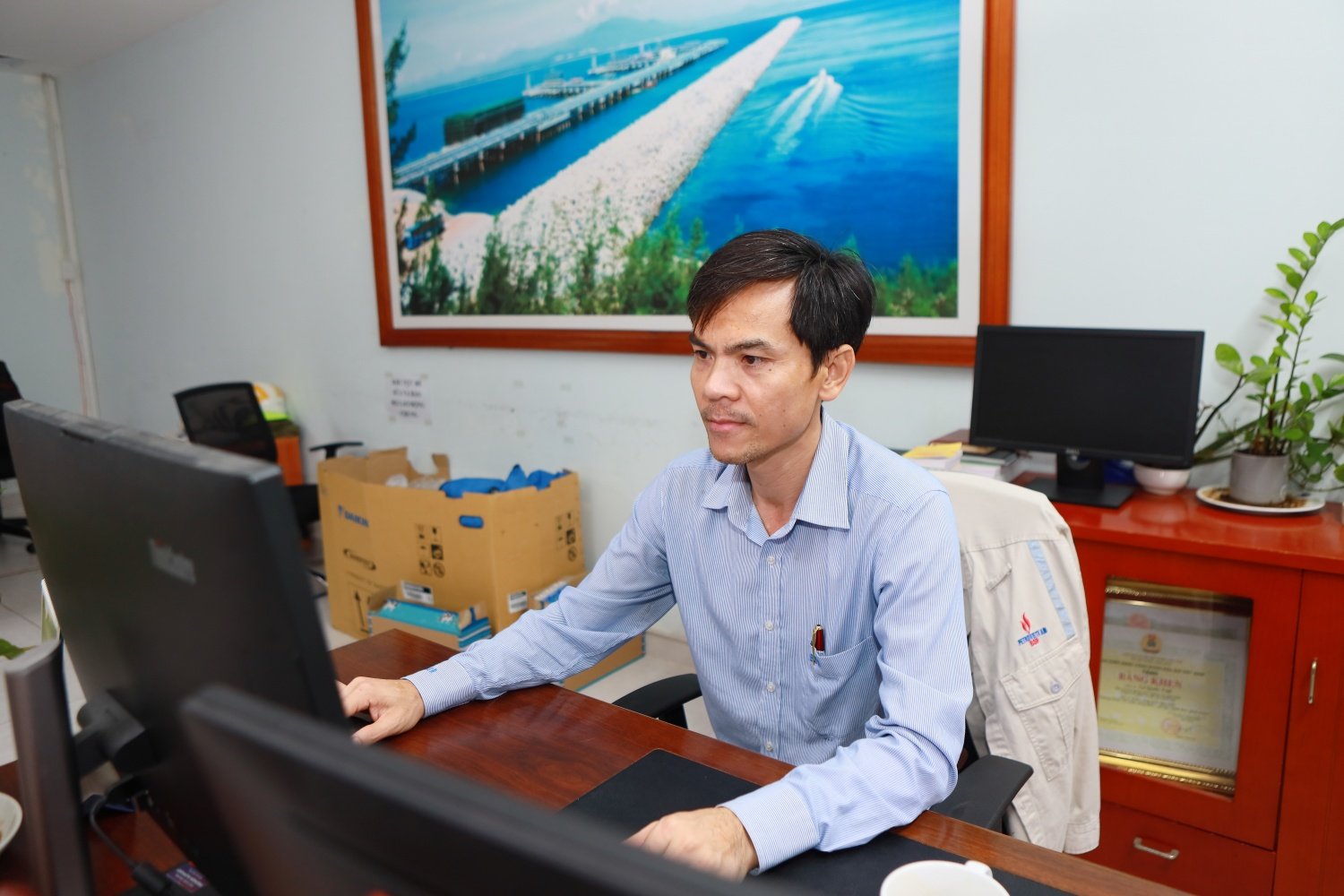
From a seemingly small adjustment in the operation of the LCO-HDT workshop, the initiative of Master Le Quoc Viet has demonstrated the power of the sharpness, innovative thinking and technological mastery of BSR's staff. Mr. Viet's efforts have been recognized when the solution "Changing the operation mode of the LCO-HDT workshop and blending diesel products to save energy" was honored with the third prize at the 14th Quang Ngai Provincial Technical Innovation Competition and was also nominated to participate in the 18th National Technical Innovation Competition.
Master Le Quoc Viet and the solution "Changing the operating mode of the LCO-HDT workshop and blending diesel products to save energy" has contributed to demonstrating the technological mastery and innovative thinking of BSR's staff. The solution not only brings economic efficiency, but also contributes to the goal of reducing emissions and sustainable development of Dung Quat Refinery, affirming the mettle of Vietnamese engineers in the field of modern refining and petrochemicals.
Thanh Linh
Source: https://bsr.com.vn/web/bsr/-/tiet-kiem-hang-ty-dong-nho-toi-uu-van-hanh-tai-nmld-dung-quat


![[Photo] National Assembly Chairman Tran Thanh Man receives First Vice Chairman of the Federation Council of the Federal Assembly of the Russian Federation](/_next/image?url=https%3A%2F%2Fvphoto.vietnam.vn%2Fthumb%2F1200x675%2Fvietnam%2Fresource%2FIMAGE%2F2025%2F12%2F02%2F1764648408509_ndo_br_bnd-8452-jpg.webp&w=3840&q=75)





































![[Photo] General Secretary To Lam and his wife attend the 50th Anniversary of Laos National Day](https://vphoto.vietnam.vn/thumb/402x226/vietnam/resource/IMAGE/2025/12/02/1764644139308_1.jpeg)























Comment (0)