

In the 18th century, Phuc Giang School in Truong Luu village was a renowned educational and academic center of the country. Its predecessor was Truong Luu School, founded in 1732 by the scholar Nguyen Huy Oanh. After his diplomatic mission in 1766, he returned and expanded the school, renaming it Phuc Giang School.
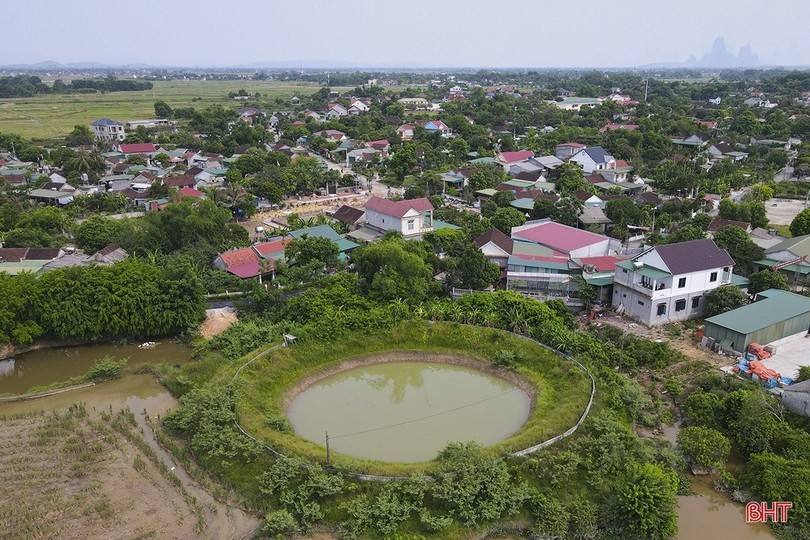
Beyond teaching literacy, cultivating morality, and training talent, this place also served as a library, preserving many valuable documents of the Nguyen Huy family. Notably, Phuc Giang School operated on a rare, self-contained model for its time: from curriculum compilation and woodblock carving to printing and distribution of books. Under the leadership of Thám hoa Nguyen Huy Oanh – a high-ranking official and exemplary educator – the school once possessed tens of thousands of books and produced over 30 doctoral graduates and thousands of high-ranking scholars.
Over time and through the vicissitudes of history, Phuc Giang School gradually lost its original appearance. The old architectural structures are no longer present, leaving only a few traces and memories preserved within the family and community.
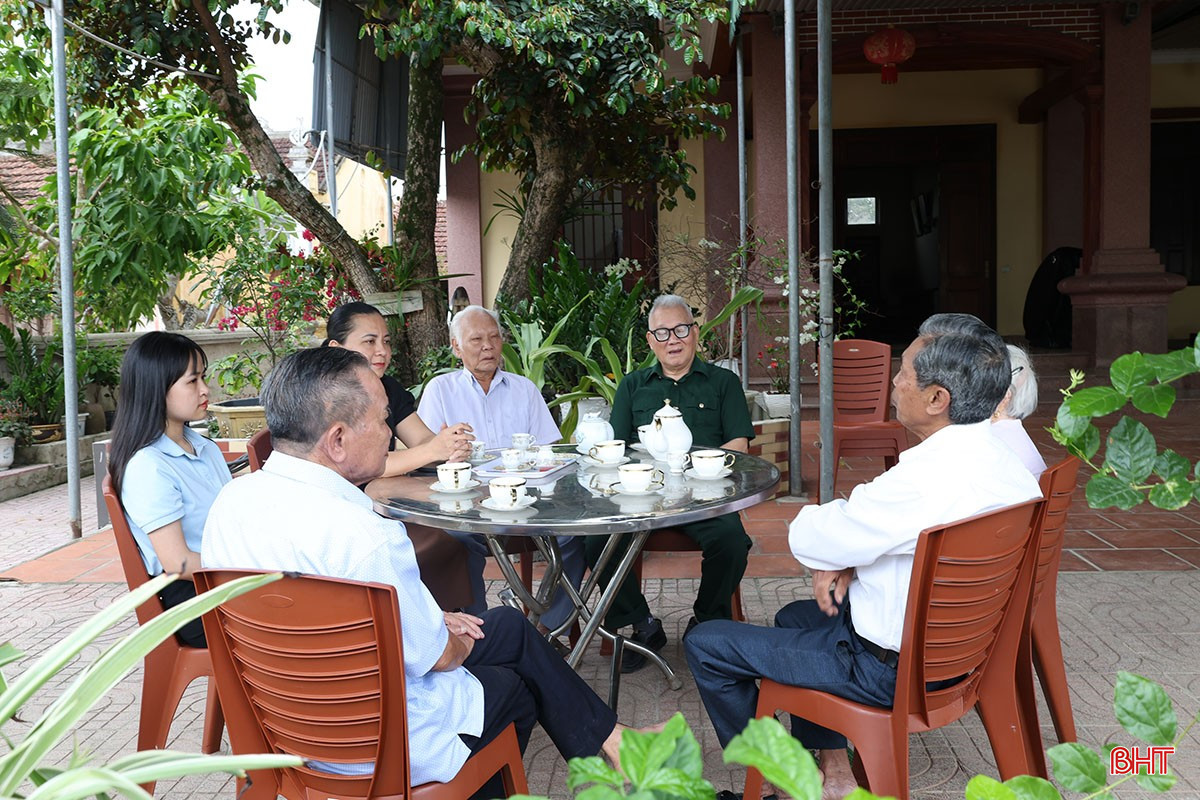
Professor, Doctor, Academician Nguyen Huy Hoang - a descendant of the Nguyen Huy Truong Luu family - stated: "Private schools played a crucial role in the history of Vietnamese education, and Phuc Giang School held an extremely special position. Firstly, this school was built and existed for nearly a century by three generations – a very rare occurrence in the private school system at that time. Secondly, while many places only taught at the homes of tutors or families invited tutors to teach, Phuc Giang School was built on a scale befitting a true academic institution, and was later even honored. Most notably, it was the only school in Vietnam that organized woodblock printing to serve teaching and learning, a truly rare practice, not found everywhere, demonstrating a very distinct stature.”
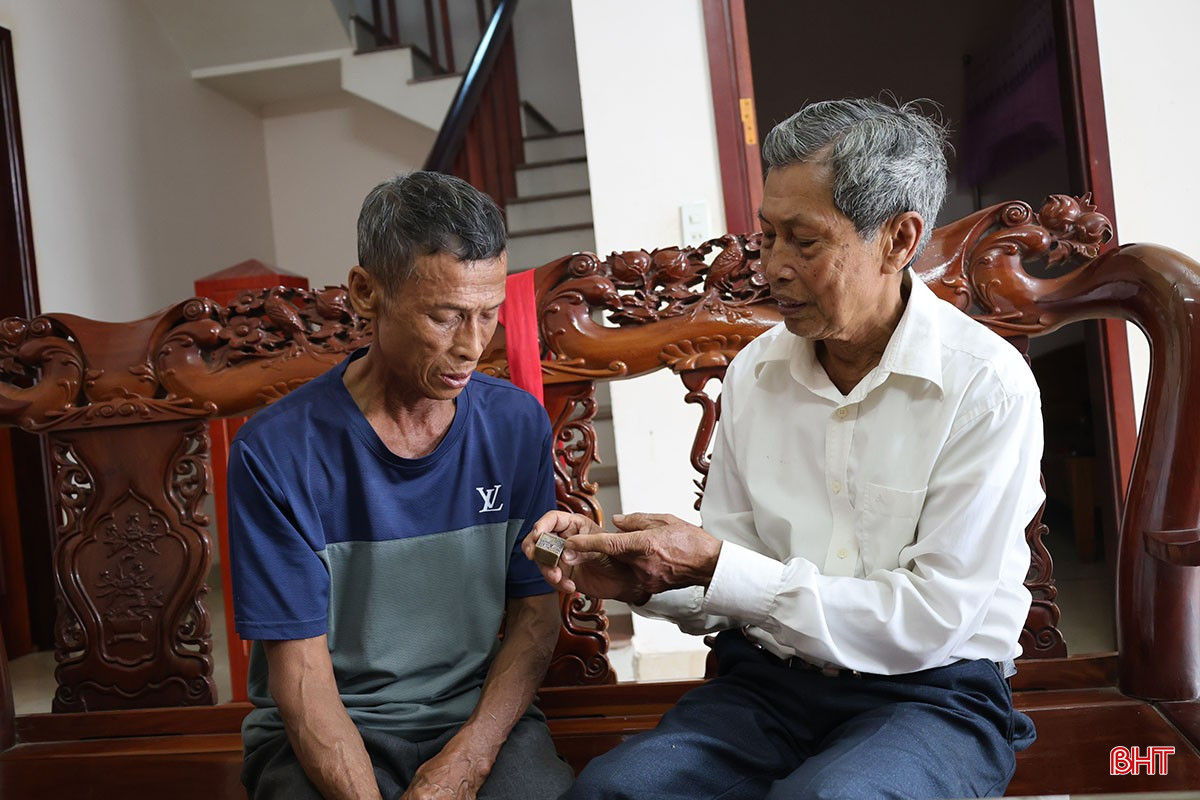
During our journey to rediscover the historical traces, we had the opportunity to meet Mr. Nguyen Huy Tinh – the 16th-generation descendant of the Nguyen Huy family. At the age of 91, he is considered a "living historical record," preserving memories of the scale and space of Phuc Giang School.
Mr. Tinh said: "I remember clearly that I once studied at Phuc Giang Library. It was always bustling with the sounds of reading and literary discussions from students from all over who came to study there. The space was both solemn and intimate, where learning, teaching, and printing books coexisted in a unique academic environment."
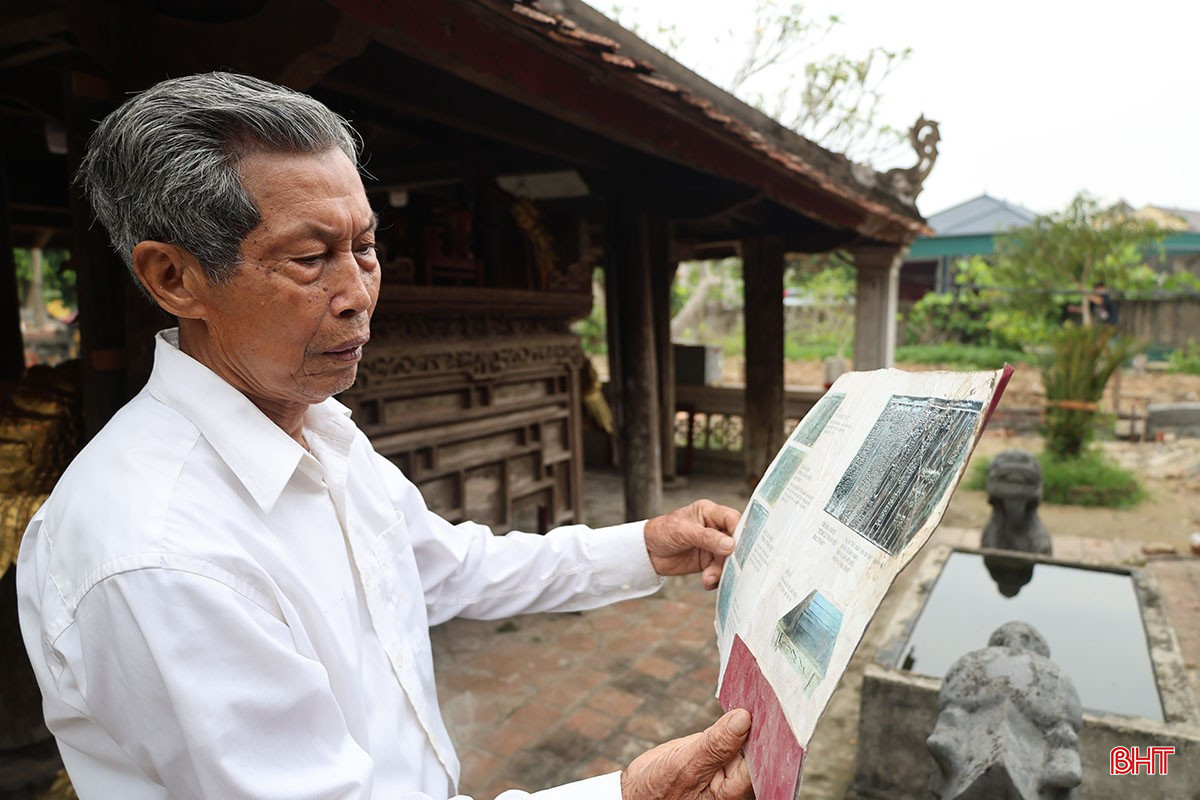
Historical records state that Phuc Giang School covered an area of nearly 3,000 square meters, with a width of approximately 40 meters and a length of approximately 70 meters. In front was the Temple Well along with two supporting pillars, while the back and sides were surrounded by green trees. Within the grounds were three main buildings: the upper, middle, and lower halls. On either side were the left and right wings, each with five bays.
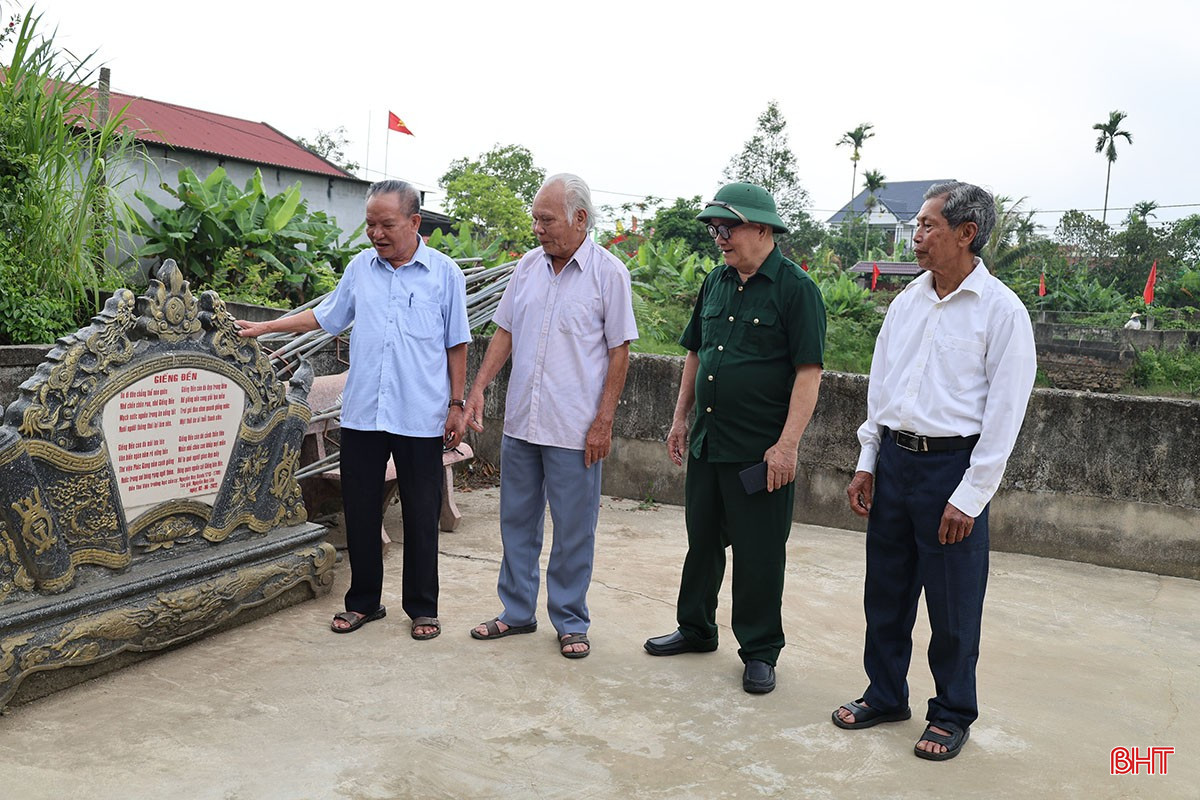
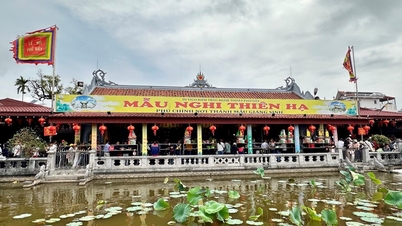
The left wing housed the woodblocks, books, and learning materials; while the right wing provided space for students to write essays, listen to lectures, discuss, and critique literature. The large courtyard between the two rows of buildings was once the venue for students' communal activities. Over time, the most prominent remaining physical trace of Phuc Giang School today is the Temple Well located in front of the old school grounds. The well's water still reflects the passage of time, evoking memories of a time when thousands of students from many regions came here to study.
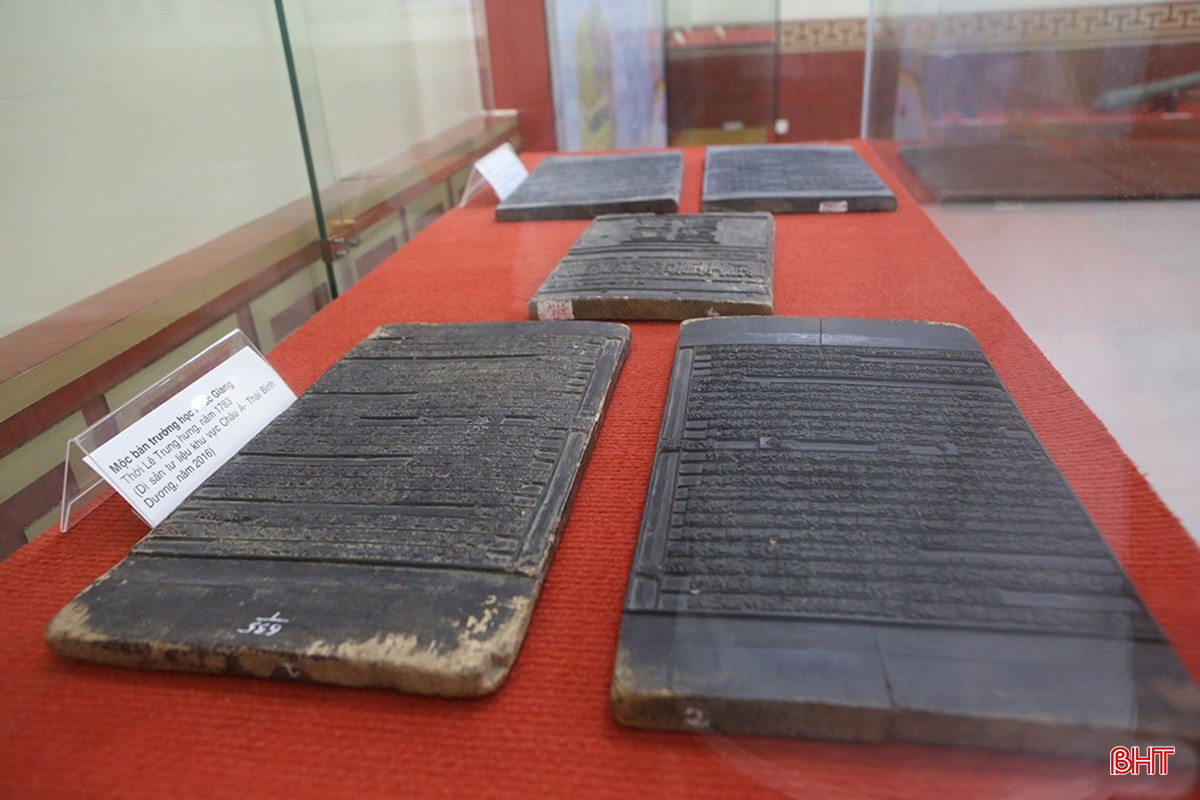
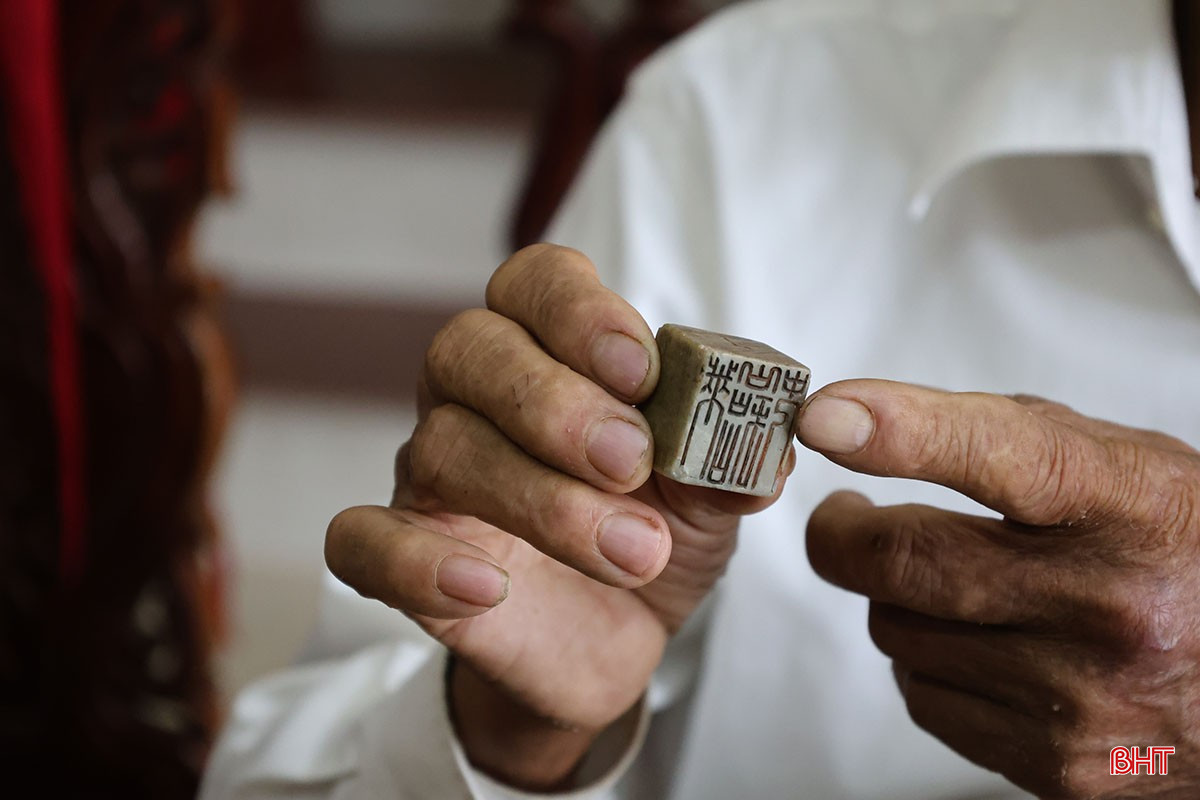
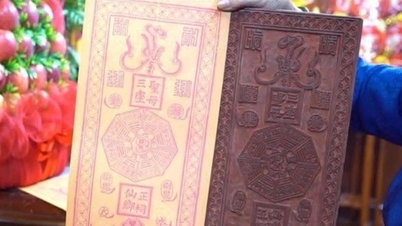
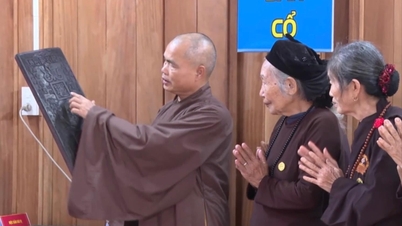
Many valuable artifacts are still preserved, such as the Phuc Giang School woodblocks, the system of Han Nom documents, the palanquin carrying the successful doctoral graduates, the teaching platform, and the seal of Nguyen Huy Quynh. Among them, the Phuc Giang School woodblock set is considered a relatively intact artifact. The 383 woodblocks, carved in reverse with Chinese characters, not only reflect ancient printing techniques but also demonstrate the educational philosophy of our ancestors, which emphasized practical learning. According to published documents, this is also the only collection of ancient woodblocks on education compiled and produced by a single family in Vietnam.
With its outstanding reputation for its teaching staff, curriculum, and well-structured learning environment, Phuc Giang School was once one of the most prestigious private schools in Vietnam at that time. Each year, it attracted hundreds of students from Nghe An , Thanh Hoa, and many northern provinces.
In the history of Vietnamese education, very few models have simultaneously trained talented individuals, conducted research, compiled, and printed books like Phuc Giang School. This is what gave the school its special status in the 18th century, and contributed to the renowned tradition of studiousness in the Truong Luu region. Through the vicissitudes of history, Phuc Giang School gradually fell into disrepair, leaving many concerns for the local government, the Nguyen Huy family, and those dedicated to preserving national cultural heritage.
Professor, Doctor of Science, Academician Nguyen Huy My shared: "The restoration of the Phuc Giang School space aims to honor the heritage and educational values. Our descendants wish to restore it to ensure the continuity of the Truong Luu cultural tradition."
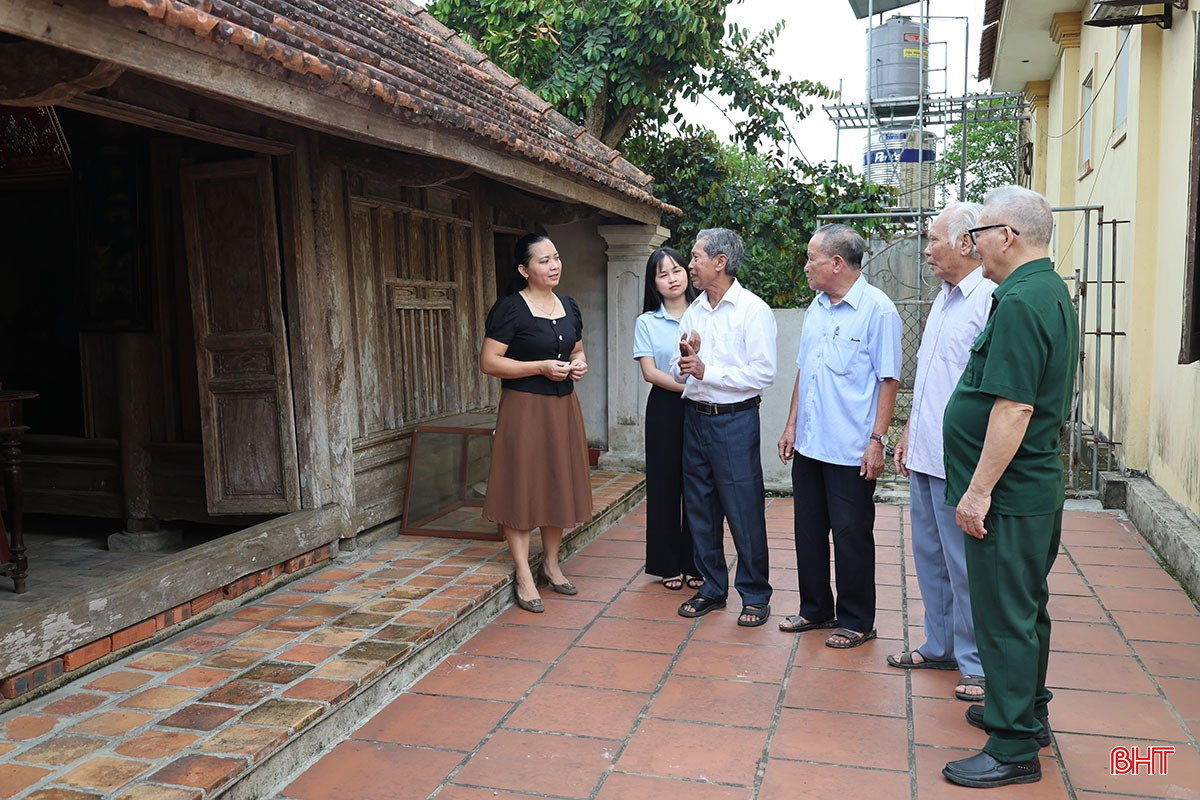
Phuc Giang School is not only the pride of the Nguyen Huy family, but also a valuable cultural and educational heritage of the nation. Following the policy and direction of Ha Tinh province, the restoration of the Phuc Giang School space is deemed necessary, not only to preserve the traces of a famous educational institution in history, but also to recreate a cultural center that once made the Truong Luu region renowned. Through this, it will contribute to the formation of a distinctive cultural, intellectual, and tourist destination in Ha Tinh in the future.
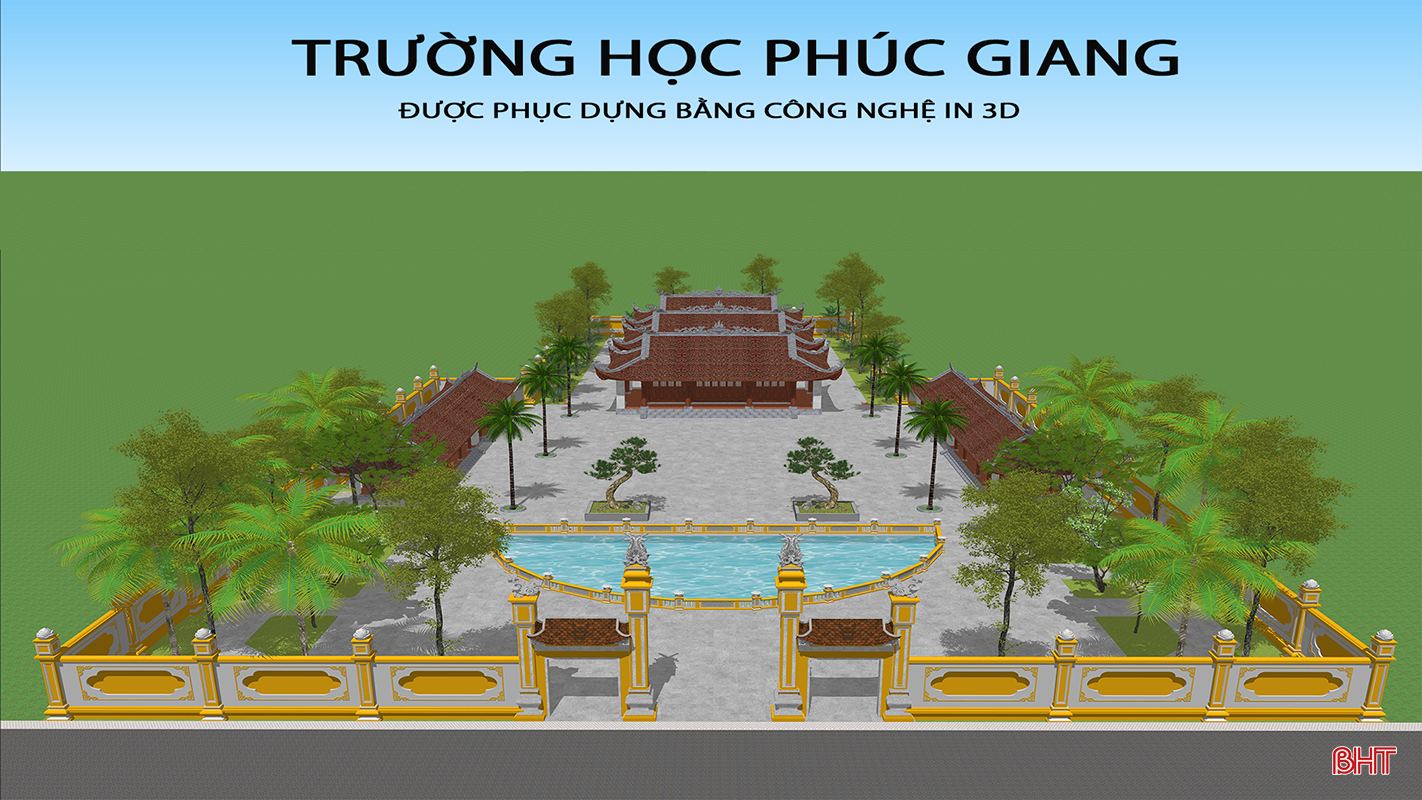
This content has been concretized in the cultural development plans and projects of Ha Tinh province until 2030, with a vision to 2045, in which the Truong Luu village heritage site is identified as one of the breakthrough projects in the development of the cultural industry. This content has also been discussed in scientific workshops with the participation of many scientists and cultural experts to gather more scientific arguments, contributing to effective guidance for the preservation and promotion of heritage values in the future. This is also the noble humanistic value that UNESCO always strives for in preserving the cultural identity of ethnic groups.
Although no longer in existence, Phuc Giang School has never truly disappeared; it lives on in memory, in the preserved artifacts, and in the studious spirit of the people of Truong Luu. Rediscovering the past and restoring the space of Phuc Giang School is not only a journey to preserve a valuable cultural and educational heritage, but also a way to cherish the past and continue the good values our ancestors cultivated for future generations.
The restoration of Phuc Giang School is of paramount importance to Vietnam's commitment to UNESCO in protecting cultural heritage and the 2024 Law on Cultural Heritage. The restoration of Phuc Giang School enhances the value of the Truong Luu woodblock heritage. From the perspective of the state management agency, I also hope that this restoration will be in harmony with the cultural landscape of Truong Luu village and the purpose of UNESCO's commitment to preserving the original heritage, transforming it into stories that can be conveyed and disseminated throughout society.
Dr. Pham Thi Khanh Ngan - Chief of Office of the Department of Cultural Heritage - Ministry of Culture, Sports and Tourism
Source: https://baohatinh.vn/tim-lai-dau-xua-truong-hoc-phuc-giang-post310201.html















































































Comment (0)