

Inadequacies in project planning and legality
According to experts, the main reasons for this situation stem from legal problems, investors lacking financial capacity, incomplete social infrastructure, and some resettlement projects not attracting residents.
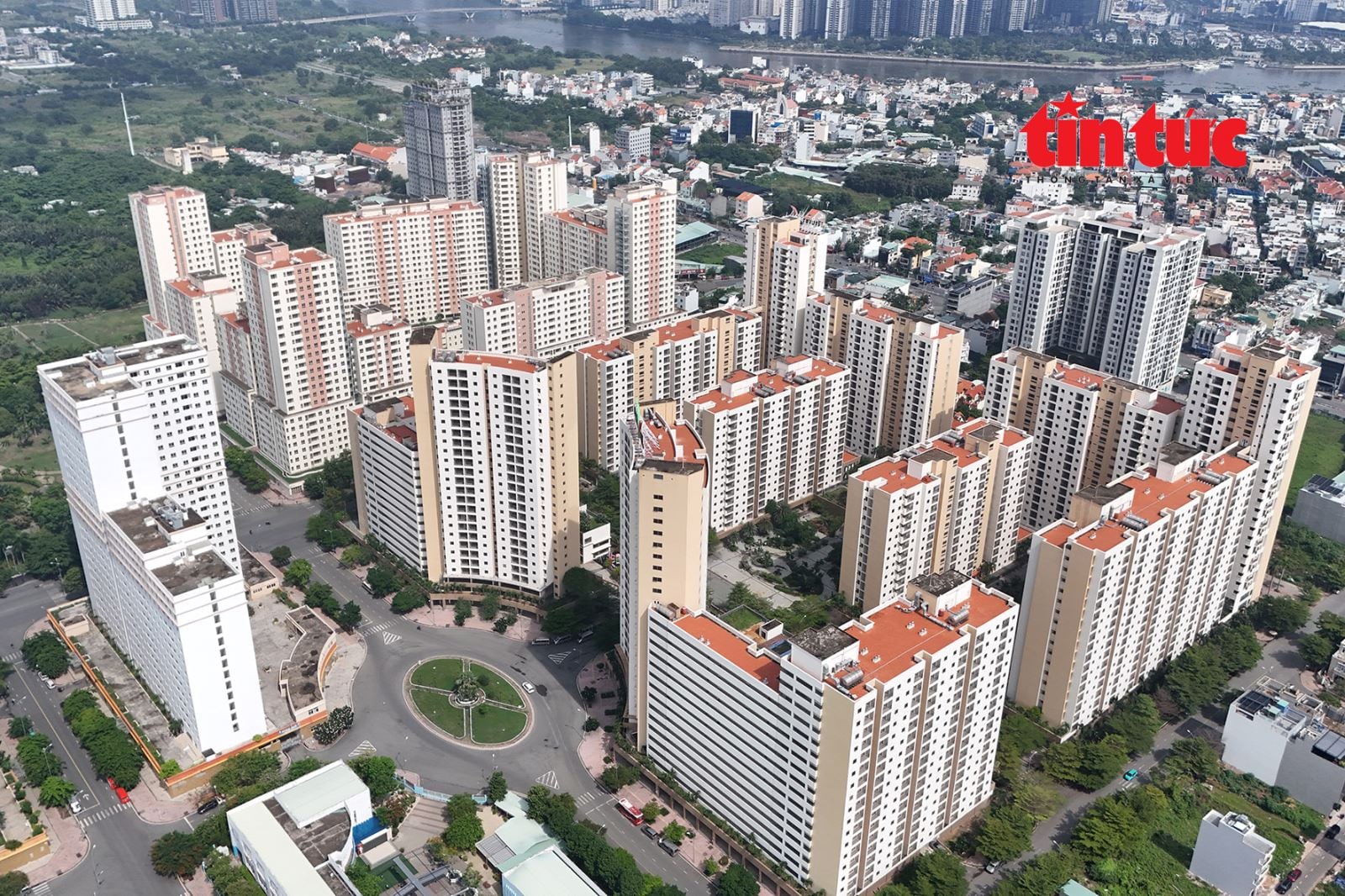
According to lawyer Ha Thi Thu Thao, Ho Chi Minh City Bar Association, many projects are "suspended" due to planning adjustments, changes in population targets, or incomplete land allocation/lease procedures according to the 2013 Land Law and the 2024 Land Law. The delay in issuing and approving zoning plans and detailed plans makes it impossible for projects to complete investment documents.
This is an institutional error, directly affecting the rights and obligations of investors. There are many inconsistent provisions in the legal system on housing, land, investment and construction, overlapping relevant laws, especially the provisions on the 20% land fund for social housing; conditions for approving investment policies; design appraisal process; criteria and procedures for land allocation with land use fees or exemption or reduction of land use fees.
Lawyer Thao added that the overlap and inconsistency between laws lead to delays in land allocation, delays in granting construction permits, and inability to determine selling prices and rental prices, leading to ineligibility for sale.
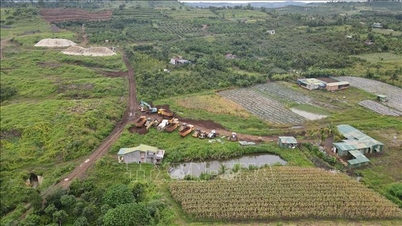
In addition, the resettlement policy is not really suitable, many resettlement areas are left empty because the legal regulations on resettlement arrangement in the Land Law and guiding Decrees are not suitable for actual needs. Many construction projects are located far from the center, lack infrastructure, do not have schools, hospitals, jobs, etc., leading to people not receiving the handover, or receiving but not moving in.
On the other hand, the slow progress of compensation and site clearance causes the need for resettlement to arise out of sync with the investment time. The procedures for approving social housing and resettlement are still complicated and inflexible; many documents are prolonged, causing delays in arranging beneficiaries; management and operation work is still limited, some apartment buildings after construction do not have a professional management and operation unit, leading to rapid deterioration.
“Although there are still thousands of resettlement apartments left, converting the purpose of use to social housing, low-cost commercial housing or putting them up for public auction still faces many obstacles in terms of procedures, authority and pricing mechanism. This is a legal bottleneck that Ho Chi Minh City has repeatedly proposed to remove but has not been thoroughly adjusted to date,” emphasized lawyer Thao.
Suggestions for solving the problem of abandoned housing
According to economic expert Nguyen Duy Chuyen, in an urban area in Long Phuoc ward (Ho Chi Minh City), many villas cost up to hundreds of billions of VND but only a few households live there, most of the rest have been abandoned for a long time. This situation has lasted for more than 10 years, not only causing a great waste of land funds but also reducing the value of invested infrastructure, limiting the ability to access housing for the majority of young workers in Ho Chi Minh City.
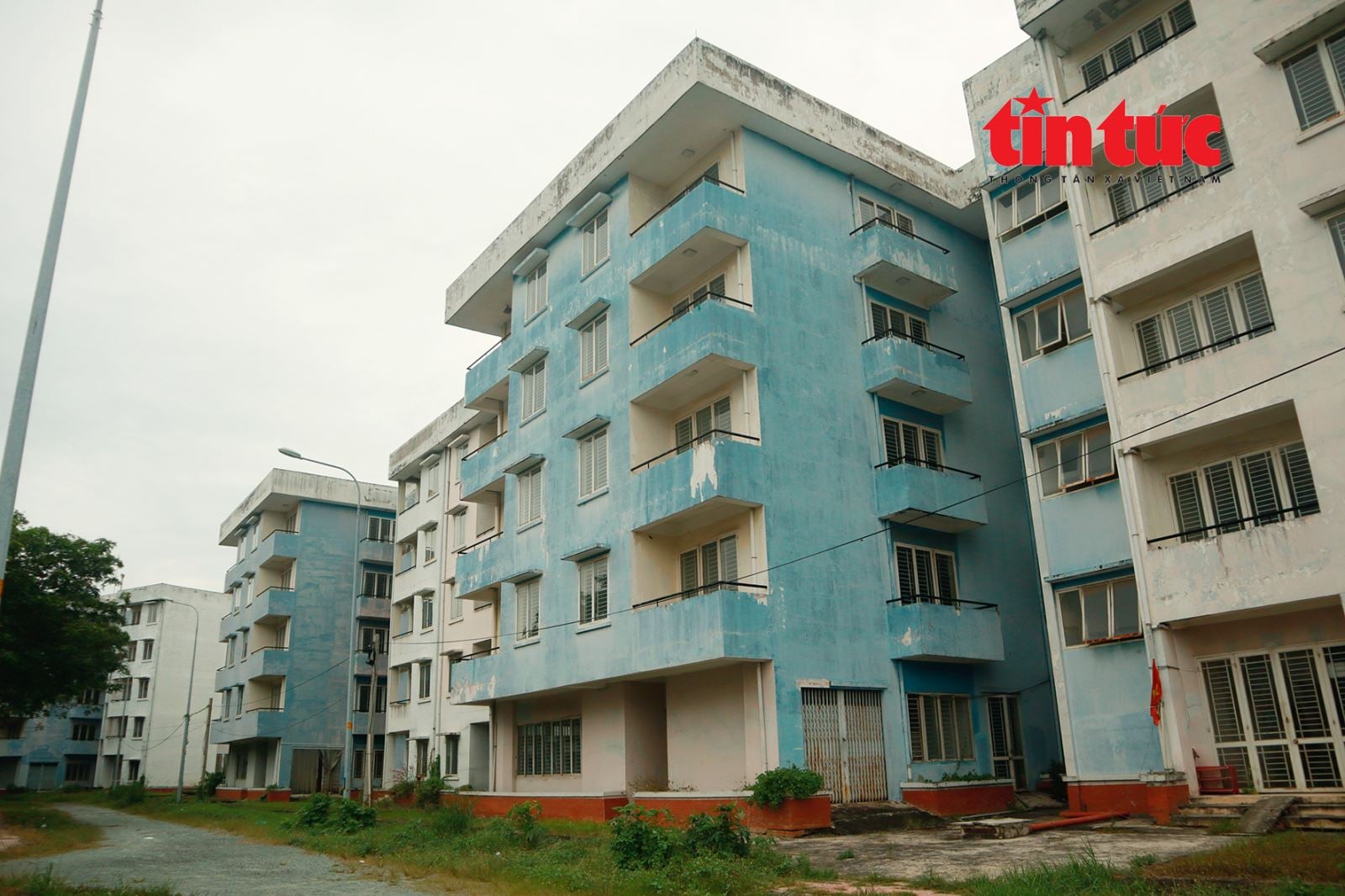
Mr. Nguyen Duy Chuyen's estimate shows that if the function is converted appropriately, the vacant housing fund here can meet the housing needs of about 2,000 people. This is an opportunity to exploit the existing housing resources more effectively, while contributing to solving the social security problem in the suburban areas of Ho Chi Minh City.
Mr. Chuyen commented that with resettlement projects, it is important to offer appropriate prices and policies so that people can access and are willing to move in. In cases where the resettlement housing fund cannot be arranged as planned or cannot attract residents, the locality needs to boldly convert to social housing to effectively use the housing fund and meet actual needs.
Many real estate experts also emphasize that transparency of project information, from legality, progress to investor capacity, not only helps people and businesses monitor easily but also limits the situation of projects being "covered up" for many years.
Lawyer Ha Thi Thu Thao suggested that Ho Chi Minh City should review the entire resettlement housing and social housing fund, list and classify them according to legal status, progress and usage needs to have appropriate solutions for each group. According to the lawyer, it is necessary to allow flexible conversion of functions, at the same time simplify procedures, streamline the valuation, approval and auction processes to avoid congestion - especially for projects that are stuck in the valuation mechanism.
For abandoned resettlement apartments, lawyer Thao proposed many options such as converting them to social housing; organizing public auctions or commercial sales to supplement the budget; leasing them according to the model of public housing, dormitories, and worker accommodation; or adjusting planning and investing in synchronous infrastructure for areas far from the center to ensure living conditions.
At the same time, the City needs to speed up legal procedures for social housing projects, shorten investment approval time, publicize land funds, support credit and promote digital transformation in file management. Beneficiary approval criteria also need to be unified and transparent, avoiding the situation of "each place doing it differently".
Lawyer Thao emphasized the responsibility of the management agency: Any locality that wastes public assets or delays putting resettlement houses into use must be held responsible according to the provisions of the Law on Management and Use of Public Assets 2017 and the Law on State Compensation Liability 2017 if causing damage. Responsibility for each project that is behind schedule and causes waste must be clearly defined and made public for people to monitor.
“The city should also expand the options for resettled people such as receiving money, receiving land, receiving social housing or receiving resettlement apartments. Diversifying options will help avoid widespread construction that is not suitable for actual needs, and at the same time limit the waste of resources,” said lawyer Thao.
Source: https://baotintuc.vn/bat-dong-san/tim-loi-giai-cho-cac-du-an-nha-o-bi-bo-hoang-bai-2-khoi-thong-phap-ly-hoi-sinh-cac-du-an-bi-dong-bang-20251207160222813.htm




![[Photo] Urgently help people soon have a place to live and stabilize their lives](/_next/image?url=https%3A%2F%2Fvphoto.vietnam.vn%2Fthumb%2F1200x675%2Fvietnam%2Fresource%2FIMAGE%2F2025%2F12%2F09%2F1765248230297_c-jpg.webp&w=3840&q=75)



















































![[Photo] General Secretary To Lam works with the Standing Committees of the 14th Party Congress Subcommittees](https://vphoto.vietnam.vn/thumb/402x226/vietnam/resource/IMAGE/2025/12/09/1765265023554_image.jpeg)





























Comment (0)