

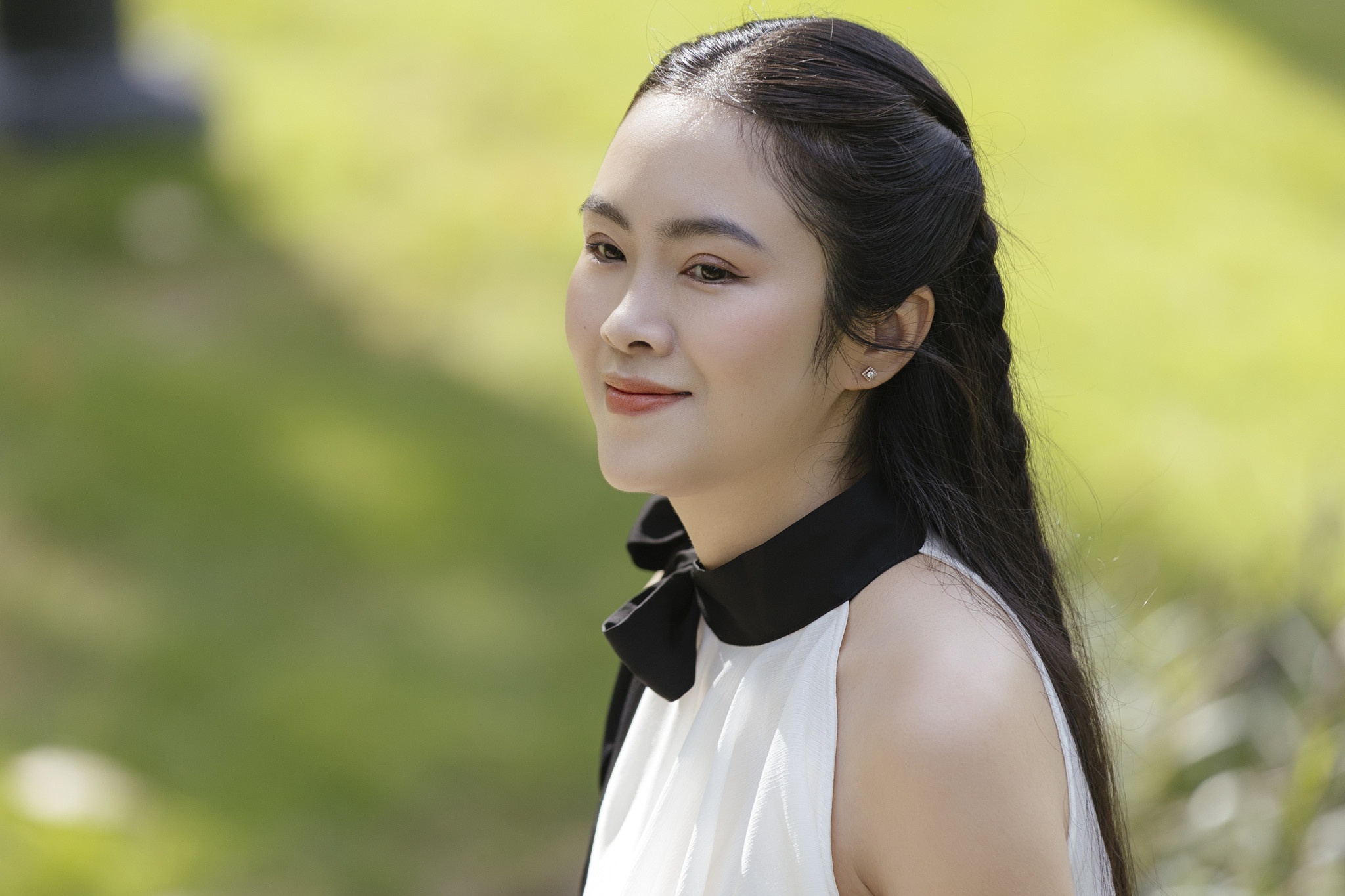
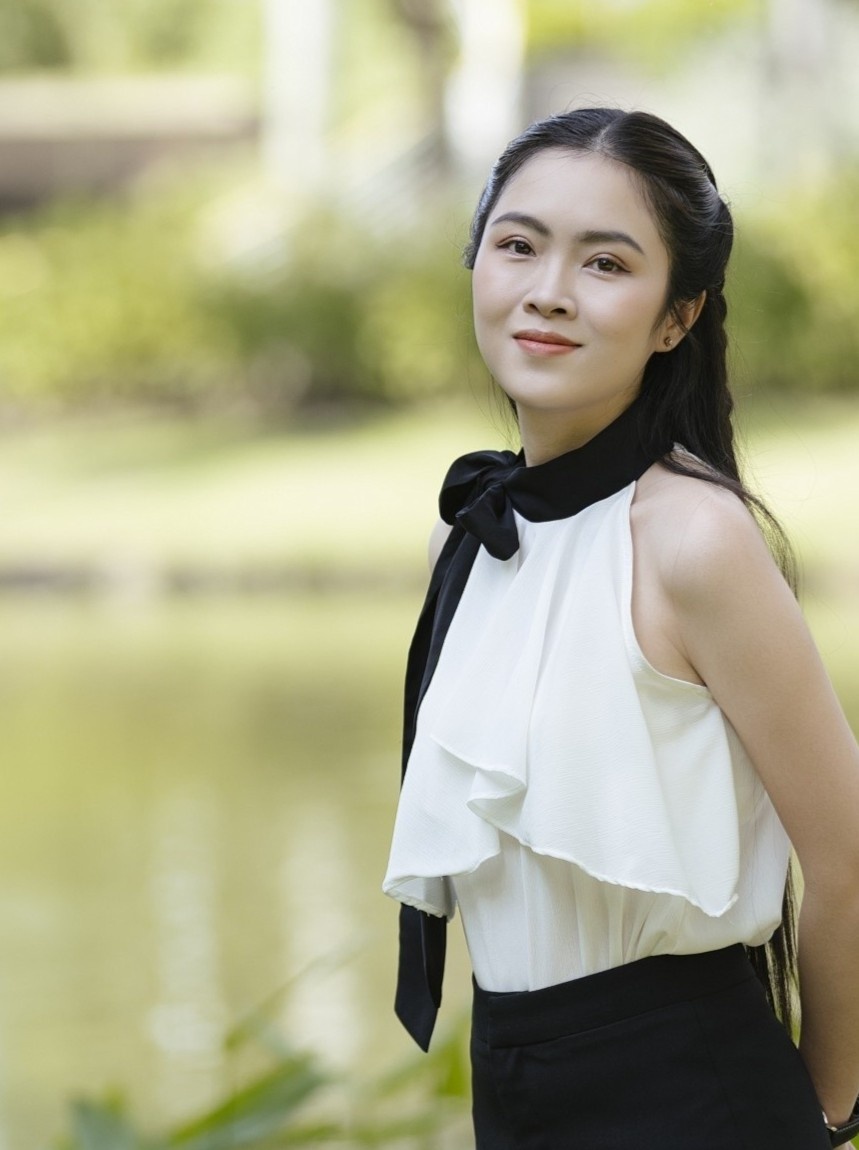
I lay on the stretcher, my body exhausted, my eyelids heavy. The ambulance sped off, its siren blaring in my ears, mingling with the chaotic sounds of the night street. With each turn, my body swayed, and blood continued to flow. For the first time, I realized that cancer was no longer just a word printed on a medical record, but a real disease right beside me.
My name is Nguyen Nhu Quynh. At the age of 27, I was diagnosed with cervical cancer.
A shock at age 27
One night in 2020, hot blood suddenly flowed from between my legs. That flow transported me back two years, to a time when I had experienced a similar hemorrhage. At that time, the doctor diagnosed me with ovarian hemorrhage. The problem was resolved with a 7-day course of medication.
But this time, a woman's intuition told me something was wrong. I went to the hospital. On the endoscopy screen, a rough, lumpy tumor appeared. For over a week afterward, I waited numbly for the test and biopsy results. As scheduled, I returned to the hospital with the faint hope that the tumor was benign. However, I still remember that day, my husband came out of the doctor's office, unable to look me in the eye.
"The doctor said… I have cervical cancer," he said after a moment of reflection.
Like many who have battled this disease, my ears buzzed when I heard the word "cancer." A whirlwind of emotions seemed to overwhelm any reassurance that I was in an early, treatable stage.
My son's 4th birthday is fast approaching, and the thought of whether I'll be healthy enough to blow out the candles and cut the cake with him makes me choke up.
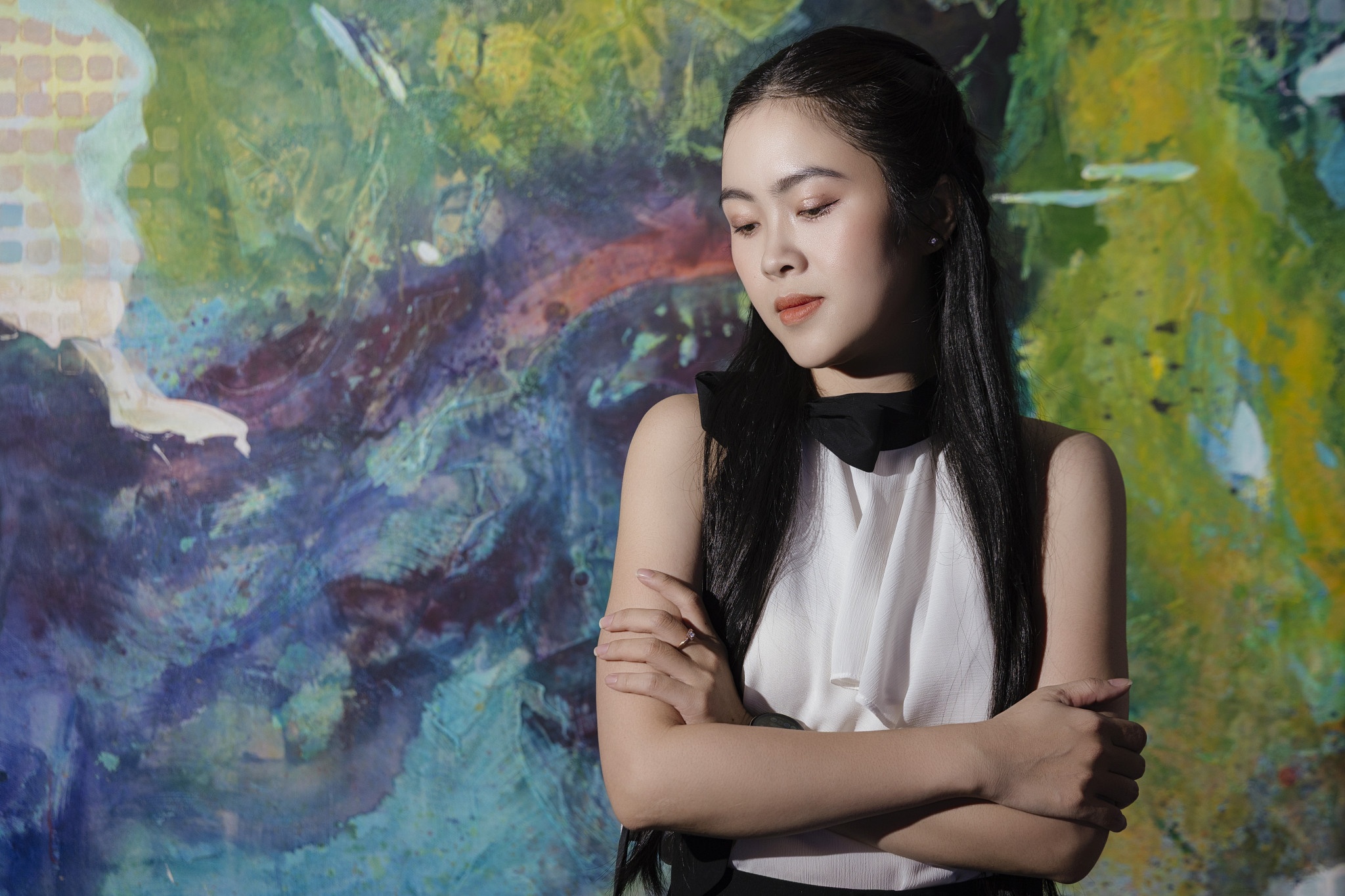 |
At the age of 27, cancer struck me suddenly. |
Following the advice of an acquaintance, I sought out traditional Chinese medicine. In the days that followed, the house was constantly filled with the smell of herbal remedies. Dozens of prescriptions were prepared, some for regulating menstruation, others for detoxification, and still others for blood purification. I patiently brewed and drank them, searching for a way out of my predicament.
From what the doctor told me, I learned that nearly 100% of cervical cancer cases are associated with high-risk HPV.
However, I didn't know that this disease wouldn't easily leave me with just a few doses of traditional medicine and a little faith. Through the doctor, I learned that nearly 100% of cervical cancer cases are linked to high-risk HPV.
Most HPV infections are asymptomatic and clear up on their own, but persistent infection can lead to various diseases, including precancerous conditions and cervical cancer. Furthermore, according to a 2023 report by the HPV Information Center, cervical cancer is the second leading cause of death among cancers in men and women aged 15-44 worldwide (estimated in 2020).
2 months, 5 rounds of chemotherapy, 28 rounds of radiation therapy.
"Honey, wake up!" I vaguely heard my husband shouting.
I tried to hold on, but my vision blurred and my body felt weak. One September night, the bleeding symptoms returned. An ambulance, sirens blaring, ripped through the night, taking me to the nearest hospital. The doctors examined my condition and shook their heads helplessly.
The ambulance siren blared again, echoing in my ears. The ambulance weaved through the crowd. This time, my destination was Tu Du Hospital. I lay on the cold stretcher, only hearing the sounds of the machines. My medical records were opened, and they quickly realized it was a case of cervical cancer. Without delay, I was transferred to the Ho Chi Minh City Oncology Hospital.
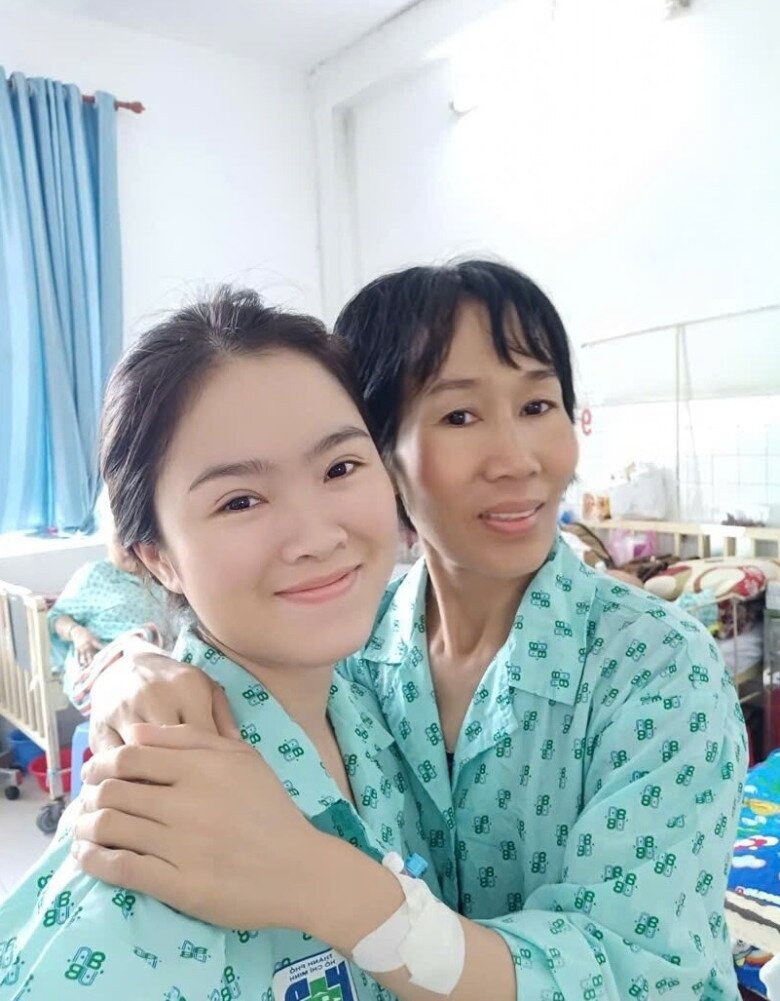 |
At 27, I was the youngest person in a room where everyone else had been diagnosed with cervical cancer. |
For me, the line between life and death was incredibly thin at that moment. As the hemostatic agent was injected and units of blood dripped into my veins, I felt myself slowly coming back to life. Just as I was beginning to accept the reality that I was a cancer patient, I started my treatment.
For two months, I underwent 28 radiation treatments and five chemotherapy sessions, one after another. The doctor injected the medication intravenously. I think I could feel the chemicals slowly flowing through my bloodstream, gradually seeping into my body. In the days that followed, I had to become familiar with and accept my own pain.
Just as my body adjusted to the chemotherapy, I went on to radiation therapy. First external beam radiation, then internal radiation. The doctor inserted a tube containing a radioactive source directly into my cervix. The pain was so intense it reminded me of labor, only this time there was no sound of a newborn baby crying.
At 27, I was the youngest patient in the ward. My weight dropped from 44 kg to just 38 kg. During my time in the hospital, the greatest comfort I received each day was the brief hour my husband spent visiting. Sometimes, the strength I had been trying to maintain would crumble the moment I saw him, or when I saw my son through the phone screen, the little boy staying with his grandparents, bewilderedly calling out, "Mommy!"
Fortunately, I wasn't alone in that battle. Along with my family, I always had doctors and nurses by my side. They calmly held my hand and reminded me not to give up. They patiently explained each treatment plan. Because of them, I always felt confident that behind my days of effort, hope was gradually emerging.
Living on with a new "destiny"
In the hospital room, none of us knew each other beforehand, yet we easily grew fond of one another. Sharing the same pain, enduring sleepless nights together, we understood each other better than family. I still remember the handshakes and the words of encouragement: "Don't give up, my dear." Those words stayed with me until the day I was discharged.
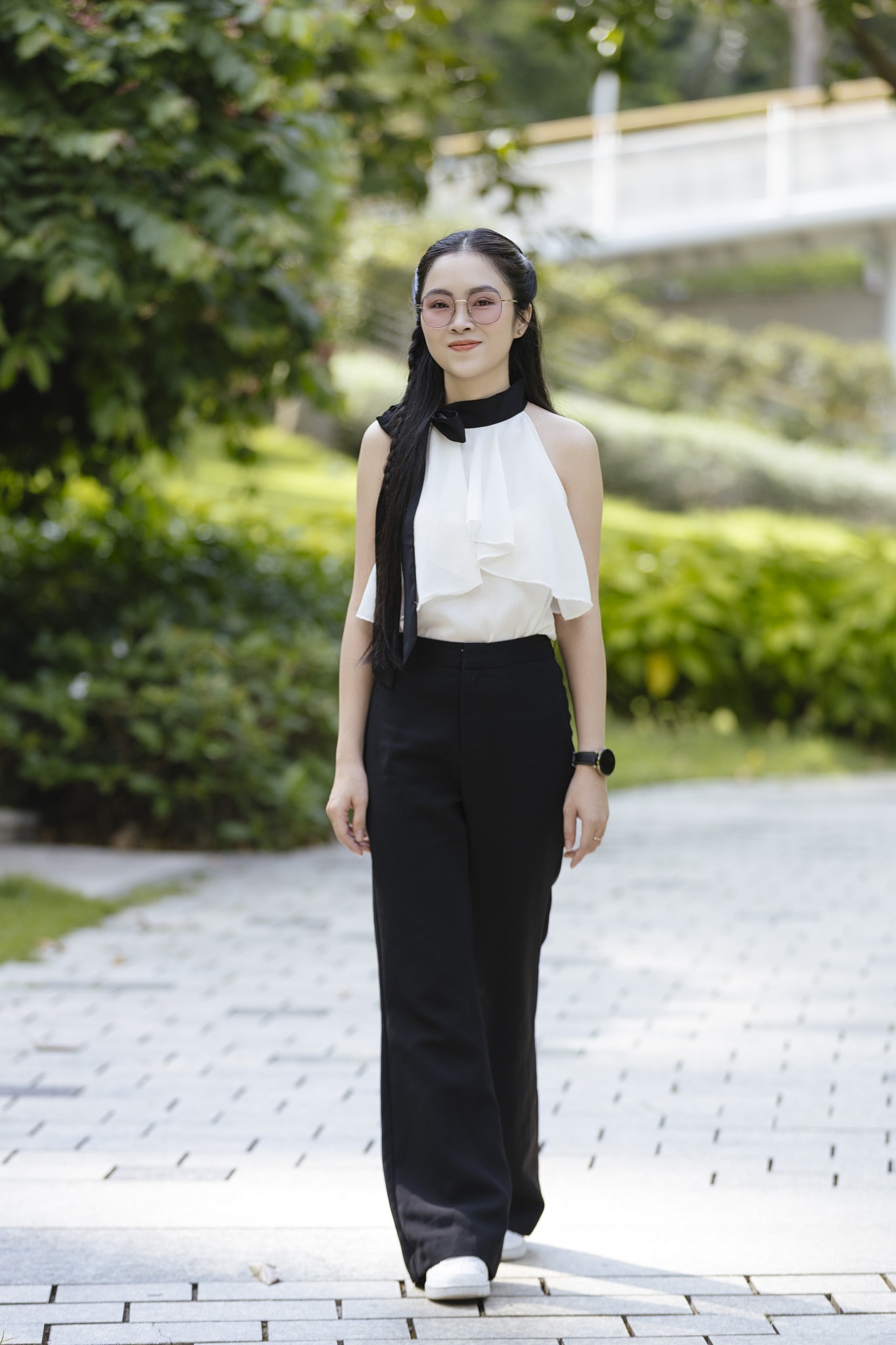 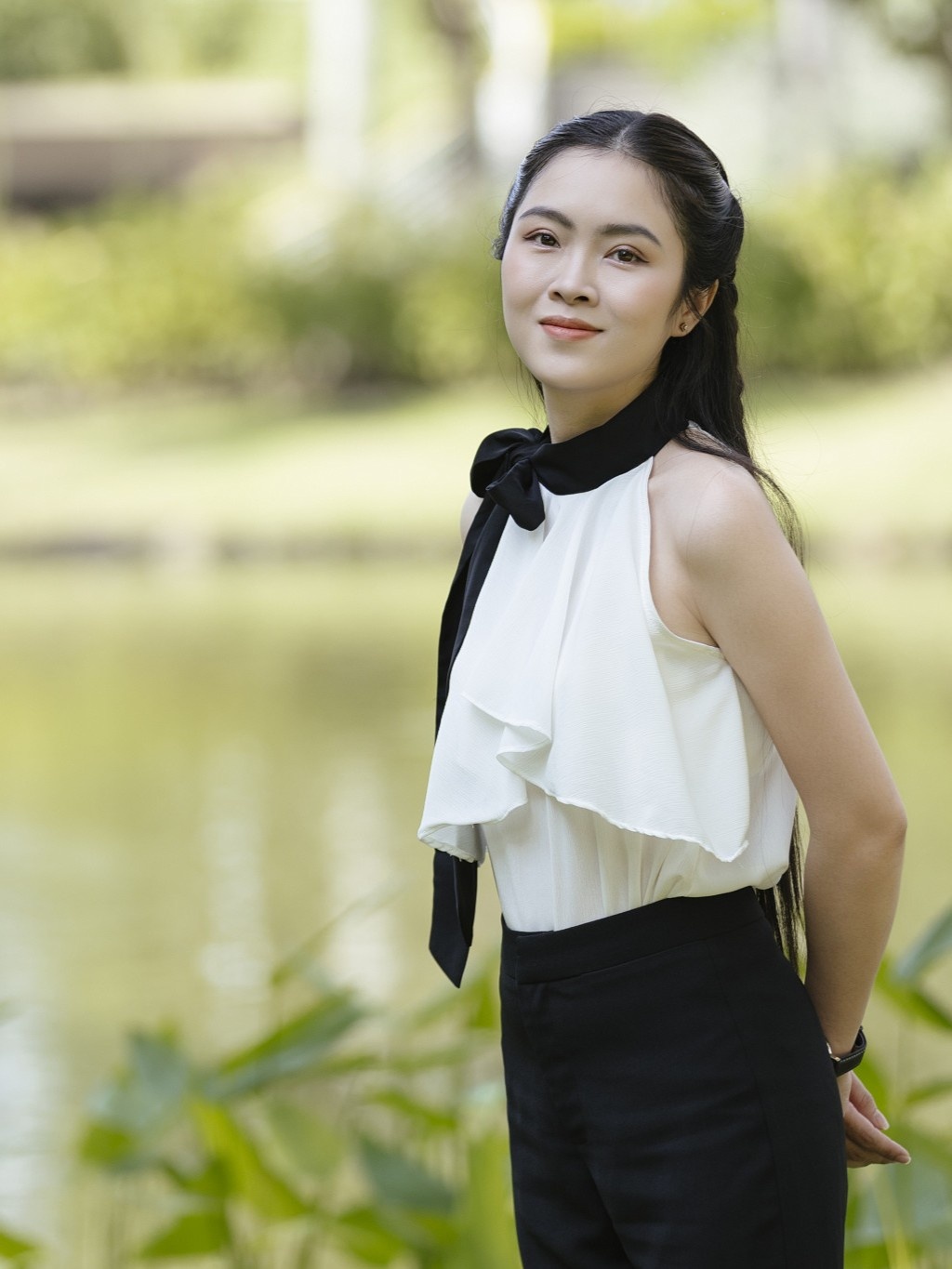 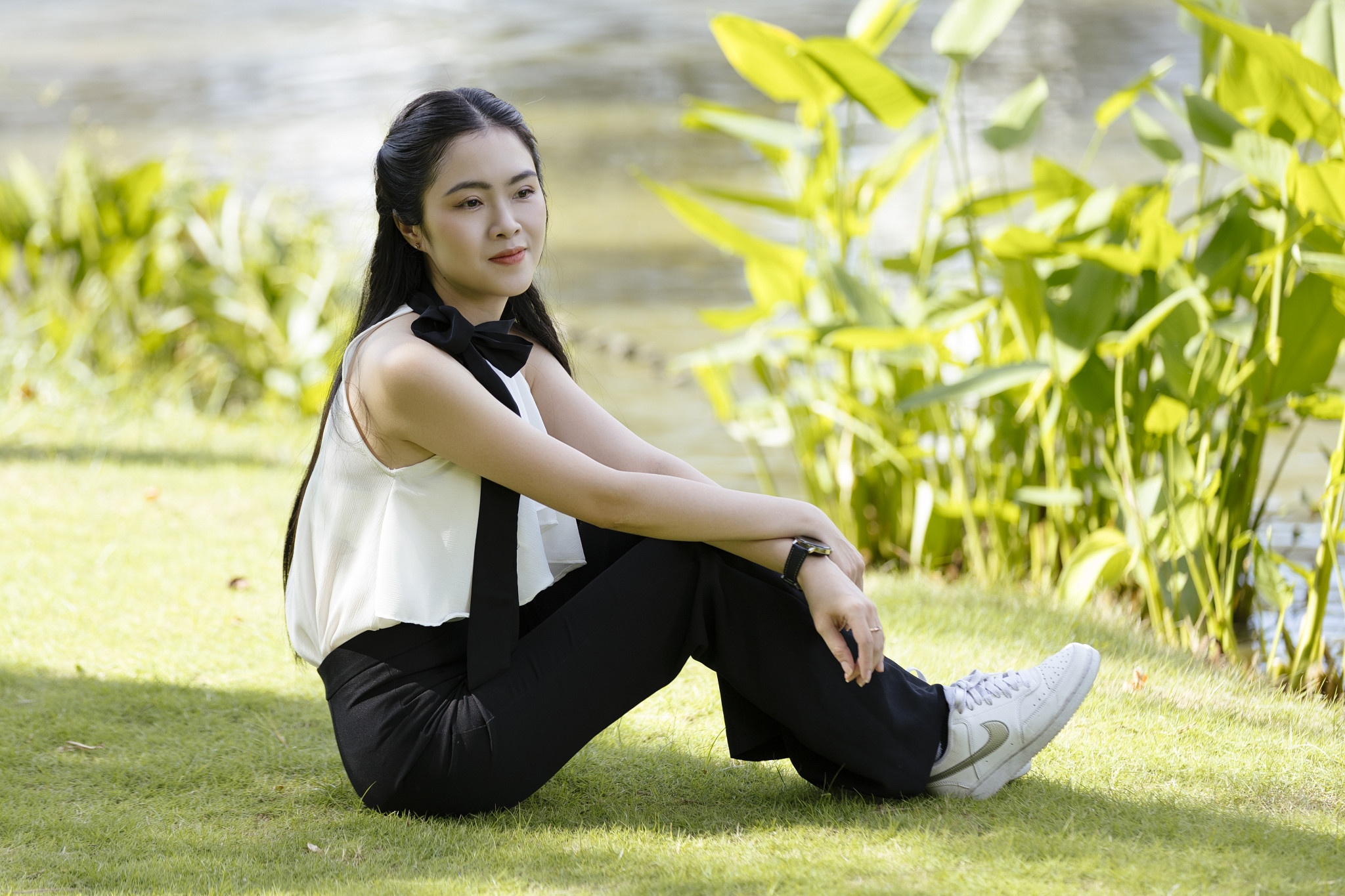 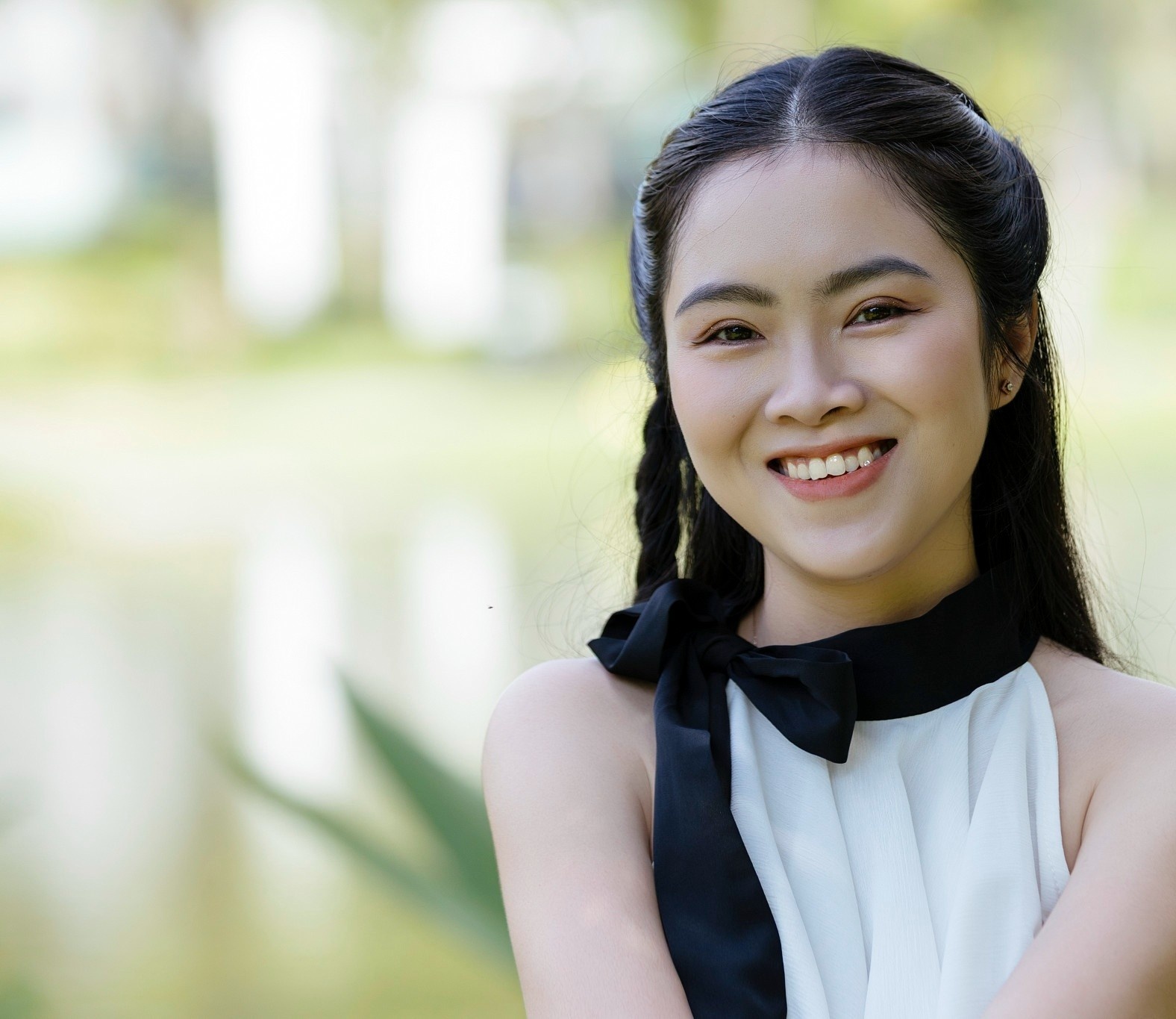 |
After a long course of treatment, my tumor has disappeared. |
After being discharged from the hospital, completing my treatment plan, I entered a cycle of follow-up appointments every three months. At first, we—those who had shared a room, shared the same bouts of nausea—would still call each other to check in. But gradually, the messages became less frequent. Each time I heard that someone had passed away, my heart felt heavy.
"Will I end up like them?" I wondered after each follow-up visit. My tumor remained the same, not shrinking after two visits. But at the third visit, the doctor looked up, his voice cheerful: "The tumor is gone!"
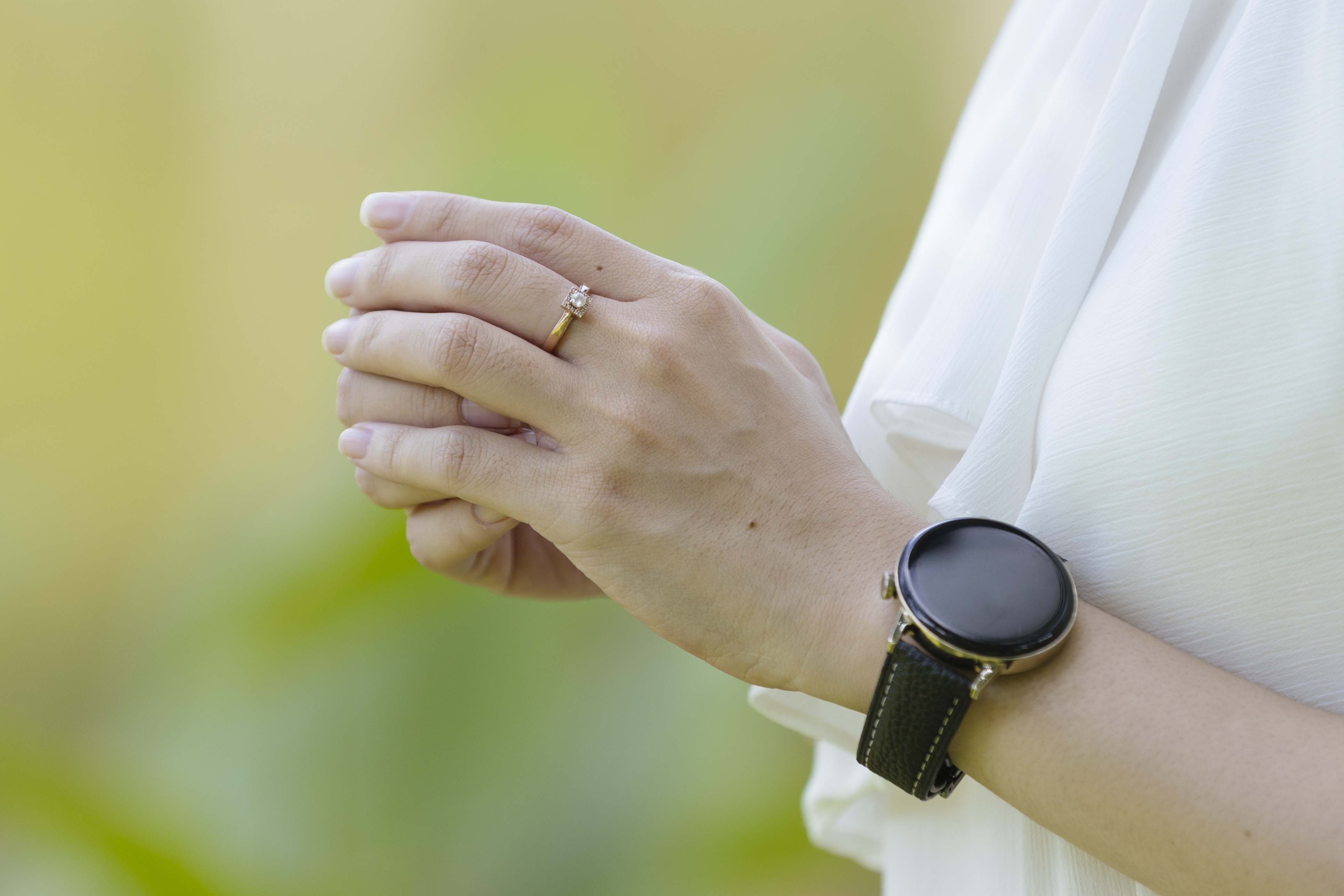 |
The ring is worn on the middle finger, as a symbol of self-love. |
I was stunned, my heart skipped a beat, then burst with happiness. A year later, I felt like I had been reborn. The sleepless nights, the haunting fear of cancer… gradually faded into the past.
But the fight against cancer was never easy. My joy was short-lived; at my next check-up, the doctor suspected I had a metastatic tumor. The only option this time was a hysterectomy. Luckily, the results showed it was benign. However, I also knew that the next chapter would be my new "destiny"—I would no longer have the opportunity to become a mother.
For me, the days of treatment are now scars, both on my body and in my memory. Looking back, I no longer feel pain, but have learned to appreciate health in a broader sense. I eat a balanced diet, exercise regularly, and listen to my body, even to the smallest changes. Most importantly, I can still sit with my child on their birthday, light candles together, and make wishes many more times.
Having gone through days of illness, I understand that women often forget about themselves until their bodies speak up with pain.
Currently, I spend more time with my family and on trips. Ta Nang - Phan Dung, a mountain trail nearly 30 km long, is where I recently set foot. Amidst the vastness of nature, I clearly see that my journey after illness hasn't ended, but has opened up many more experiences.
Sometimes, I tell myself: if only I had remembered to get regular screenings and HPV prevention earlier, perhaps I could have spared so much pain. Having gone through these days of illness, I understand that women often forget about themselves until their bodies speak out in pain.
Having once been close to death, I now understand even more deeply how fragile life is. And from that experience, I believe that the only way to repay life, to repay myself, is to live each day to the fullest, and never forget to proactively protect my health while I still can.
Source: https://znews.vn/toi-chien-thang-ung-thu-o-tuoi-27-post1594125.html









































































Comment (0)