

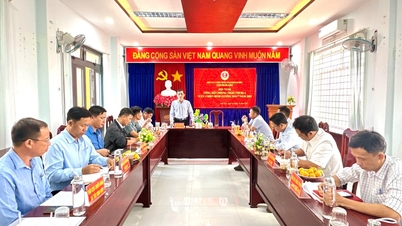
Also attending were comrade Nguyen Van Duoc, Deputy Secretary of the City Party Committee, Chairman of the Ho Chi Minh City People's Committee; Vice Chairmen of the Ho Chi Minh City People's Committee and representatives of leaders of Ho Chi Minh City's departments, branches and sectors.
Complete 6 urban railway lines by 2030
At the meeting, Director of the Ho Chi Minh City Department of Construction Tran Quang Lam said that according to the planning approved by the Prime Minister , the national railway network in the Ho Chi Minh City hub area includes 7 lines with a total length of 547km. Meanwhile, the urban railway network of Ho Chi Minh City alone includes 27 lines with a total length of 1,024km. The city aims to complete about 232km of urban railway by 2030, with a total preliminary investment of about 19.67 billion USD.
In the period of 2025 - 2030, Ho Chi Minh City will focus on investing and completing 6 important routes including: metro line 2 (Ben Thanh - Tham Luong section); metro line 2 (Ben Thanh - Thu Thiem); Thu Thiem - Long Thanh route; Binh Duong New City - Suoi Tien route; Thu Dau Mot - Ho Chi Minh City route; phase 1 of metro line 6 (Tan Son Nhat - Phu Huu); and Ben Thanh - Can Gio route.
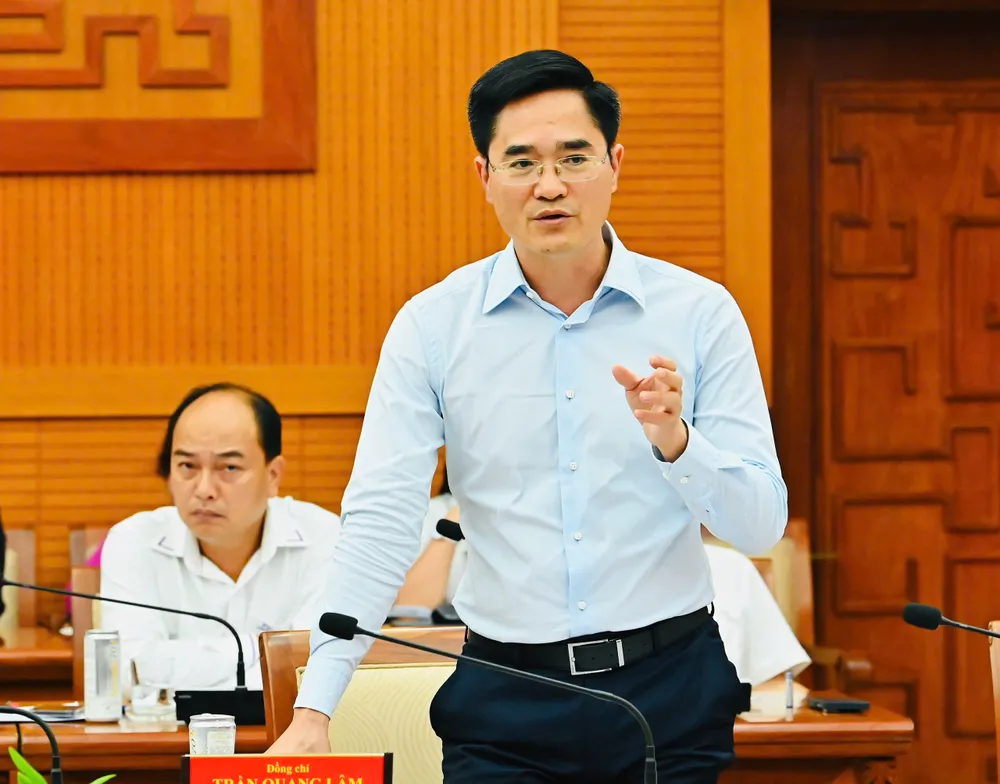
According to the assessment, the central government and Ho Chi Minh City budget can only meet about 66% of the total investment demand. Therefore, the city needs to urgently develop a project to mobilize additional resources, including exploiting land funds according to the TOD model (urban development associated with public transport) and public-private partnership (PPP) methods, especially build-transfer (BT) contracts.
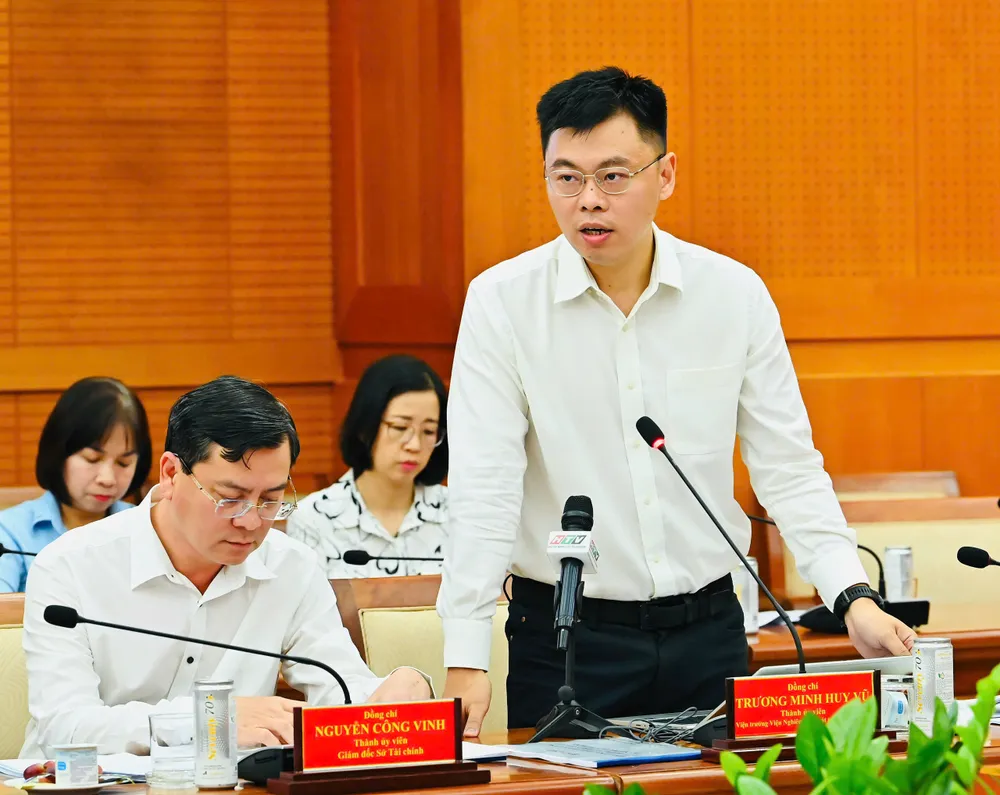
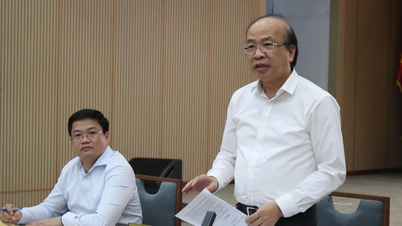
Meanwhile, Director of the Ho Chi Minh City Institute for Development Studies, Dr. Truong Minh Huy Vu, proposed establishing a 100% state-owned Urban Railway Corporation under the Ho Chi Minh City People's Committee to ensure investment, management and synchronous operation of the metro system.
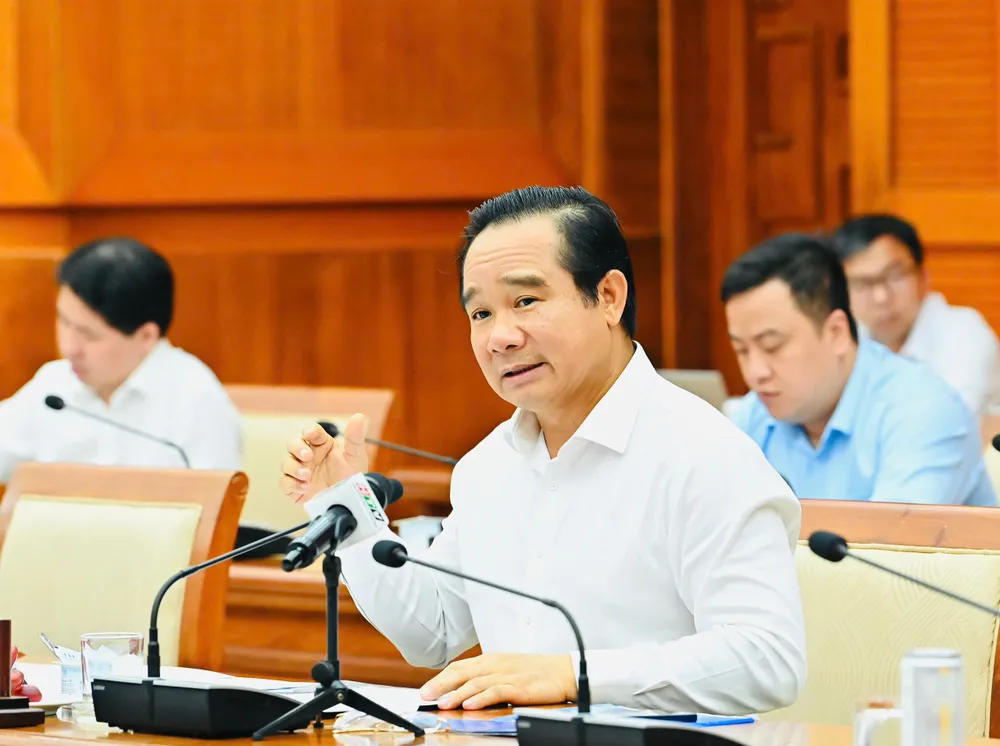
Speaking at the meeting, Chairman of the Ho Chi Minh City People's Committee Nguyen Van Duoc requested relevant departments, branches and units to select capable investors, review the overall railway network planning in accordance with the new space of Ho Chi Minh City to update the city's general planning and adjust the Ho Chi Minh City planning for the 2021-2030 period, with a vision to 2050.
At the same time, review, organize the establishment, appraisal, approval, and adjustment of urban development area planning in the direction of TOD around urban railway stations and depots to exploit this resource to serve the city's development.
Ben Thanh – Can Gio railway line to start construction in December
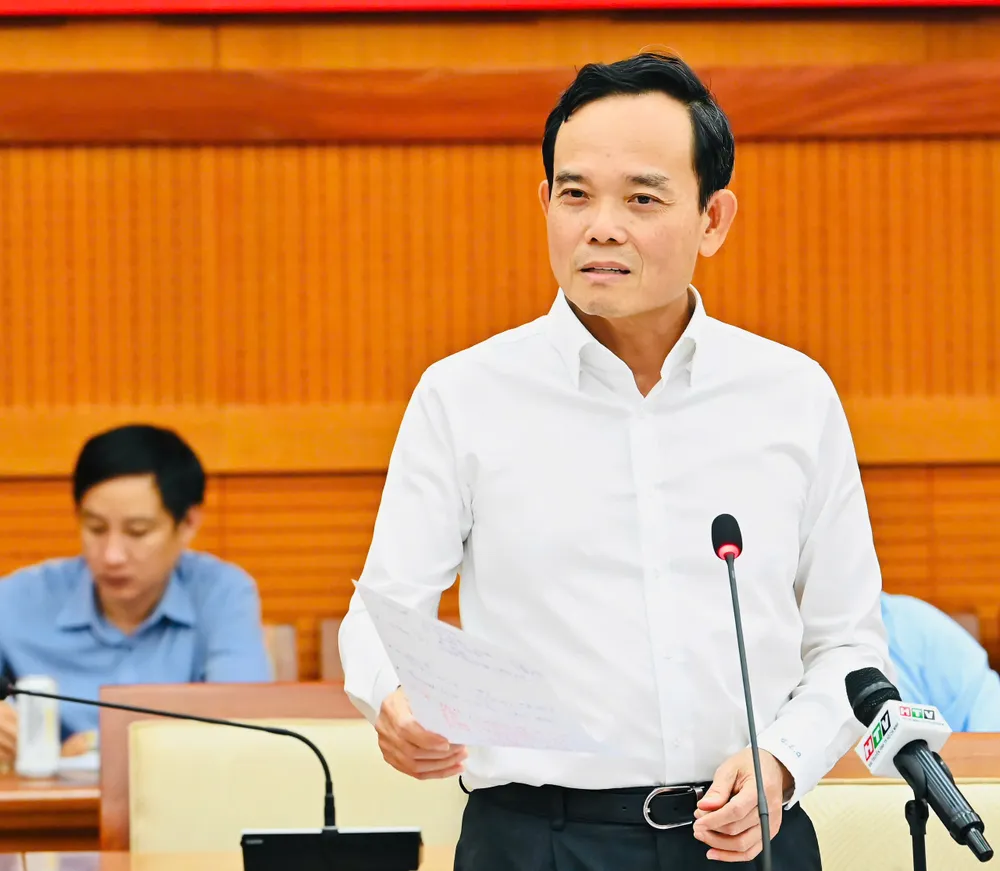
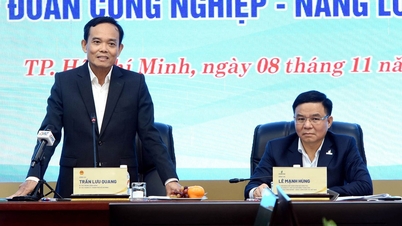
In his concluding remarks, Secretary of the Ho Chi Minh City Party Committee Tran Luu Quang requested the entire city's political system to focus on completing the 6 metro lines of Ho Chi Minh City and 2 national railway lines assigned by the Central Government. Particularly for the 3 key lines (metro No. 2 Ben Thanh - Tham Luong, metro No. 2 Ben Thanh - Thu Thiem, and Thu Thiem - Long Thanh), he directed that they must be completed before 2030, clearly requiring each progress milestone, assigning specific responsibilities, avoiding delays and overlaps. The city will organize the groundbreaking ceremony for the Ben Thanh - Can Gio line on December 19, requiring departments and branches to carry out many tasks in parallel to ensure progress, avoiding waiting and congestion due to lack of coordination.
At the same time, the Ho Chi Minh City Urban Railway Management Board built two Gantt charts (progress charts): one from now until 2030 and one from now until June 2026, to fully monitor the progress of each department, agency, and sector in implementing the task of developing the railway network.
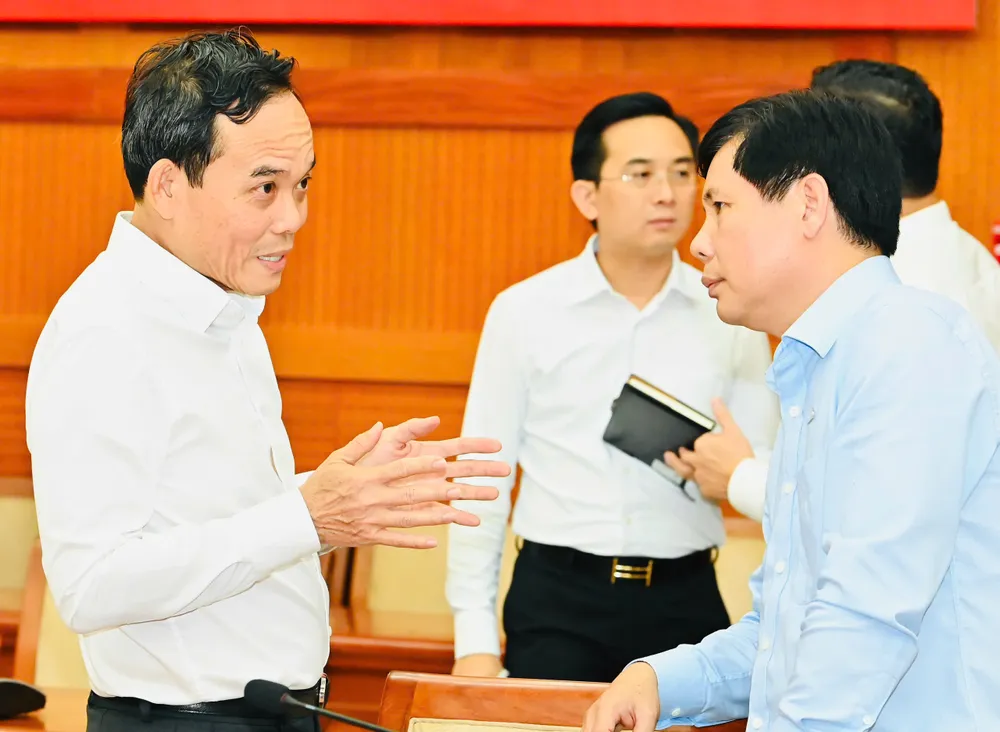
Regarding resettlement work, comrade Tran Luu Quang emphasized the spirit of prioritizing resettlement arrangements for each project, avoiding the situation of building concentrated areas but people not coming to live because of concerns about not being able to secure their livelihoods.
During the time people have to move out of their old place of residence while the resettlement area is not completed, the city has a mechanism to support them with rent while waiting to receive a place in the resettlement area.
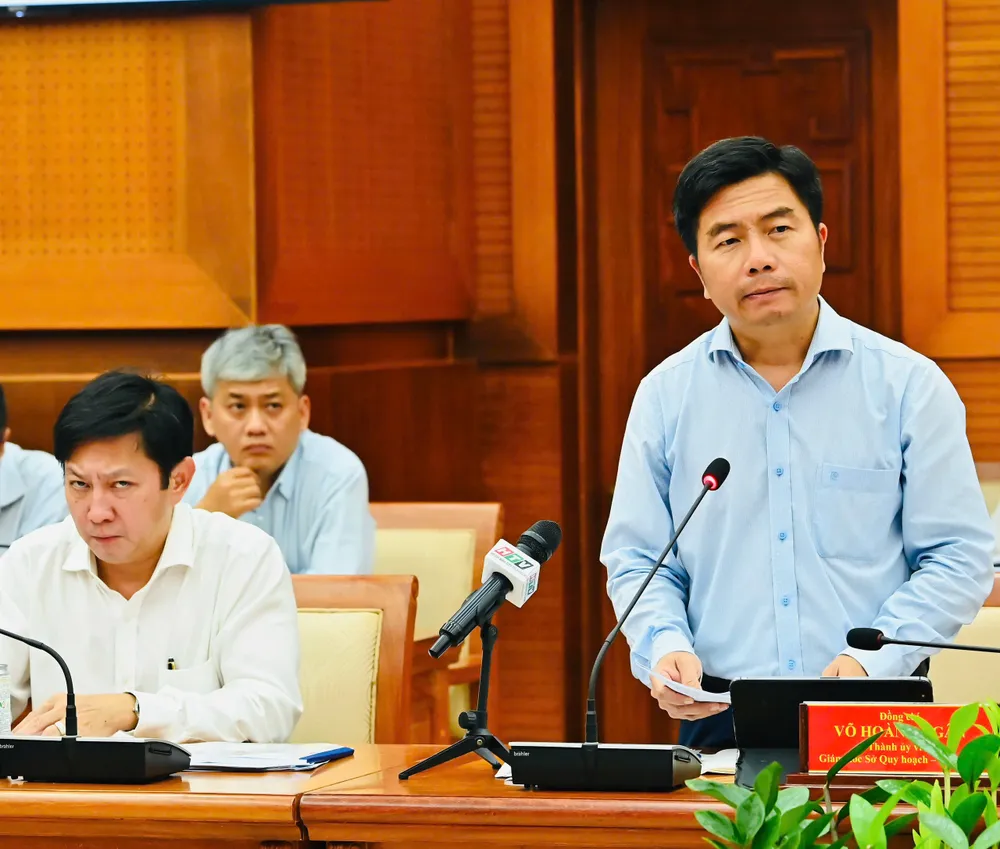
In addition, he also noted that it is necessary to calculate and prepare a part of the pre-built housing fund in convenient locations with the ability to generate profits in order to promptly resolve special cases, ensuring that people not only have a place to live but also have the conditions to make a living and stabilize their lives in the long term.
He also requested to digitize the entire resettlement process for people affected by railway projects to ensure transparency, accuracy and convenience during implementation.
Ben Thanh - Tham Luong route to start construction in early 2026
Regarding the progress of the implementation of urban railway line No. 2 (Ben Thanh - Tham Luong), the Director of the Department of Construction of Ho Chi Minh City said that the city plans to start the project in January 2026. This is the first metro line in Ho Chi Minh City to apply specific mechanisms and policies according to Resolution 188/2025/QH15 of the National Assembly, on piloting a number of specific and special mechanisms and policies to develop the urban railway network system in Hanoi and Ho Chi Minh City.
Currently, Ho Chi Minh City is coordinating with relevant ministries and branches to review and unify the list of main regulations and standards that will be applied to the project.
Discussing this issue, Secretary of the Ho Chi Minh City Party Committee Tran Luu Quang noted that the development of technology and technical standards must be universal, absolutely not creating advantages or priorities for any contractor or technology to ensure transparency and competition in attracting investment.
Source: https://www.sggp.org.vn/tphcm-tang-toc-ve-dich-232km-metro-vao-nam-2030-post823531.html



![[Photo] Unique art of painting Tuong masks](https://vphoto.vietnam.vn/thumb/1200x675/vietnam/resource/IMAGE/2025/11/14/1763094089301_ndo_br_1-jpg.webp)

![[Photo] Unique architecture of the deepest metro station in France](https://vphoto.vietnam.vn/thumb/1200x675/vietnam/resource/IMAGE/2025/11/14/1763107592365_ga-sau-nhat-nuoc-phap-duy-1-6403-jpg.webp)











![[Photo] Special class in Tra Linh](https://vphoto.vietnam.vn/thumb/1200x675/vietnam/resource/IMAGE/2025/11/14/1763078485441_ndo_br_lop-hoc-7-jpg.webp)














































Comment (0)