

Fever is one of the symptoms that worries many parents, especially when children have a high fever that lasts for a long time or are at risk of seizures. According to Master of Nursing Nguyen Thi Thu Hang, Nursing Department, National Children's Hospital, correctly identifying the fever and treating it promptly will help limit dangerous complications for children.
When is something considered a fever?
A child's normal body temperature ranges from approximately 36-37.4 degrees Celsius. A child is considered to have a fever when their body temperature is 37.5 degrees Celsius or higher.
Fever levels are divided into different thresholds. These include mild fever at 37.5-38 degrees Celsius; moderate fever above 38-39 degrees Celsius; high fever above 39-40 degrees Celsius; and very high fever exceeding 40 degrees Celsius.
According to experts, fever is essentially the body's reaction to various pathogens. The most common causes are bacterial or viral infections in the respiratory, digestive, or urinary-genital systems. In addition, children can also develop fever due to parasitic infections, autoimmune diseases, or malignant conditions.
Nurse Hang said that to determine if a child has a fever, parents should use a mercury thermometer or an electronic thermometer instead of just touching the child's body. Temperature can be measured in the ear, forehead, mouth, armpit, or rectum.
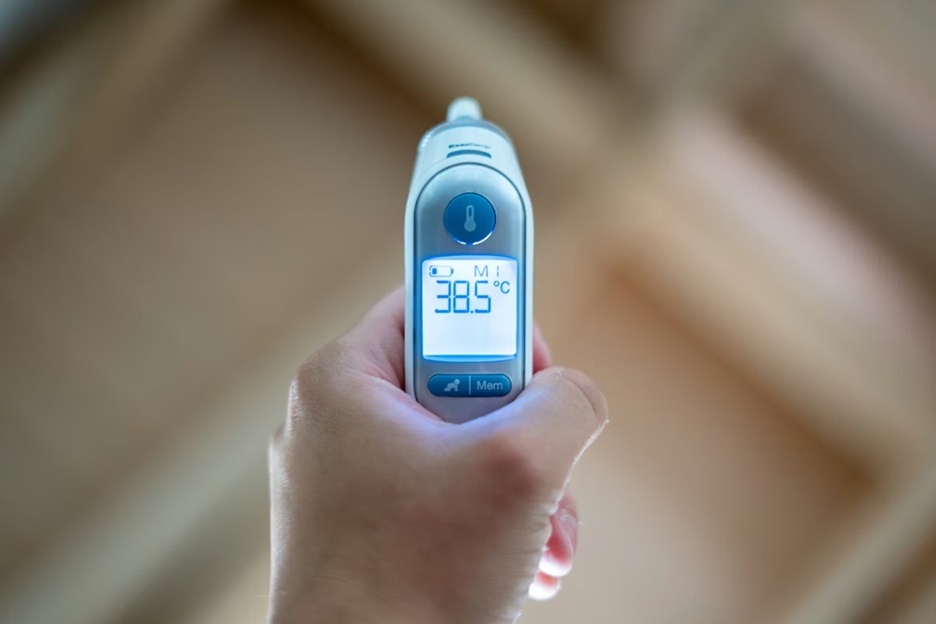 |
If a child's fever doesn't subside after medication, and is accompanied by difficulty breathing, cyanosis, seizures, or dehydration, parents should take the child to the hospital for prompt treatment. Photo: Unsplash. |
In this measurement, the temperature taken in the armpit is usually about 0.3-0.5 degrees Celsius lower than the temperature in the mouth and rectum. Therefore, when the armpit temperature is above 37.2 degrees Celsius, the child is considered to have a fever.
How to prevent febrile seizures
When a child has a fever, it's important to keep them in a well-ventilated room, avoid drafts, and limit the number of people around them. Parents should loosen or remove some of the child's clothing to allow their body to dissipate heat more easily.
"One of the safe and effective ways to reduce fever is with warm compresses. Parents can use a soft cloth soaked in warm water to wipe the forehead, armpits, groin, palms, and soles of the feet of their children," nurse Hang said.
The water used for compresses should be warm, similar to the water used for a baby's bath. Doctors advise against using cold water for fever reduction compresses. Cold compresses can cause blood vessels and pores to constrict, making it difficult for heat to escape and potentially causing the child's fever to rise even higher.
During the application of compresses, the towel should be changed frequently when it cools down, and the child's temperature should be checked every 15-30 minutes. The compresses should be stopped when the body temperature drops below 37.5 degrees Celsius.
After wiping the child's body, it's necessary to dry the skin and dress them in light, breathable clothing. This should be done gently to avoid causing pain, irritation, or skin damage.
According to recommendations, children should be given fever-reducing medication when their underarm temperature is 38 degrees Celsius or higher. The commonly used medication is Paracetamol, with a dose of 10-15 mg/kg per dose, given every 4-6 hours, and it is essential to follow the doctor's instructions.
In addition to medication, parents should give their children plenty of fluids to prevent dehydration caused by fever.
For children with a history of febrile seizures, parents should use prophylactic seizure medication as directed by a specialist doctor.
"When children have a prolonged fever, a persistently high fever, or exhibit unusual symptoms such as lethargy, difficulty breathing, or seizures, parents should quickly take them to a medical facility for examination, diagnosis, and timely treatment," Nurse Hang emphasized.
Source: https://znews.vn/tre-sot-bao-nhieu-do-thi-can-di-vien-post1653754.html





























































































Comment (0)