

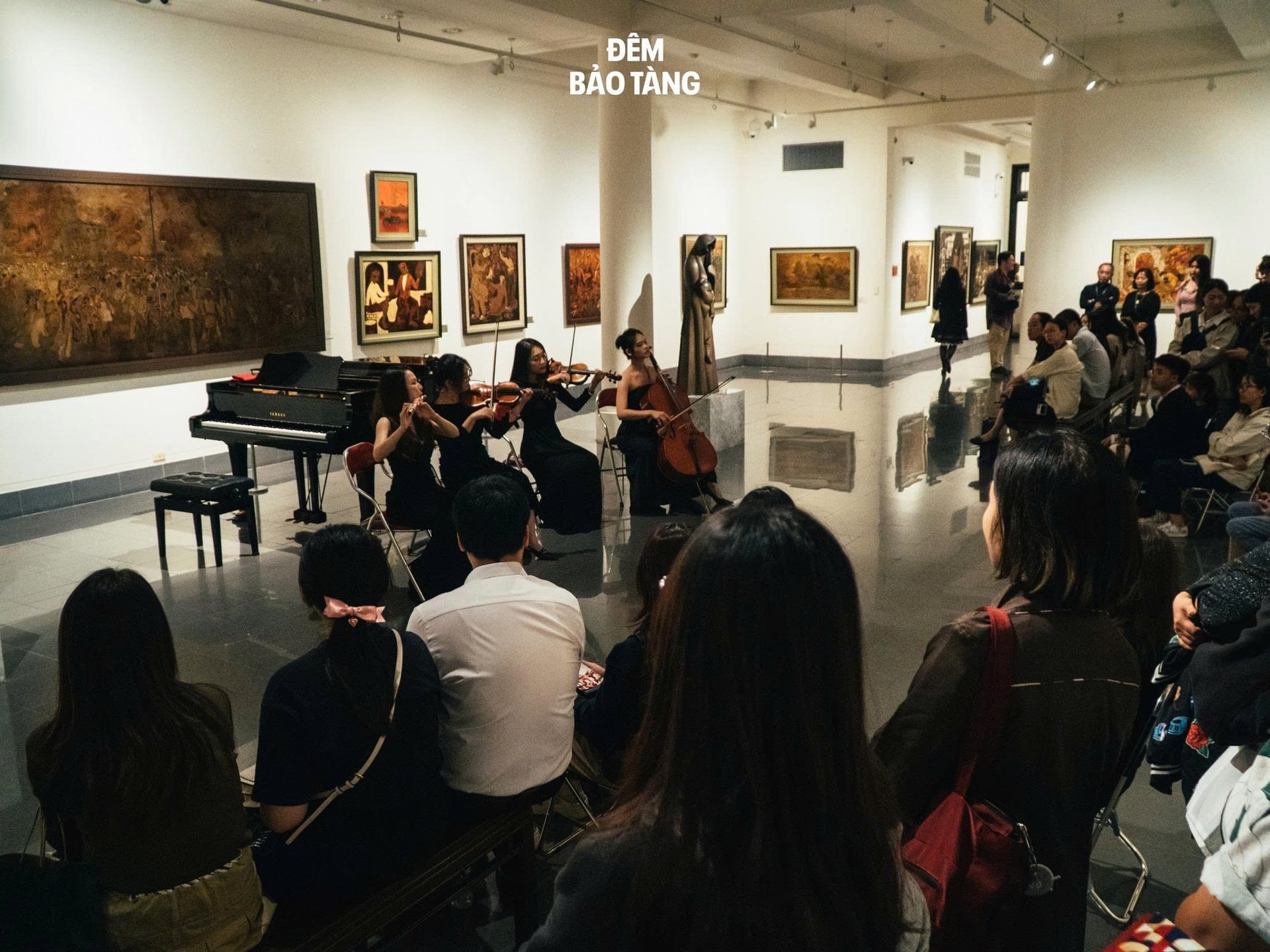
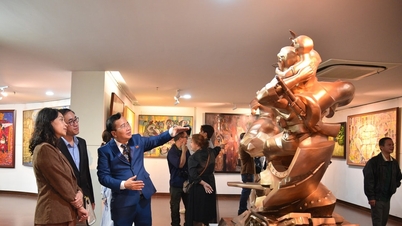
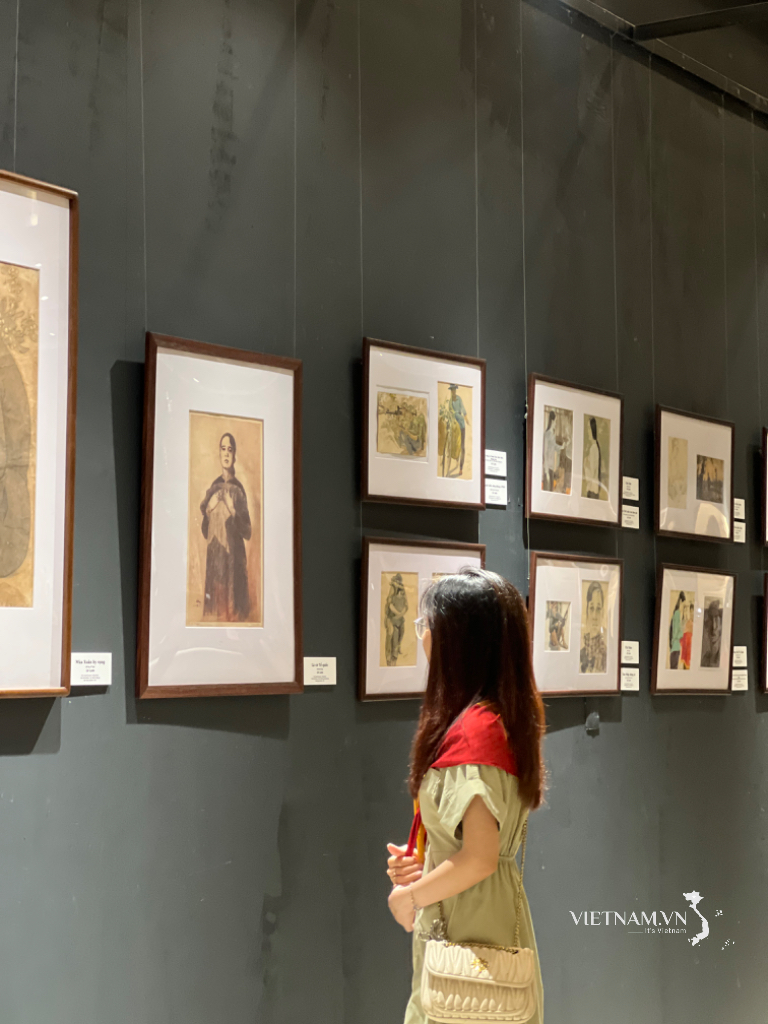
The feeling of walking among the artifacts in the dim light, imagining them coming to life and conversing with you, is indescribable and exciting. Yet that imagination is no longer too far-fetched. Recently in Hanoi , the Vietnam Fine Arts Museum has launched a very attractive initiative: "Museum Night", open in the evening once a month, combining sightseeing - experience - art exchange.
Surprisingly, the first Museum Night series in three months corresponding to three themes: October - Charming Autumn; November - Winter Street Stories and December - Missing the Twelve all sold out within a short time after ticket sales opened. This initiative brought a special vitality to the Hanoi Fine Arts Museum, and created a highlight full of anticipation for Hanoians as well as a special experience for tourists.
The interesting point of this activity is that it not only extends the opening hours, but actually creates a completely different approach to the fine art heritage: When the sun sets and the museum doors close with a different rhythm than during the day, the museum space becomes much quieter, deeper and more sensual.
In that atmosphere, visiting the museum with the support of the iMuseum VFA automatic guide application not only helps the audience have special experiences full of emotional depth in the quiet night space, with gentle and soothing music , but also has a personalized journey designed according to their understanding and personal interests to view and learn about the artifacts and collections in the museum.
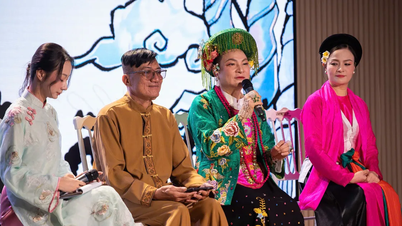
But “Museum Night” is not just about sightseeing. The organizers have created an entire ecosystem of multi-sensory experiences and diverse activities for the audience to participate in creativity. Here, visitors can watch artists draw live; practice sketching or print woodcuts (folk paintings); listen to concerts by artists from the National Academy of Music with melodies that match the theme of each night; participate in discussions about National Treasures or listen to researchers tell stories with guided tours designed according to the theme. The Eastern and Western Fine Arts bookstore adds another layer of dialogue, allowing viewers to continue learning even after leaving the museum.
What I like most about this model is the way it softens heritage: it is less formal, less “distant”, and becomes part of everyday life. And also the way it is designed to let the audience participate in the activities, that is, not only “watch, listen” but also “think, do”. In the context of the cultural industry being identified as a key economic sector, such approaches open up many suggestions so that cultural heritage – which seems to be closed – can become a living source of inspiration for the contemporary public.
When the past talks to the present
Looking at “Museum Night”, it can be seen that the public’s demand today is not just “viewing heritage”, but “experiencing heritage”. People no longer want to stand behind glass cases and read explanations from a distance. They want to touch the materials (even through interactive versions), listen to behind-the-scenes stories, make – draw – print – create something, immerse themselves in the artistic atmosphere, and most importantly: feel like they are part of the heritage. That is the spirit of “awakening heritage” – so that the past does not lie still but connects, talks, and shines light on the present.
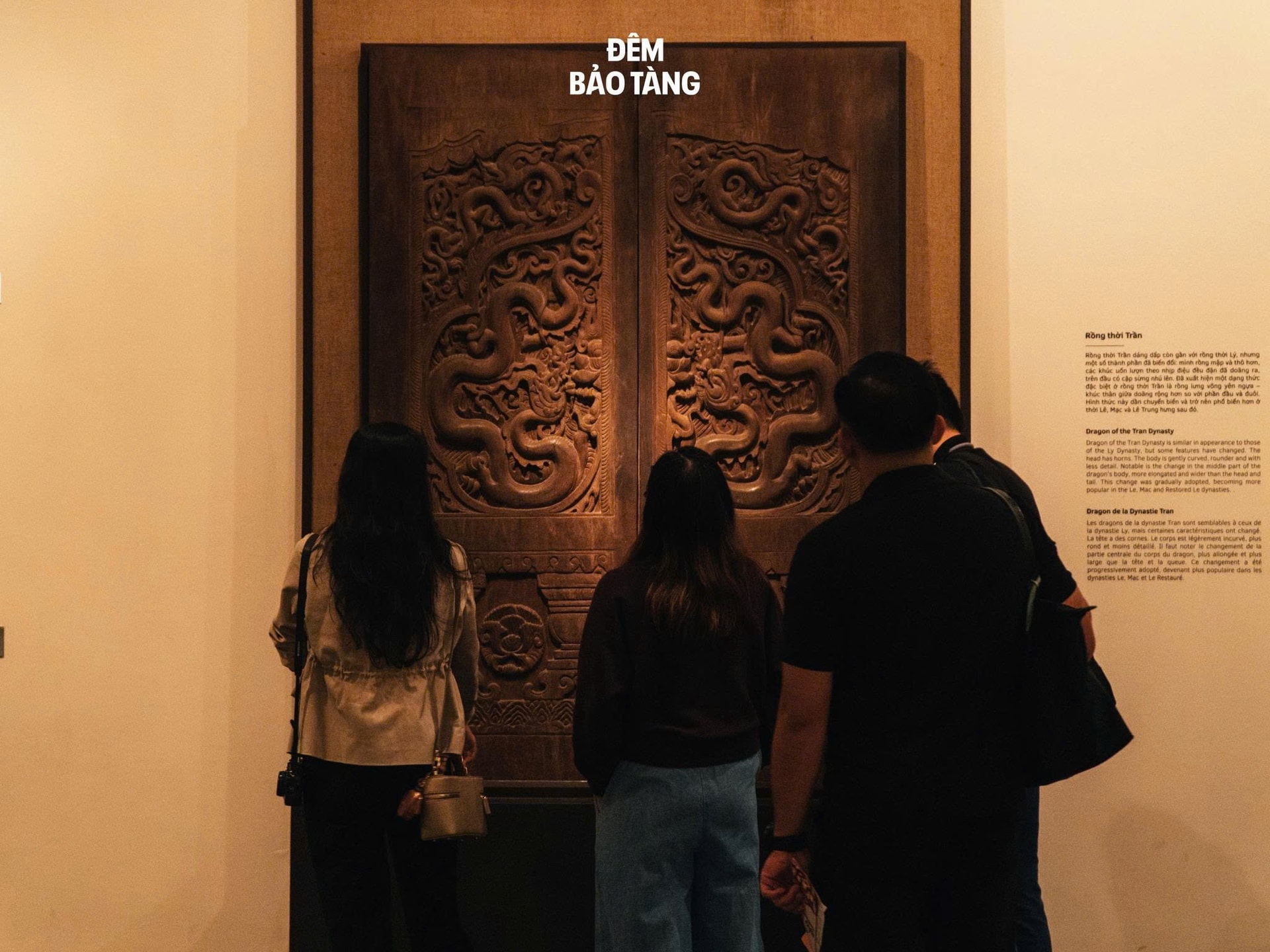
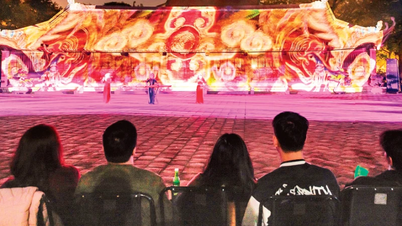
Heritage is not lacking in content, value, or meaning. What is lacking is the method of storytelling, the art of presentation to bring those values closer to today's life: through performance art, automatic interpretation technology, practical workshops, night programs, journeys connecting heritage sites, cultural and creative products, books and accompanying publications... In many countries, models of night heritage tours - such as Night at the Museum, Late Night at the Gallery, Heritage walk at night tours or after-hours museum experience packages - have been and are being developed as attractive cultural and tourism products, attracting a large audience.
Viewers actively arrange their schedules according to those nights, and museums become places for dating, meeting, and finding inspiration. In Vietnam, similar models are emerging in Hanoi, Hue, Hoi An - and seem to be in the first steps. The question is: is it possible to build heritage nights to become "regular meeting places" of urban cultural life?
It’s not just about opening at night - it’s about creating an experience. For a “heritage awakening” model to really make an impression, opening at night is just a necessary condition. The important thing is to design the experience - how to make every person entering the heritage feel like they have a memorable journey. From the Museum Night model in Hanoi, many suggestions can be seen. A city can organize nights with the theme “Historical Night” - connecting museums with ancient citadels, monuments, relics, “Art Night” - connecting museums, galleries, theaters, “River - Street Night” - telling the story from the river to the city. At that time, heritage does not stand alone but becomes a vivid cultural map…
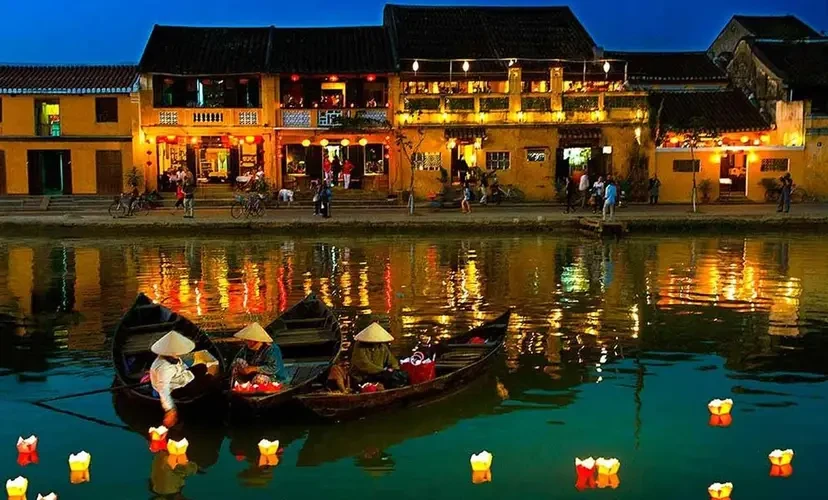
Looking at Quang Nam - a land rich in heritage but lacking in night experiences
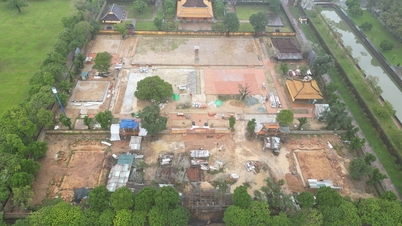
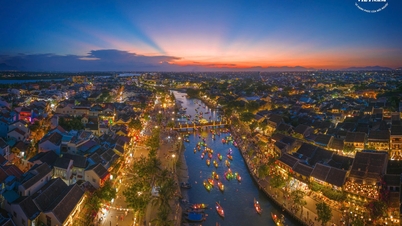
For Da Nang readers, the story of “Museum Night” may bring many thoughts, because this place possesses a heritage system that is rare in any other place: Hoi An - a world cultural heritage; Cham heritage - from My Son Sanctuary to the Cham Sculpture Museum; Marble Mountain heritage; craft villages: Thanh Ha pottery, Kim Bong carpentry, Cam Ne mats...; local nature - culture: sea, forest, folk festivals, traditional music.
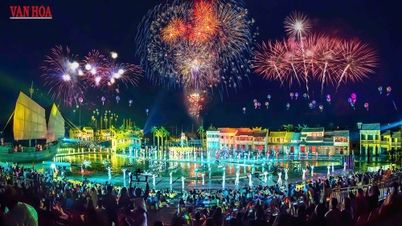
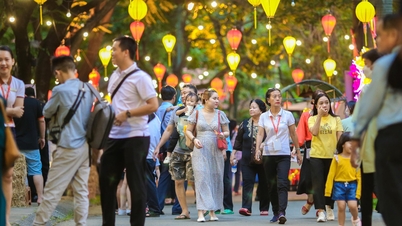
Despite such rich heritage, the “heritage at night” experience is still quite limited: Hoi An is sparkling, but mainly commercial services; heritage storytelling activities are not in-depth. The Cham Sculpture Museum does not have regular night programs. My Son at night is still limited to light shows, not creating a multi-layered experience.
Museums in Da Nang have not yet exploited much space after office hours. This poses a great opportunity: Da Nang can completely become the "capital" of Vietnamese heritage nights, if it knows how to organize models like Hanoi or some other cities in the world have done.
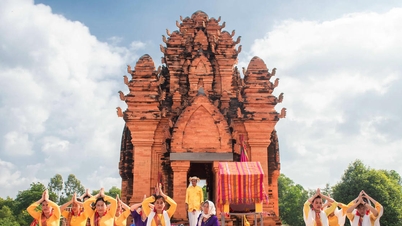
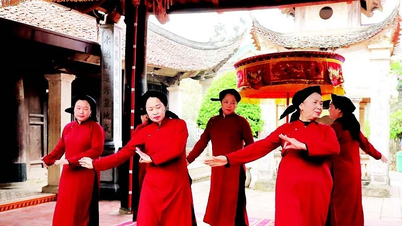
In this land, we still look forward to Champa Nights with Apsara dances and Cham Fine Arts history books on display; Hoi An Night with a tour leading the journey back to the time when it was a bustling trading port until it became a city today...; My Son Night - when the ancient tower lights up, not only lighting but also experiencing ancient Cham music, reading epics, brocade weaving workshops, storytelling from an archaeological perspective; ... When properly designed, these activities not only serve tourists but also bring local people back to their own heritage.
For heritage to truly live in the hearts of the public, the “Museum Night” or “Heritage Night” model is ultimately not about extending opening hours. It is a philosophy of approaching heritage in the contemporary era: heritage must live, must communicate, must tell stories in a language that today’s audiences understand and want to hear, and must create a sense of “I belong here” by involving the audience in the activities.
When people find heritage attractive, they return. When the younger generation finds heritage close, they protect it. When heritage becomes an experience, it is no longer the past – it becomes part of the future.
Source: https://baodanang.vn/tu-dem-bao-tang-nghi-ve-mo-hinh-dem-di-san-o-cac-do-thi-3313959.html
































































Comment (0)