

Shaping the mindset of " economic space" is opening up a sustainable development direction for Tra My cinnamon, a forest product considered a treasure of this mountainous region.
Developed from practice
Trà My cinnamon has long been known as a valuable medicinal herb with endemic genetic resources, unique ecological conditions, high essential oil content, and many valuable biological activities. However, to truly become a powerful economic resource, a drastic change in production mindset is needed.
Mr. Trinh Minh Nhut, Director of the Tra Leng Ecological Cinnamon Agricultural Cooperative (Tra Leng commune), said that with the desire to go beyond just selling raw products, the cooperative was established in 2020 to gradually enhance the value of local cinnamon. To date, the cooperative has developed more than 20 processed cinnamon products such as cinnamon essential oil, dishwashing liquid, floor cleaner, cinnamon powder, etc.
Besides product development, the cooperative also focuses on building the cinnamon value chain by actively encouraging people to participate in planting, providing training and transferring scientific and technical knowledge; thereby orienting development towards a concentrated, large-scale, specialized commodity production model.
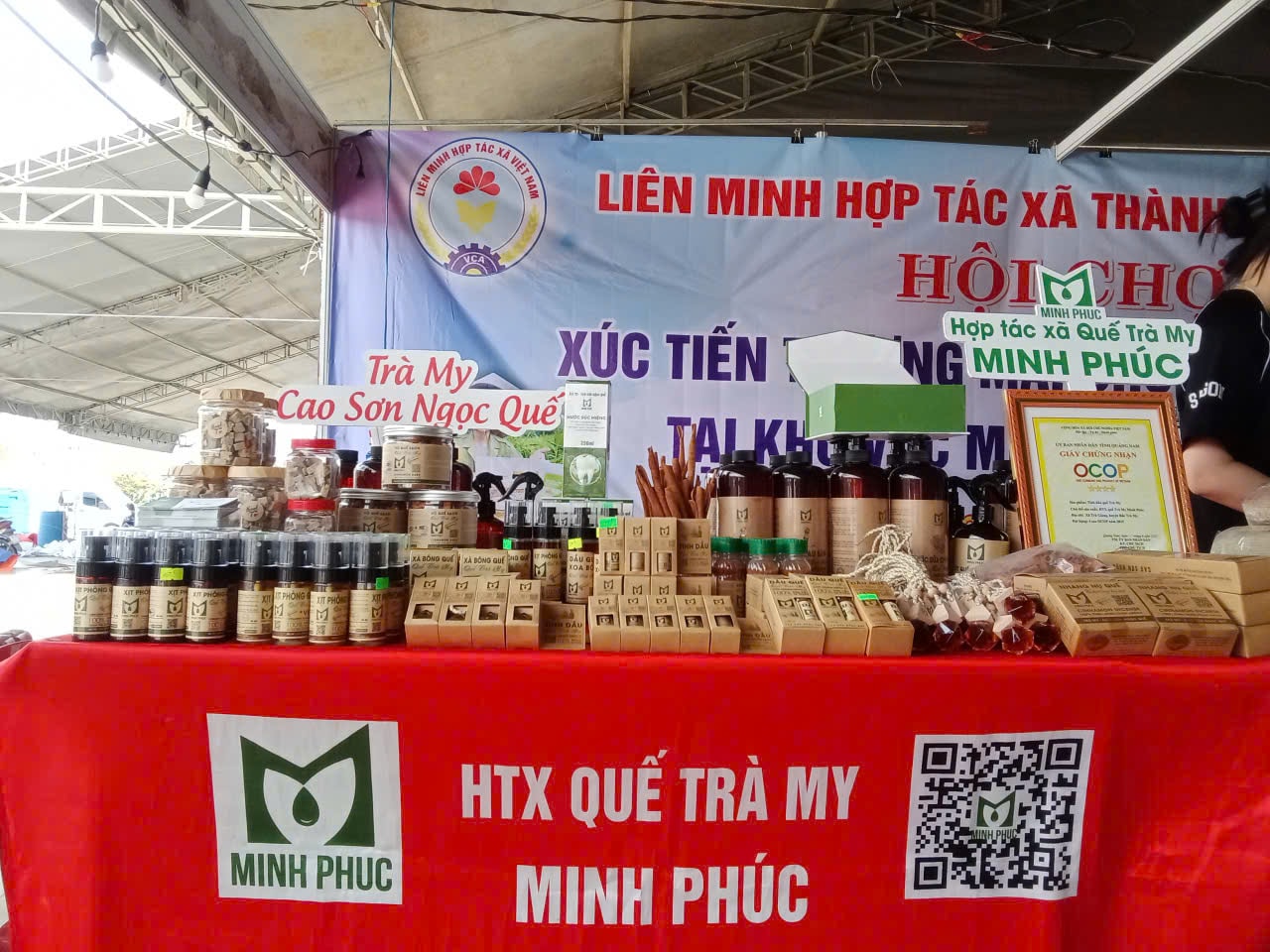
Sharing the aspiration to bring cinnamon to a wider market, the Minh Phuc Cinnamon Cooperative in Tra My commune has effectively utilized local resources to develop high-quality OCOP products. Ms. Nguyen Thi Viet, the cooperative's director, shared: “Business based on local resources is our biggest competitive advantage, but the challenge lies in technological innovation. We have decided not to sell raw materials but to focus on deep processing and the circular economy to maximize the value of the cinnamon tree.”
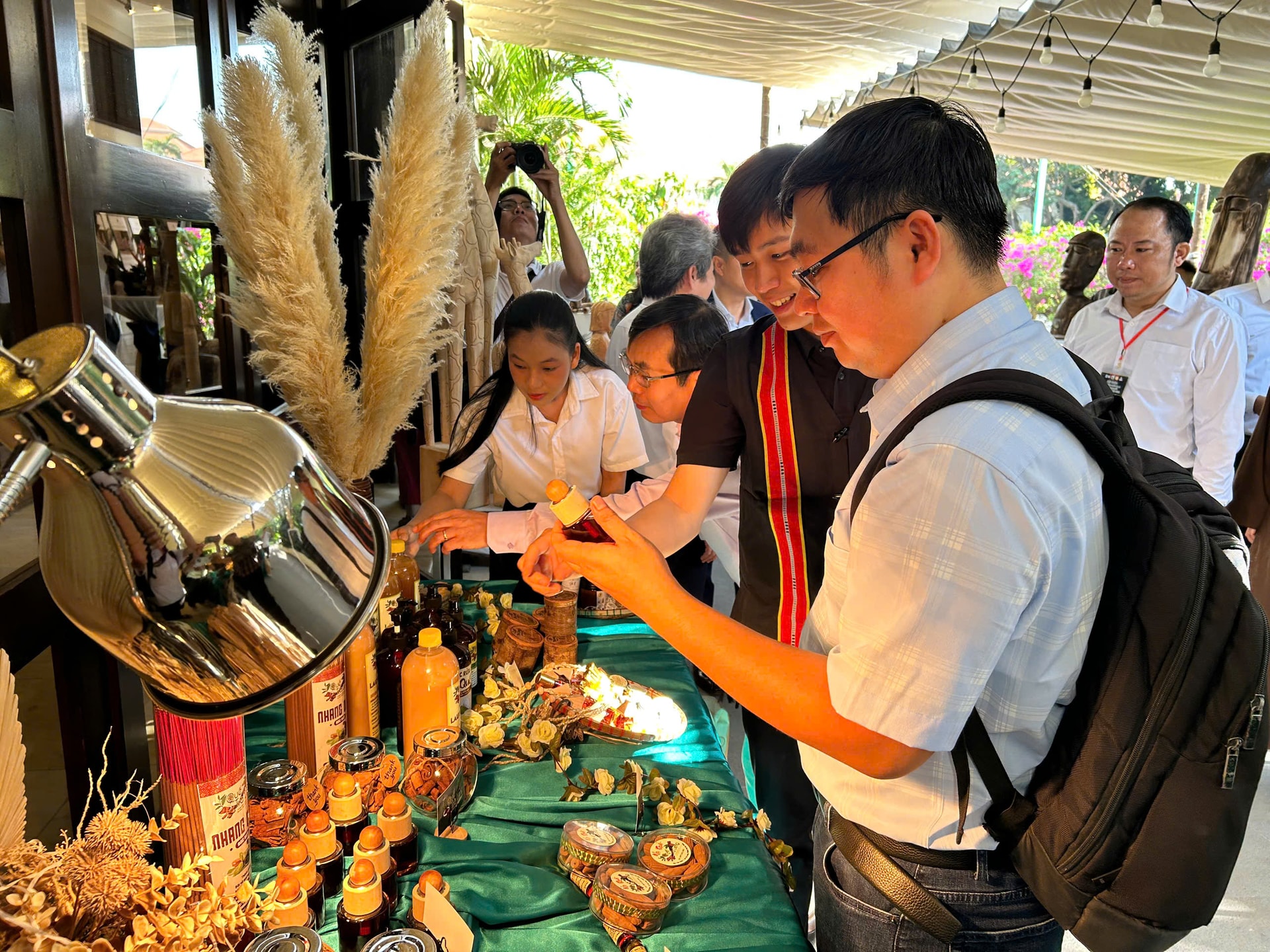
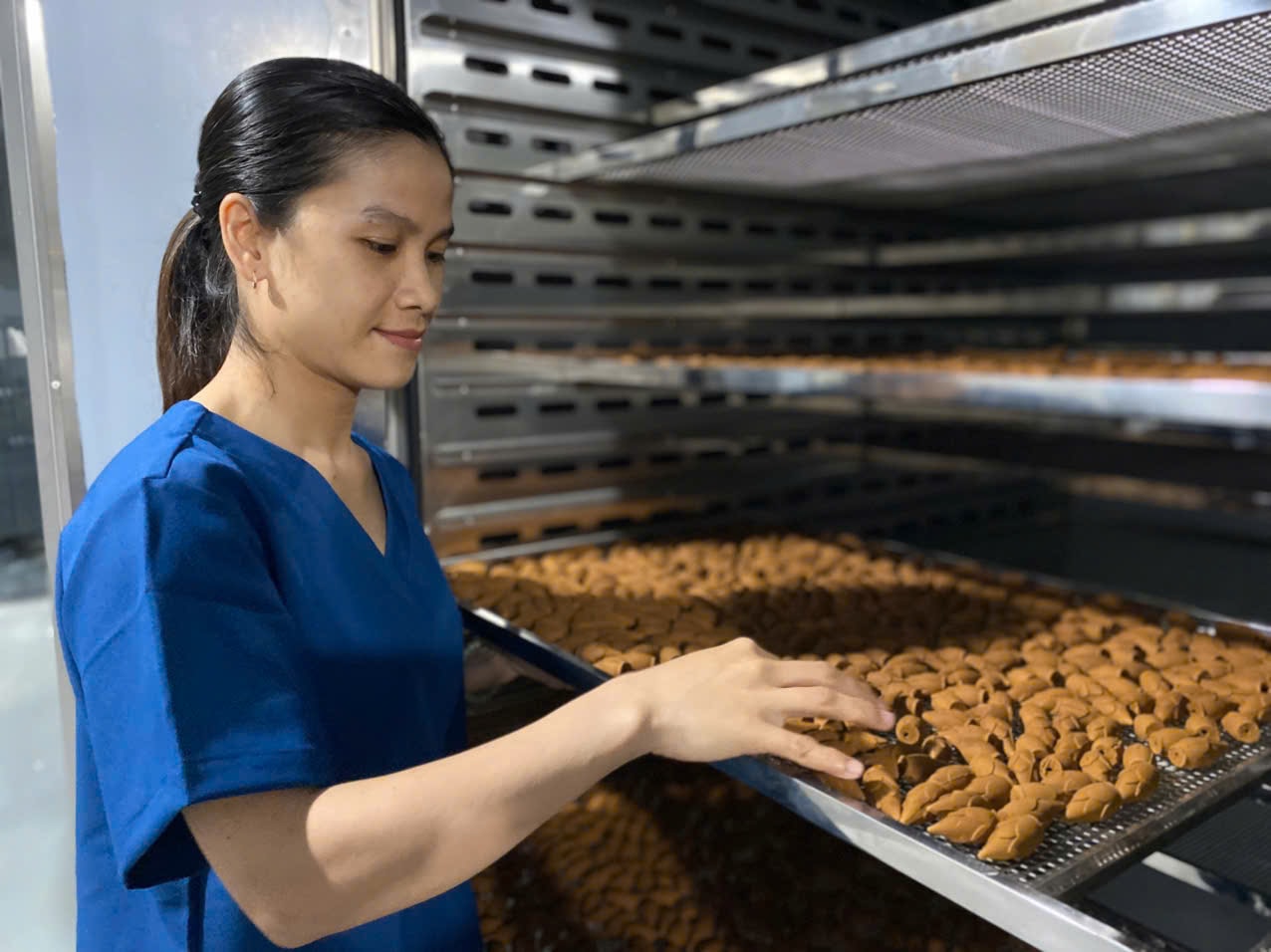
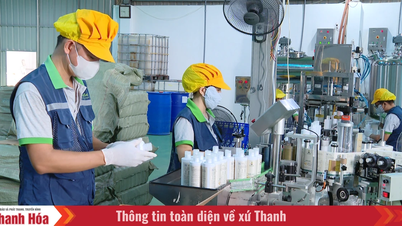
To achieve this goal, the cooperative invested in a factory spanning over 1,000 square meters, meeting ISO 9001:2015 standards, and equipped with modern essential oil distillation machinery and bottling lines. To date, the unit has launched nearly 20 commercial product lines, with cinnamon essential oil being the flagship product, achieving OCOP 4-star certification.
The cooperative also built a sustainable raw material area through a linked chain by signing cooperation agreements with 76 households, managing a cultivation area of nearly 150 hectares. To ensure quality during the deep processing stage, the cooperative provided technical training to farmers and applied GACP (Good Agricultural and Collection Practices for medicinal plants) procedures.
At the same time, the unit proactively cooperates with the Institute of Medicinal Materials (Ministry of Health) and international organizations such as PUM (Netherlands), VFBC (USA) for sustainable forest management and biodiversity conservation to transfer technology, helping products meet the stringent standards of the international market.
Establishing a "cinnamon economic space"
Cinnamon from Tra My is currently mainly distributed in the mountainous area west of the city, where the climate is cool and humid year-round and rainfall is high. The total cinnamon growing area in the region reaches nearly 4,000 hectares, concentrated in communes such as Tra Leng, Tra Van, Nam Tra My, and Tra Tap.
Mr. Chau Minh Nghia, Chairman of the People's Committee of Tra Leng commune, believes that developing deep processing industries and diversifying products is one of the important directions to enhance the value of Tra My cinnamon. If we only focus on exploiting raw materials, the economic value of cinnamon will be very limited and easily dependent on market fluctuations. By combining science and technology with indigenous knowledge, we can develop an ecosystem of high value-added products.
Therefore, the leaders of Tra Leng commune suggested that the cinnamon growing area planning should be further refined in the following direction: stabilizing the core area for genetic resource conservation, developing raw material areas suitable to ecological conditions, and limiting spontaneous expansion. In addition, it is necessary to develop transportation, logistics, and digital infrastructure to enhance market connectivity for the product.
According to Ms. Vu Thi Bich Hau, Deputy Director of the Department of Agriculture and Environment, the Tra My cinnamon growing area aims to reach approximately 10,000 hectares by 2030, including 7,500 hectares of stable raw material areas and 2,500 hectares of new planting. This is a sufficiently large scale to form a medicinal and aromatic plant growing area capable of competing if organized according to a synchronized value chain.
However, Ms. Hau also frankly acknowledged that many challenges remain, such as: scattered planting areas, risk of cross-breeding; limited capacity for deep processing; weak value chain linkages; and difficult infrastructure in mountainous regions…
"It can be affirmed that the current bottleneck does not lie in the inherent value of cinnamon trees, but in the lack of a fully developed ecosystem for the cinnamon industry, including: standard varieties, concentrated raw material areas, quality standards, deep processing, traceability, branding, and a sustainable linkage mechanism between the state - scientists - businesses - cooperatives - people," Ms. Hau stated.
Leaders of the Department of Agriculture and Environment believe that, in the new phase, the development of Tra My cinnamon needs to be approached from the perspective of a "cinnamon economic space" rather than simply developing a forestry crop. This is a comprehensive development structure in which cinnamon plays a central role, connecting many fields: raw material areas, medicinal plants, essential oil processing, handicrafts, ecotourism, indigenous culture, and forest protection.
This approach aligns with the trends of green economic development, circular economy, and sustainable exploitation of local resources, while also being closely linked to Da Nang city's development orientation for mountainous areas.
To realize this vision, Ms. Vu Thi Bich Hau proposed reviewing and updating the planning for the Tra My cinnamon growing area to ensure consistency with the mountainous region development plan, the medicinal plant program, and the OCOP program. The city needs to focus on preserving genetic resources, selecting and breeding new varieties, and applying science and technology to improve productivity and quality.
Specifically, it is crucial to establish a value chain linkage mechanism between the state, scientists, businesses, cooperatives, and the people, ensuring that cinnamon growers receive commensurate benefits. Furthermore, priority should be given to attracting investment in deep processing, developing a brand identity standard, and establishing a digital traceability system to protect the product's reputation in the international market.
Source: https://baodanang.vn/tu-duy-mo-nang-tam-gia-tri-que-tra-my-3337434.html



























































































Comment (0)