

  |
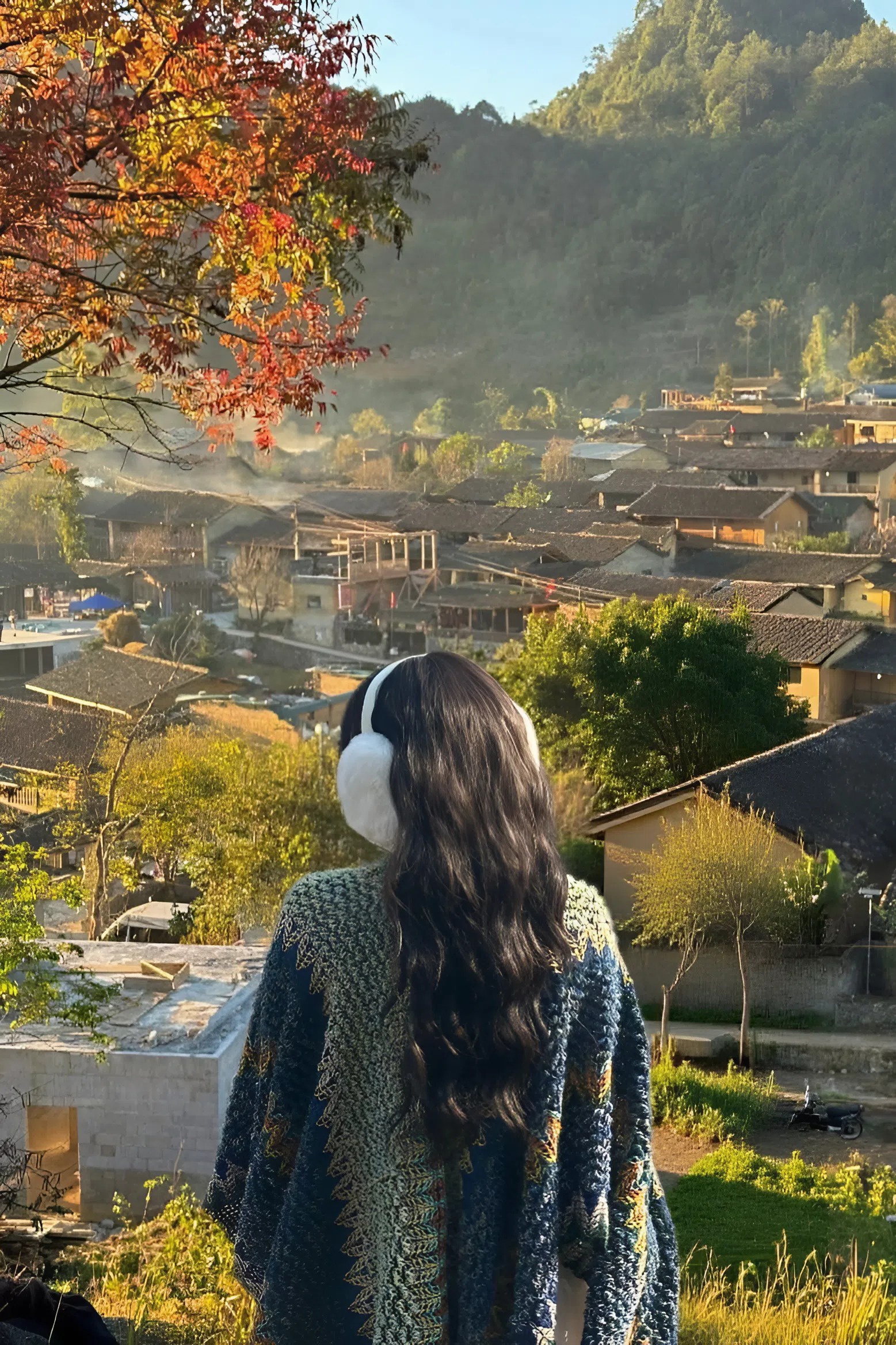 |
Tourists check in at Lo Lo Chai village on November 23. Photo: Phuong Thanh. |
Lo Lo Chai
Lo Lo Chai is located at the foot of Dragon Mountain, north of Lung Cu flagpole (Lung Cu commune, old Ha Giang , now Tuyen Quang), and is compared by tourists to a "fairy tale village" thanks to its landscape and the unique culture of the Lo Lo people.
From here, visitors can easily continue their journey to Lung Cu flagpole or the northernmost landmark.
In recent years, the Lo Lo people have developed a community tourism model to help tourists explore indigenous cultural life, experience daily life, cuisine and traditional customs in the border area. The pristine landscape and cultural space are preserved, while promoting sustainable tourism associated with national identity.
The number of visitors to Lo Lo Chai has increased sharply after the village was honored as "The best tourist village in the world " by the United Nations Tourism Organization (UN Tourism) in October.
  |
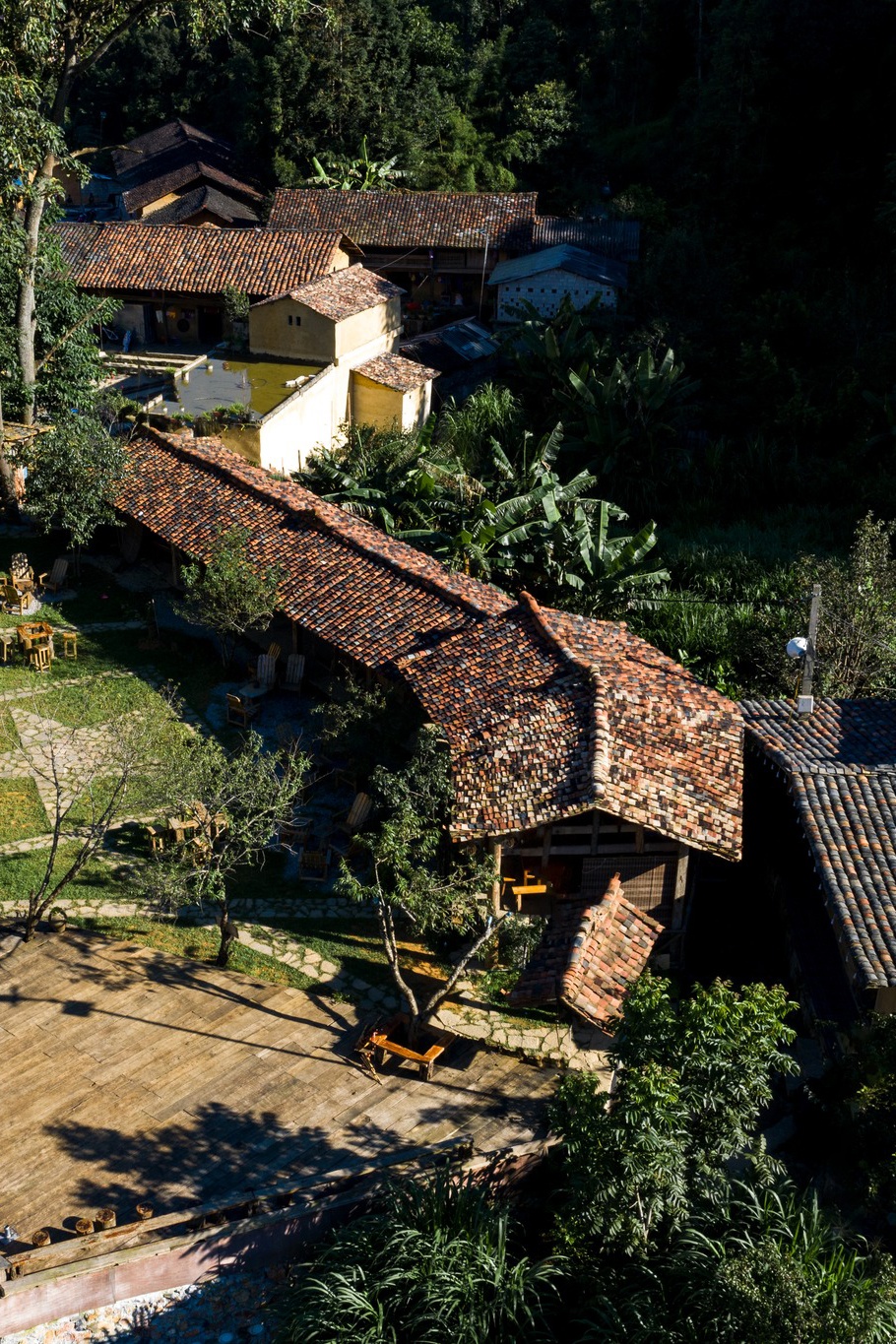 |
Then Pa Village lies peacefully at the foot of Dragon Mountain and Lung Cu flagpole. Photo: Then Pa Village. |
Then Pa
In addition to Lo Lo Chai, at the foot of Dragon Mountain there is also Then Pa village, which still preserves many traditional cultural features of the Mong people. In a small hamlet of the village, there are 11 households belonging to the Vang family who have lived here for more than 100 years.
Since 2021, realizing the tourism potential, people have begun to renovate old-style rammed earth houses and combine them with homestays to welcome guests. Some households have opened restaurants serving specialties such as thang co, black chicken hotpot, and men men.
Accommodation services in Then Pa have not yet developed as widely as in Lo Lo Chai. Currently, there are mainly two types: homestay where you live with the host to experience the culture and the separate Then Pa Village resort.
Coming to Then Pa, visitors feel like time has slowed down. Popular experiences include beeswax painting, indigo dyeing or walking around buckwheat fields.
|
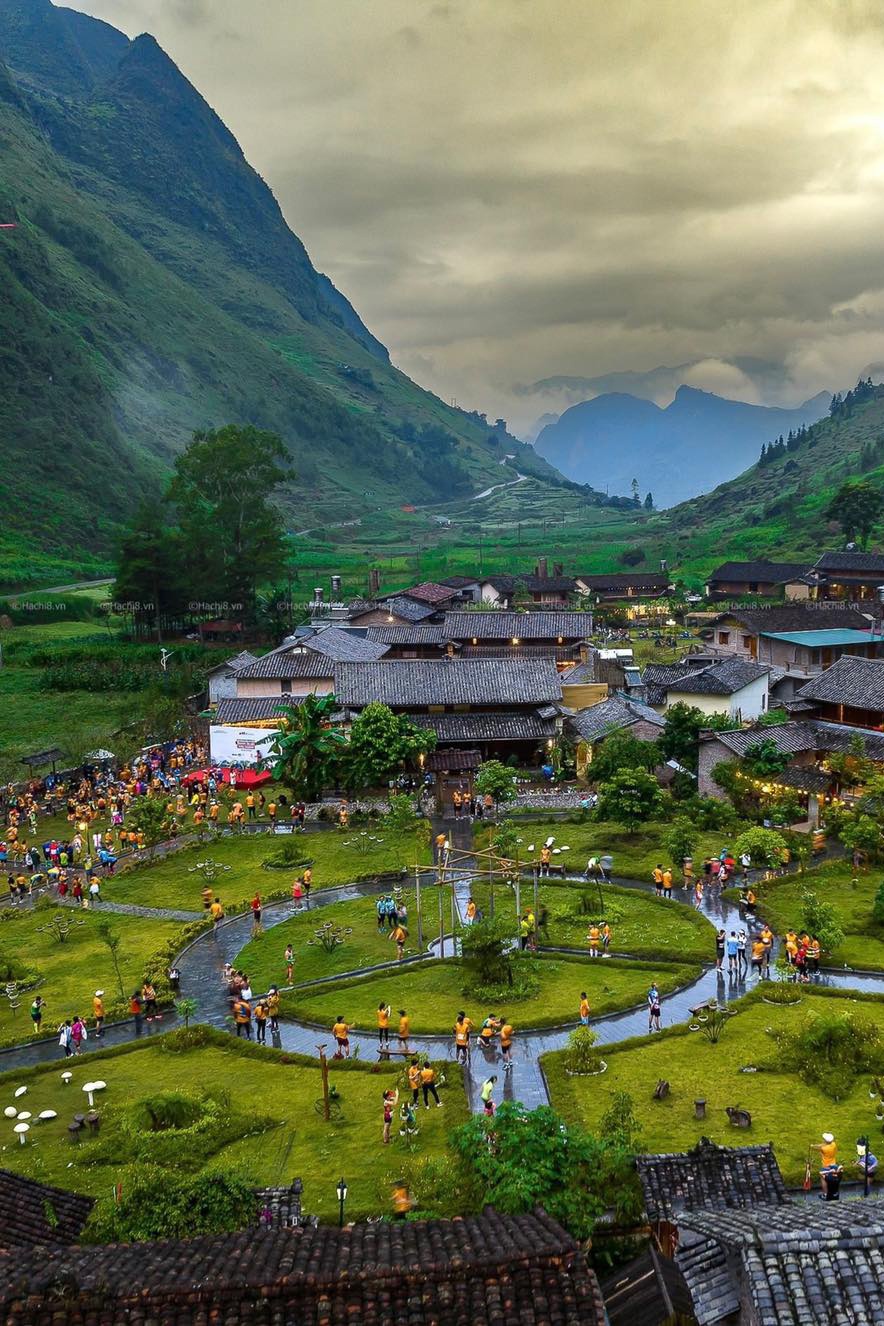 |
Tourists gather at the hexagonal playground of the ethnic cultural village of Pa Vi hamlet. Photo: Ha Giang Loop. |
Pa Vi
The Mong Ethnic Cultural Village in Pa Vi hamlet (Meo Vac commune) is about 160 km from the center of Ha Giang ward. Nestled in a valley and surrounded by mountains and forests, the village possesses a majestic landscape with cat-ear rocks, open valleys, near Ma Pi Leng pass and Nho Que river.
Welcoming visitors since 2019, the village is over 46,000 m2 wide, consisting of three areas A, B, C, where nearly 30 Mong ethnic households live and do tourism. The hexagonal playground is used for performing traditional culture and arts, contributing to preserving and promoting local identity.
The houses in the village have typical Hmong architecture with wooden frames, two-story yin-yang roofs, stone fences and earthen walls. Pa Vi's attraction comes from the harmonious combination of cultural preservation and tourism development.
In September, this community tourism spot was voted the best in Vietnam in 2025 by the National Tourism Administration.
|
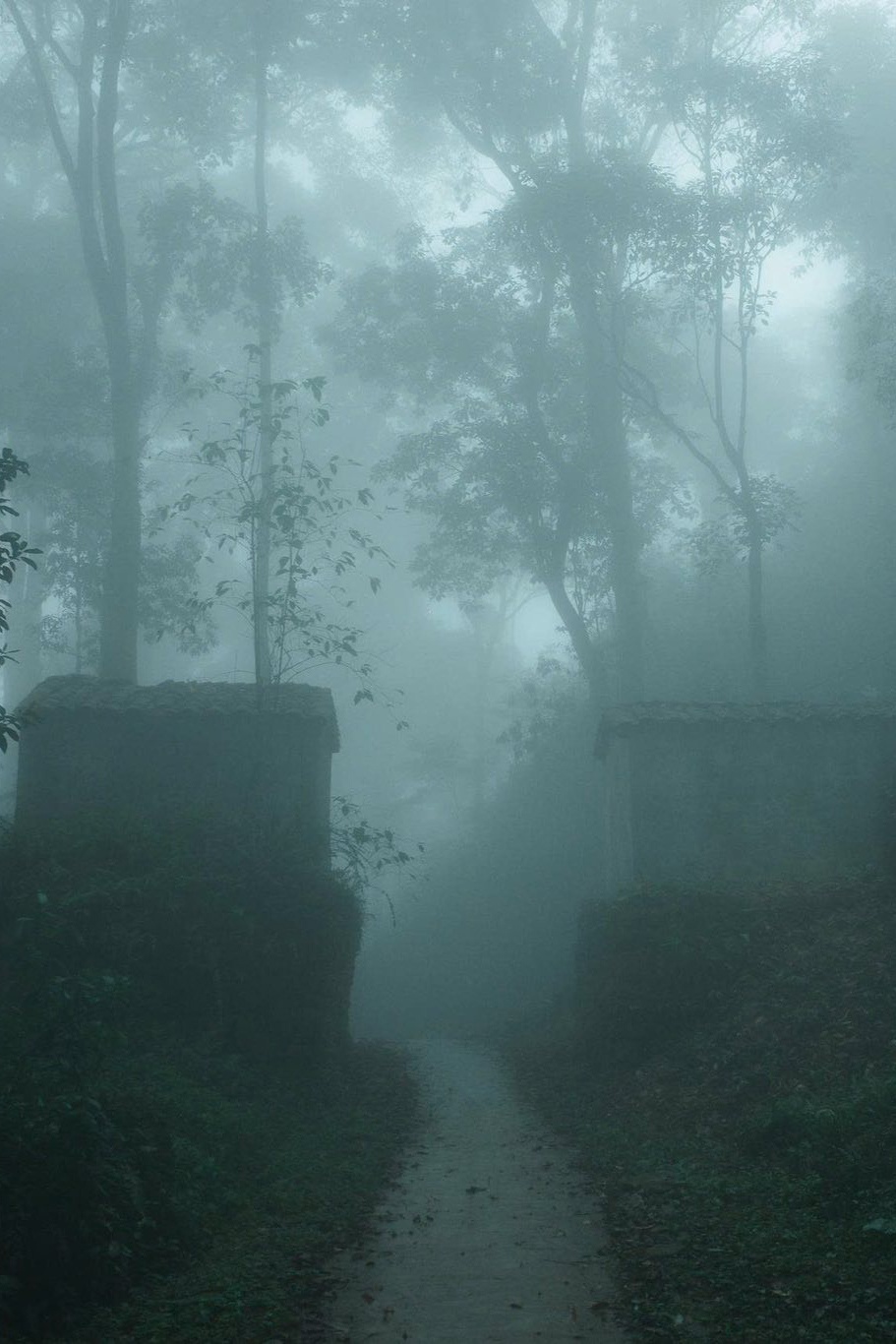 |
Fog covers the entrance to "hell village" Sao Ha. Photo: Andy Trung. |
"Hell" village Sao Ha
Sao Ha village, in the old Dong Van district, is home to the Mong community, located in the middle of the old Van Chai forest. The village was chosen as the setting for two films Tet in Hell Village and Soul Eater in 2023.
To get to the village deep in the forest, visitors can ride a motorbike for about 2 km with many dangerous curves, or walk for 30 minutes to an hour depending on their speed. The road goes through a dense forest and a shrine to the forest god, where visitors are advised by the village elders not to call each other by name to avoid bad luck.
In the Mong language, "Sao Ha" means "high valley", located at an altitude of about 1,500 m, often covered in fog, especially in winter.
Sao Ha village stands out with stone fences about 1.5 m high, tightly arranged by hand without using adhesives, lasting for decades and covered with green moss.
In the village, there are 22 Mong households with the surname Vang, living together in one area. The yin-yang roofed rammed earth houses are located in the middle of a primeval forest of about 500 hectares, creating a pristine and peaceful landscape.
|
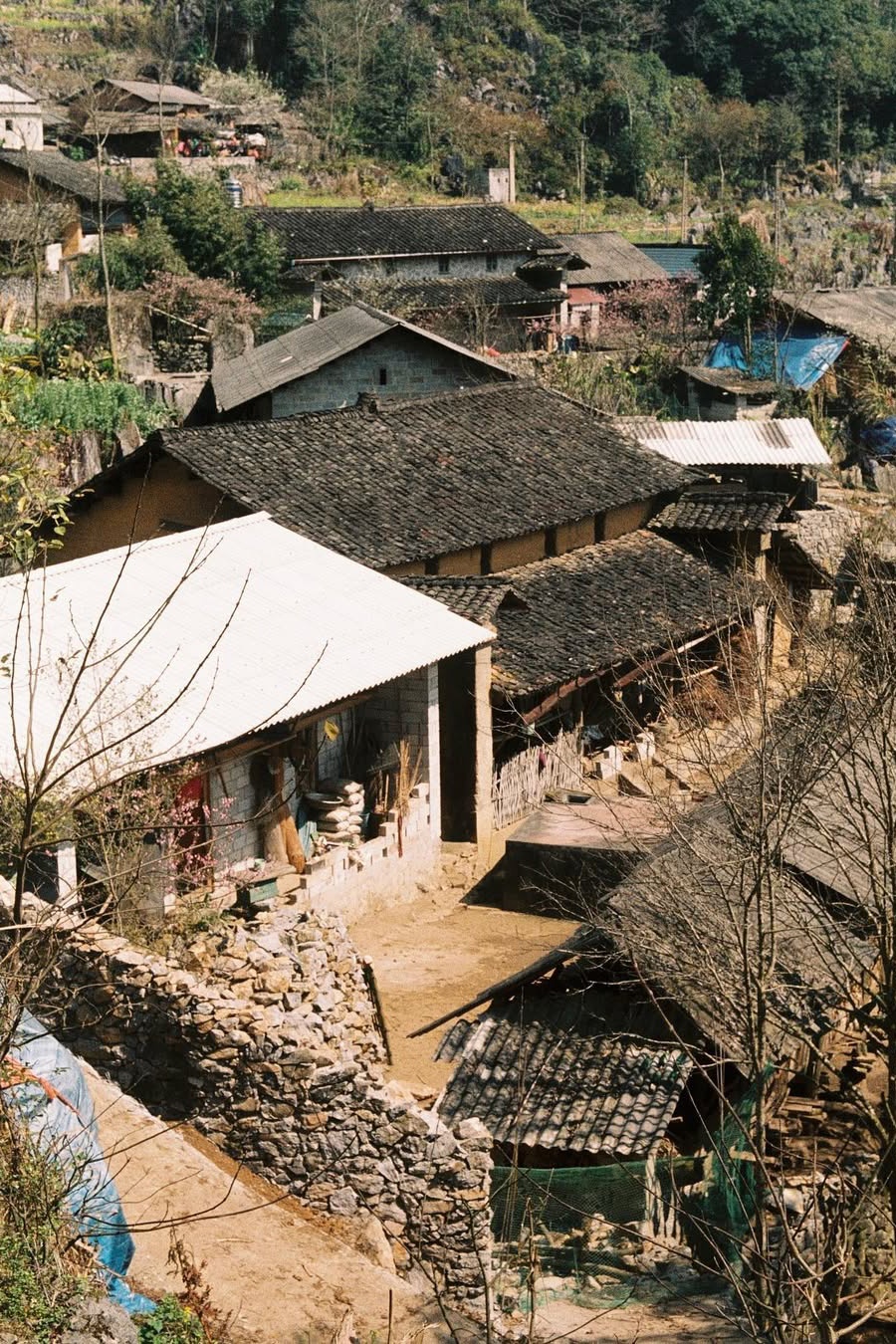 |
Rustic houses in Lao Xa village. Photo: @ltrunghieu. |
Lao Xa
Lao Xa is not as famous as Du Gia, Lo Lo Chai or Ban Phung, but in recent years this small village has become a spring stop for many tourists.
Belonging to Sung La commune, this place is considered the cradle of the traditional silver carving profession of the H'Mong people.
The village still preserves many houses with yin-yang tile roofs, typical three-room architecture, surrounded by fences and stone walls. In the yard, peach and plum trees are planted densely, each spring they bloom together, creating a peaceful and poetic scene.
Coming to Lao Xa, visitors can learn about the traditional silver casting craft that has existed for nearly a century. For a more complete experience, many people choose to stay overnight in ancient houses for 300,000-500,000 VND.
Visitors can touch the time-stained earthen walls, see the moss-covered yin-yang tiles and enjoy the slow pace of life in the highland village.
Source: https://znews.vn/tu-lang-dia-nguc-den-nhung-thon-ban-dep-nhat-ha-giang-post1609517.html



![[Photo] Urgently help people soon have a place to live and stabilize their lives](/_next/image?url=https%3A%2F%2Fvphoto.vietnam.vn%2Fthumb%2F1200x675%2Fvietnam%2Fresource%2FIMAGE%2F2025%2F12%2F09%2F1765248230297_c-jpg.webp&w=3840&q=75)
















































































Comment (0)