

According to Dr. Nguyen Ngoc Quynh Anh, Head of the Psychology Department at RMIT University Vietnam, protecting children cannot stop at simply dealing with the consequences, but requires a strong system of prevention and early intervention so that no child is left in silence.
 |
| Dr. Nguyen Ngoc Quynh Anh, Head of the Psychology Department, RMIT University Vietnam. (Photo courtesy of the interviewee) |
The wounds last a lifetime.
Dr. Nguyen Ngoc Quynh Anh stated that children's brains are still developing rapidly in their early years, especially the brain regions related to emotional regulation, behavioral control, and cognition. During this period, the care environment has a decisive influence on the formation of a child's personality and mental health.
When children are frequently abused or neglected, their bodies react as if facing a threat to survival. Stress hormones are constantly released, causing them to be in a state of "fight or flight," or "freeze" to protect themselves. If this fear persists, children may experience "toxic stress"—a type of stress that can alter brain structure and function.
Even more distressing, in many cases the threat comes from the parents or relatives themselves – those who should be ensuring the child's basic safety. In such situations, the brain is forced to adapt by maintaining a constant state of alertness even within its own home.
These insidious injuries cause the brain regions controlling the "fight or flight" response to overdevelop, while regions responsible for regulating emotions, cognitive thinking, and judgment are suppressed. As a result, children have difficulty concentrating, reduced learning ability, slow reaction times, and struggle with processing everyday information.
Studies published by the American Academy of Pediatrics show that both abuse and neglect can lead to severe cognitive developmental delays and learning failures that persist from childhood into adulthood.
Physical abuse is linked to antisocial and delinquent behaviors, while psychological abuse increases the risk of serious mental disorders. Prolonged neglect can also impair emotional processing abilities well into middle age.
According to psychologists, the younger the child, the more severe the harm. Children who are neglected during the first four years of life often show signs of cognitive decline and may even experience impaired physical brain development.
However, the most devastating consequences of abuse lie not only in physical or psychological trauma, but also in the breakdown of trust. Children should grow up feeling safe in the world , that adults are trustworthy, and that they deserve to be loved. But for abused children, what they learn is fear, insecurity, and loneliness.
Dr. Nguyen Ngoc Quynh Anh emphasized that negative childhood experiences can follow a person throughout their life if not addressed promptly. However, this does not mean all hope is lost. With the right support, children are fully capable of recovering and developing healthily.
The responsibility of the whole society.
According to statistics from the Ministry of Labour, Invalids and Social Affairs, Vietnam records more than 2,000 serious cases of child abuse and mistreatment each year, mostly perpetrated by people the children know or trust. In the period of 2020–2021 alone, 120 children died as a result of physical abuse. These figures highlight the urgent need to build a more effective and sustainable child protection system.
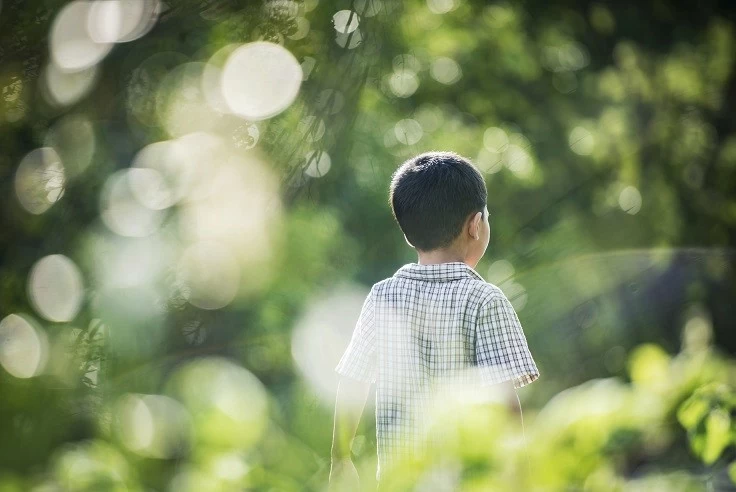 |
| Repeated abuse and neglect can cause long-lasting damage to a child's emotional life and cognitive development. (Source: Pexels) |
Proposing solutions to strengthen the child protection system in Vietnam, Dr. Nguyen Ngoc Quynh Anh suggested that one of the first requirements is to build a reliable and accessible reporting mechanism. The 111 child protection hotline currently receives approximately 300,000 calls annually, indicating a huge need for support. However, the level of awareness and trust among the public in the system's responsiveness remains uneven.
Furthermore, Vietnam needs to strengthen mandatory reporting mechanisms for occupational groups that frequently interact with children, such as teachers, healthcare workers, social workers, and police officers. Many countries have adopted this regulation to promptly detect suspected cases of abuse and provide legal protection for those who report them.
Experts also emphasize that community-based social work is particularly crucial. Families in crisis need support before things spiral out of control. Local social workers, if properly trained and adequately resourced, can identify vulnerable families early and connect them with appropriate support services.
Furthermore, the widespread availability of mental health support services and parenting skills training is also considered an essential preventative measure. Many parents abuse their children out of stress, helplessness, or with unhealed psychological trauma. Many have never been exposed to non-violent parenting methods, leading them to easily vent their anger on their children when they cannot control their emotions.
For children who are no longer safe living with their families, the alternative care system also needs to be adequately invested in, closely monitored, and prioritize the child's best interests over administrative factors.
In parallel, early childhood rights education needs to be given more attention in schools and communities. Children need to understand that their bodies deserve respect, that some adult behaviors are wrong, and that there are always trustworthy people to turn to for help.
Looking out at the world
International experience shows that effective child protection models all focus on prevention and early intervention.
Dr. Nguyen Ngoc Quynh Anh stated that in Nordic countries such as Norway, Sweden, and Finland, the child welfare system is built on the philosophy of supporting families before harm occurs. Approximately 80% of children in Norway's welfare system receive support services instead of simply being investigated or separated from their families.
Meanwhile, countries like the UK, Australia, and Canada have implemented mandatory reporting mechanisms coupled with substantial support services for struggling families.
A common thread among effective systems is interdisciplinary coordination between health, education, social work, law enforcement, and the community to ensure no child is left behind.
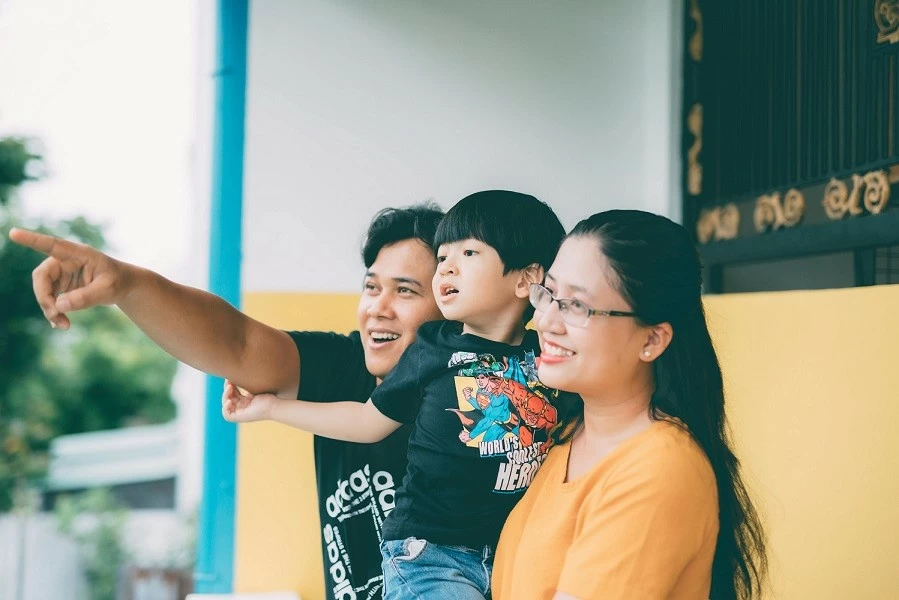 |
| Child protection is most effective when it is seen as a responsibility of the entire society, rather than a private matter for individual families. (Source: Pexels) |
According to Dr. Nguyen Ngoc Quynh Anh, the biggest lesson from these countries is that protecting children must be seen as a shared responsibility of the entire society, not just a matter for individual families.
A safe society for children is one where neighbors are willing to speak up when they notice something unusual; where struggling parents can seek support without feeling ashamed; where social workers have sufficient resources to act; and where children grow up believing that their safety is always protected by the community.
"We cannot turn back time before the scars have formed for the children who have been harmed, but right now, in every province and city across Vietnam, there are still children in dire circumstances who can receive timely support. That is the task we need to do in the coming time," emphasized Dr. Nguyen Ngoc Quynh Anh.
Source: https://baoquocte.vn/tuoi-tho-khong-the-lon-len-cung-bao-hanh-395229.html
































































































Comment (0)