

According to the British newspaper The Telegraph, in abandoned underground tunnels deep beneath central London, the headquarters of the North Atlantic Treaty Organization (NATO) is commanding its troops in a simulated war with Russia.
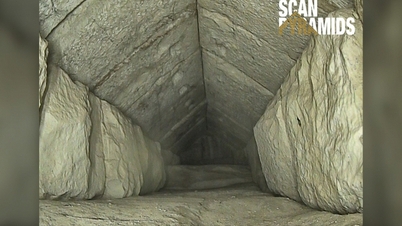
In a red-lit area of the Charing Cross subway station, which is always closed to public scrutiny, laptops and video screens display the deployment of Russian and NATO troops, attack plans, and the relative strength of the two sides' forces.
Soldiers in uniform in underground bunkers are analyzing mountains of data to find weaknesses in Russian President Vladimir Putin's military apparatus.
The soldiers at NATO headquarters, led by the UK, had amassed a vast amount of information, calculated the balance of power and the likelihood of victory for both sides, and a NATO commander concluded: Europe should fear the power of the Russian Army.
"If you compare soldiers based on physical characteristics, the differences are negligible and that doesn't bother me. However, the Russians are seasoned fighters, because they have faced and lived with war for a long time," said British Lieutenant General Mike Elviss.
Mike Elviss is the Commander of the Allied Rapid Reaction Corps (ARRC), one of NATO's two rapid reaction forces and potentially the first force the Western alliance would deploy against Russian troops if they attempted to attack NATO.
When fully deployed, the ARRC based in the UK will comprise approximately 60,000 personnel, including divisions of the British Army, as well as similarly sized units from Italy, Canada, and Sweden.
ARRC's permanent headquarters are located near Gloucester and employ around 500 people, more than half of whom are British citizens, along with representatives from 21 partner countries.
According to a British army general, the Russian army is now significantly more dangerous than it was when they launched "Special Military Operations" in Ukraine more than four years ago.
"They are accustomed to challenges from the past four years of conflict. This is a formidable opponent," the British general, who holds a high position in NATO, asserted.
He added that the Western alliance is currently not ready to confront any troops that Russia might mobilize against NATO should a ceasefire be reached in Ukraine.
However, military exercises and analyses raise the question: What connection do they have to the old tunnels at Charing Cross subway station?
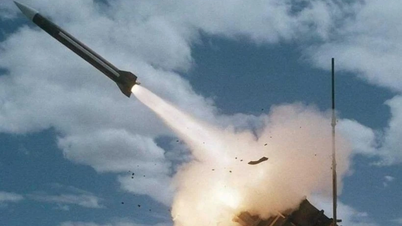
According to Lieutenant General Mike Elviss, before doing anything, NATO forces need to ensure their survivability against the threat of ballistic missiles.
NATO's command centers could become prime targets for Russian long-range missiles and drones, so it's necessary to locate command centers underground and disperse forces across various locations.
Therefore, not so long ago, a typical military command post of this size would normally have been located amidst a sea of tents above ground, but now it is underground.
Source: https://giaoducthoidai.vn/tuong-anh-nato-nen-biet-so-nga-post778893.html





































































































Comment (0)