

UAE officials said on May 17 that they are investigating the source of the attack and affirmed that the country has the full right to respond to "acts of terrorism." A diplomatic adviser to the UAE president described it as a "dangerous escalation," regardless of whether the attack was carried out by the "main perpetrator" or proxy forces.
The UAE Ministry of Defence said its air defense forces successfully intercepted two more UAVs launched from the "western border" area, but provided no further details.
Meanwhile, Saudi Arabia announced it had intercepted three UAVs that had intruded into its airspace from the direction of Iraq, and warned Riyadh that it would take necessary measures to protect its sovereignty and national security against any violations.
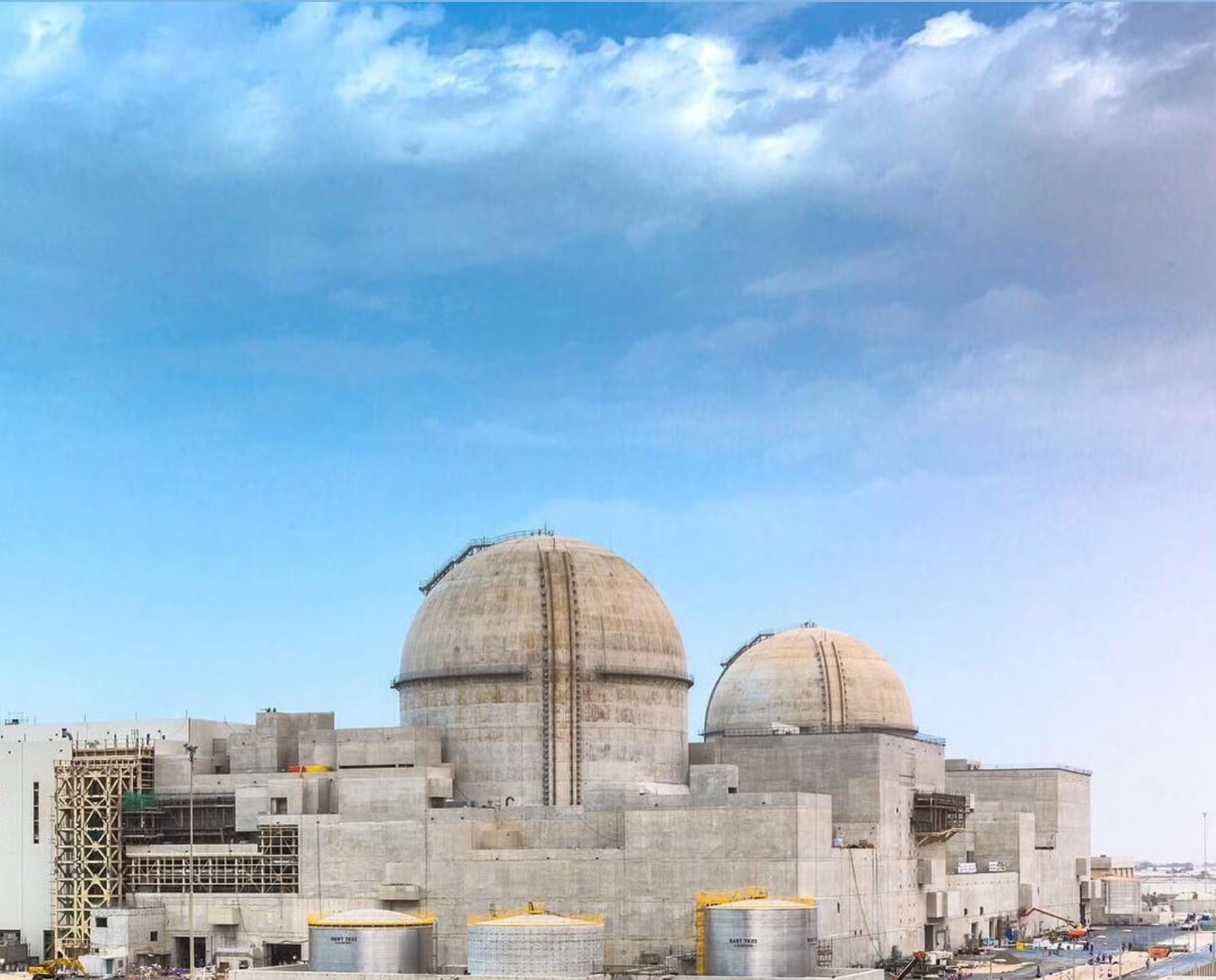
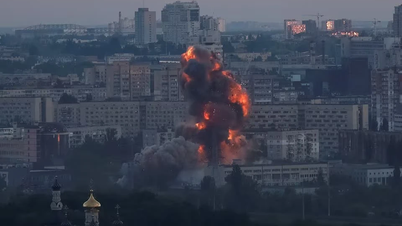
According to the Abu Dhabi Media Office, the drone, having breached the UAE's defenses, struck a generator located outside the inner perimeter of the Barakah Nuclear Power Plant. The attack caused a fire but did not alter radiation safety levels and resulted in no casualties.
The UAE Federal Nuclear Regulatory Authority later confirmed that the plant remained safe and no radioactive material had been released into the environment.
The International Atomic Energy Agency (IAEA) said emergency diesel generators were supplying power to Unit 3 of the Barakah plant, and called for “maximum military restraint” in the area near nuclear facilities. The IAEA said it was closely monitoring the situation.
Although fighting between Iran and the US and Israel has decreased significantly since the ceasefire came into effect in April, numerous drones are still being launched from Iraq targeting Gulf states, including Saudi Arabia and Kuwait.
Since the conflict erupted on February 28 following US and Israeli airstrikes against Iran, Tehran has repeatedly attacked the UAE and other Gulf states with US military bases, targeting both civilian and energy infrastructure.
Source: https://cand.vn/uav-tan-cong-nha-may-dien-hat-nhan-uae-post811188.html





























































































Comment (0)