

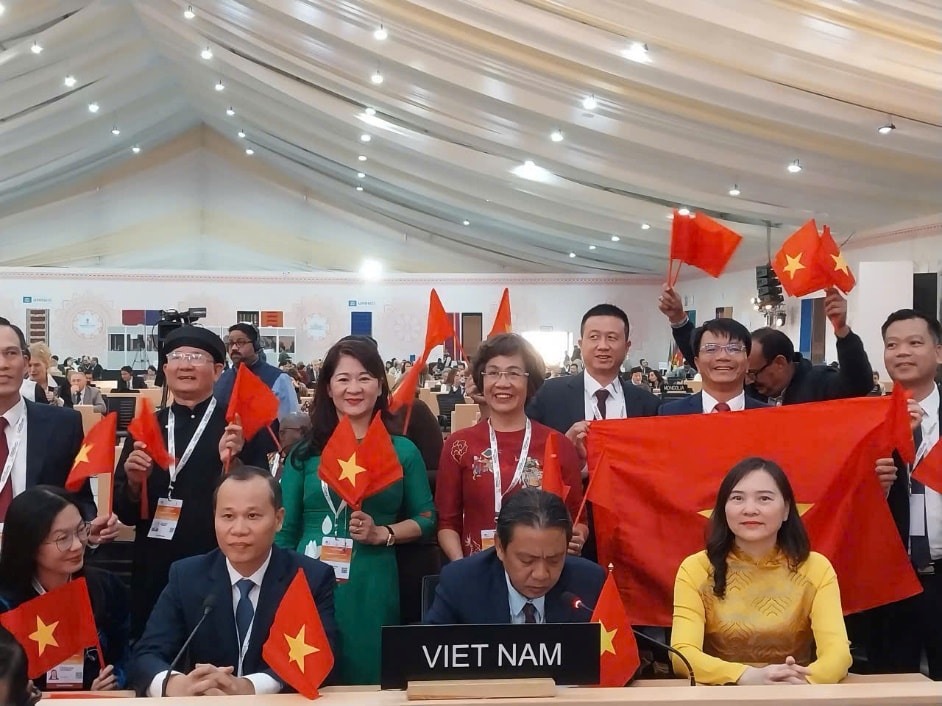
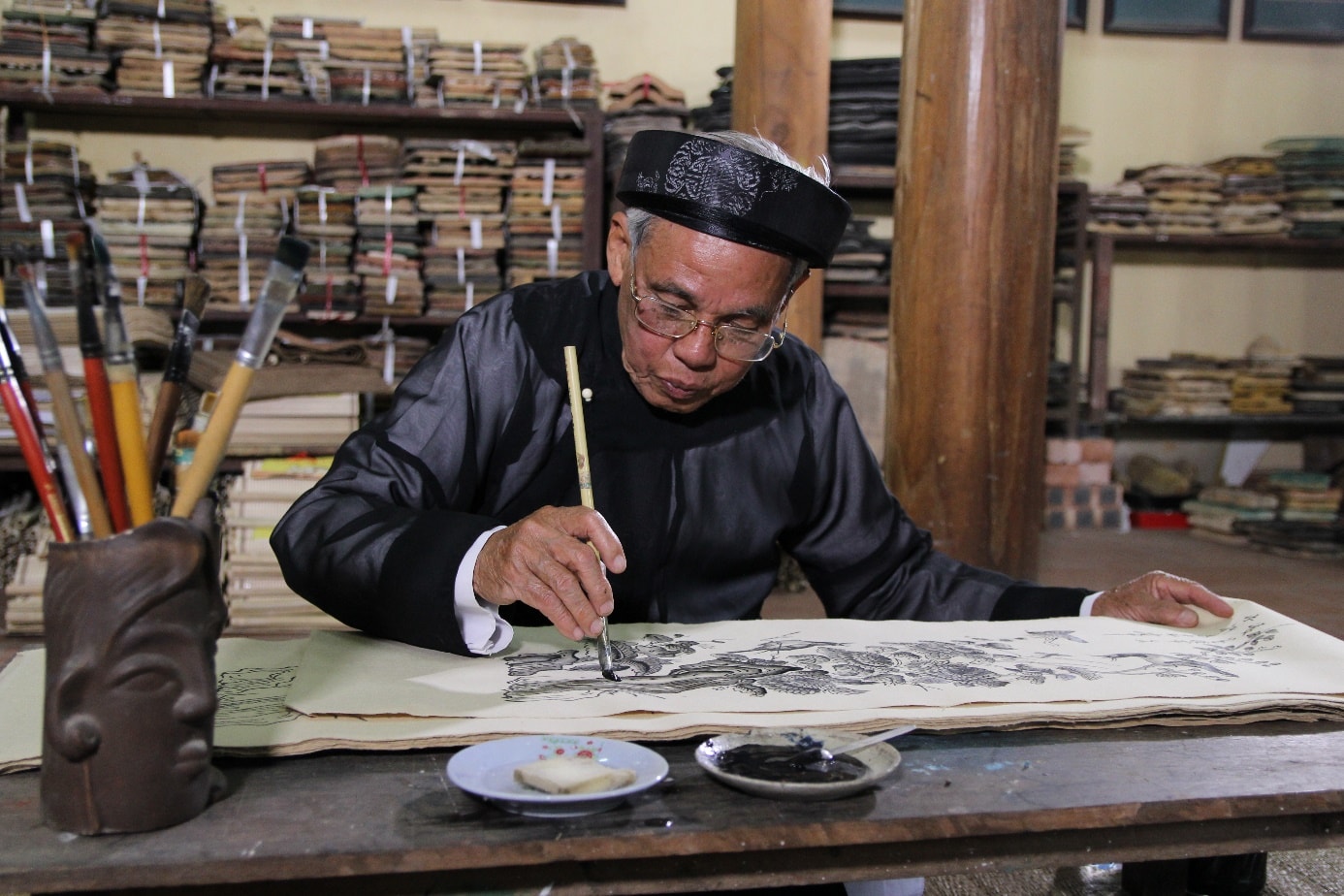
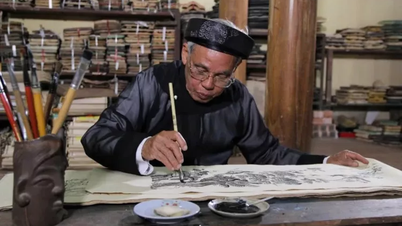
The craft of making Dong Ho folk paintings in Dong Khe quarter, Thuan Thanh ward, Bac Ninh province, was born about 500 years ago. The community practicing the craft has created paintings with unique characteristics in terms of theme, printing technique, color and graphics using woodblock printing techniques. The themes of the paintings often include worship paintings, congratulatory paintings, historical paintings, daily life paintings, landscape paintings, associated with the custom of hanging paintings on Lunar New Year, Mid-Autumn Festival, ancestor worship and god worship.
The steps of creating the model, carving the printing block, making the color, and printing the painting are all done by hand. The painting is drawn with a brush, Chinese ink on paper and carved on a wooden board. The colors are made from natural materials: blue from indigo leaves, red from red pebbles, yellow from pagoda flowers and gardenia fruit, white from weathered scallop powder, black from bamboo leaf ash and sticky rice straw. The painting is printed upside down with 5 basic colors on Do paper that has been covered with a layer of butterfly paste. The colors are printed according to the principle of printing red first, followed by blue, yellow, and white. The black stroke is printed last to complete the painting.
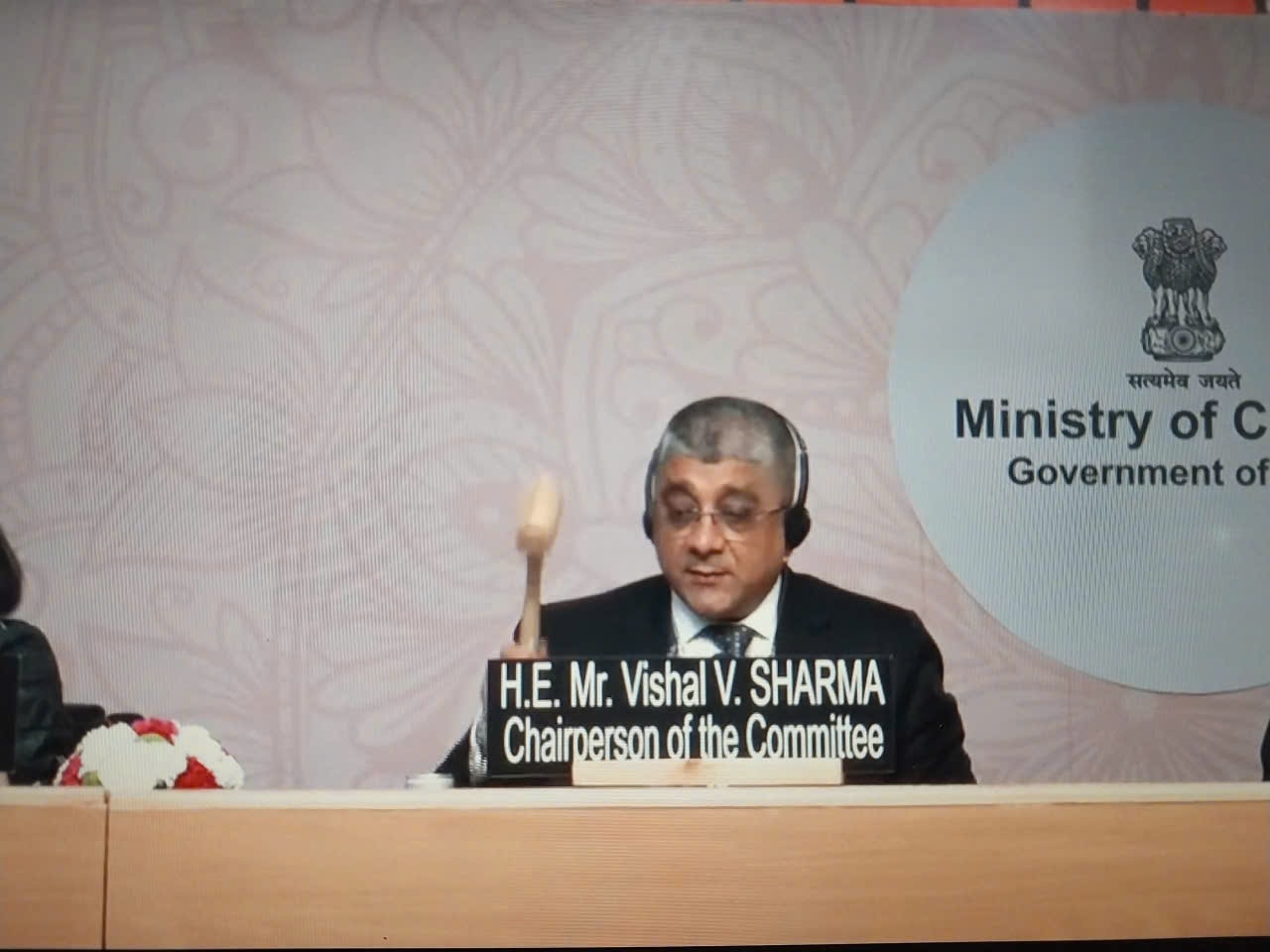
According to the 2003 Intergovernmental Committee for the Safeguarding of Intangible Cultural Heritage, the nomination dossier for the intangible cultural heritage of Dong Ho folk painting in Vietnam meets the criteria for inclusion in the List of Intangible Cultural Heritage in Need of Urgent Safeguarding.
In particular, Dong Ho folk paintings are closely associated with important festivals such as the Lunar New Year and the Mid-Autumn Festival, as well as ancestor and deity worship rituals. Today, only a few families continue to maintain this craft, passing on knowledge and skills within the family and to apprentices through direct instruction and hands-on practice. The woodblocks are considered heirlooms, passed down through many generations.
In addition, the number of skilled artisans has decreased sharply (only a few households still maintain the profession), due to the young generation's lack of interest, the profession is difficult to ensure livelihood, and the demand for woodblock prints in traditional ceremonies has decreased. The number of highly skilled and dedicated people pursuing the profession is too small to maintain teaching and making paintings, so the profession needs to be urgently protected.
The conservation plan sets out seven objectives, including: opening craft training courses, inventorying heritage, designing models, diversifying markets, improving access to raw materials, and providing protective equipment for artisans. The proposed activities are feasible, appropriate to the objectives and sustainable, while placing the community at the center. The dossier shows the active participation of the community, especially artisan families, throughout the entire documentation process, through inventory activities and public events…
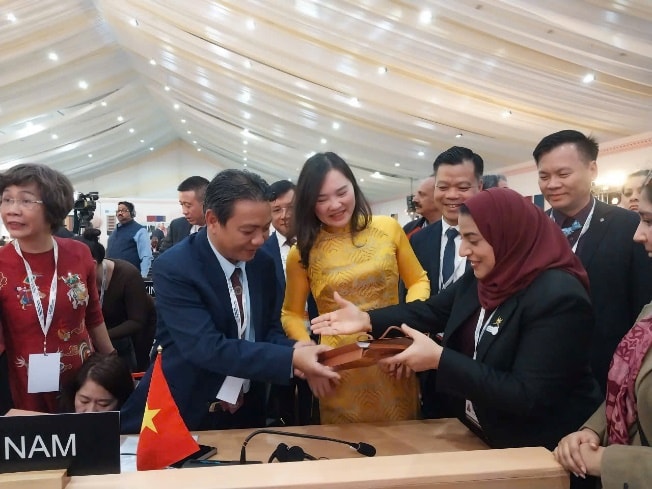
Accordingly, the Intergovernmental Committee for the 2003 Convention decided to inscribe the making of Dong Ho folk paintings on the List of Intangible Cultural Heritage in Need of Urgent Safeguarding and encouraged Vietnam to consider integrating this heritage into the education system, both formal and informal, to encourage the younger generation to understand and appreciate the importance of protecting the heritage.
UNESCO's inscription of Dong Ho folk painting into the List of Intangible Cultural Heritage in Need of Urgent Safeguarding has profound significance for the practicing community and the Vietnamese public. The inscription helps raise social awareness of the importance of the heritage, promote the interest of the younger generation and encourage activities to support the protection from organizations to the community. Moreover, this is also an opportunity to promote the image of Vietnamese culture to the world, contributing to nurturing national pride and protecting the diversity of Vietnamese cultural identity.
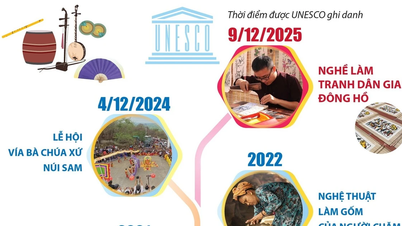
Up to now, the whole country has 37 heritages recorded by UNESCO in the UNESCO Lists (including 9 world cultural and natural heritages, 17 intangible cultural heritages and 11 documentary heritages). In which, Bac Ninh province has typical heritages recognized and listed by UNESCO, including: 5 representative intangible cultural heritages of humanity (Quan Ho Bac Ninh, Dong Ho folk painting craft, Ca Tru, Mother Goddess worship, Huu Chap tug of war); 1 inter-provincial World Cultural Heritage (Yen Tu - Vinh Nghiem - Con Son, Kiep Bac complex)...
On behalf of Vietnam and the community practicing the Dong Ho folk painting heritage, Deputy Minister of Culture, Sports and Tourism, Vice Chairman of the Vietnam National Commission for UNESCO Hoang Dao Cuong and Permanent Vice Chairman of the People's Committee of Bac Ninh province Mai Son pledged to take necessary measures to protect the values of Dong Ho folk painting.
Source: https://hanoimoi.vn/unesco-cong-nhan-nghe-lam-tranh-dan-gian-dong-ho-la-di-san-van-hoa-phi-vat-the-can-duoc-bao-ve-khan-cap-726185.html


![[Photo] Urgently help people soon have a place to live and stabilize their lives](/_next/image?url=https%3A%2F%2Fvphoto.vietnam.vn%2Fthumb%2F1200x675%2Fvietnam%2Fresource%2FIMAGE%2F2025%2F12%2F09%2F1765248230297_c-jpg.webp&w=3840&q=75)












































![[Photo] General Secretary To Lam works with the Standing Committees of the 14th Party Congress Subcommittees](https://vphoto.vietnam.vn/thumb/402x226/vietnam/resource/IMAGE/2025/12/09/1765265023554_image.jpeg)





















Comment (0)