

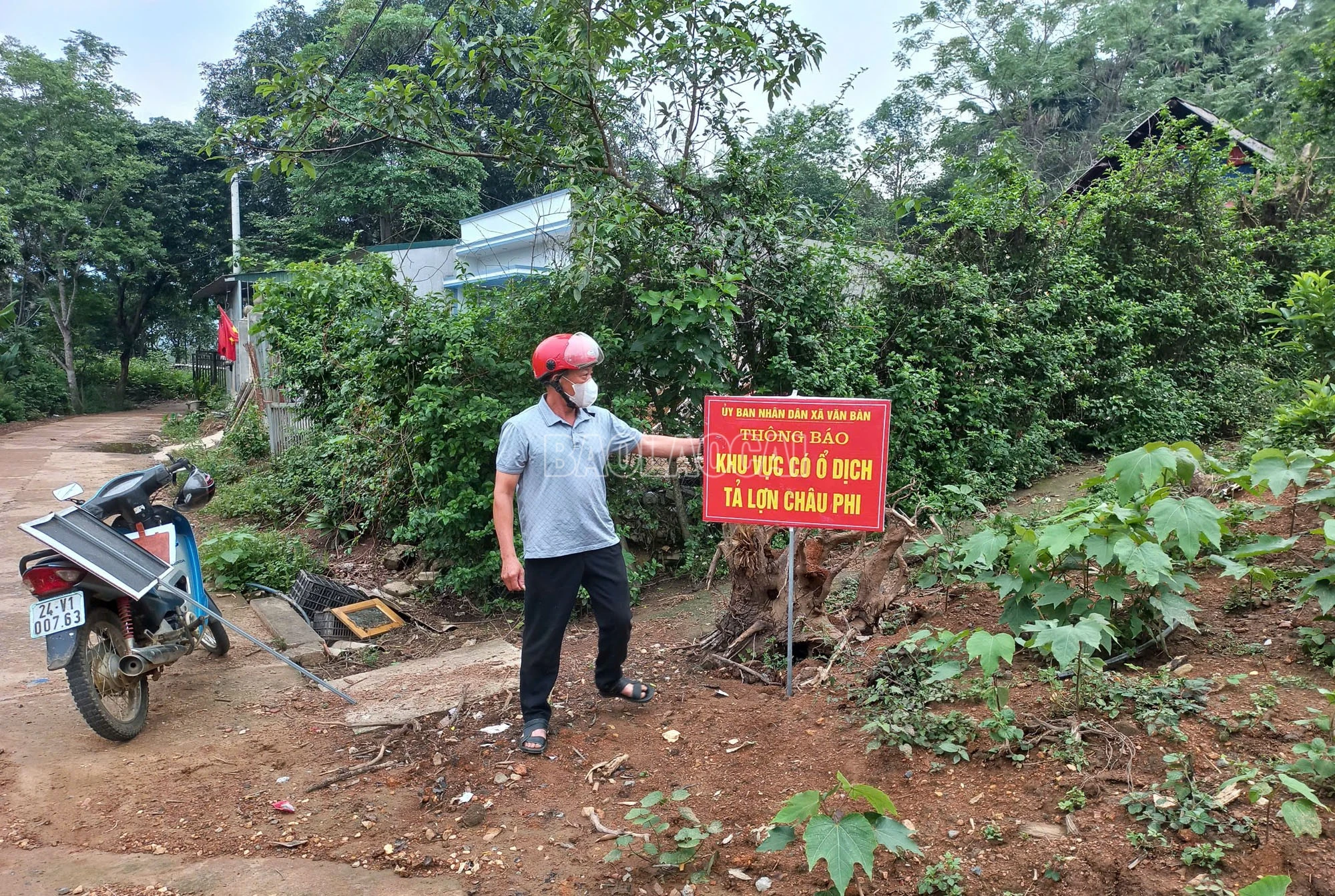
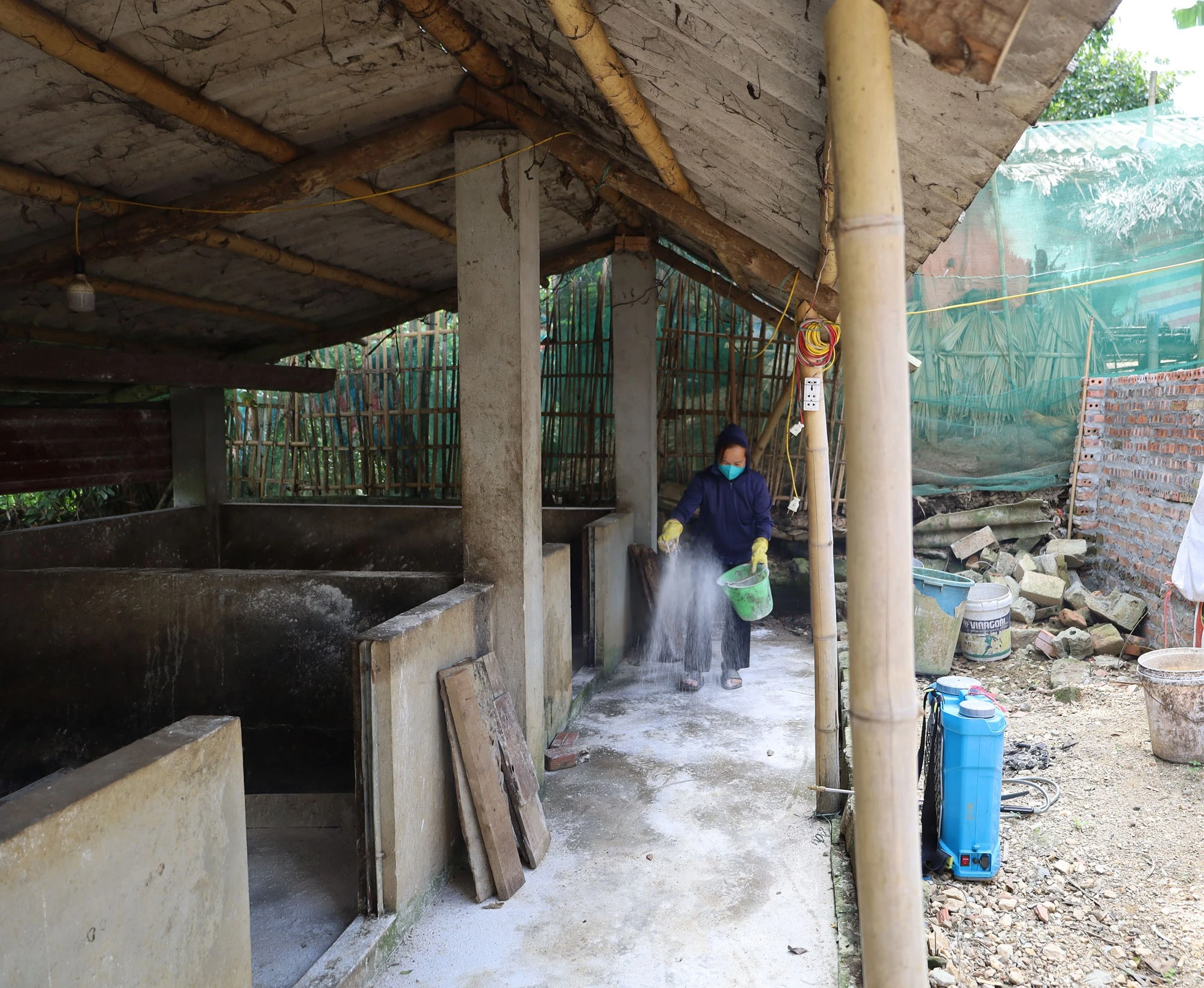
In villages where outbreaks have occurred, disease prevention and control measures are being implemented urgently. Warning signs are posted on all roads leading in and out of the affected areas. Livestock farmers are proactively spreading lime powder on walkways and around their pigpens; regularly spraying disinfectant; and restricting access to pig farms for strangers to reduce the risk of disease spread.
The family of Ms. Ly Thi Canh in Ma village has been raising pigs for many years and has always fully complied with regular vaccination schedules and disinfected their pigpens frequently. However, within just a few days, their pigs suddenly showed symptoms such as high fever, loss of appetite, and red rashes. Although the family proactively bought medicine to treat them, it was ineffective.
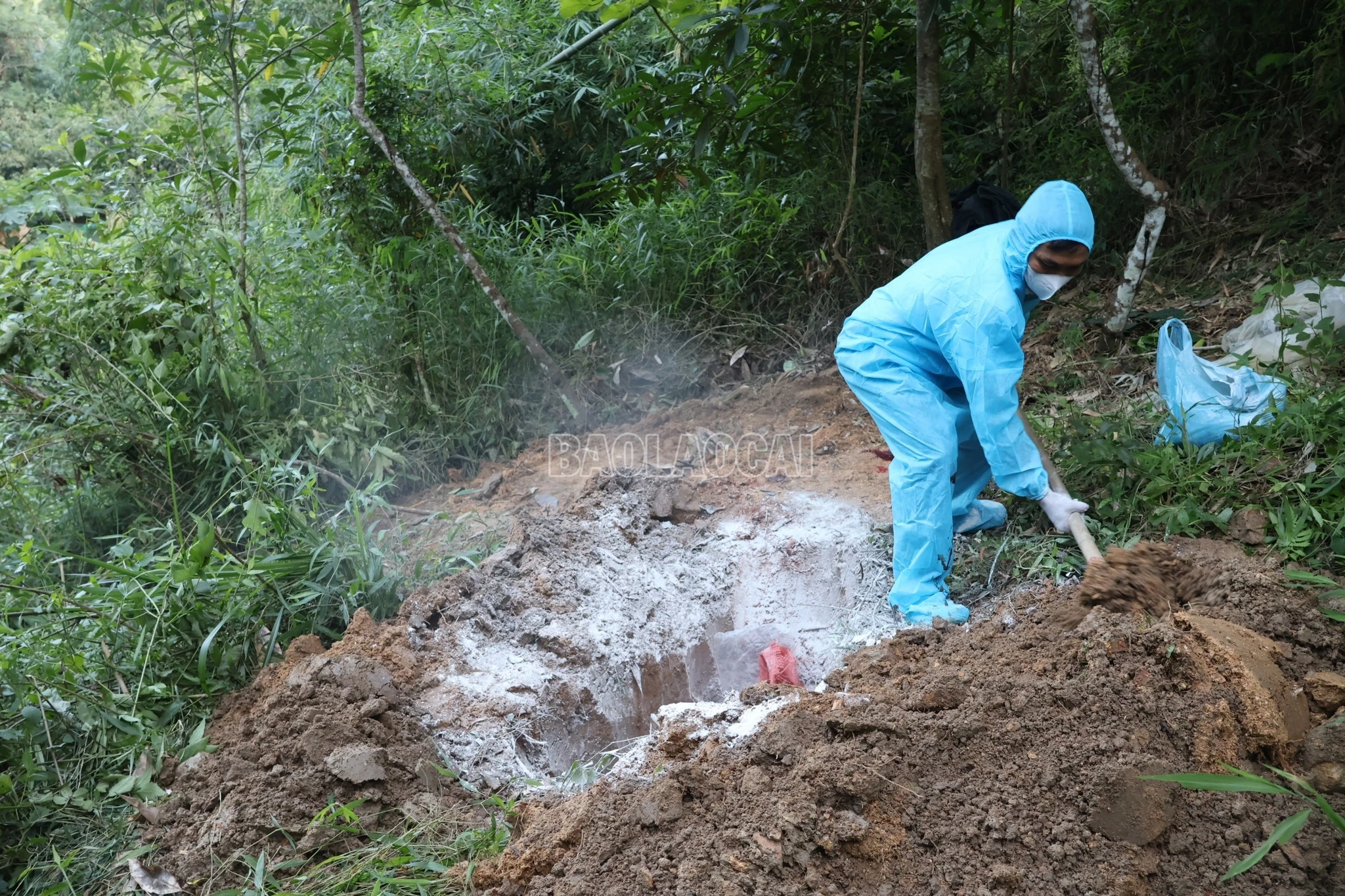
Of the family's five pigs, three died, and the remaining two showed symptoms of the disease. After samples were taken for testing by the relevant authorities, the results confirmed that the herd was infected with African swine fever. Immediately afterward, the local authorities and specialized forces directly guided the family in properly disposing of the infected pigs to promptly contain and eradicate the source of the disease.
Ms. Ly Thi Canh said that a few days ago, the pigs had a high fever, developed red rashes, and then died. The family immediately reported the situation to the village and commune authorities for coordinated action. Although regrettable, the family resolutely refused to sell the sick pigs and proceeded with proper disposal according to instructions to prevent further spread.
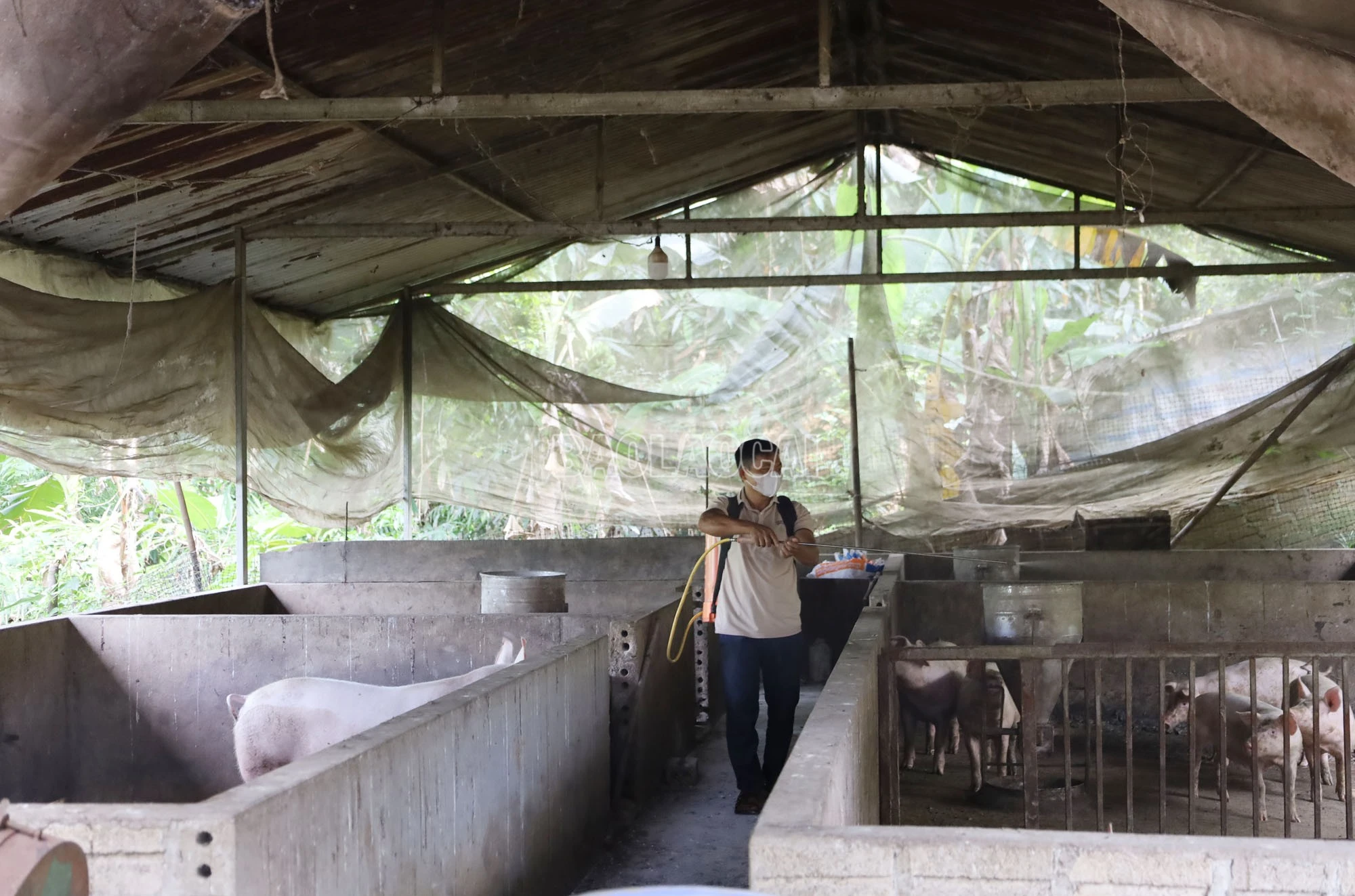
Not only households affected by the disease, but many livestock farmers in the area are also raising their vigilance and proactively implementing disease prevention measures. Mr. Hoang Duc Thu's family in Na Thai village currently raises 12 pigs. Given the complex developments of the disease, he regularly sprays disinfectant in the pigpens twice a week, sprinkles lime around the breeding area, and restricts access to the pig farm.
To enhance disease prevention, his family also uses netting around the livestock pens to limit the risk of pathogens entering from insects and wind, contributing to the safety of the animals.
Mr. Hoang Duc Thu said that pig farming is the main source of income for his family, so when the disease appeared in the commune, he was very worried. Therefore, in addition to regularly cleaning the barns and increasing the spraying of disinfectants, his family also focused on caring for and closely monitoring the health of the pigs to promptly detect any abnormal signs and take appropriate measures.
According to a report from the People's Committee of Van Ban commune, from May 4th to May 16th, 2026, African swine fever killed and forced the culling of 37 pigs belonging to 4 households in 4 villages: Ma, Na Trang, Thac Day, and Khe Lech.
In response to this situation, Van Ban commune quickly established a Steering Committee for the prevention and control of plant and animal diseases; and decisively implemented the plan for the prevention and control of dangerous diseases in livestock, poultry, and aquatic animals in 2026. Forces were assigned to each village, directly inspecting, monitoring, and guiding people in implementing disease prevention measures.
Immediately after the outbreak was detected, the commune promptly mobilized forces to the grassroots level to coordinate with village heads to inspect livestock herds, collect samples for testing, and guide people in properly disposing of infected pigs to promptly contain and suppress the outbreak. The local authorities provided over 330 kg of lime powder to livestock farmers and villages for disinfection and sterilization, and also posted warning signs in the affected area to limit the risk of spread.
Along with handling the outbreak, Van Ban commune is strengthening propaganda and guiding people to spray chemicals to treat the environment in the affected area and surrounding areas; at the same time, it is strictly controlling the buying, selling, transporting, and slaughtering of pigs in the area.
In addition, disease prevention awareness campaigns are being intensified through public address systems, village meetings, and grassroots officials. People are being guided on how to recognize early symptoms of African swine fever, the reporting procedures, and measures to take when detecting sick or dead pigs, in order to promptly isolate affected areas and limit the spread of the disease.
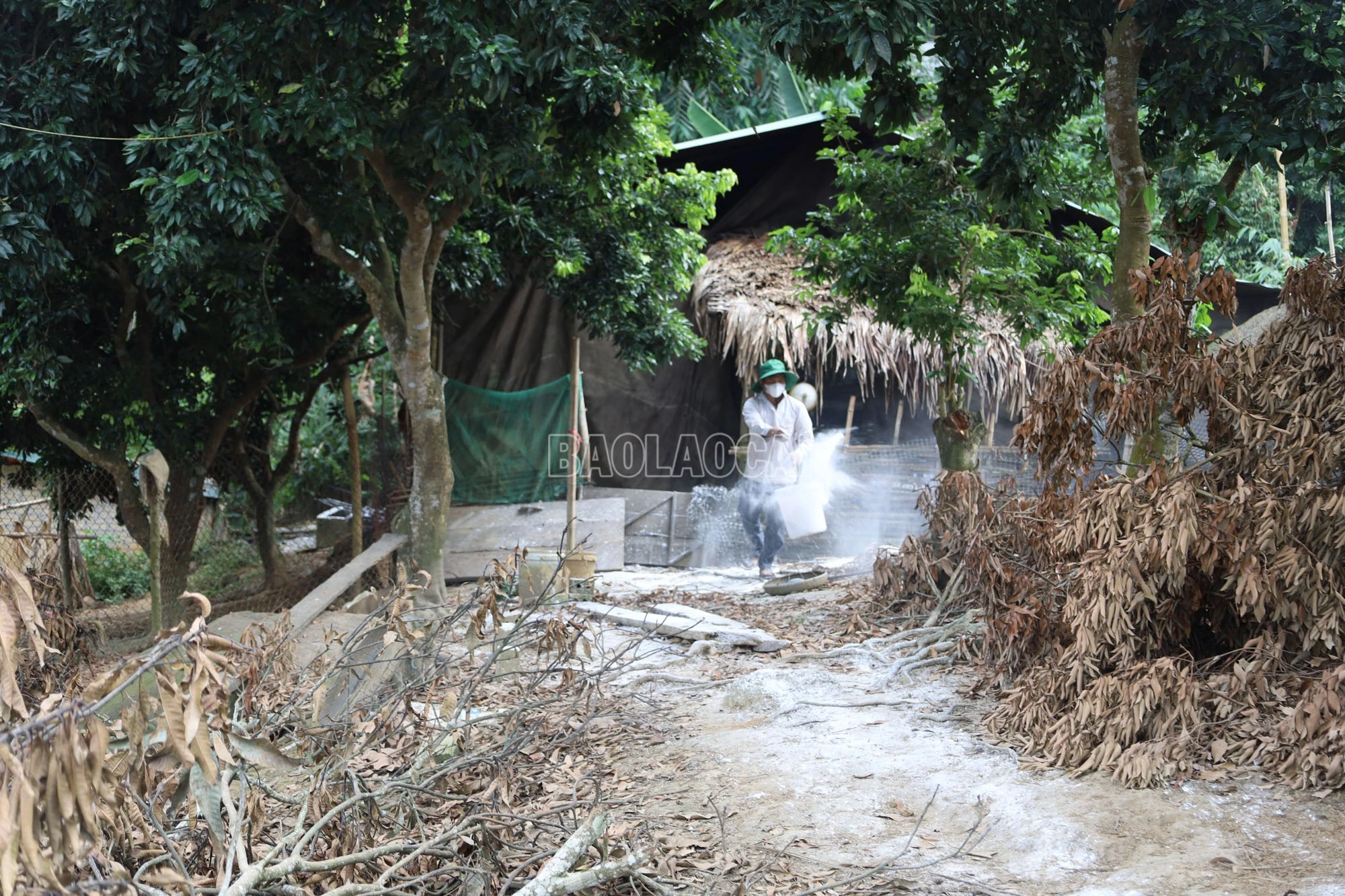
Not only have local authorities taken decisive action, but many livestock farmers in the area have also proactively raised their awareness of disease prevention. People regularly clean their barns, spray disinfectant, sprinkle lime around the livestock area, restrict access for strangers, and closely monitor the health of their pigs to promptly detect any abnormalities.
However, disease prevention and control efforts in the locality still face many difficulties. Currently, the commune lacks dedicated veterinary officers, functional rooms, and equipment for disease control such as vaccine storage cabinets, chemicals, protective clothing, and sample collection tools. For the time being, the locality has proactively advanced contingency funds to purchase some necessary equipment for disease prevention and control.
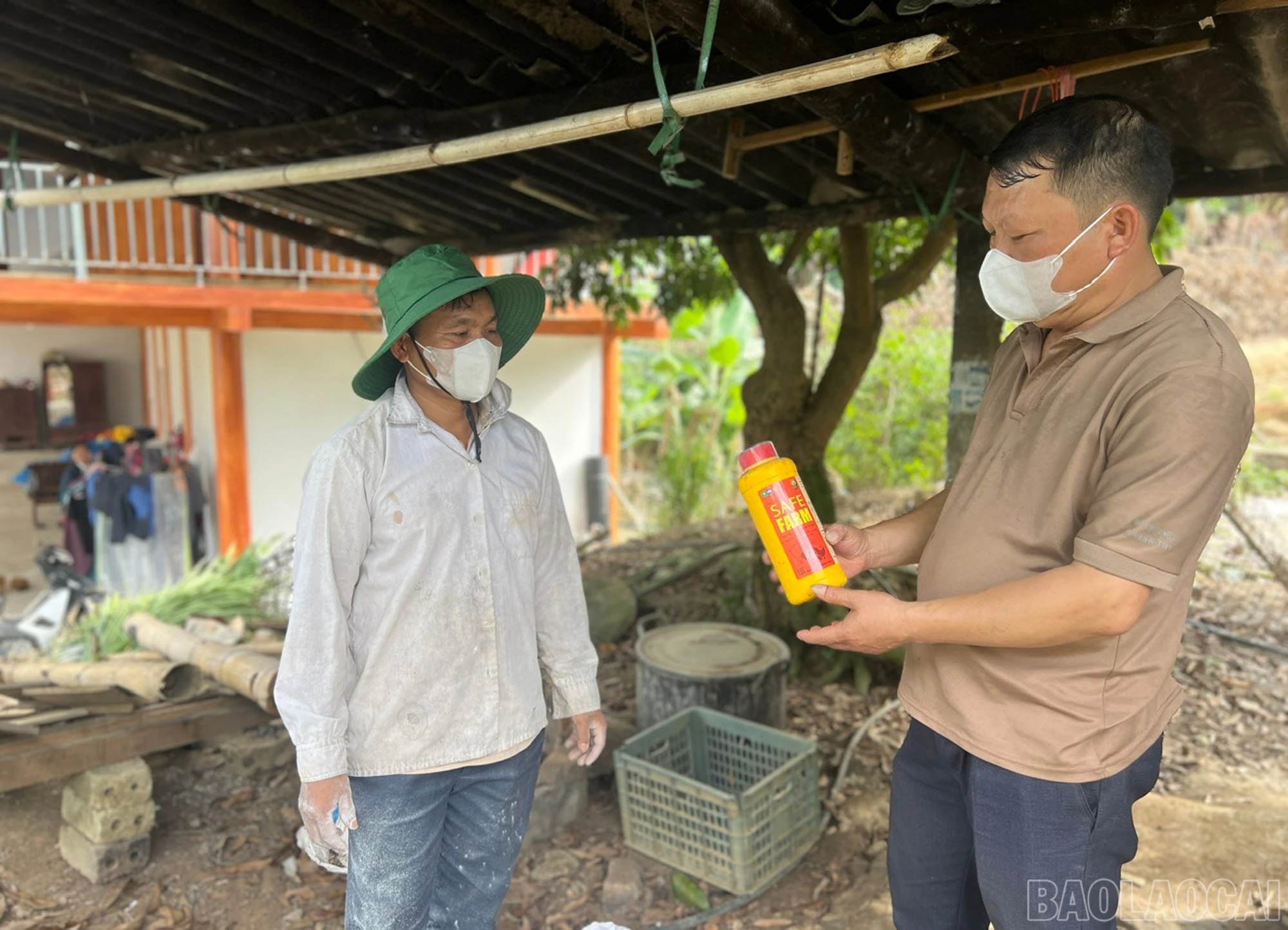
African swine fever is predicted to remain complex if not controlled decisively and comprehensively. Therefore, along with the involvement of local authorities, each livestock farmer needs to proactively implement strict biosecurity measures, regularly disinfect and sterilize, and promptly report any disease outbreaks, contributing to preventing the spread of the disease, protecting livestock, and stabilizing livestock production.
Source: https://baolaocai.vn/van-ban-khan-truong-khong-che-dich-ta-lon-chau-phi-post899689.html




























































































Comment (0)