


The resolution, comprising 13 articles, establishes a comprehensive framework of mechanisms and policies to promote culture as an endogenous driving force for development.
In terms of resources, the State is committed to allocating at least 2% of the total annual budget to the cultural sector, with a gradual increase based on development needs. Simultaneously, there is a policy of encouraging the mobilization of social resources for cultural development.
Investment incentive policies have also been designed more specifically. Certain sectors, such as film production and distribution; exhibitions; professional sports or sports for people with disabilities, are subject to a 5% value-added tax rate. Notably, high-quality works of art, national treasures, or rare antiques repatriated for non-profit purposes will be exempt from all import duties and related fees.
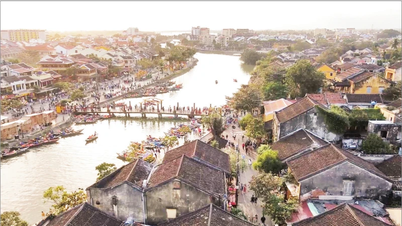
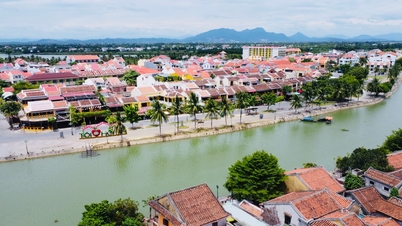
Strategically, the Resolution paves the way for piloting the "heritage city" model by 2035, allowing localities to proactively issue preferential mechanisms regarding land, fees, and charges to exploit heritage values in conjunction with the development of the cultural industry.
In the digital age, culture is placed at the center of transformation. Accordingly, the State has policies to support cultural industry enterprises in accessing and applying advanced technologies to the production of digital content, developing cultural products and services, and protecting intellectual property rights in the digital environment; attracting investment from large technology corporations into digital infrastructure and developing high-tech solutions for culture. Pilot projects will be implemented for new cultural business models linked to digital platforms: open museums, mobile theaters, digital libraries, and other types of digital cultural institutions as stipulated by the Government . The maximum pilot period is 5 years from the date this Resolution takes effect.
The resolution also addresses issues related to mechanisms and policies for attracting investment resources for cultural development; mechanisms and policies for preserving the culture of ethnic minorities, folk art, traditional art, national treasures, and rare antiques; policies for rewarding and developing talent and specialized human resources in the fields of culture and sports; commissioning and contracting for cultural creative activities using state budget funds; and promoting, developing, and marketing Vietnamese cultural industry products and markets.
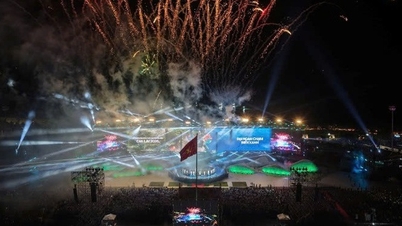
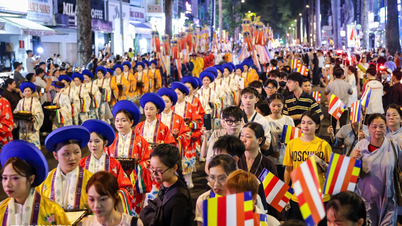
A notable highlight is the establishment of November 24th as "Vietnamese Culture Day" each year. This is not only a symbolic milestone but also accompanied by specific policies: employees are entitled to a paid day off; public cultural and sports facilities may waive or reduce entrance fees as decided by the competent authority. The resolution also encourages citizens, especially young people, to participate in cultural activities on major holidays.
Source: https://baodanang.vn/van-hoa-la-dong-luc-noi-sinh-cua-phat-trien-3334638.html




























































































Comment (0)