

Struggling under the sun
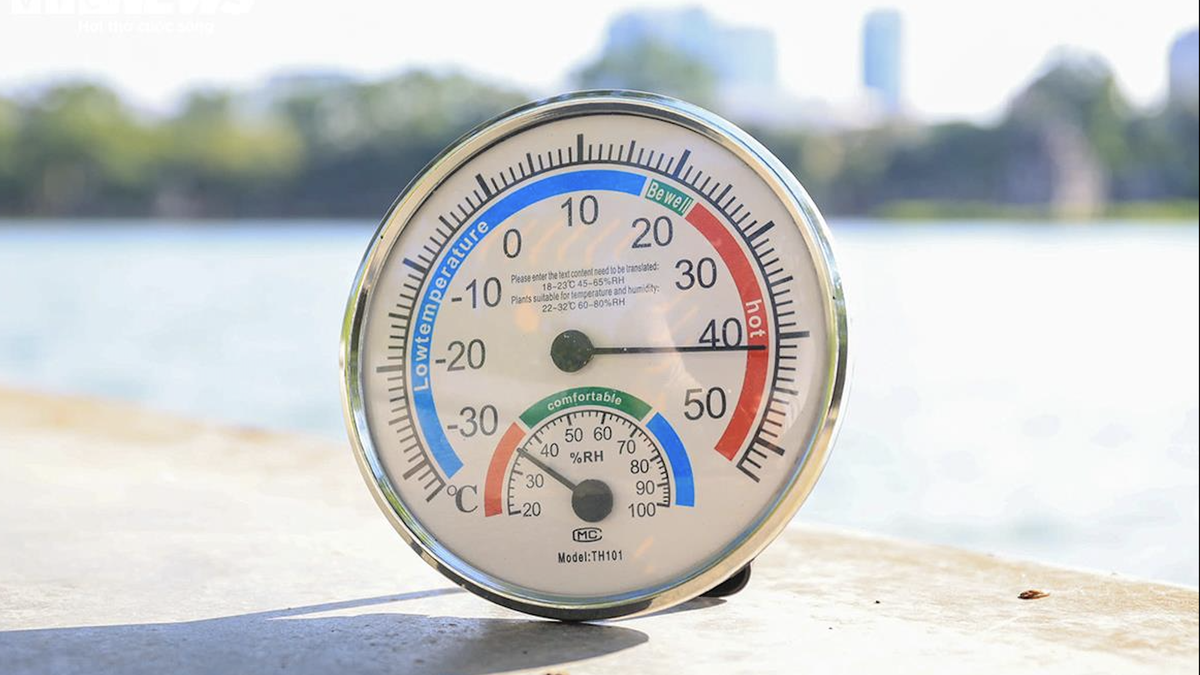
According to the National Center for Meteorological and Hydrological Forecasting, from May to July, the average temperature across the country is generally 0.5 ° C – 1.5 ° C higher than in previous years.
The hot weather in the Northern region, including Hai Phong , not only arrived earlier but also intensified. Along with this, extreme weather phenomena such as thunderstorms, tornadoes, lightning, hail, and strong winds are becoming more frequent, making outdoor working conditions even more challenging.
In the midday May sun, at a construction site on Dinh Dong Street (Le Chan Ward), construction worker Nguyen Van Lam said: "The sun is harsher this year; after working for a while, I feel dizzy. We have to work early and take longer breaks at noon to conserve our energy."
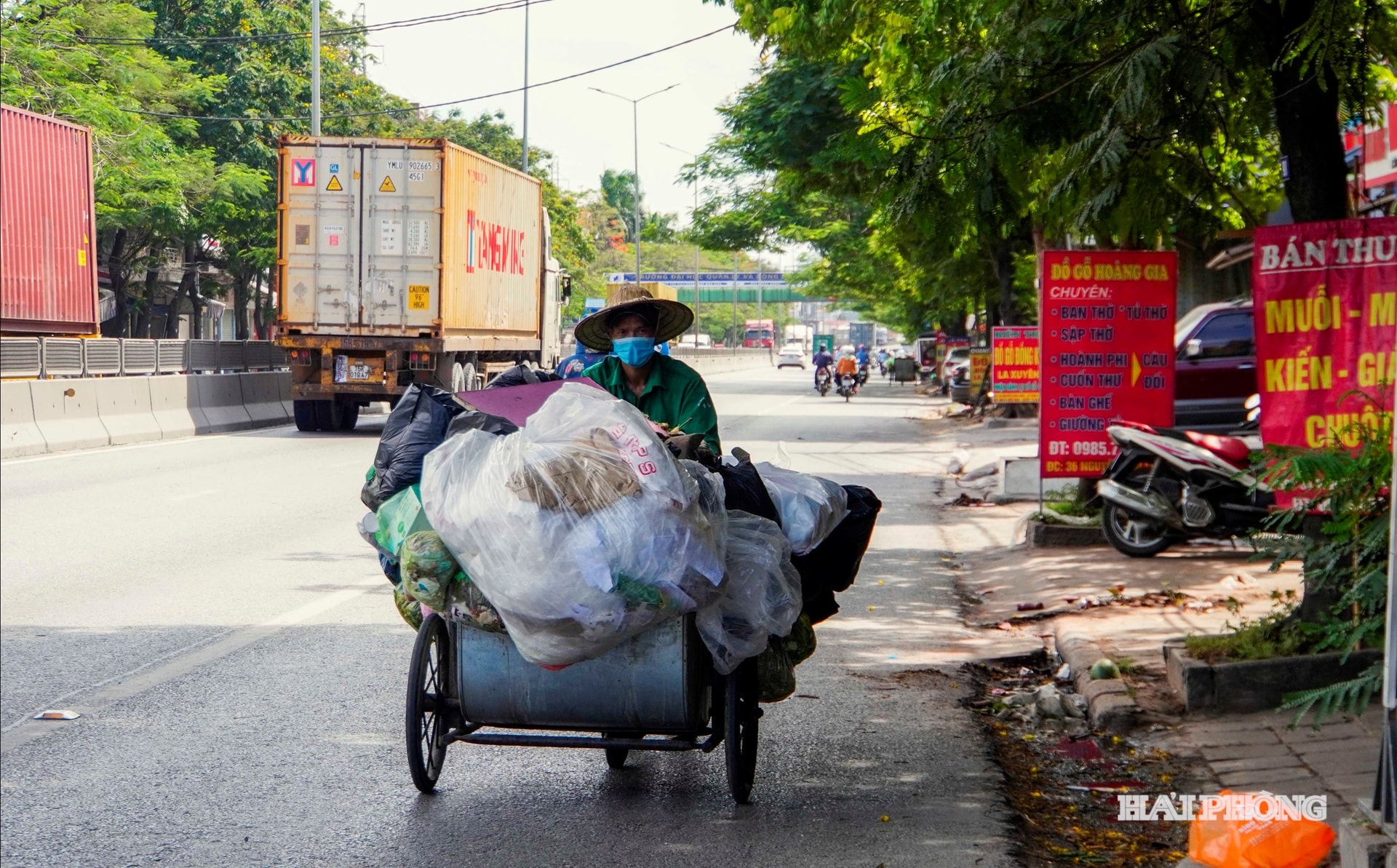
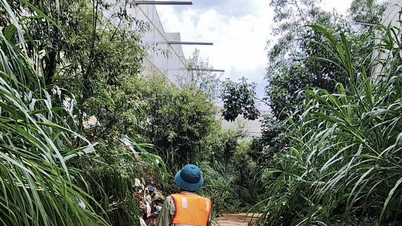
Not only in the construction sector, but many other labor groups are also directly affected by the heat. For sanitation workers, working outdoors for long periods requires proactive adaptation. Ms. Le Thi Sua, a garbage collector in the Lach Tray overpass area, shared: "I always carry water, cover myself well, and start work earlier than usual to avoid the sun."
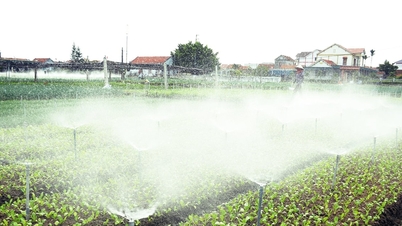
In suburban areas, farmers also have to adjust their daily routines. Mr. Nguyen Van Can, a vegetable farmer in An Duong ward, said: "The hot weather causes crops to wilt quickly, so we have to go to the fields early to water them. Working in the sun for too long is very tiring, affecting health and productivity."
For long-distance truck drivers, the pressure comes from working continuously for long periods. Mr. Tran Van Hung (Hong An ward) said: "Sitting in the cabin for many hours is still tiring because of the constant movement. When getting out to load goods in the sun, it's easy to suffer from heatstroke if you're not careful."
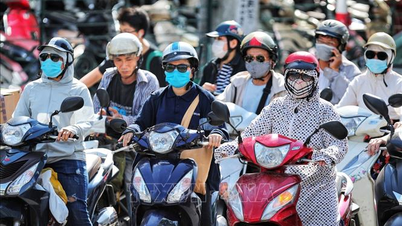
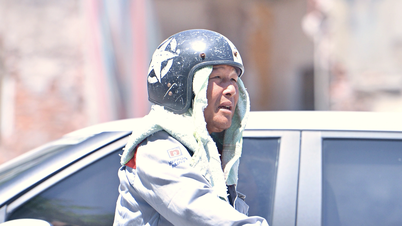
In particular, technology-based delivery workers – those who frequently travel outdoors – are being significantly impacted. Nguyen Duc Hung, a long-time shipper, shared: “Midday is when orders are most numerous but also when exhaustion is most likely. I always carry water, wear protective clothing, and rest when I feel tired.”
On the streets, street vendors are gradually developing the habit of "avoiding the sun." Many proactively shorten their selling time at noon or take a break when the weather is too harsh to protect their health.
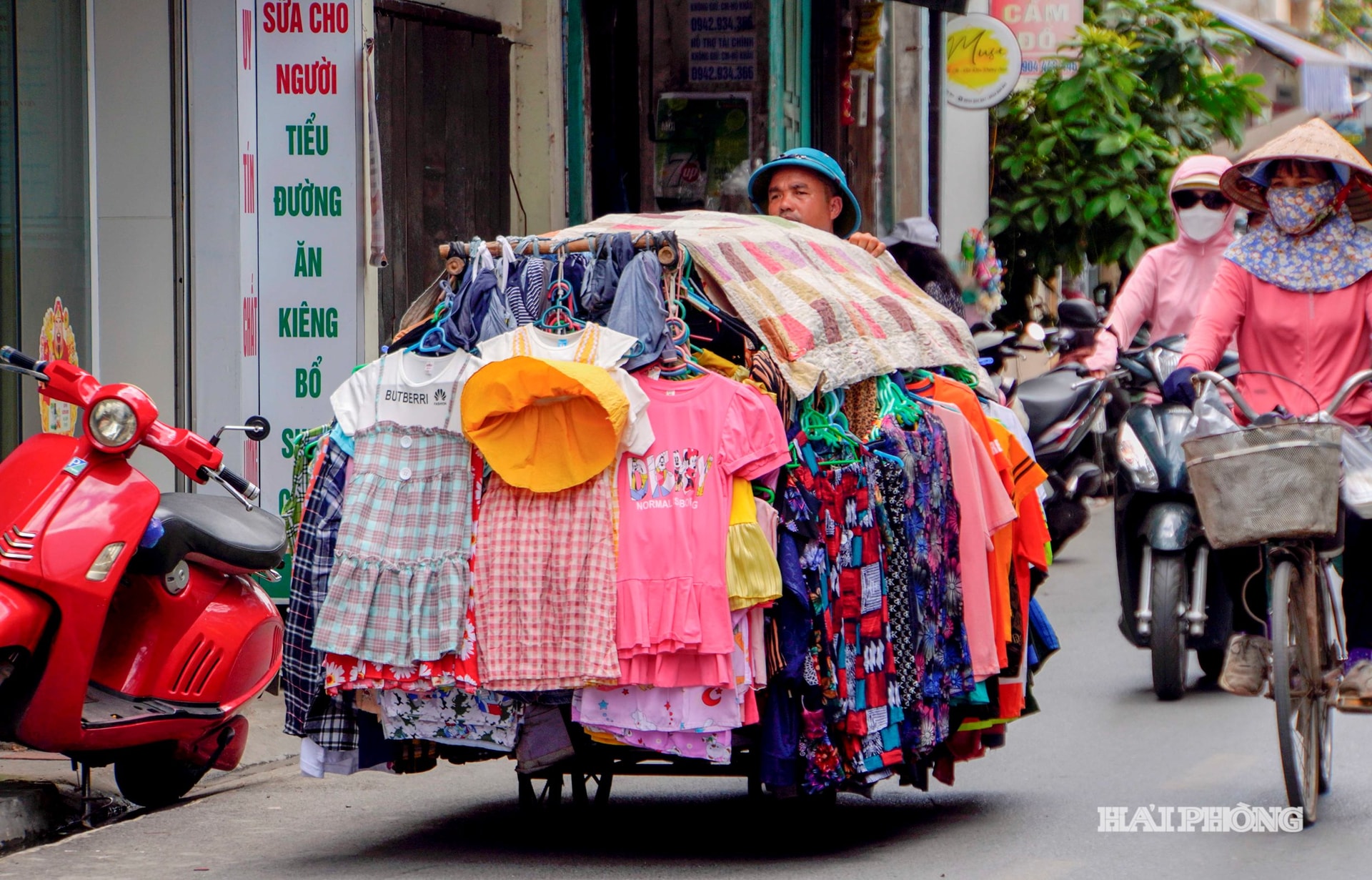
In reality, with increasingly intense heat, workers are proactively changing their work habits to adapt. However, the risk to their health remains ever-present.
Proactively protect your health.
Over the past period, the city and trade unions at all levels have actively implemented many solutions to take care of the health of workers during the hot season.
Many organizations and businesses are encouraged to adjust working hours accordingly, limiting direct outdoor labor during peak hours of intense sunlight. At the same time, they should strengthen safety measures such as providing sufficient drinking water, improving the working environment, and arranging cool, well-ventilated rest areas.
Some units also implement support and allowance schemes for workers who work in harsh conditions, helping to reduce stress and health risks.
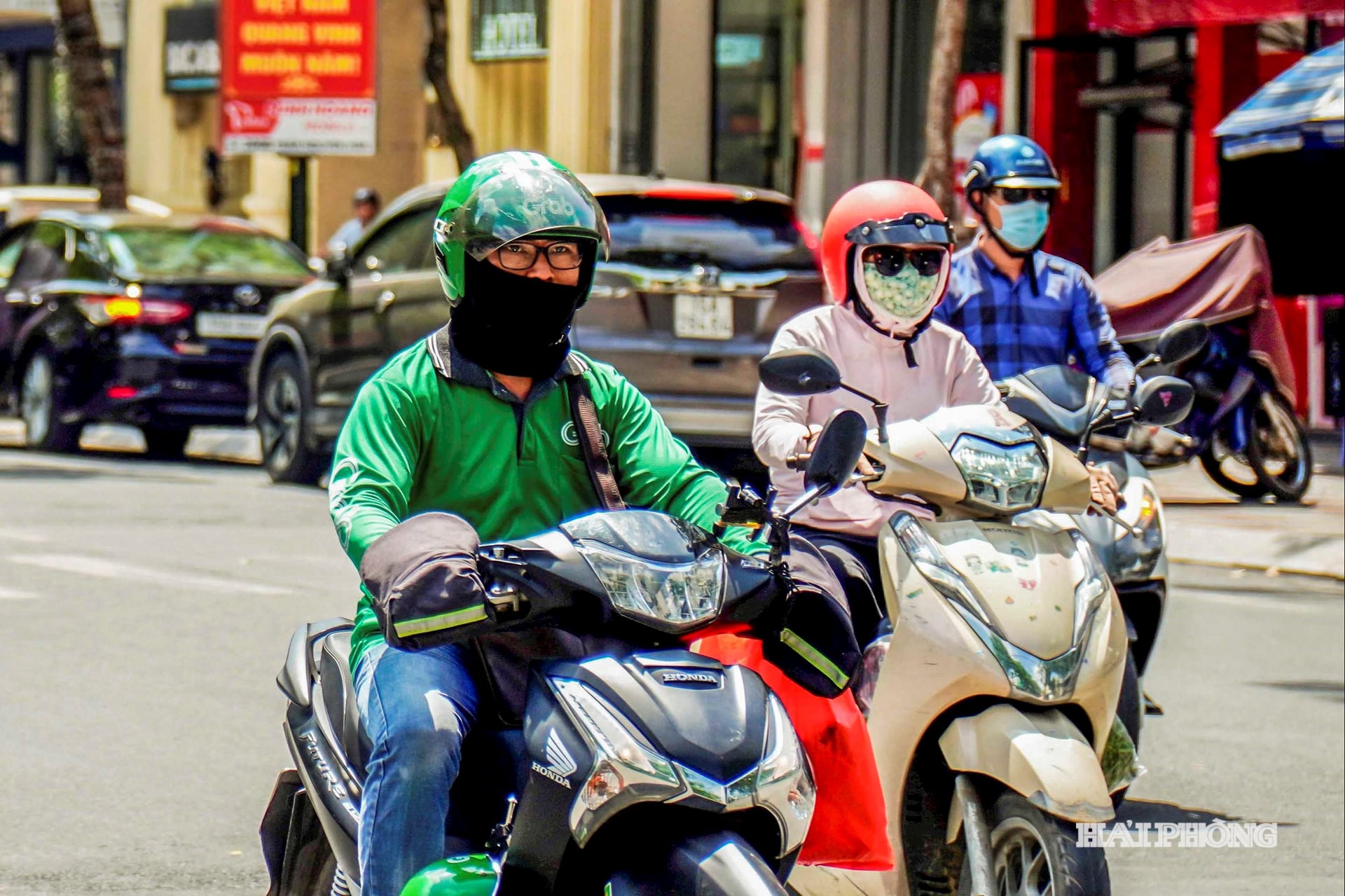
Given the increasingly intense heatwave, health experts believe that proactively preventing and mitigating the effects of the weather is a key factor in helping workers maintain their health and productivity.
According to Dr. Pham An Hien, Director of An Duong Medical Center, working for long periods in hot weather can lead to exhaustion, thermoregulation disorders, sunstroke, heatstroke, and even stroke if not treated promptly.
To prevent this, limit outdoor work between 10 AM and 3 PM. If it's unavoidable, schedule reasonable breaks every 45-60 minutes to allow the body to recover.
Adequate hydration is crucial. Everyone should drink 1.5-2 liters of water per day, divided into several small portions. Those who work intensely and sweat profusely should supplement with electrolyte drinks to prevent dehydration and electrolyte imbalance.
Work attire should be appropriate for the weather conditions, prioritizing light-colored, loose-fitting clothing that absorbs sweat well; combined with hats, sunglasses, and face masks to minimize direct exposure to sunlight. At the same time, minimize the area of skin exposed to the sun, especially the head and neck.
Workers themselves need to improve their self-awareness of health protection, pay attention to their bodies, and recognize early signs of heatstroke or heat exhaustion such as fatigue, dizziness, thirst, rapid heartbeat, and nausea. When these symptoms appear, they should stop working, move to a cool place, lower their body temperature, and rehydrate; in severe cases, they should be taken to a medical facility promptly.
In addition, maintaining a healthy diet also contributes to boosting immunity. Workers should limit their consumption of alcohol, beer, and carbonated drinks during working hours, while increasing their intake of green vegetables and fruits.
Forecasts indicate that the summer of 2026 will continue to see prolonged periods of intense heat. In this context, outdoor workers will still need to maintain their livelihoods, but proactively adapting and protecting their health will be crucial for safe and stable work.
PHAM THANHSource: https://baohaiphong.vn/vat-va-muu-sinh-duoi-troi-nang-nong-542882.html

















































































Comment (0)