

Communication from family to community
The work of improving nutrition for children in the highlands is only truly sustainable when it starts from each family and spreads to the community. Realizing this, in recent times, many localities in the province have promoted direct communication activities to each household, especially mothers with young children. Through consultation sessions in villages and hamlets, and cooking instruction, parents and caregivers have access to knowledge about choosing safe foods, balancing meals, preventing malnutrition and maintaining hygiene during food preparation...
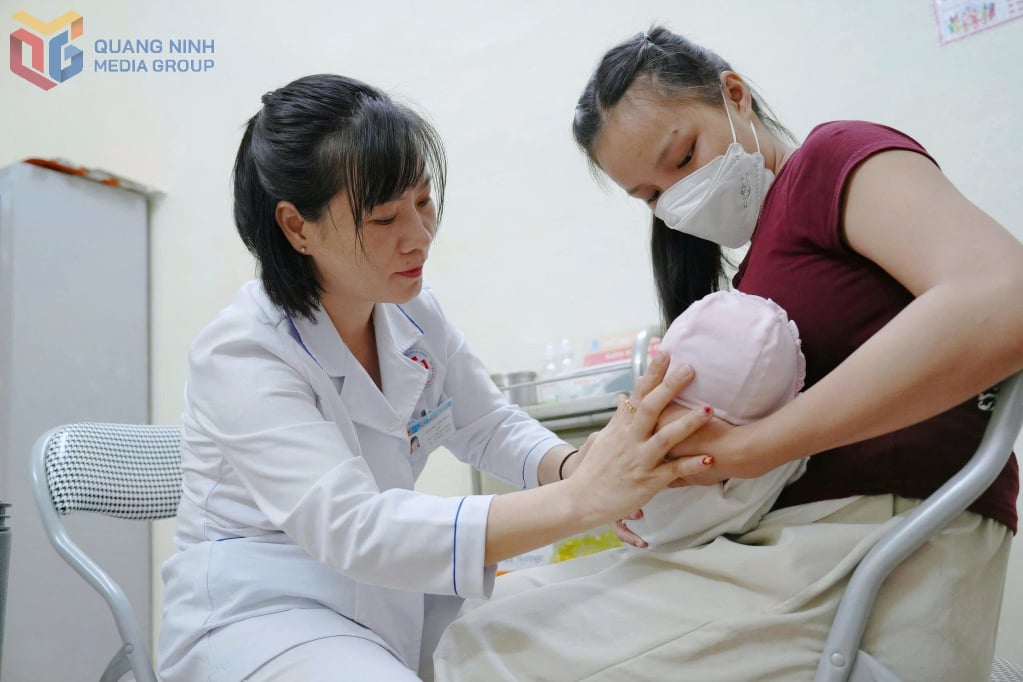
Children in Quang Duc commune are regularly monitored for their health at the commune health station.
In Quang Duc commune, the nutritional problem of children has recently had many positive changes. Most children are taken care of more fully, the rate of achieving standard weight and height according to age has increased over the years. Parents pay more attention to family meals, ensuring adequate nutrition and food diversity. At school, children are monitored for their health periodically, the boarding menu is scientifically developed, contributing to a significant improvement in their physical condition.
However, the locality still faces some limitations. A number of children in poor households are still at risk of being underweight and stunted; the main reason is that some parents in ethnic minority areas have limited nutritional awareness and still maintain old child-rearing habits. In addition, difficult economic conditions, parents working far away, leaving their children with grandparents, make it difficult for children to have a balanced diet. Some children still skip breakfast, eat a lot of sweets, and few green vegetables, leading to the risk of nutritional imbalance.
In the commune, the Child Care and Education Club implemented by the Commune Women's Union is considered one of the effective solutions in raising awareness and childcare skills for members, especially parents in ethnic minority areas. The club consists of 30 members, maintaining regular quarterly activities at the commune cultural house with the participation of union officials, nutrition collaborators, village health workers and mothers with children under 5 years old.
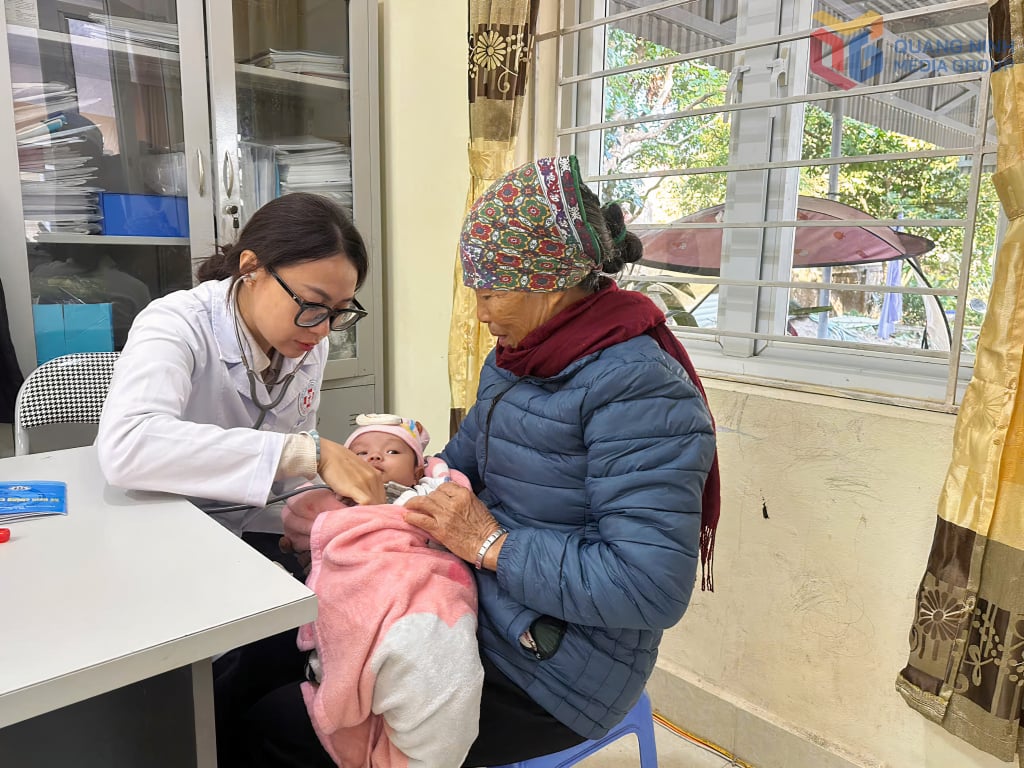
Health check for children before vaccination at Quang Duc Commune Health Station.
In each meeting, parents are guided with practical knowledge such as: How to build nutritious meals, choose safe seasonal foods, prevent malnutrition, hygiene in processing, take care of sick children and monitor monthly growth. In addition to group meetings, members of the Club also go to the households of ethnic minorities who are raising young children to propagate nutrition counseling activities, combining practice, from preparing food on the spot to instructing on how to preserve food, how to cook according to each age. Thanks to this method, many mothers can apply it more easily in practice than before.
Ms. Phun Thi Na, Head of the Child Care and Education Club, shared: The club has created opportunities for parents to share their experiences in raising children according to their family's conditions such as: How to make children eat vegetables, or how to maintain breakfast for children when parents go to work early... Thanks to that, many parents have proactively monitored their children's weight and height, paid more attention to meals at home, and gradually reduced the situation of skipping breakfast, eating a lot of sweets or eating an unbalanced diet. The club has become a "bridge" connecting families and communities in the common goal of improving the health and stature of children in the highlands. This is an important support to help families in the commune raise their children more systematically and scientifically.
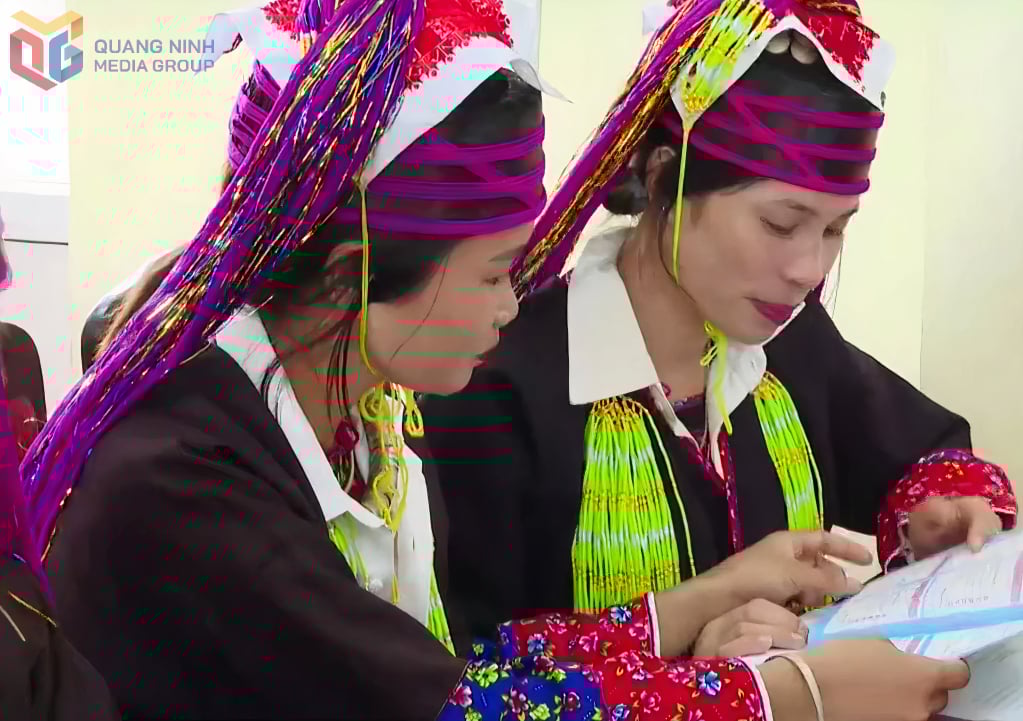
Ethnic minority women in Quang Duc commune learn about nutrition and child care through the Child Care and Education Club activities.
Ms. Dinh Thi Huong, President of the Women's Union of Quang Duc Commune, said: In the process of implementing the work of caring for, protecting and improving nutrition for children, we identified changing parents' awareness as a key factor. The Women's Union of the commune has maintained regular communication sessions, provided nutrition advice, and guided cooking practices for women; and at the same time, visited each disadvantaged household to provide support. Thanks to the active participation, especially the change in awareness of mothers, the quality of meals and the health of children in the area have improved significantly.
In recent times, communication on nutrition and child health care has always received special attention from the Women's Union at all levels in the province. As the core force in mobilizing women and families, the Union at all levels has promoted many diverse forms of communication, suitable for each target group. From branch meetings, women's groups; training classes, nutrition consultation; to "hands-on" activities such as instructing on food preparation practices, building nutritious meals for children... are all organized regularly and flexibly.
In 2025, the Provincial Women's Union organized 32 training courses, seminars, and communication for 2,240 Union officials, cultural and health officials, young women, mothers, and caregivers in communes implementing the project; organized 8 "Knowledge of mothers and children's health" contests; printed 16,000 leaflets with instructions on how to supplement nutrition for children of different ages... In order to evaluate the impact and effectiveness of the project, the Provincial Women's Union conducted a survey on the awareness, attitudes, and behaviors of parents and caregivers of children aged 0-5 years after 3 years of implementing the Nutrition Project on knowledge of proper nutrition, vaccination, health care, the role of breast milk, supplementary feeding for children; views on responsibility for nurturing, the reality of breastfeeding, supplementary feeding after vaccination...
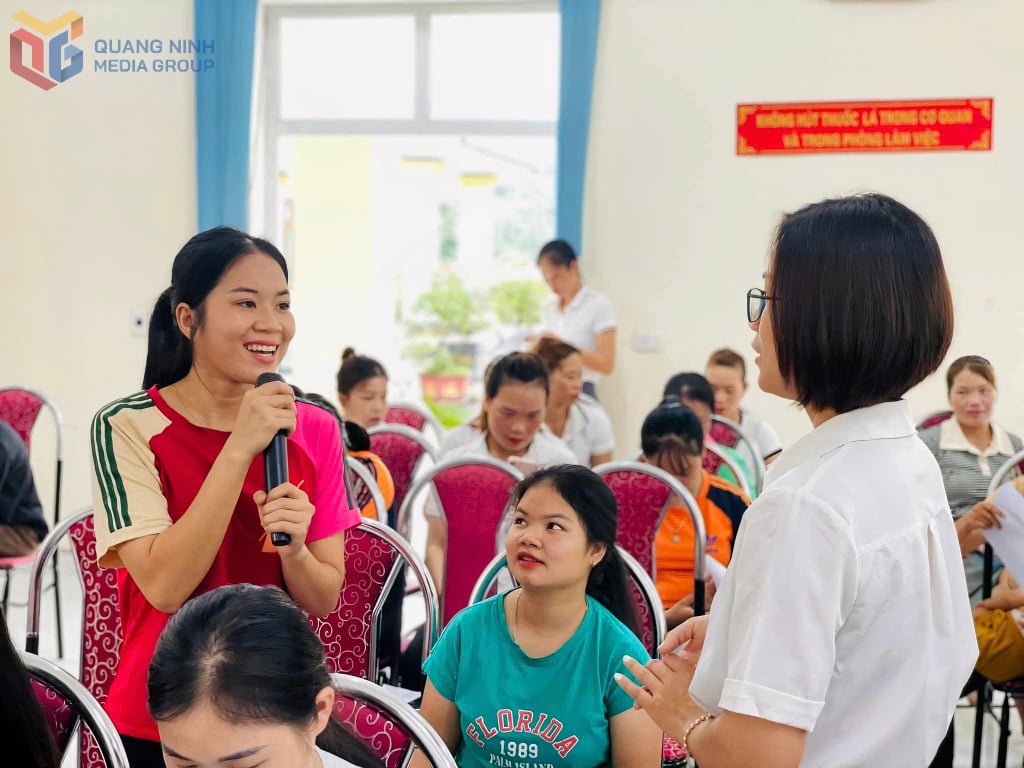
Women in Ky Thuong commune enthusiastically shared childcare skills at a training session on propaganda and advocacy to improve nutrition for children in ethnic minority areas.
Currently, the province has established 21 child care and education clubs, becoming a core model in supporting women to raise their children scientifically. The clubs operate quarterly, focusing on practical content such as instructions on nutritional regimens for each age group, ways to prevent malnutrition and common diseases in children, monitoring growth charts, and practicing preparing nutritious dishes from locally available food sources. Many activities are designed in the form of direct practice to help members cook together, chat together, and share experiences; thereby, knowledge about child nutrition care reaches parents in a natural, easy-to-remember and easy-to-apply way.
Through the team of population collaborators, Women's Union officers and village and hamlet health workers, parents and caregivers are also promptly advised on their children's health status, weight and height; children at risk of malnutrition are closely monitored and supported with early intervention. Since then, there has been a clear change in the awareness and child-rearing habits of many mothers in the highlands, contributing to improving the health of children in the localities.
Creating a sustainable foundation for children's health and stature
Currently, malnutrition in children in Quang Ninh is still increasing with age. According to the report of the Department of Health, the level of malnutrition in children under 5 years old is still present, with 4.74% of children underweight, 5.71% stunted and 1.97% wasted; for children under 2 years old, the rates are 3.15%, 3.76% and 1.49% respectively. This clearly reflects the urgent need for effective nutritional intervention solutions to improve the physical condition and health of children from the very beginning.
In recent years, Quang Ninh province has implemented many key policies to improve nutrition and enhance children's health, especially in mountainous areas and ethnic minority areas. On that basis, sectors and localities have proactively developed implementation plans suitable to practical conditions. The health sector has strengthened screening and monitoring of growth charts at commune health stations, directed medical teams in villages and hamlets to closely follow the area, periodically measure height and weight, and detect early signs of malnutrition in children to support intervention. Vitamin A supplementation programs, periodic deworming, and expanded vaccination are maintained fully and on schedule, contributing to improving children's resistance.
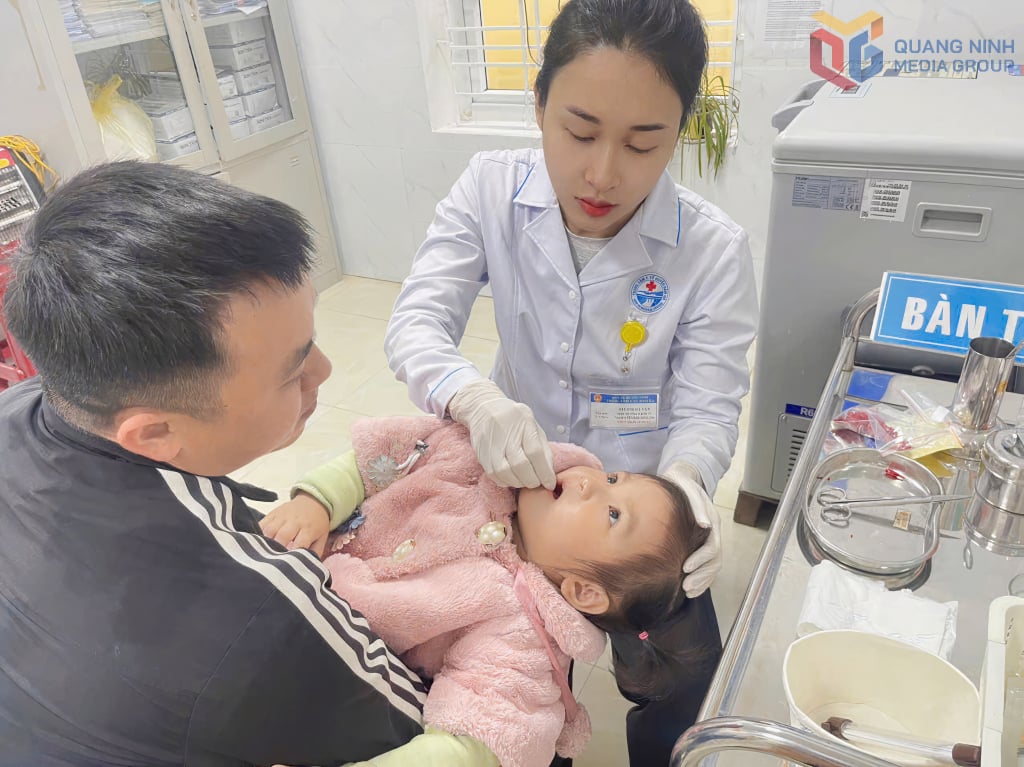
Quang Tan Commune Health Station organized vitamin A for local children.
In early December 2025, the vitamin A drinking campaign was deployed simultaneously at all health stations in the province. During this time, health stations in the province mobilized maximum human resources, prepared adequate supplies and equipment to be ready to receive children drinking vitamin A and carry out weighing and measuring. Quang Ninh CDC is responsible for distributing vitamin A to each locality, while monitoring storage conditions, supply processes and carefully instructing grassroots health workers to properly implement techniques, helping children drink safely and in the right dosage. To optimize the process and ensure epidemic prevention safety, health stations are arranged reasonably, divided scientifically, and instructed parents to take their children to drink at appropriate times, minimizing the risk of spreading infectious diseases in the community. This careful preparation demonstrates professionalism and deep concern for public health.
During the campaign, direct supervision was the top priority. Quang Ninh CDC sent staff to key locations to provide professional support to grassroots health workers and promptly resolve any difficulties that arose. Supervision not only included checking vitamin A intake but also expanded to assessing the weighing process, recording and monitoring cases of children at risk of malnutrition, underweight, stunting or overweight and obesity. This was an essential activity to ensure the accuracy of data reports, and at the same time help the health sector promptly grasp children's health problems across the province to come up with appropriate and effective interventions.
Along with the implementation at health stations, propaganda work was also strengthened before and during the campaign. Quang Ninh CDC coordinated with media agencies, grassroots radio systems, residential groups, and kindergartens to widely inform parents about the time, location, benefits, and necessity of taking vitamin A. Thanks to the promotion of multi-channel communication, the rate of children being taken by parents to take vitamin A has always been maintained at a high level, creating conditions to achieve the goal of wide coverage, minimizing omissions, and turning the campaign into a common action of the whole community.
According to the CDC's plan, the campaign aims to have at least 98% of children aged 6 to under 36 months receive Vitamin A. All children aged 0 to 59 months will be weighed and measured to assess their nutritional status and detect early risks of stunting, underweight, overweight, and obesity. During this phase, children aged 6-11 months will receive one 100,000 IU tablet, and children aged 12-35 months will receive one 200,000 IU tablet. Special cases such as children with measles, prolonged diarrhea, respiratory infections, or acute malnutrition will receive Vitamin A supplements according to the Ministry of Health's professional guidance.
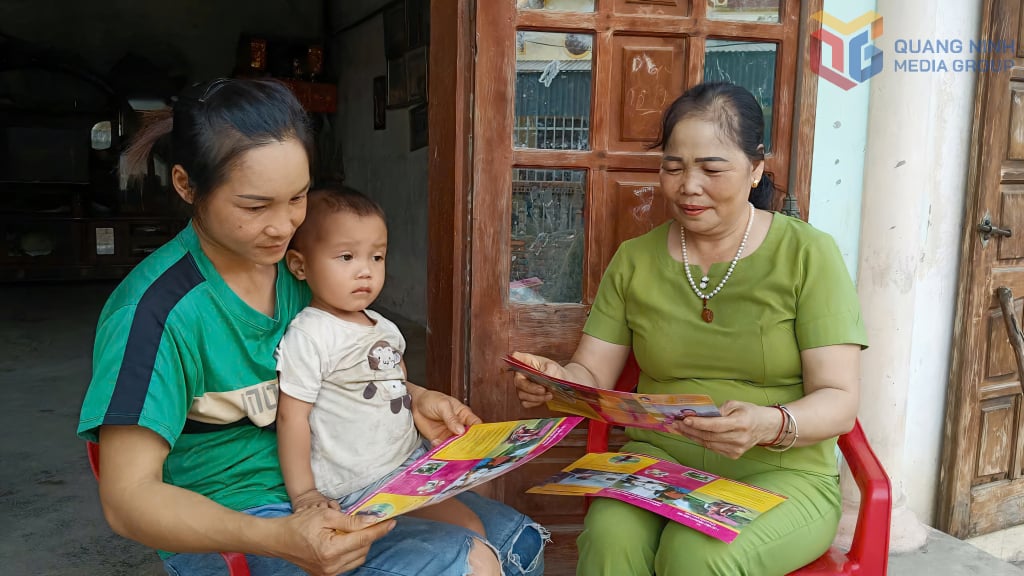
Dong Ngu commune population collaborators promote child care and nutrition at home.
In recent times, health stations in ethnic minority communes have also organized screening and nutritional assessment for pregnant mothers 3 times/pregnancy/person and 3 months/time/child for children under 2 years old; implemented nutritional counseling for children under 2 years old... Implemented intervention measures for children from 0 to 72 months old diagnosed with severe acute malnutrition by supporting treatment; providing regular nutritional support and guidance... Health stations also provide health care for mothers and newborns in the first 42 days after birth at home, to monitor the health of both mothers and newborns in the first 6 weeks at home. At the same time, provided nutritional counseling for mothers, such as: Exclusively breastfeeding for 6 months to increase the child's resistance; supplementing foods suitable for the child's age as well as suitable for the family's actual conditions.
At the same time, the education sector has directed preschools to improve the quality of boarding, develop scientific menus, increase dishes from local food sources; and control food safety in school kitchens. Many units have organized nutrition counseling sessions for parents, and coordinated with health stations to organize regular weighing and health monitoring for children.
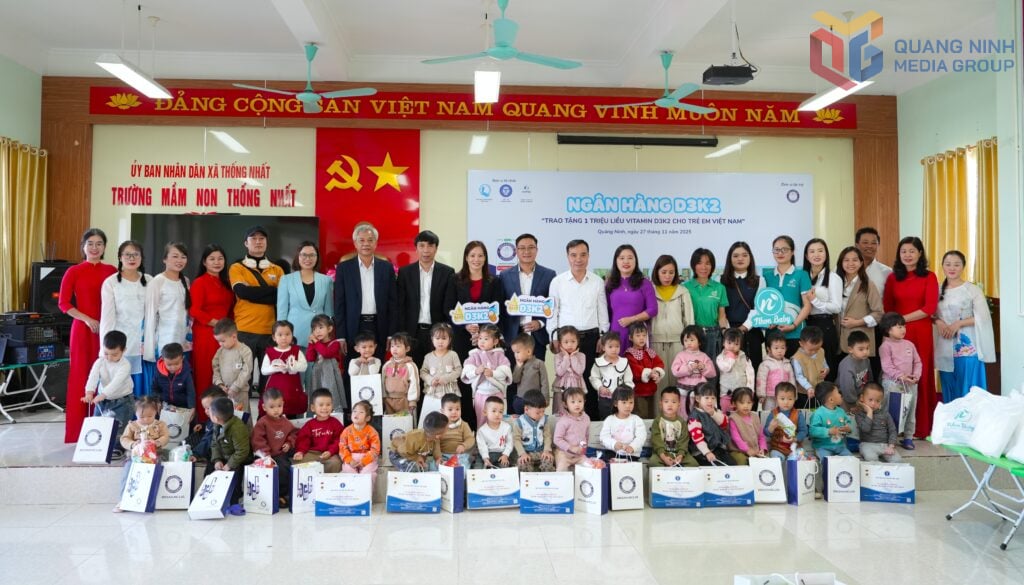
Vietnam Children's Fund in collaboration with Quang Ninh Social Assistance Center and Hunmed Pharmaceutical Company Limited presented vitamin D3K2 support to children at Thong Nhat Kindergarten. Photo: Thanh Nga (CDC).
In particular, at the 33rd Session (November 14, 2025), the Provincial People's Council passed a Resolution on the policy of supporting drinking milk at school for preschool children and primary school students studying at educational institutions in the province for the period 2025-2030. This is considered an important and timely solution to help overcome the current malnutrition situation for children.
According to the resolution, the beneficiaries are all preschool children and primary school students studying at educational institutions in the province, with the consent of their parents or guardians. They will be able to drink milk during the actual school days at the educational institution, with a support level of 110ml/child for nursery children; preschool children and primary school students are supported with 180ml/child. The number of support days per year is based on the number of direct school days, but not exceeding 175 days/school year. The entire cost of purchasing milk is 100% guaranteed by the provincial budget. The support policy implementation period is until December 31, 2030, the total resources to implement the policy are expected to be about 1,725 billion VND; on average, about 207,000 children and students will benefit each year, with a budget of about 287.5 billion VND/school year.
The issuance of the school milk support policy demonstrates the province’s strong determination to care for the health of future generations. This is not only nutritional support, but also a long-term solution to form healthy eating habits, supplementing children with the right and sufficient micronutrients right from the school environment.
It can be seen that, with the synchronous participation of all levels and sectors along with humane and practical policies, Quang Ninh is gradually building a solid nutritional foundation for children, creating a premise for the future generation of the province to develop healthily, comprehensively and sustainably.
Van Anh
Source: https://baoquangninh.vn/vi-mot-the-he-tuong-lai-khoe-manh-3387615.html


![[Photo] Urgently help people soon have a place to live and stabilize their lives](/_next/image?url=https%3A%2F%2Fvphoto.vietnam.vn%2Fthumb%2F1200x675%2Fvietnam%2Fresource%2FIMAGE%2F2025%2F12%2F09%2F1765248230297_c-jpg.webp&w=3840&q=75)




















































![[Photo] General Secretary To Lam works with the Standing Committees of the 14th Party Congress Subcommittees](https://vphoto.vietnam.vn/thumb/402x226/vietnam/resource/IMAGE/2025/12/09/1765265023554_image.jpeg)





















Comment (0)