

 |
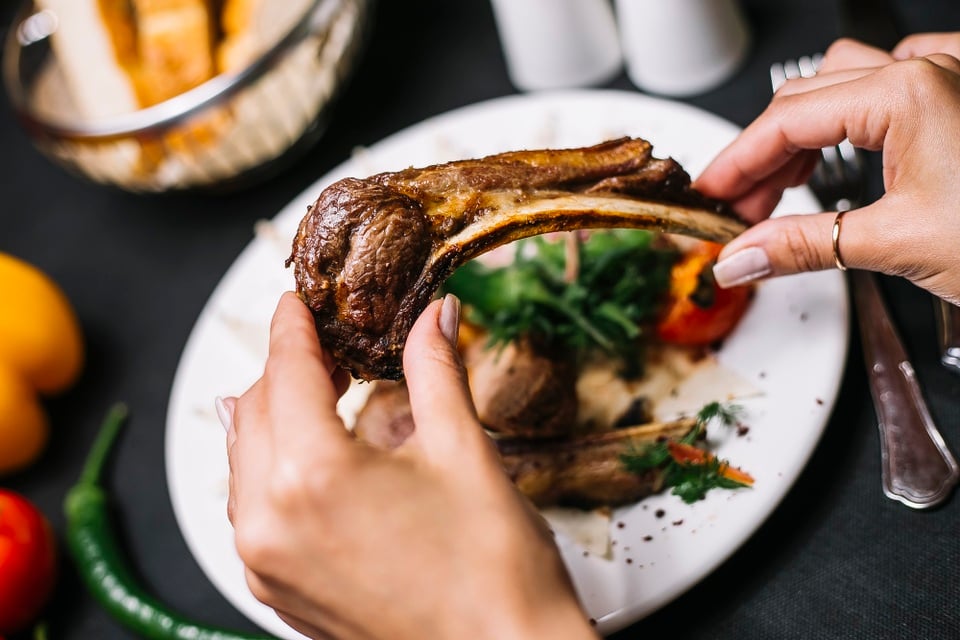
When the amount of calories consumed from food and drinks exceeds the energy the body expends, the excess is metabolized and stored as fat. Photo: Preepik . |
To understand why the body easily accumulates fat and gains weight, we first need to look at how fat is formed in the body. According to Dr. Tran Chau Quyen, Head of the Adult Nutrition Examination and Counseling Department at the National Institute of Nutrition, the most important reason is the situation of "consuming more than expending".
When the amount of calories consumed from food and drinks exceeds the energy the body expends, the excess is metabolized and stored as fat.
The truth about the mechanism of fat accumulation.
According to Dr. Quyen, sugar plays a significant role in this process. When ingested sugar is not used immediately, the body converts it into triglycerides—the initial form of fat—and stores them in fat cells. This explains why many people eat a lot of fruit hoping for beautiful skin but end up gaining weight. If the amount of sugar in the fruit exceeds the body's needs, the excess can still be converted into fat.
A high-calorie diet, especially one high in sugar and fat, further promotes fat accumulation. Regularly consuming processed foods, sugary drinks, and high-fat snacks leads to the gradual accumulation of excess energy over time.
"In addition, the way meals are distributed throughout the day also affects metabolism. Irregular eating habits, overeating in the evening, or eating late at night can disrupt the circadian rhythm, reduce metabolic efficiency, and contribute to fat accumulation," the expert said.
Hormonal factors also play a crucial role. After each meal, the body releases insulin to help cells absorb glucose and use it for energy. When cells become less sensitive to insulin, glucose is not absorbed efficiently and is instead converted into fat for storage. Additionally, hormones like leptin and ghrelin control feelings of hunger and satiety. If this regulatory mechanism is disrupted, food intake can increase uncontrollably.
A sedentary lifestyle is another common cause. Prolonged sitting reduces energy expenditure while calorie intake remains constant, thereby promoting fat storage.
In addition, sleep and stress also significantly affect this process. Insufficient sleep can disrupt hormones that control hunger, leading to uncontrolled eating. Prolonged stress increases cortisol levels – a hormone associated with fat storage, especially in the abdominal area.
Dr. Chau Quyen believes that behavioral and environmental factors also play a significant role. Emotional eating habits, overeating, or a lack of faith in a scientific diet easily lead to calorie intake exceeding what is necessary. Meanwhile, the widespread availability of unhealthy foods – from convenience stores to the habit of stocking up on fast food at home – makes choosing healthy eating more difficult.
In addition to the factors mentioned above, genetics also influences each person's tendency to accumulate fat. Science has identified several genes related to metabolic rate, fat distribution, and appetite control.
 |
Irregular eating habits, overeating in the evening, or eating late at night can disrupt the circadian rhythm, reduce metabolic efficiency, and contribute to fat accumulation. Photo: Pexels. |
For example, variants of the FTO gene are associated with a higher body mass index (BMI) and an increased risk of obesity. In addition, diet, stress, and environmental factors can impact gene expression, thereby affecting metabolism and fat storage.
Experts share tips on how to prevent excess fat from accumulating every day.
Excess fat accumulation not only leads to weight gain but is also linked to numerous health problems such as obesity, cardiovascular disease, diabetes, and some types of cancer. Therefore, lifestyle and dietary adjustments play a crucial role in prevention.
First, according to Dr. Quyen, it's necessary to build a balanced diet with sufficient amounts of all food groups, prioritizing green vegetables, fresh fruits, whole grains, and healthy protein sources from fish, beans, and nuts. At the same time, saturated fats, refined sugars, and fast food should be limited. Choosing foods wisely not only helps control calorie intake but also provides the body with sufficient vitamins and minerals.
In parallel, maintaining an active lifestyle is essential. Activities such as walking, cycling, dancing, or practicing yoga help burn excess energy, boost metabolism, and support the maintenance of a healthy weight.
"Everyone should dedicate at least 30 minutes each day to physical activity, and take advantage of opportunities for exercise in daily life such as taking the stairs, walking while shopping, or stretching and doing light exercises during work breaks," said Dr. Quyen.
Sleep is also a crucial link. Getting 7-8 hours of sleep each night helps regulate hormones, reduce cravings, and support energy metabolism. Additionally, managing stress through meditation, deep breathing, or other relaxation activities can reduce emotional eating.
Source: https://znews.vn/vi-sao-an-it-van-beo-can-nang-tang-post1626550.html


































































































Comment (0)