

Blanching (briefly blanching in boiling water) is a seemingly simple preparation step but plays an important role in removing natural toxins, reducing anti-nutrients and ensuring food safety.
Several studies have shown that some foods need to be blanched before cooking.
Below are typical food groups that nutritionists recommend blanching before cooking.
1. Vegetables high in oxalic acid - need to be blanched to reduce anti-nutrients
Oxalic acid is a compound found in many vegetables that acts as an antinutrient because it can interfere with calcium absorption and contribute to the formation of kidney stones. Oxalic acid content is especially high in vegetables such as spinach, water spinach, kale, amaranth, plantain, celery, etc.
Blanching vegetables in boiling water for 1-4 minutes can reduce the amount of oxalic acid by up to 50%. Stir-frying or regular cooking does little to remove this compound.
Most notable is plantain - a vegetable with twice the amount of oxalic acid as spinach; even after thorough blanching, the content is still high, so you should limit eating too much.
In contrast, vegetables such as Chinese cabbage, cabbage, lettuce or endive have lower oxalic acid content and can be prepared directly without blanching.
2. Vegetables contain natural toxins - need to be blanched to neutralize harmful substances
Some vegetables that seem very familiar contain a certain amount of natural toxins, typically saponin found in cowpeas, green beans and some other legumes. Saponin can irritate the stomach lining, leading to nausea, abdominal pain, diarrhea. In large amounts, this substance can even destroy red blood cells.
However, saponin is easily destroyed when exposed to high temperatures. Therefore, blanching vegetables at 100 degrees Celsius or stir-frying thoroughly is a safe way to remove toxins and limit the risk of food poisoning.
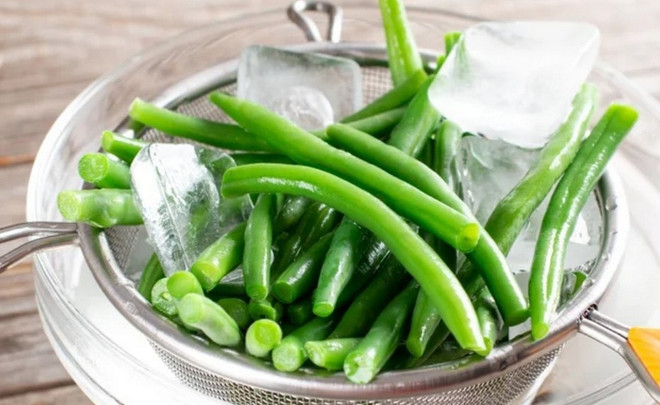
3. Vegetables high in nitrites or nitrates - blanch to reduce nitrosamine formation
Many people associate nitrite with carcinogens. In reality, nitrites don't directly cause harm, but in the acidic environment of the stomach, they can be converted into nitrosamines – a substance proven to be carcinogenic.
Vegetables high in nitrates (precursors that convert to nitrites) include spinach, lettuce, kale, celery, beets, and bean sprouts.
In particular, vegetables left overnight tend to have increased nitrite content. Briefly blanching these vegetables before cooking helps reduce nitrates and nitrites, thereby limiting the risk of nitrosamine formation when consumed.
4. Aquatic vegetables - need to be blanched to avoid parasites
Aquatic vegetables such as water chestnuts, water caltrops, and lotus roots, while delicious, are easily contaminated with parasites like liver flukes and thorny-headed worms. Eating them raw or in salads without proper preparation puts consumers at risk of gastrointestinal parasitic infections.
Blanching these tubers before using will help kill pathogens, ensuring food safety without losing their inherent crispness.
5. Vegetables are difficult to clean - blanch to remove impurities
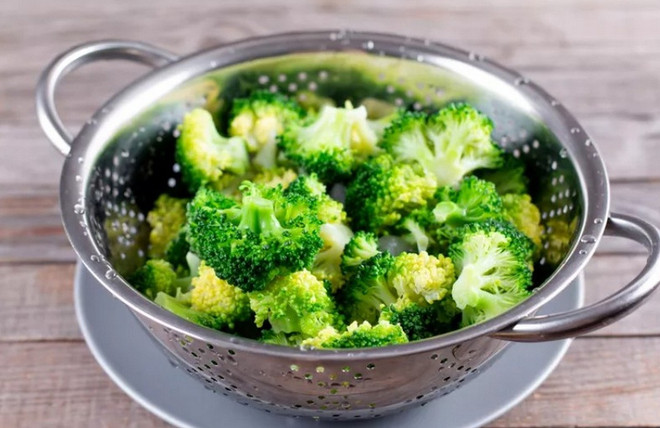
Some vegetables have a special structure, containing many grooves or a porous surface layer such as cauliflower, black fungus, shiitake mushrooms, etc., which makes them prone to accumulating dirt, bacteria and pesticide residues.
Quickly blanching these vegetables helps wash away impurities still stuck deep inside, remove parasite eggs, and reduce bacteria on the surface.
As for cauliflower - a vegetable rich in vitamin C, it should only be blanched for a short time to avoid losing nutrients.
6. Food with blood or a fishy smell - blanch to remove odor and clean
In addition to vegetables, many protein-rich foods such as pork, lamb, ribs, bones and animal organs also need to be blanched before cooking. The blanching step helps remove excess blood, reduce odors, and clean dirty foam, making the broth clearer.
When blanching meat, you can add ginger, white wine, star anise or bay leaves to increase the deodorizing effect and bring out the natural aroma of the meat.
Proper blanching techniques not only enhance the flavor of the food but also ensure food safety. For the aforementioned food groups, blanching is not just a preliminary step, but also a "shield" protecting consumers from the risk of food poisoning and related illnesses.
Things to keep in mind when blanching food
- Meat should be put in cold water and then boiled to make it easier to skim off the foam. If you put meat in boiling water, the outer layer will cook first, blocking the inner layer, preventing the blood from escaping, making it difficult to remove the odor.
- Vegetables and seafood should be blanched in boiling water. Although blanching in cold water helps remove oxalic acid better, it can easily mushy the vegetables and cause them to lose nutrients.
- Fish and shrimp only need to be blanched for 1-2 minutes to remove the fishy smell while still keeping the softness.
- Blanch leafy vegetables for about a minute, blanch before cutting, then soak in cold water immediately to keep color and crispness.
- Bamboo shoots and water chestnuts need to be blanched longer. After three minutes, the ability to remove oxalic acid increases. Vitamins in these vegetables are already very low, so there is no need to worry about losing nutrients.
- Do not reuse the blanching water. Oxalic acid dissolves in water, the longer you blanch, the more acid the water contains, so do not reuse./.
Source: https://www.vietnamplus.vn/vi-sao-nhieu-loai-rau-va-thuc-pham-can-duoc-chan-truoc-khi-nau-post1081799.vnp




![[Photo] Urgently help people soon have a place to live and stabilize their lives](/_next/image?url=https%3A%2F%2Fvphoto.vietnam.vn%2Fthumb%2F1200x675%2Fvietnam%2Fresource%2FIMAGE%2F2025%2F12%2F09%2F1765248230297_c-jpg.webp&w=3840&q=75)































































![[Photo] General Secretary To Lam works with the Standing Committees of the 14th Party Congress Subcommittees](https://vphoto.vietnam.vn/thumb/402x226/vietnam/resource/IMAGE/2025/12/09/1765265023554_image.jpeg)
































Comment (0)