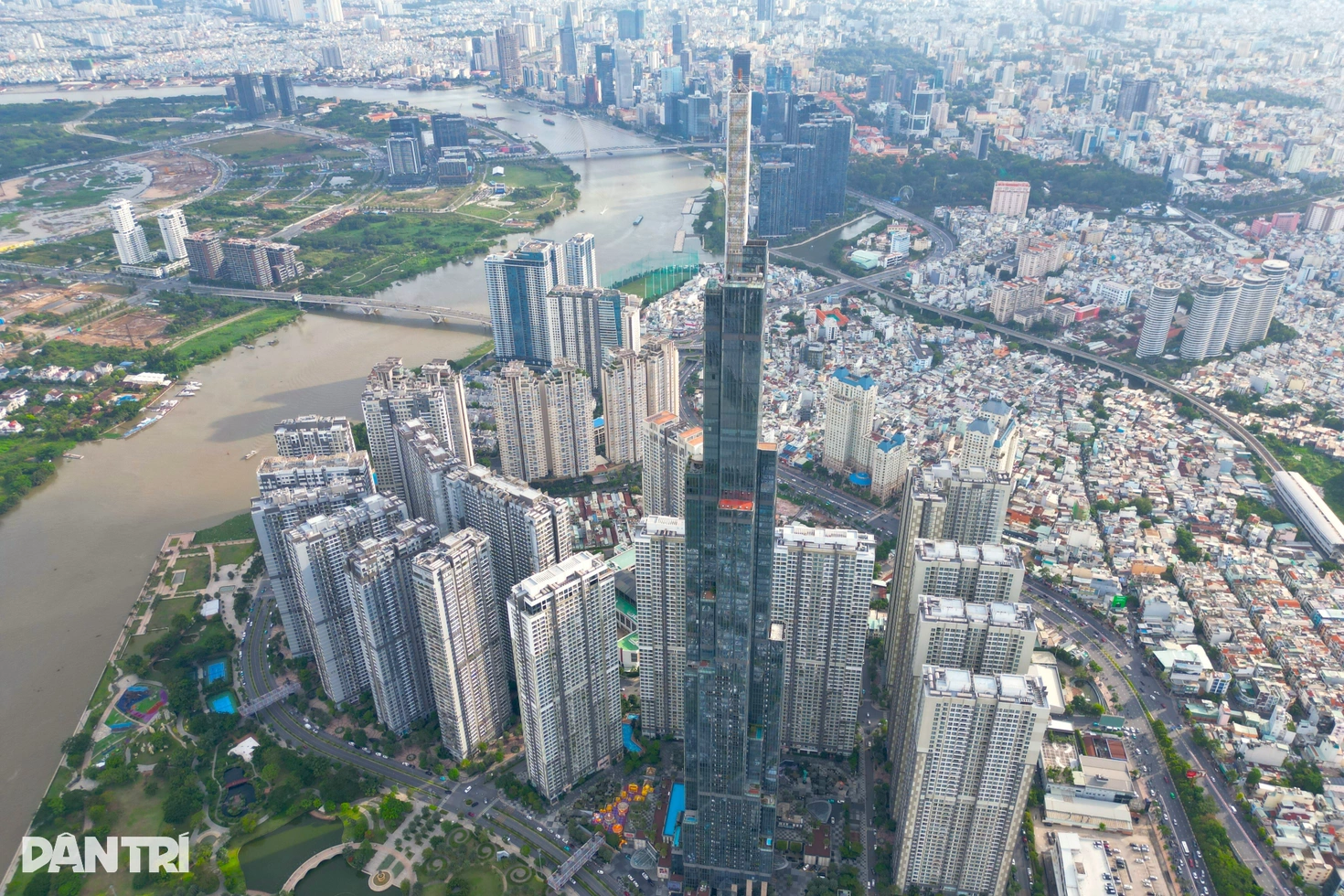

Throughout 40 years of reform, Ho Chi Minh City has been considered the cradle of economic and urban governance experiments. From the "breaking the rules" mechanism in the early years of opening up, piloting new development models, to the process of attracting investment and promoting the private economy, the city's imprint has always been present in many major transformations of the Vietnamese economy.
The sustained double-digit growth rate over several decades has made Ho Chi Minh City a symbol of dynamism, creativity, and the aspiration of a young metropolis. Throughout its development, the city has not only played a leading role in the economy but has also provided impetus to the Southern key economic region and the entire country.
However, in the new context, with higher expectations and responsibilities, Ho Chi Minh City is facing limitations after many years of breakthrough development. Infrastructure is overloaded, development space is gradually shrinking, and public investment resources are no longer keeping up with the needs of a megacity with 14 million people.
Long-standing bottlenecks are now forcing the city to find a new development model for the next phase.

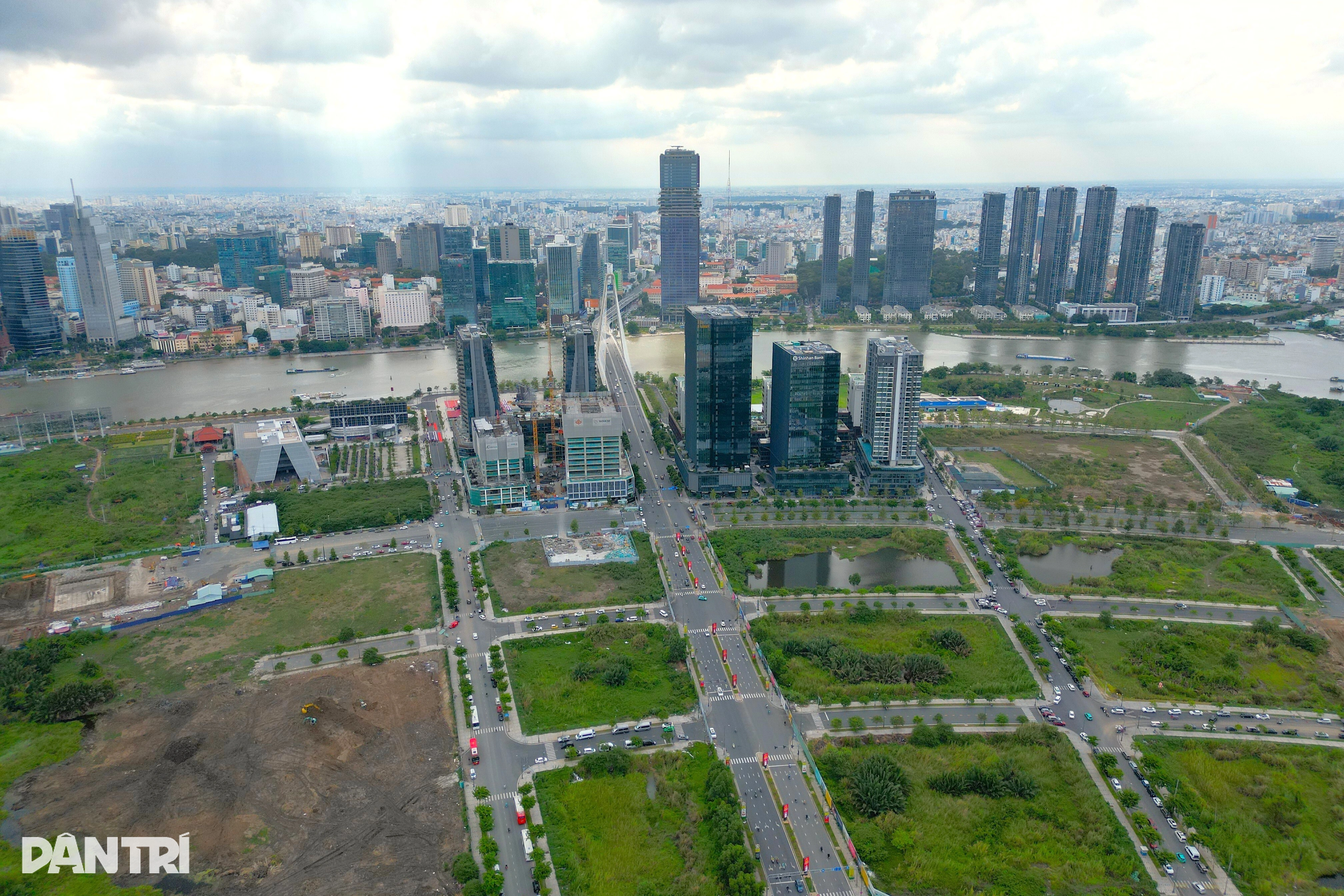
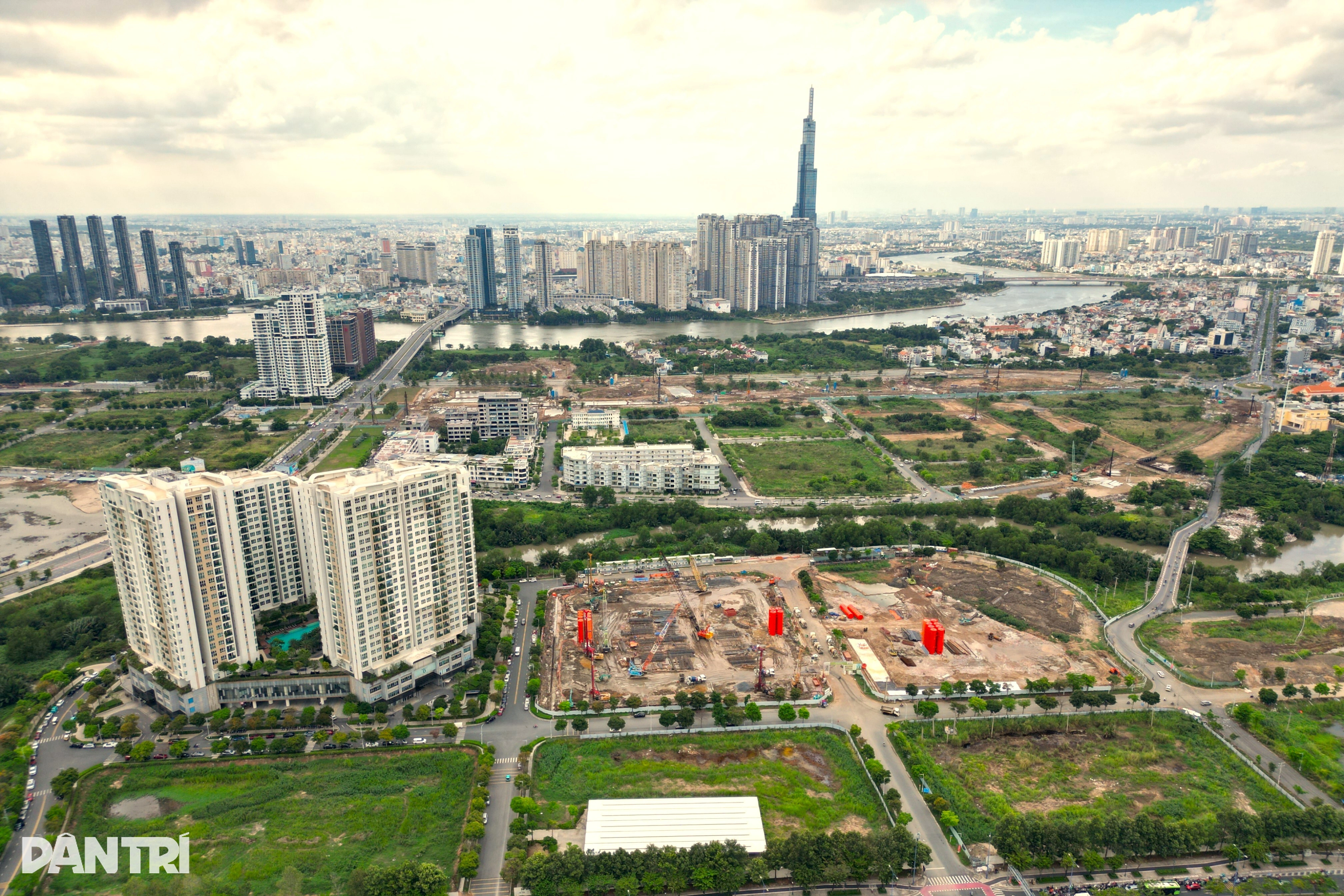
The Thu Thiem area, envisioned as the new financial, economic, and cultural center of Ho Chi Minh City (Photo: Q. Huy).
In an interview with Dan Tri newspaper, Associate Professor Dr. Tran Hoang Ngan, Chairman of the Advisory Council for Breakthrough Development of Saigon University and Member of the 16th National Assembly, stated that since the Politburo issued Resolution 31 on the direction and tasks for the development of Ho Chi Minh City until 2030, with a vision to 2045, the National Assembly has promptly institutionalized it into specific mechanisms and policies for the city's development through Resolution 98 and most recently Resolution 260.
With a more relaxed legal framework, the locality has resolved many outstanding issues and projects, accelerating the progress of investment in major projects.
"However, Ho Chi Minh City has reached a limit, a 'ceiling' of development under the old model. In the past, the locality has developed extensively, and now it is time to develop intensively, integrating science and technology and innovation into every sector," Associate Professor Tran Hoang Ngan observed.
The train's pace has slowed down.
The Central Government and the National Assembly have granted Ho Chi Minh City many specific mechanisms and policies suitable for each stage of development. In your opinion, is the existing framework of mechanisms for Ho Chi Minh City broad enough for the next stage of development?
- From the beginning of the Doi Moi (Renovation) period, Ho Chi Minh City experienced an impressive period of development with double-digit growth rates lasting for about 25 years. At that time, the city was a symbol of dynamism and creativity, a pioneer in opening up the economy, attracting investment, developing the private sector, and experimenting with many new models for the whole country.
Since 2012, the global financial crisis, the Covid-19 pandemic, and many other issues have severely impacted the development of Ho Chi Minh City. From then until now, the city has continued to uphold its tradition of dynamism and innovation to maintain its leading role and make significant contributions to the entire country.
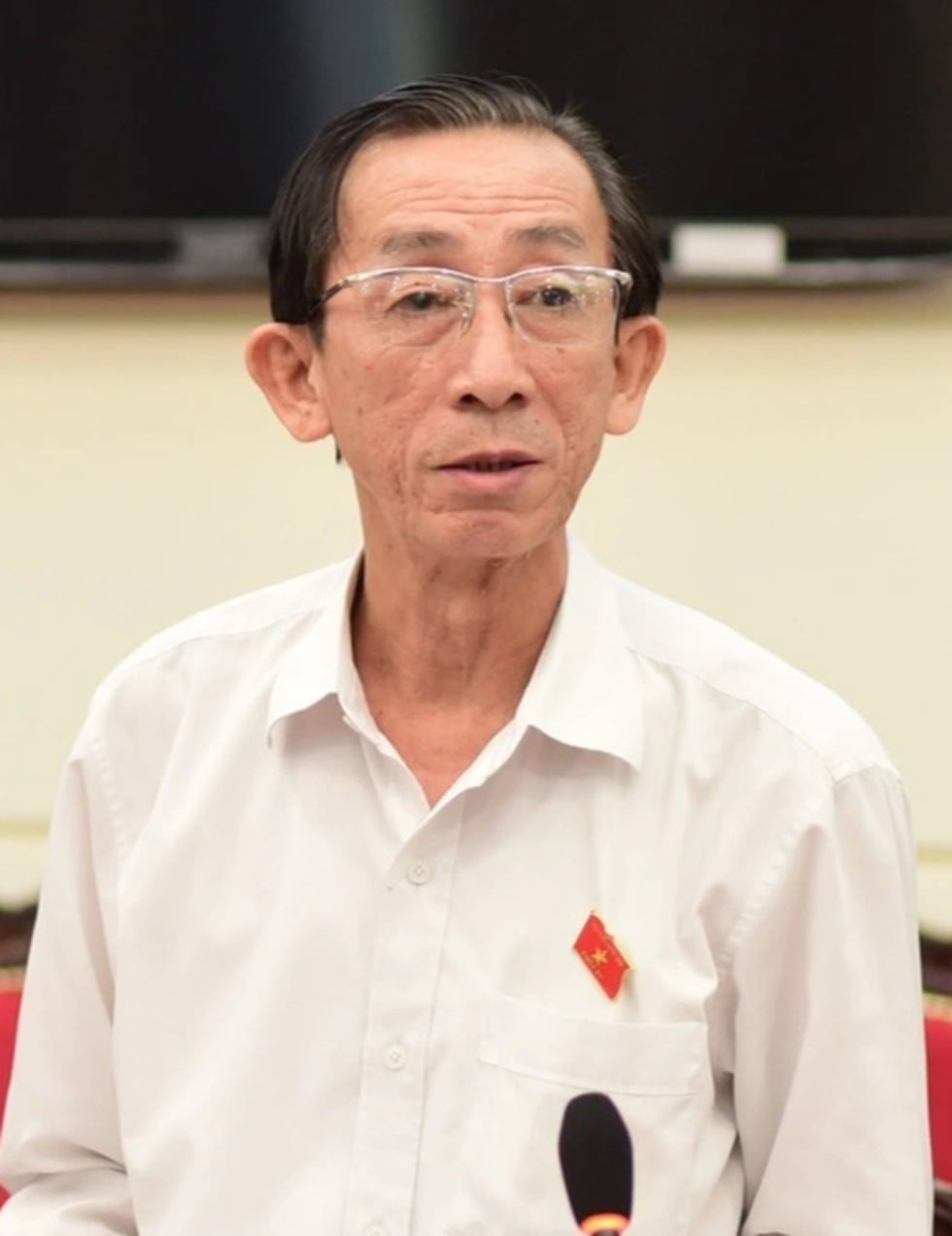
Ho Chi Minh City has reached the limit, the "ceiling," of its old development model. In the past, the locality developed extensively, and now it is time to develop intensively.
Assoc. Prof. Dr. Tran Hoang Ngan
Over the past period, the Central Government has paid special attention to the development of Ho Chi Minh City. Since the Politburo's Resolution 31 in 2022, the city has promptly submitted to the National Assembly for approval new special mechanisms and policies such as Resolution 98 and most recently Resolution 260.
The specific mechanisms and policies that have been issued have provided a basis for localities to overcome many inherent difficulties, obstacles, and bottlenecks. In particular, investment projects in the area have been accelerated due to shorter preparation periods.
The result of expanding the institutional framework for Ho Chi Minh City is the operation of Metro Line 1 after many years of congestion. The locality has also simultaneously implemented Metro Lines 2 and 3, the Ring Road 3 and Ring Road 4 projects, and a series of inter-regional connecting expressways.
However, after a long period of rapid growth, Ho Chi Minh City, the leading economic and social hub, has shown signs of slowing down due to overloaded socio-economic infrastructure and a lack of investment resources. This overload has gradually become a bottleneck, preventing the locality from mobilizing social resources, lacking space for development, and as a result, making it difficult to maintain the previous acceleration.

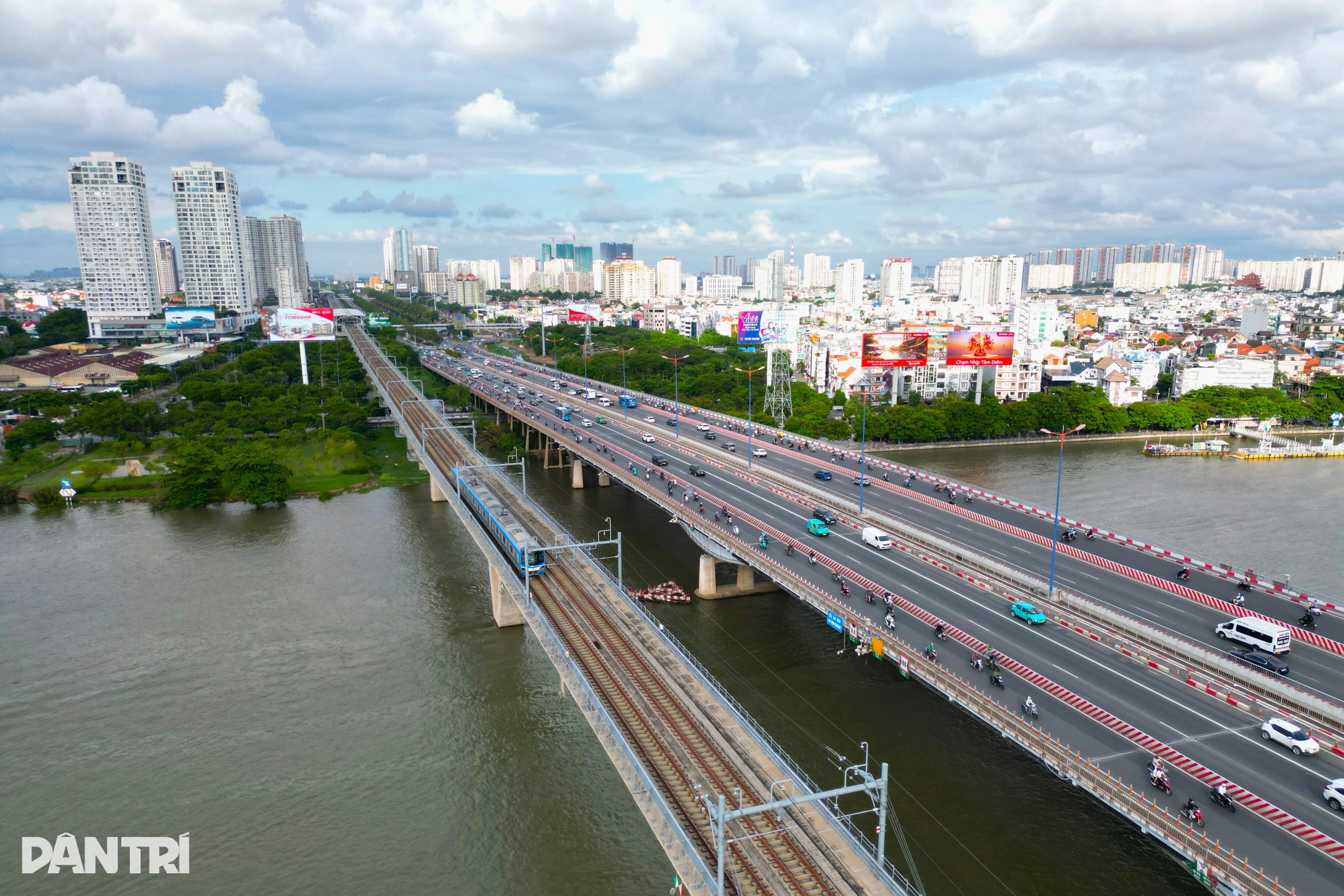
The commissioning of Metro Line 1 is one of the achievements of expanding the institutional framework for Ho Chi Minh City (Photo: Q. Huy).
Since July 2025, the city has transformed with the merger of Binh Duong, Ba Ria - Vung Tau, and the former Ho Chi Minh City. With a megacity spanning 6,773 square kilometers and a population of over 14 million, the new Ho Chi Minh City urgently needs a compatible institutional framework, distinct from previous resolutions, that is stable and long-term in order to fully realize its potential and advantages.
According to him, how should the new institutional framework for Ho Chi Minh City be expanded, and in which areas should it focus, so that the locality has more autonomy, self-determination, self-responsibility, and can maximize its potential and advantages in the new phase?
- Resolutions on specific mechanisms and policies are usually medium-term with a 5-year validity period, while laws are stable with long-term validity. With a development vision and ambitious goals, the development of the Law on Special Urban Areas is of particular importance to Ho Chi Minh City in the current period, continuing to contribute to and support the entire country.
The new institutional framework must address the key issue of mobilizing resources, social investment capital, capital from the people, capital from businesses, and capital from foreign investors. These are prerequisites for the city to fulfill its political mission as a leading engine, spreading development to the region and standing shoulder to shoulder with major cities around the world.
When delving into the details of drafting new laws, we need to clearly identify the potential, advantages, and bottlenecks that need to be addressed.
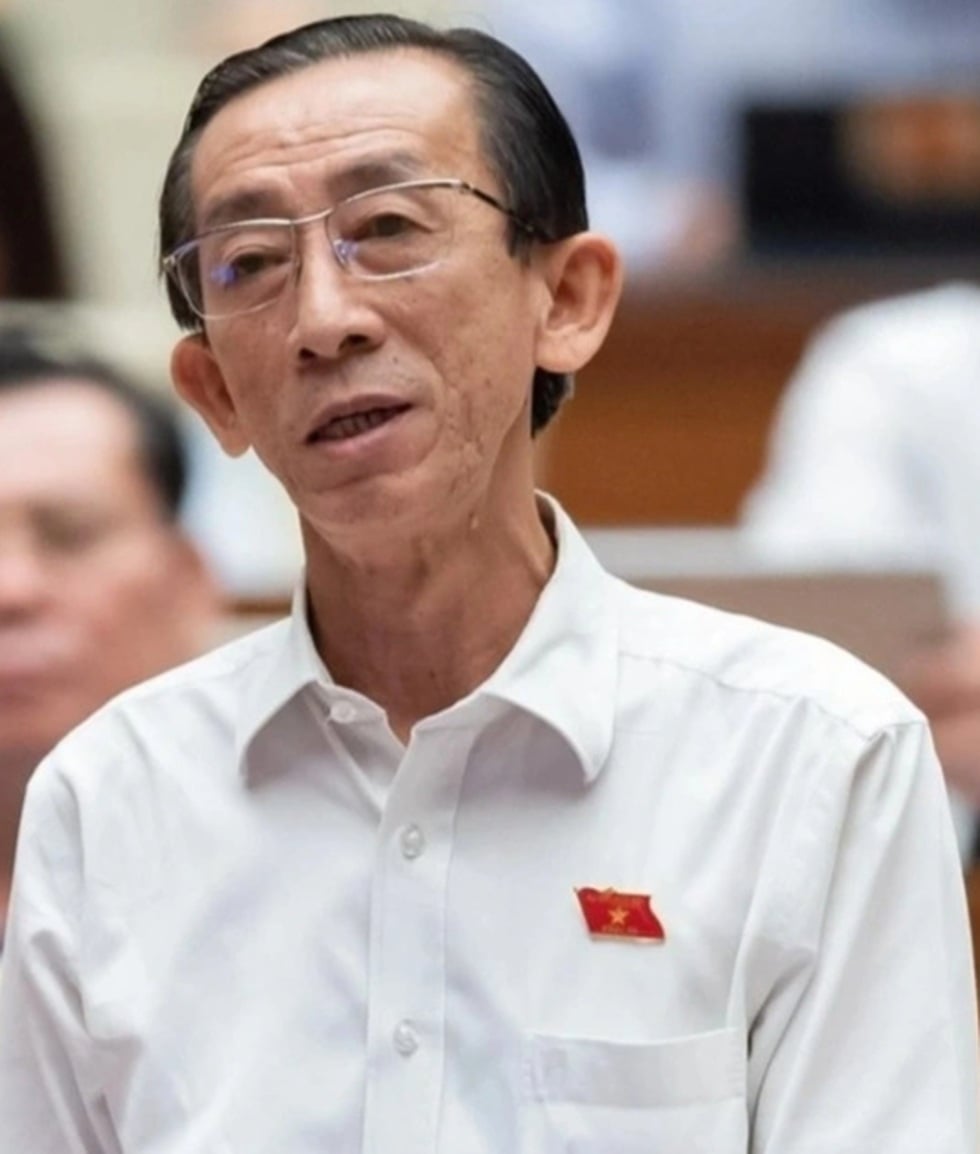
With its vision for development and ambitious goals, the enactment of the Law on Special Urban Areas is of particular importance to Ho Chi Minh City in the current period, as it continues to contribute to and support the entire nation.
Assoc. Prof. Dr. Tran Hoang Ngan
Ho Chi Minh City now has a long and beautiful coastline in the Ba Ria - Vung Tau area. This is also the country's center for logistics, warehousing, seaports, seafood, and energy, and will soon have an additional free trade zone.
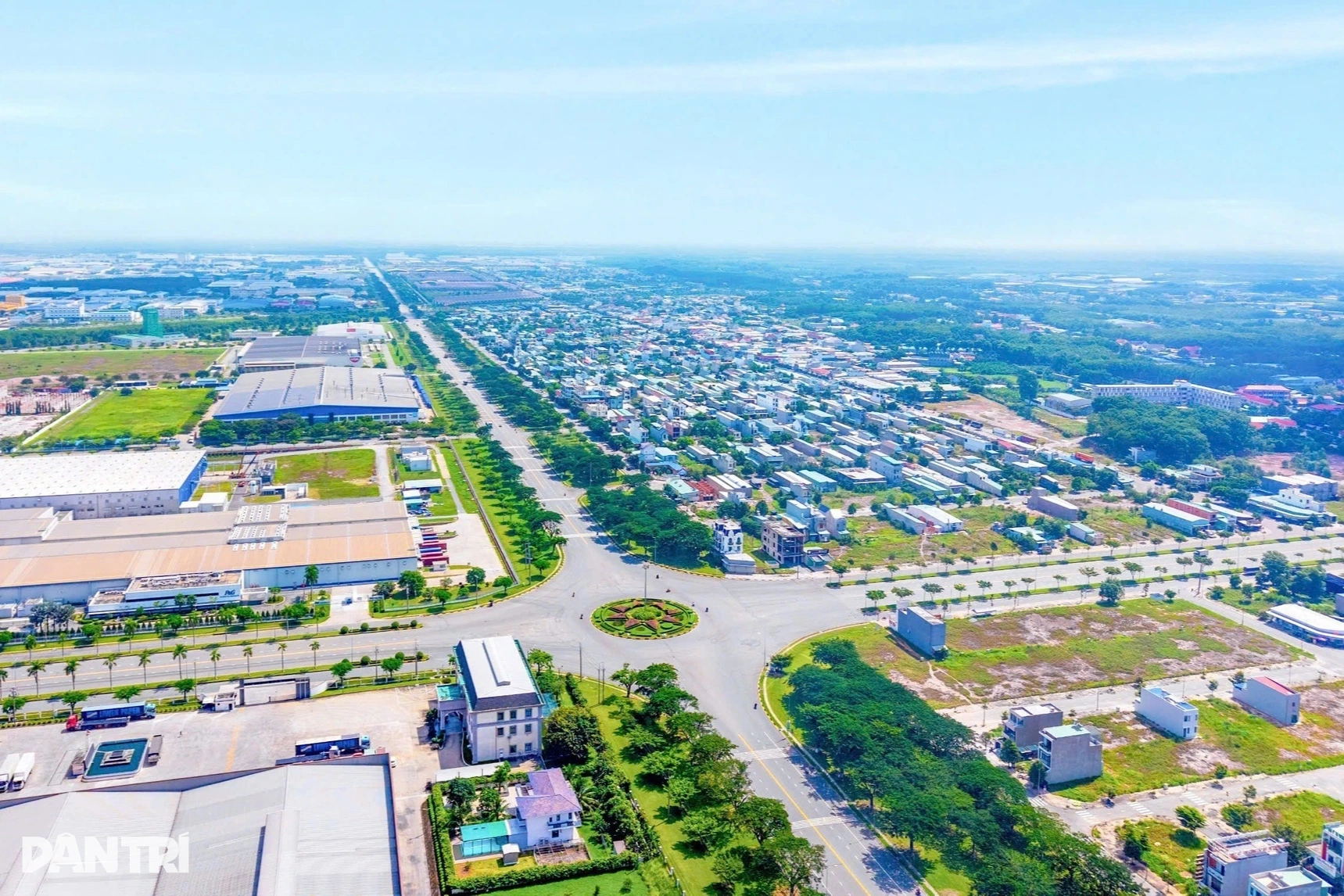
The next potential lies in the former Binh Duong area, with its cluster of industrial parks and export processing zones. The Law on Special Urban Development needs to promote and transform this area into new technology zones, green industrial parks, and promote green and circular economic development.
The third strength lies in the existing core of Ho Chi Minh City, which already has a commercial, service, tourism, accommodation, and dining center combined with cultural industries and a complete infrastructure. Furthermore, the center of Ho Chi Minh City is also home to the Stock Exchange and many of the country's major banks have their headquarters there.
The Law on Special Urban Areas needs mechanisms, policies, and institutional breakthroughs to develop its potential and advantages. Specifically, the law should include mechanisms to enable science, technology, and innovation to revitalize existing potential, and it should thoroughly and effectively decentralize power and authority to allow localities to proactively make decisions, take action, and be accountable.

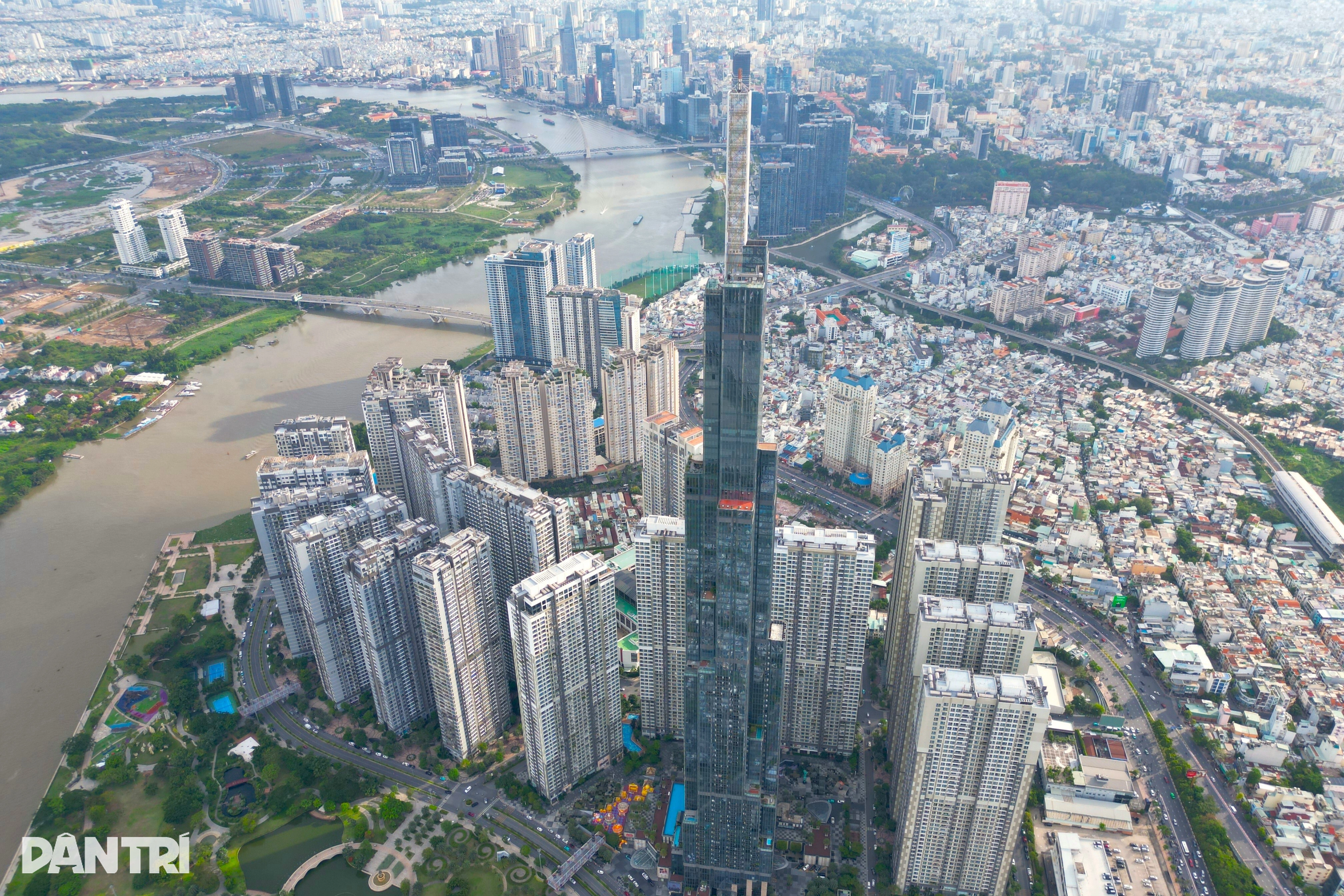

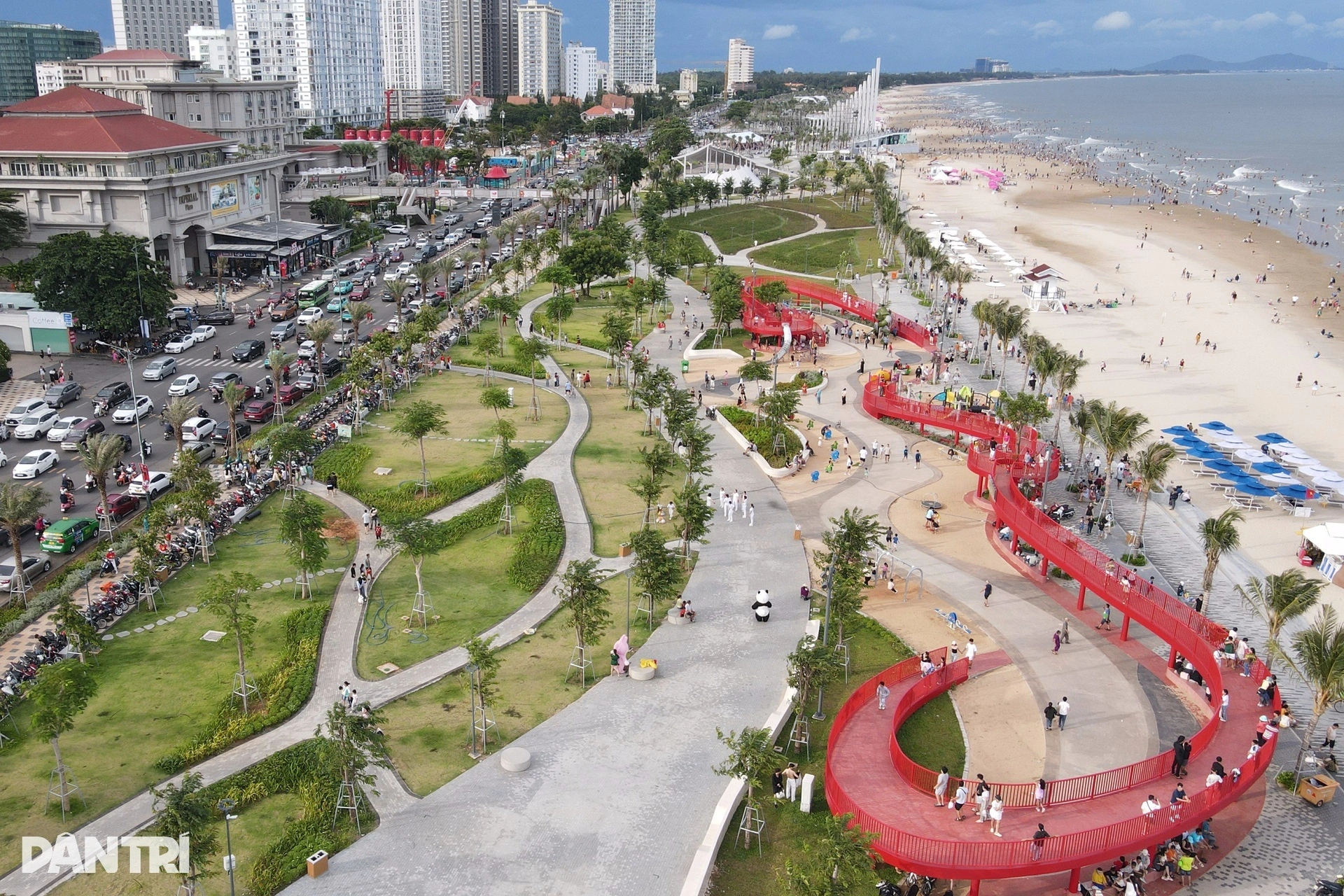
Regarding bottlenecks, solving the infrastructure problem requires massive investment capital. Given that the budget only covers about 15-17% of total social investment, the new law needs mechanisms and policies to mobilize resources through attracting private and foreign investors, public-private partnership models, and incentives for strategic investors.
A well-developed infrastructure system will help Ho Chi Minh City fully exploit its inherent potential and advantages, attracting new development resources. This will allow Ho Chi Minh City to revive its development and continue its journey at a faster pace.
The final crucial issue is organizational structure and human resources. To operate effectively on this new scale, the city needs stronger decentralization, moving towards comprehensive decentralization so that the Ho Chi Minh City People's Council, the Ho Chi Minh City People's Committee, and the Chairman of the Ho Chi Minh City People's Committee can proactively manage the organizational structure.
Ho Chi Minh City needs the autonomy to establish additional agencies, departments, and sectors that are necessary and appropriate to its population size, economic scale, and actual development requirements. A megacity with over 14 million people certainly cannot fully apply the same governance mechanisms as other localities.
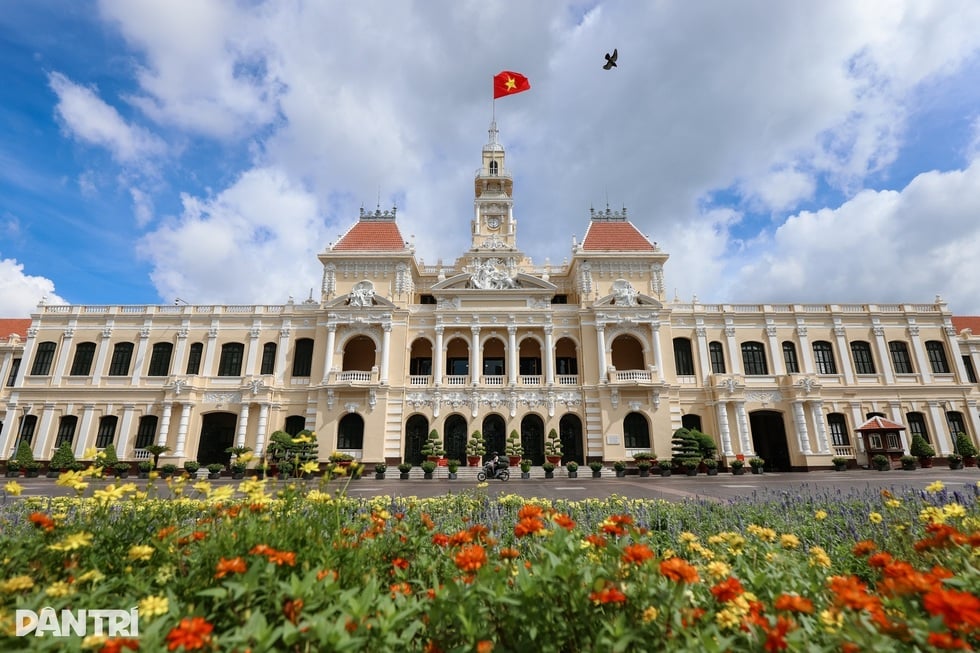
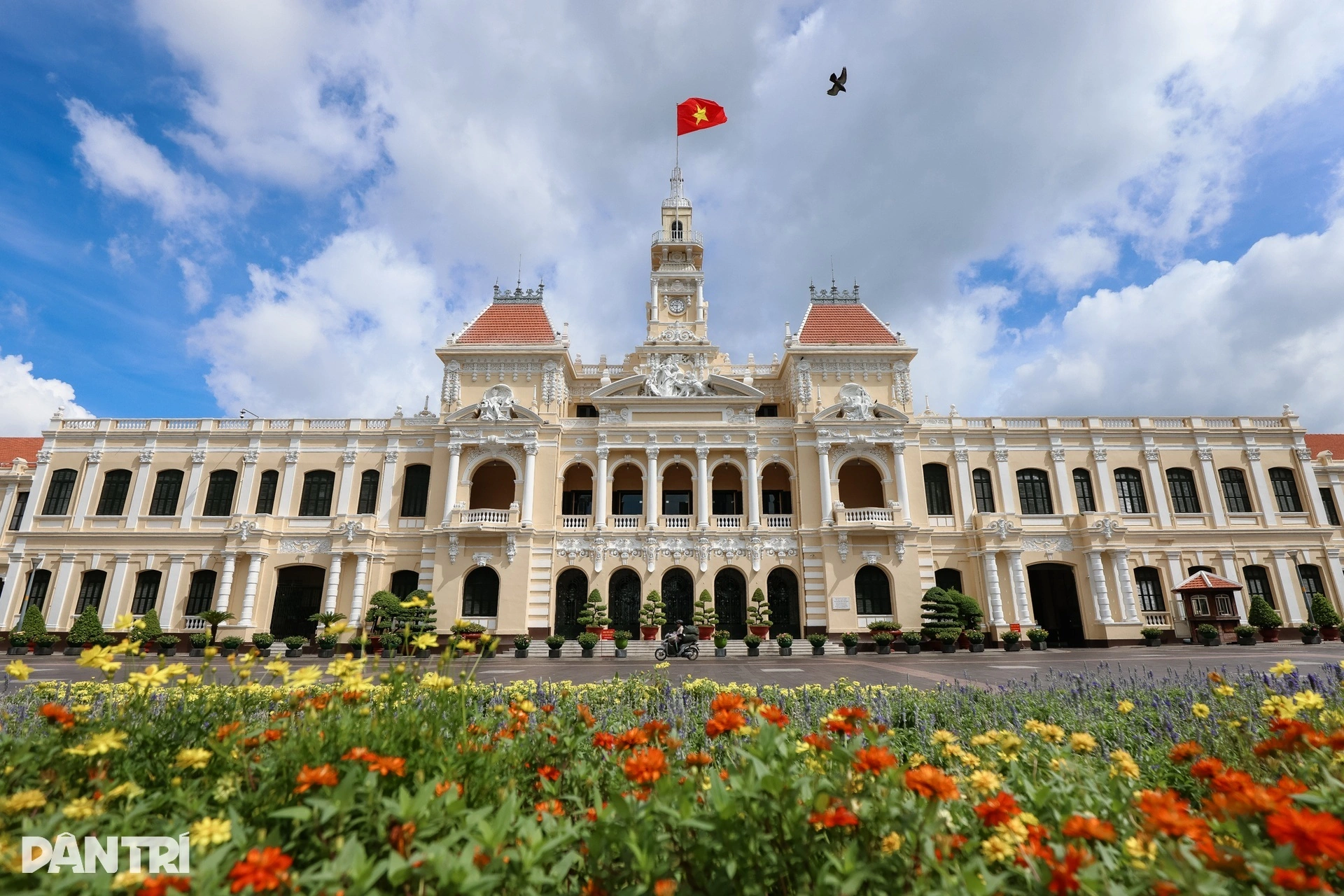
Ho Chi Minh City needs increased autonomy in organizational structure, personnel recruitment, mechanisms for attracting talent, and selecting leaders suitable for development requirements (Photo: Nam Anh).
The city also needs to be given more autonomy in allocating staff to each unit. Some wards with large populations, high volumes of public services, and vibrant economic activity require increased personnel. Conversely, areas with lower needs can reduce staffing levels to facilitate appropriate redistribution.
If additional tasks are assigned to local authorities but they lack personnel and equipment, it will be very difficult for them to operate effectively. Only local authorities truly understand these issues.
Therefore, Ho Chi Minh City needs increased autonomy in organizational structure, personnel recruitment, mechanisms for attracting talent, and the selection of leaders suitable for the development requirements of a new megacity. Of course, decentralization must be accompanied by responsibility, mechanisms for controlling power, post-audit, performance evaluation, and personnel assessment.
A new development model for megacities.
During a working session with Ho Chi Minh City on April 27th, General Secretary and President To Lam remarked: "Over the past 50 years, especially after 40 years of reform, the city has made significant strides in development. However, when facing the truth, the old drivers of development are clearly declining, risking falling behind, and a new development model needs to be sought." According to him, how should Ho Chi Minh City's new development model change?
- I believe that the shift in the growth model is a global trend. With the explosion of the Fourth Industrial Revolution, the development of science and technology, data, and artificial intelligence is forcing the whole world to change in a different direction.
The Politburo issued Resolution 57, which provided very clear guidance on the development of science and technology, innovation, and national digital transformation. Immediately afterwards, the National Assembly quickly institutionalized the spirit of the resolution by amending many related laws, ensuring that these contents were not merely principles but truly permeated every aspect of socio-economic life.

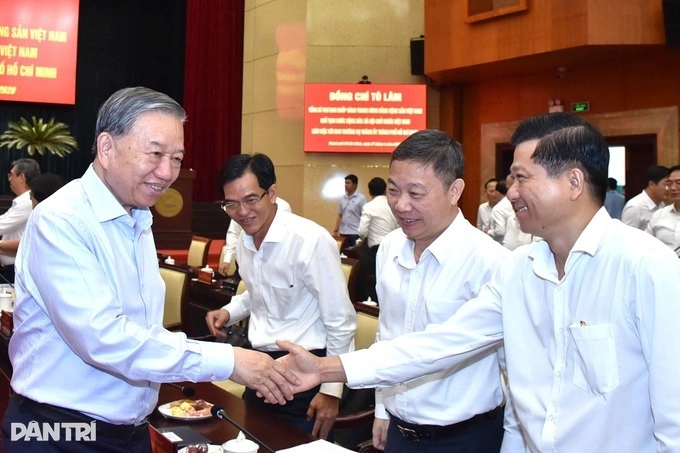
General Secretary and President To Lam's working session with Ho Chi Minh City on April 27 (Photo: Q. Huy).
In this context, Ho Chi Minh City must be a pioneer, a leading model in the process of reforming this growth model. This is not a story that can produce immediate results.
The remaining challenge is for Ho Chi Minh City to quickly address the bottlenecks that have existed for many years in order to revitalize old growth drivers, while simultaneously opening up new development drivers based on science and technology, innovation, and digital transformation.
In recent years, the city has made strides to shift its growth model from extensive to intensive. Specifically, Ho Chi Minh City has restructured its industrial parks and export processing zones, moving away from attracting foreign investment at all costs and instead focusing on selective attraction, prioritizing quality, efficiency, and high added value.
Industrial parks and export processing zones are oriented towards development based on high-tech models, prioritizing industries with high labor productivity, environmental friendliness, and links to the digital economy, green economy, circular economy, and sustainable development.
Ho Chi Minh City must be a pioneer and a leading model in the process of reforming its growth model.
Assoc. Prof. Dr. Tran Hoang Ngan
In the healthcare sector, Ho Chi Minh City is moving towards a high-quality healthcare model, applying artificial intelligence (AI) and high technology to medical examination, treatment, and public health management. Other sectors such as tourism, trade, services, education, science and technology, manufacturing, and finance are also following this direction.
When science and technology, innovation, and digital transformation are deeply integrated into every sector, labor productivity will increase, and the efficiency of capital utilization in Ho Chi Minh City will also improve significantly.
With the Special Urban Law, strategic infrastructure projects, the International Financial Center, and other new driving forces taking effect, how do you assess the target of 1 trillion VND in budget revenue, double-digit growth, and the changes that Ho Chi Minh City will undergo in the coming period?
- Regarding budget revenue, we have seen that over the years, the scale of revenue collection nationwide has consistently maintained an increase of approximately 10-15% annually. In Ho Chi Minh City specifically, the rate of increase in budget revenue is usually at 15-20%.
This year, Ho Chi Minh City's budget revenue is projected at approximately 800,000 billion VND. If the city strives to increase revenue by about 20% above the projected amount, the figure could reach nearly 960,000 billion VND. And with even stronger efforts, in my opinion, the target of achieving 1 trillion VND in budget revenue is entirely feasible.

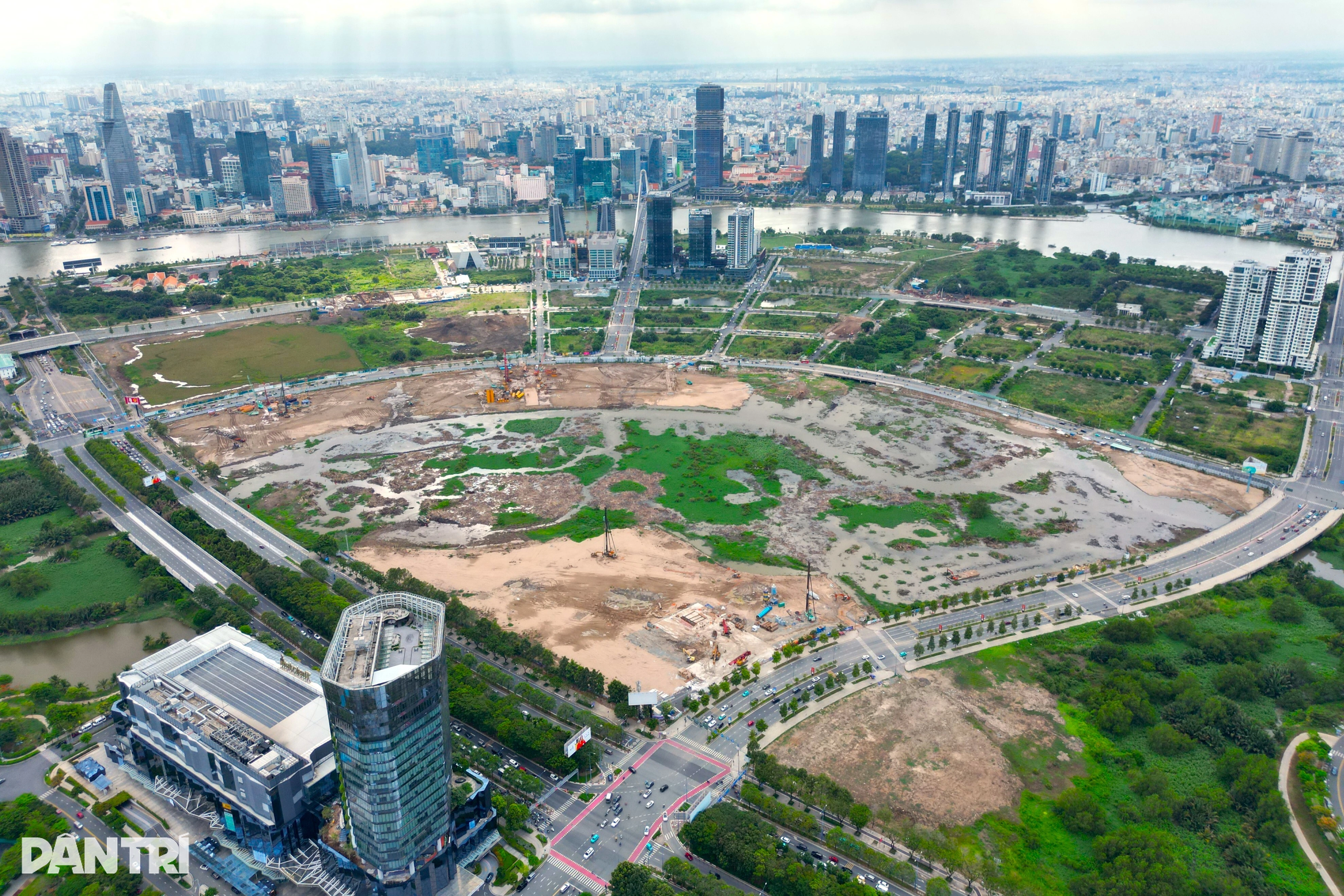
Construction site of Ho Chi Minh City's new Political and Administrative Center project (Photo: Q. Huy).
Ho Chi Minh City's economic scale continues to grow steadily year after year, so budget revenue will increase proportionally. However, what is more important is not just the scale of budget revenue, but the efficiency of using that capital.
Ho Chi Minh City's ICOR (Incremental Capital-Output Ratio) under normal conditions, such as the period of 2024-2025, is quite positive. In 2024, this index was approximately 4.1, and in 2025, it is expected to be around 3.2. This means that Ho Chi Minh City only needs about 3-4 dong of investment capital to generate 1 dong of growth, while the national average is around 6-6.5 dong.
In my opinion, Ho Chi Minh City still has room to further improve its ICOR index, thereby creating more momentum for accelerated development. Achieving double-digit growth is not an unrealistic goal, but entirely feasible, and could even be higher if bottlenecks are effectively addressed.
I think that, in just the next 5 years, Ho Chi Minh City will begin to clearly see its new face and major changes. The most noticeable change will be the significant improvement in urban infrastructure.
Currently, many of the city's infrastructure bottlenecks are being gradually addressed, from the Ring Road 3 and Ring Road 4, the urban railway system, expressways to inter-regional connecting national highways. With investment resources unlocked and projects implemented synchronously, the face of Ho Chi Minh City will undoubtedly change significantly.
In just the next five years, Ho Chi Minh City will begin to clearly see its new appearance and significant changes. The most noticeable change will be the dramatic improvement in urban infrastructure.
Assoc. Prof. Dr. Tran Hoang Ngan
Ho Chi Minh City aims to be on par with major cities in Southeast Asia by 2030; to become a leading city in Asia by 2045; and further, by 2075, to become a major city worldwide. However, given what is happening now, if the projects are implemented on schedule and meet expectations, the city can certainly accelerate its development even faster and more strongly.
I believe Ho Chi Minh City will continue to develop strongly in the new phase. This year also marks a special milestone as the city celebrates the 50th anniversary of being named after President Ho Chi Minh and the 115th anniversary of President Ho Chi Minh's departure to seek a path to national salvation. This further strengthens the belief and motivation for Ho Chi Minh City to enter a new era as a pioneer and leader – a smart city with a modern industrial base, a developed digital economy, and high international competitiveness.
Ultimately, the most important thing is to improve the quality of life for its citizens. The city must address the daily concerns of its people, such as traffic congestion, flooding, and environmental pollution. That is the ultimate goal and also the issues that Ho Chi Minh City needs to focus on resolving in the coming period.
Thank you, sir!

Source: https://dantri.com.vn/thoi-su/vuc-day-da-tang-toc-cho-dau-tau-tphcm-20260520221627746.htm



























































































Comment (0)