

Billions of dong in damages.
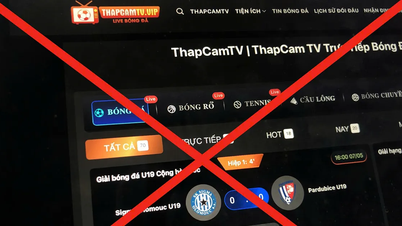
According to Mr. Nguyen Ngoc Bao, Deputy Director of the Department of Publishing, Printing and Distribution, many forms of copyright infringement in the digital environment are now very complex: from illegally sharing digital books (ebooks) and audiobooks on social media to exploiting cross-border platforms, and even e-commerce platforms... to distribute infringing products.
According to statistics from the Department of Publishing, Printing and Distribution, copyright infringement in the digital environment causes approximately 7 trillion VND in losses annually to the digital content industry. Publishing is one of the sectors most severely affected, with revenue for many publishers and distributors decreasing by around 20-30%.
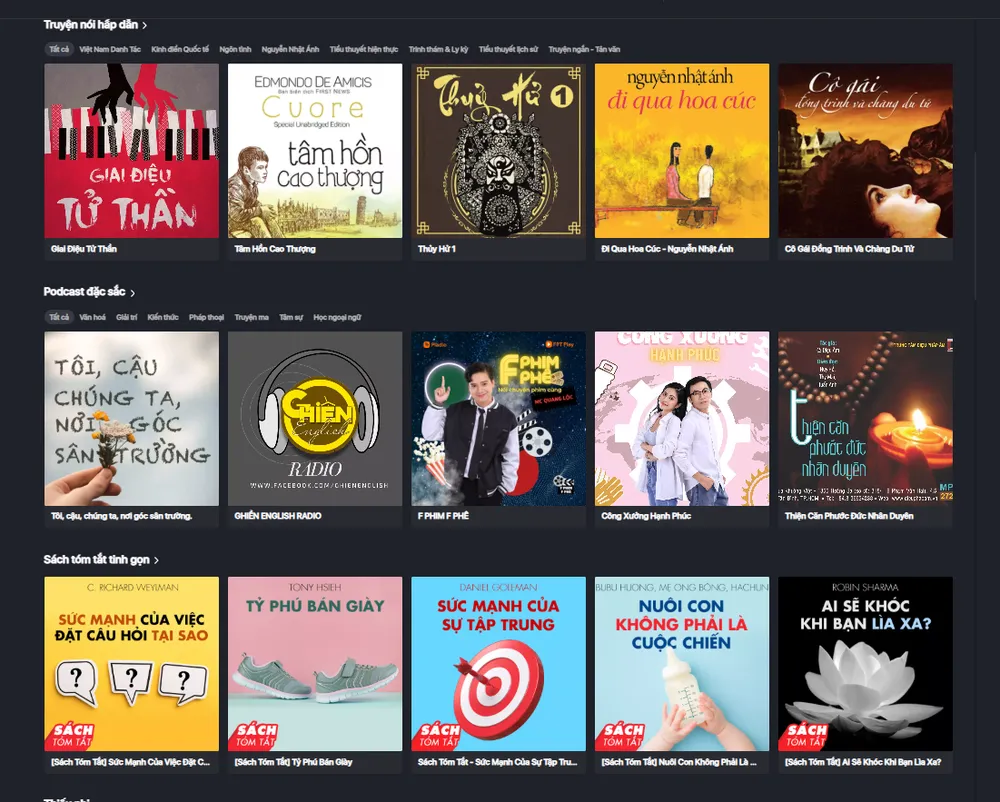
Revenue losses only reflect part of the problem. What worries many publishers is the speed at which infringing content spreads in the digital environment. According to a representative from the Science, Technology and Communications Publishing House, copyright infringement in the digital environment occurs very quickly, simultaneously on multiple platforms, and is highly anonymous.
After being detected, perpetrators can delete data, change accounts, or use identity concealment tools. Content that has just been removed from one platform can quickly reappear under a different account or domain. This makes verification, evidence gathering, and legal action difficult. Therefore, the "removed today, reposted tomorrow" situation is hindering the development of the domestic digital publishing industry.
Strengthening technological and legal "shields"
Faced with pressure from book piracy in the digital environment, many businesses have proactively invested in technical solutions to protect their content, such as preventing copying, preventing screenshots, adding watermarks (faint text or images printed on the document background), encrypting content, limiting device access, or applying technologies such as DRM, AI, or Big Data to detect violations...
The gap between detecting violations and completing legal documentation remains a major bottleneck in the process of handling copyright infringement in the digital environment. Representatives from the Ministry of Public Security stated that authorities regularly inspect, verify, and coordinate the handling of infringing websites based on lists provided by businesses. However, the obstacle is that many entities have not yet provided complete evidence and relevant data, leading to a lack of legal basis for implementing thorough enforcement measures.
Mr. Do Quang Dung, Vice Chairman of the Vietnam Publishers Association, shared that many publishers have proposed considering similar penalties for the production and consumption of pirated books as the production and consumption of counterfeit goods, in order to increase deterrence against violators. In recent days, numerous pirated book websites have hastily ceased operations due to fear of being penalized following the Prime Minister 's Directive 38/CD-TTg, demonstrating that if strict and thorough action is taken, pirated books, both digitally and in print, will have no place to thrive.
However, combating digital book piracy still has issues that need clarification. According to Mr. Nguyen Nguyen, Director of the Department of Publishing, Printing and Distribution, for printed books, counterfeiting more than 2,000 copies can result in criminal prosecution, but how will this number be calculated for digital products? Whether it's based on the number of views of the infringing content or another quantitative method, there is still no specific answer.
The fight against book piracy in the digital environment, despite many positive developments following strong intervention by authorities, still faces numerous challenges, ranging from perfecting the legal framework and raising public awareness to building a sufficiently robust coordination mechanism to protect the digital publishing ecosystem.
Voiz FM, a provider of audiobooks, maintains a dedicated team to search for infringing content on social media platforms. To date, Voiz FM has requested the removal of over 30,000 infringing pieces of content, but has been unable to completely stop them because many websites distributing illegal content host their servers abroad and constantly change their domain names.
Source: https://www.sggp.org.vn/xuat-ban-so-cham-lon-vi-sach-lau-post853840.html






































































































Comment (0)