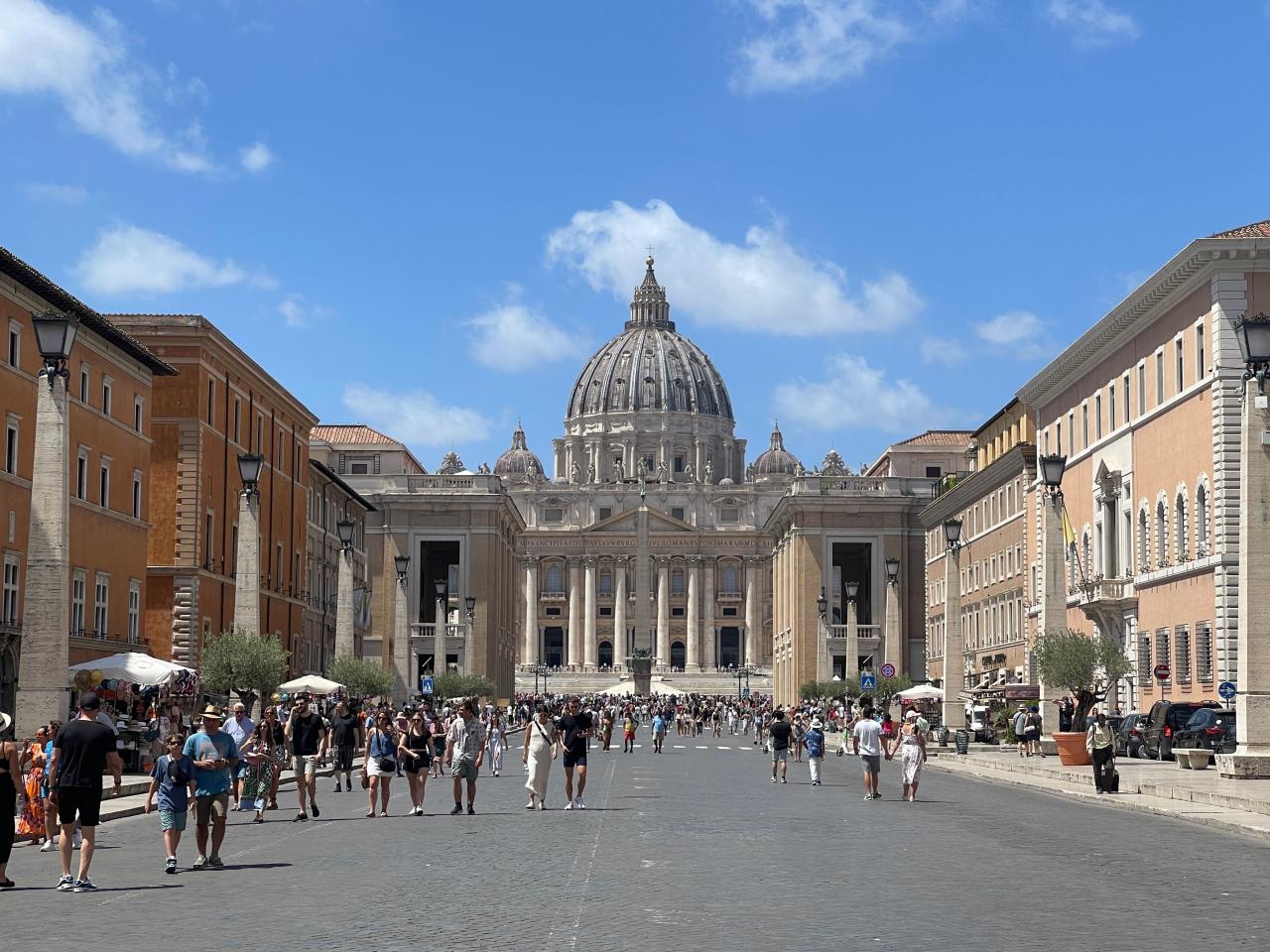
The road and square in front of St. Peter's Church
I first visited Rome nine years ago and was incredibly impressed with this museum city, where every house, square, street corner, and church is hundreds or even thousands of years old. This year we returned to Rome and had more time to explore this city, which boasts the most UNESCO World Heritage sites. Even with only 48 hours, you can still visit all the main tourist attractions in Rome following the itinerary I suggest below.
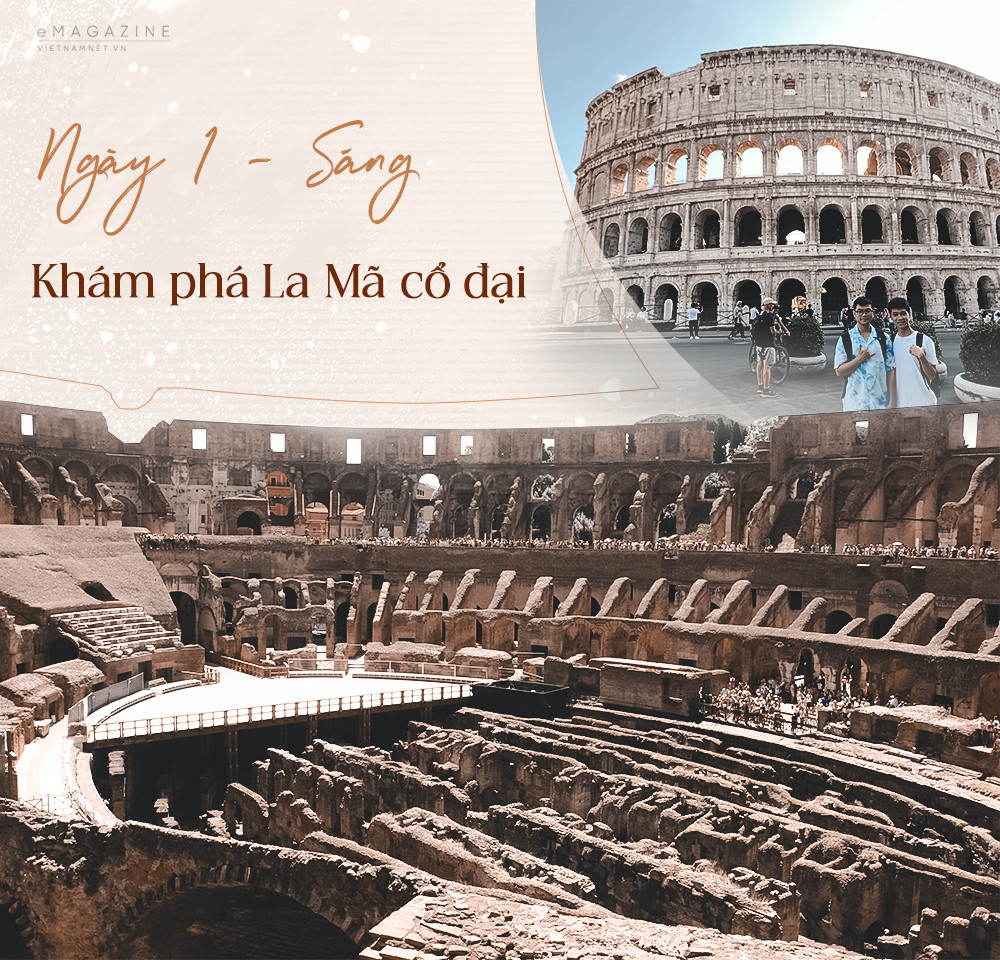

The Colosseum, a World Heritage site, is the top choice when visiting Rome. Built in the 70s AD, for 400 years it was a bloody arena where gladiators fought against gladiators, gladiators against wild beasts, and wild beasts against wild beasts. After the fall of the Roman Empire, it served as a venue for public performances, shops, and executions.
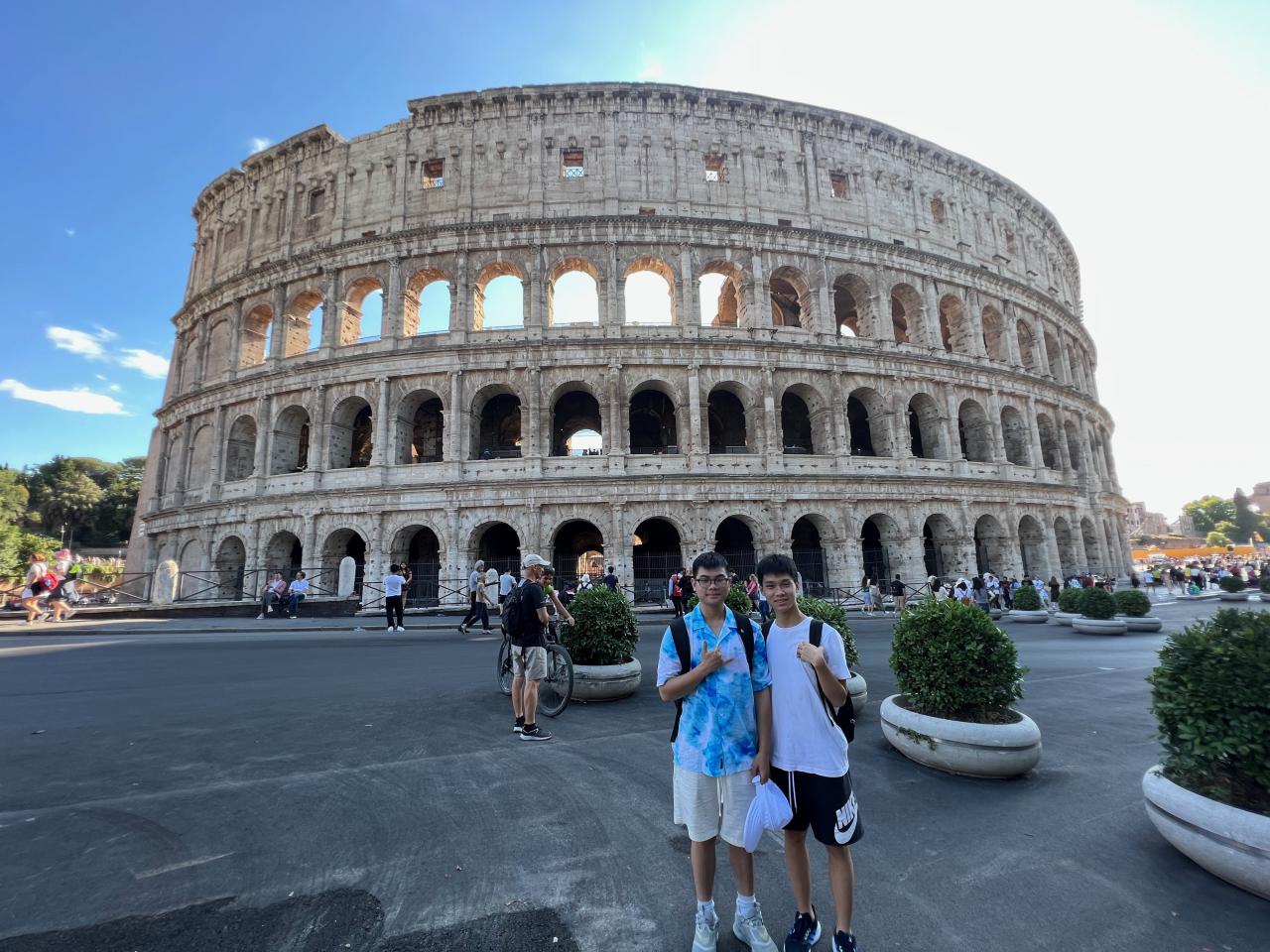
The Colosseum, measuring 158m wide, 188m long, and 57m high, consisted of three levels and was designed in an oval shape with arched vaults, intersecting curves, and fan-shaped horizontal walls. It had a capacity of approximately 50,000 people. It was so well-designed that it only took 15 minutes to enter and 5 minutes to exit for tens of thousands of spectators. The entrance system, with its numerous staircases, corridors, and 80 doorways, was 2,000 years old and is identical to modern sports stadiums today.
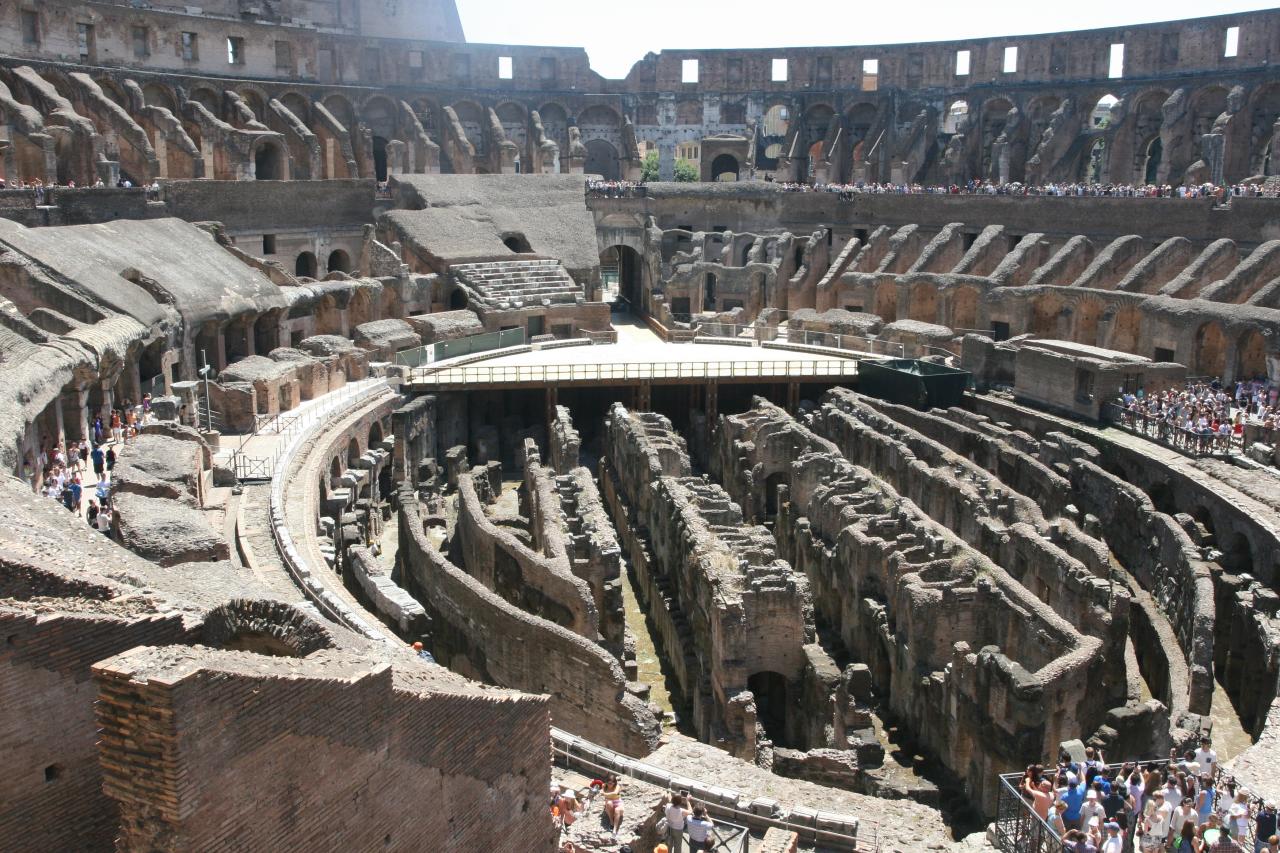
After nearly 2,000 years, enduring numerous natural and human-induced events and impacts, this masterpiece of human art now retains only about one-third of its original structure. The Colosseum receives approximately 20,000 visitors daily. If you wish to visit, you should purchase tickets online in advance or arrive early, as the number of visitors allowed each day is limited.

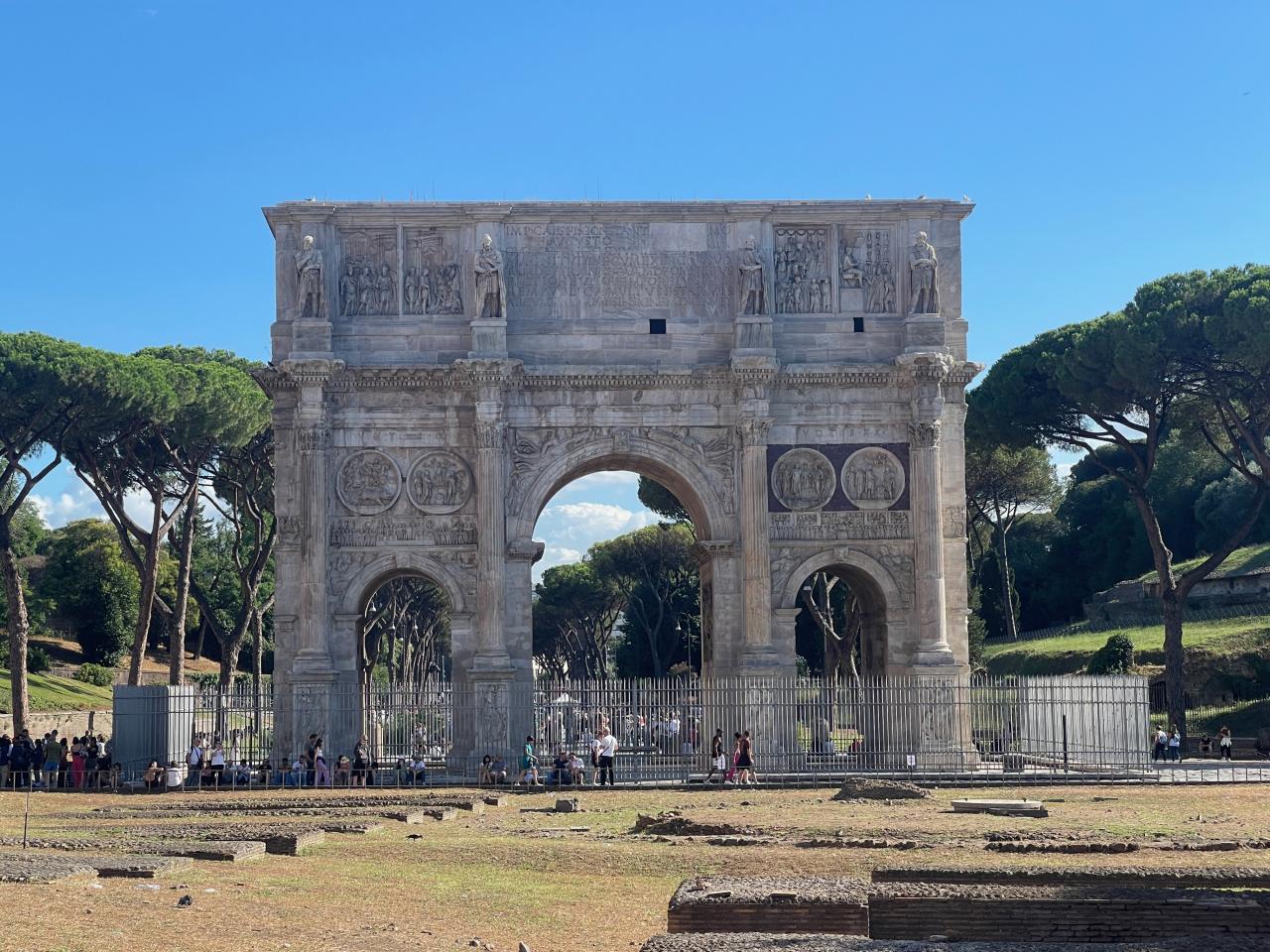
Just outside the Colosseum, you can see the Arch of Constantine. The largest Roman triumphal arch still preserved almost intact today, it honors Emperor Constantine after his victory at the Battle of Milvian Bridge in 312.
 |  |  |
You may also like
Airfares drop during peak summer season, travelers gear up to go.Airfares on some domestic routes have dropped by 10-30% compared to the beginning of the season, helping many families resume their postponed travel plans.

Many Vietnamese tourists are returning to domestic travel due to concerns about visa procedures.Approximately 50% of Vietnamese tourists plan to travel domestically instead of internationally, a significant increase from 26% the previous year, due to concerns about visa procedures.
Vietnam is one of six countries whose visa-free group tours have been extended by South Korea.(GLO) - Vietnam is one of six countries whose visa-free group visas will be extended by South Korea, according to a plan recently announced by the South Korean Finance Minister.
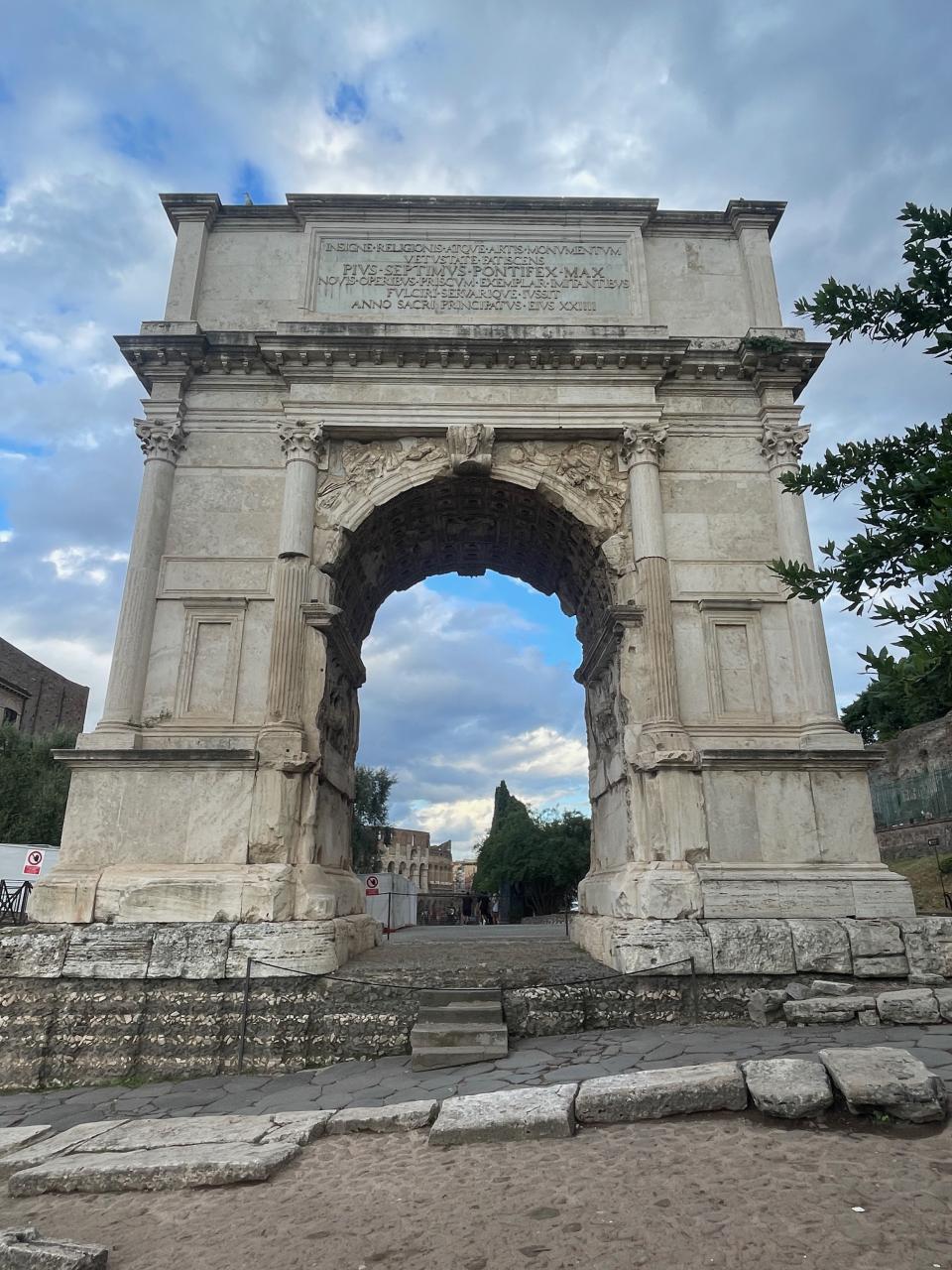
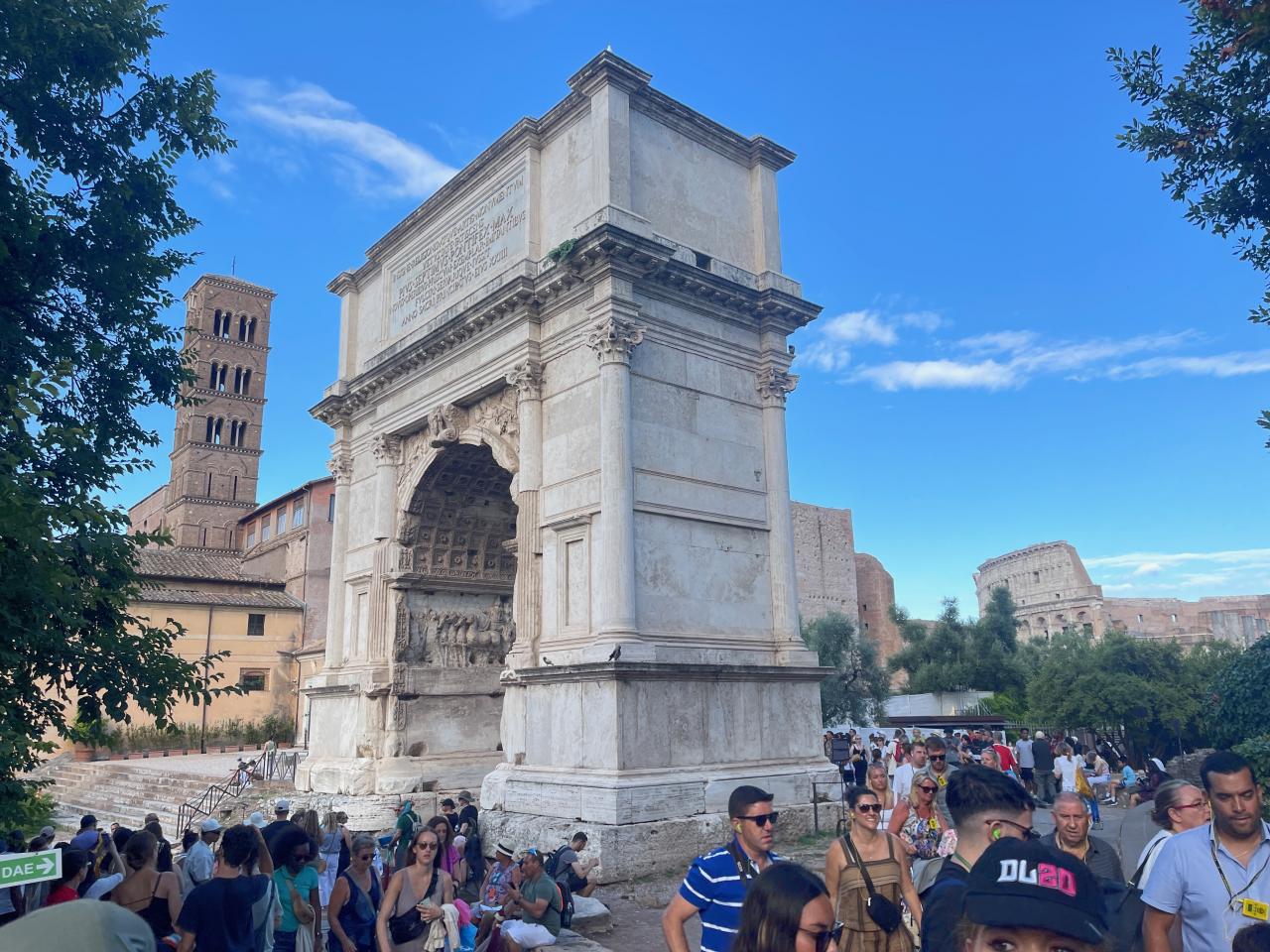
Titus Arch in the Roman Forum, with the Colosseum in the background.
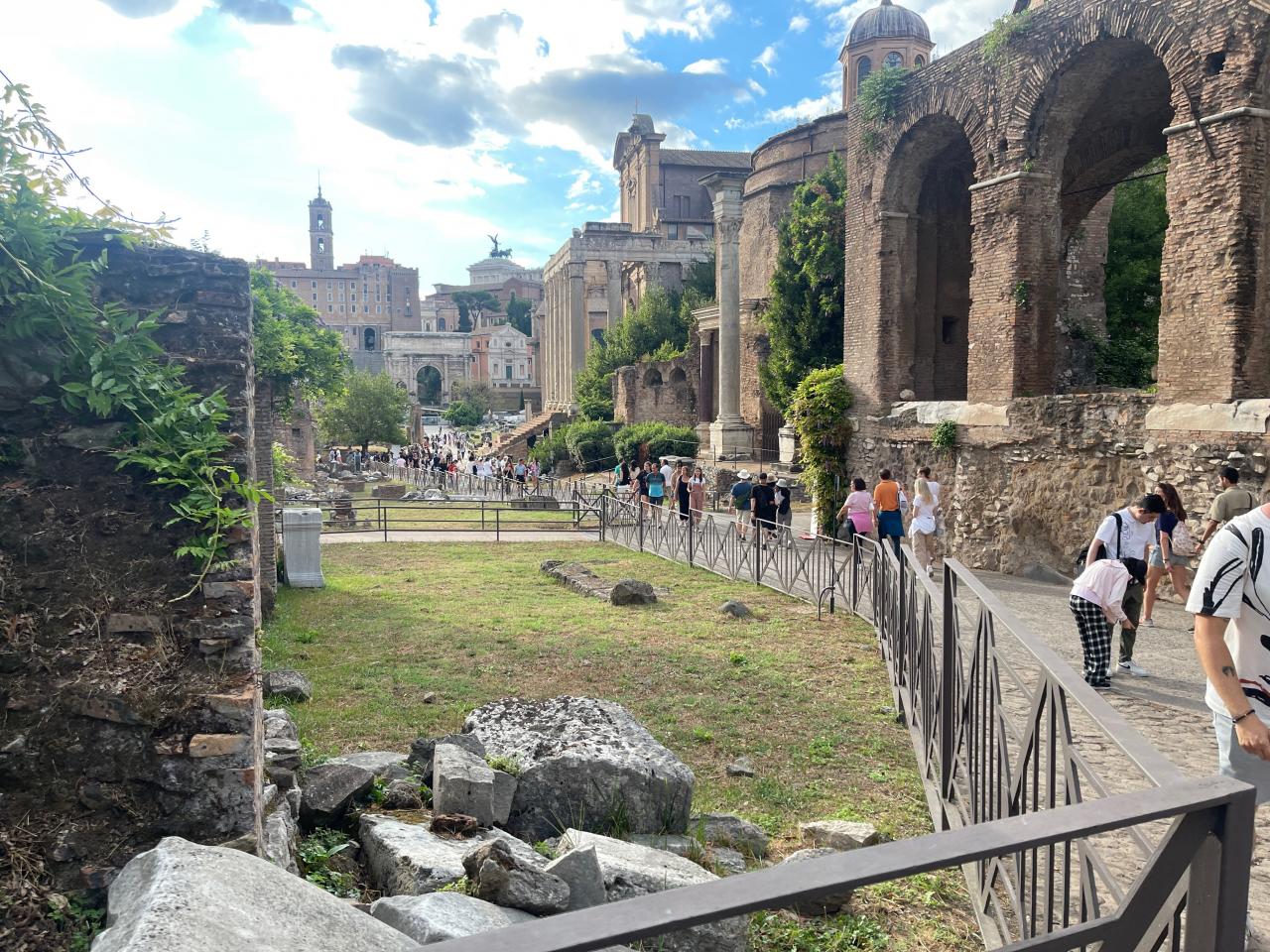
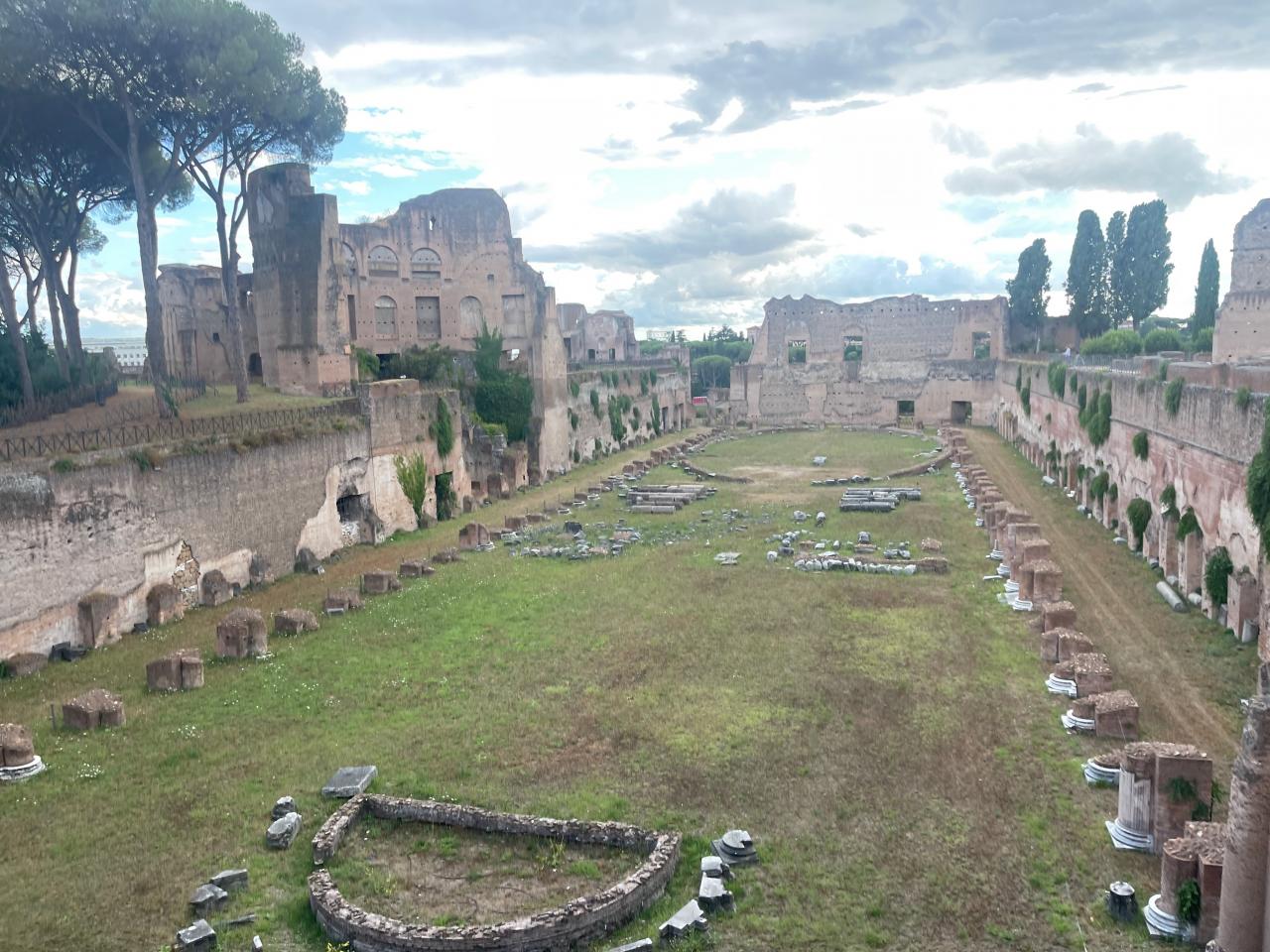
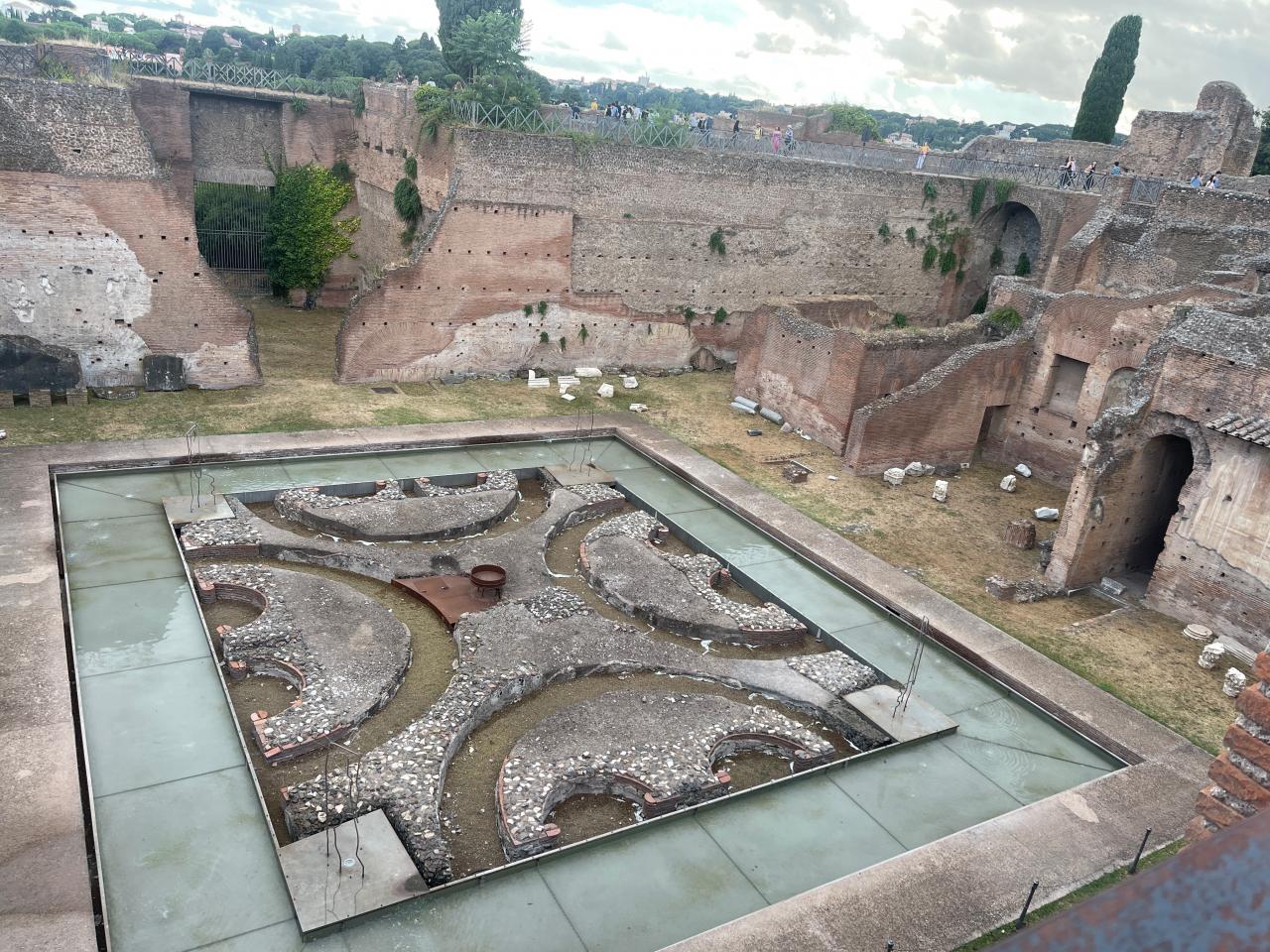
The Palentine Hill and Roman Forum are located right next to the Constaintine Triumphal Arch. This was once the political and cultural center of ancient Rome , encompassing temples, courts, the Senate, palaces, arenas, markets, and government buildings... Now, all that remains are the ruins of an empire that once ruled a vast region across the Mediterranean, Europe, and North Africa…
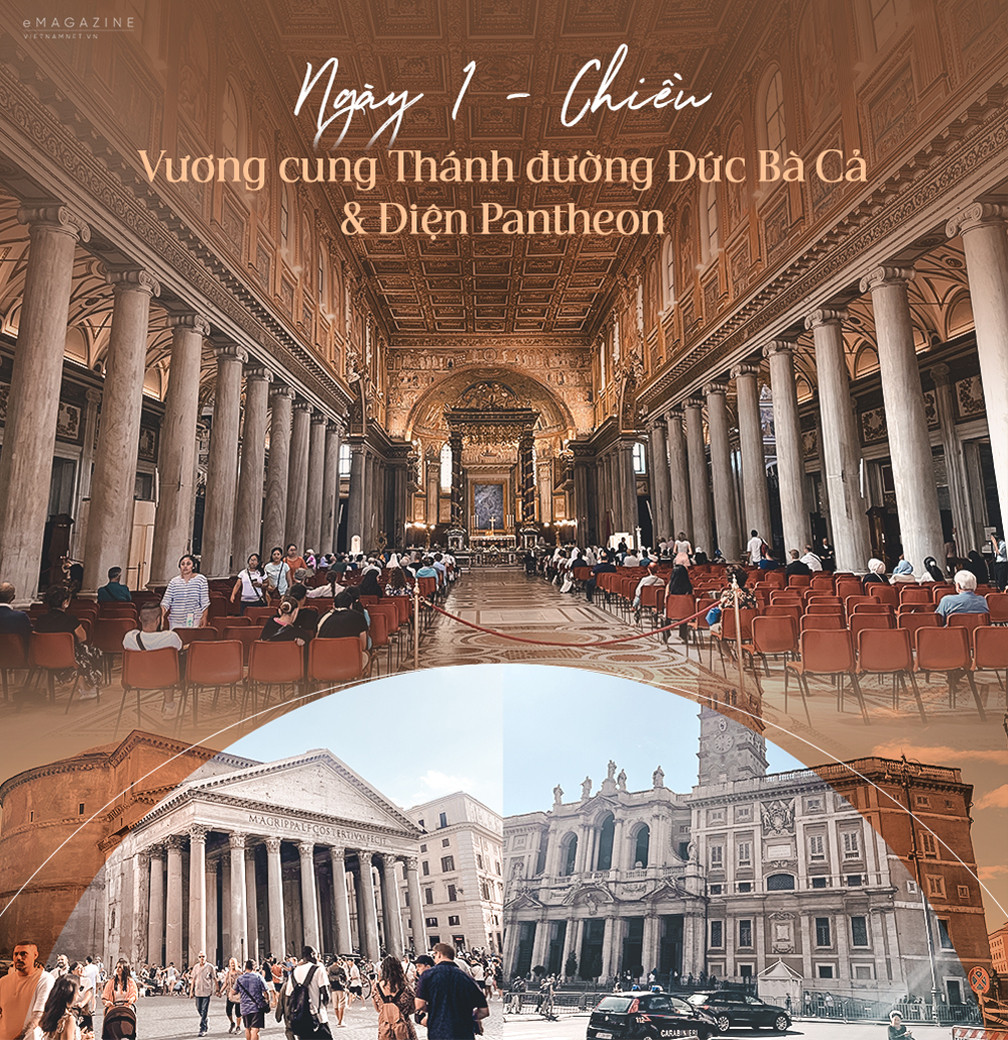
Of the 900 churches and monasteries in Rome, the Basilica of Saint Mary Major is one of the four largest and oldest basilicas. Built in 434, for nearly sixteen centuries, the Basilica of Saint Mary Major has attracted pilgrims from all over the world who come to pray and admire its beauty and artistic treasures.

The fifth-century mosaic in the central nave, the gilded wooden ceiling designed by Giuliano Sangallo in 1450, and especially the magnificent and sacred painting of Our Lady Protector of Rome (Salus Populi Romani) are among the most unique works of art in the basilica.
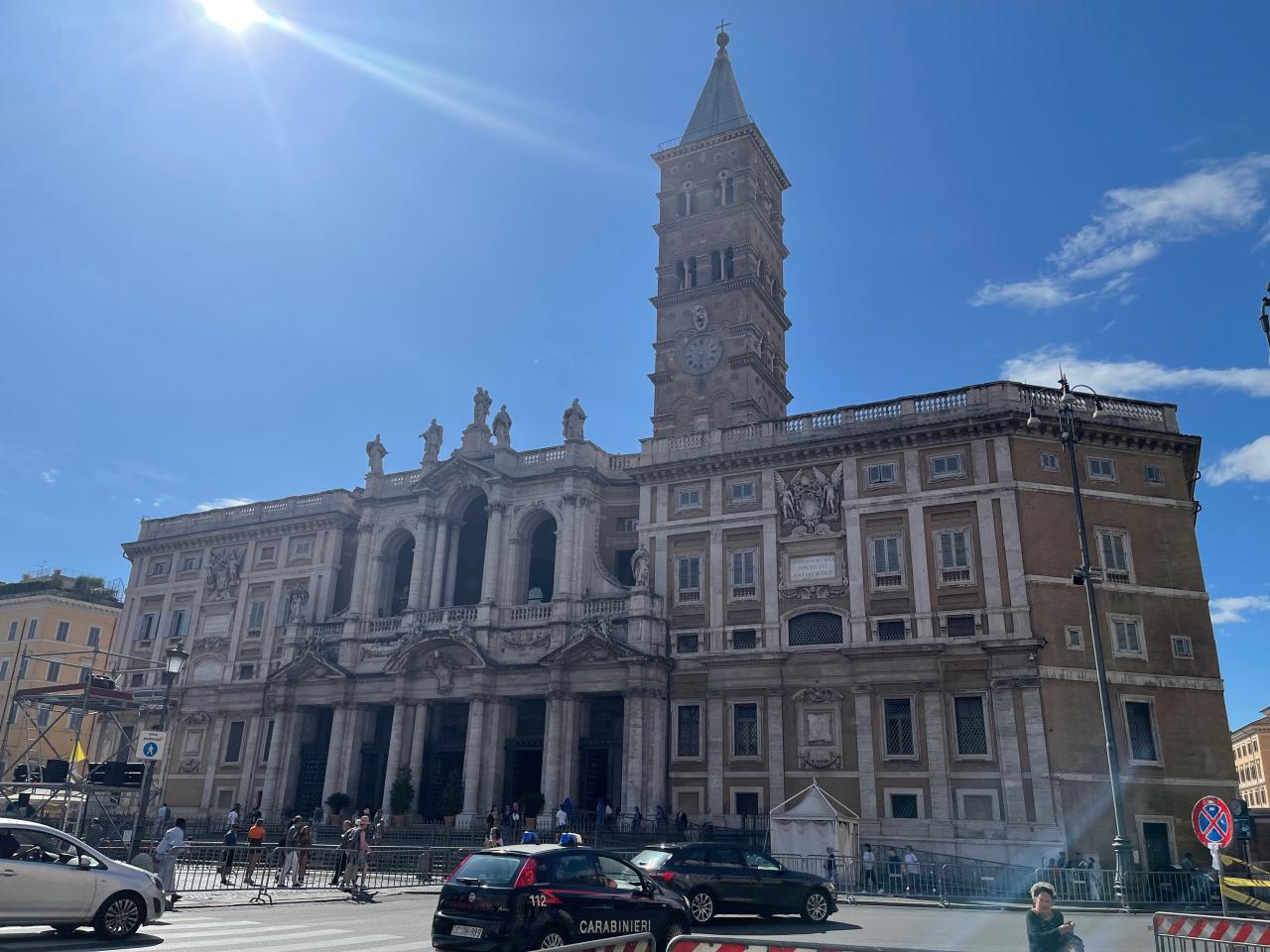
Admission to the Basilica of Santa Maria Maggiore is free, and you don't have to queue to visit this enormous basilica.

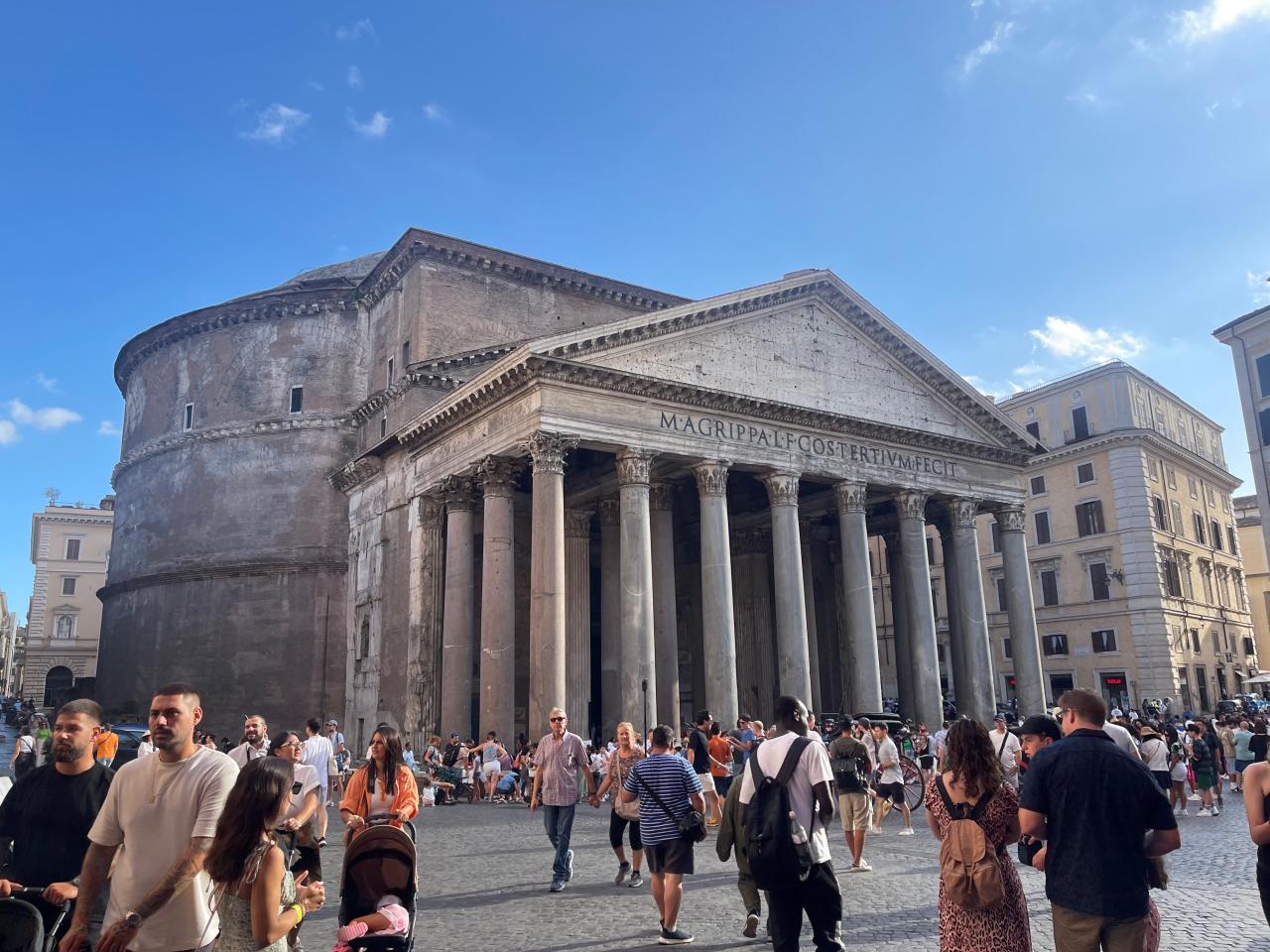
The Pantheon is the best-preserved ancient structure in Rome. Built in 120 AD during the reign of Emperor Hadrian to worship the gods, the temple is one of the architectural wonders of the ancient Roman Empire. When the brilliant artist Michelangelo saw the Pantheon, he said that it was the design of the angels, not of men.
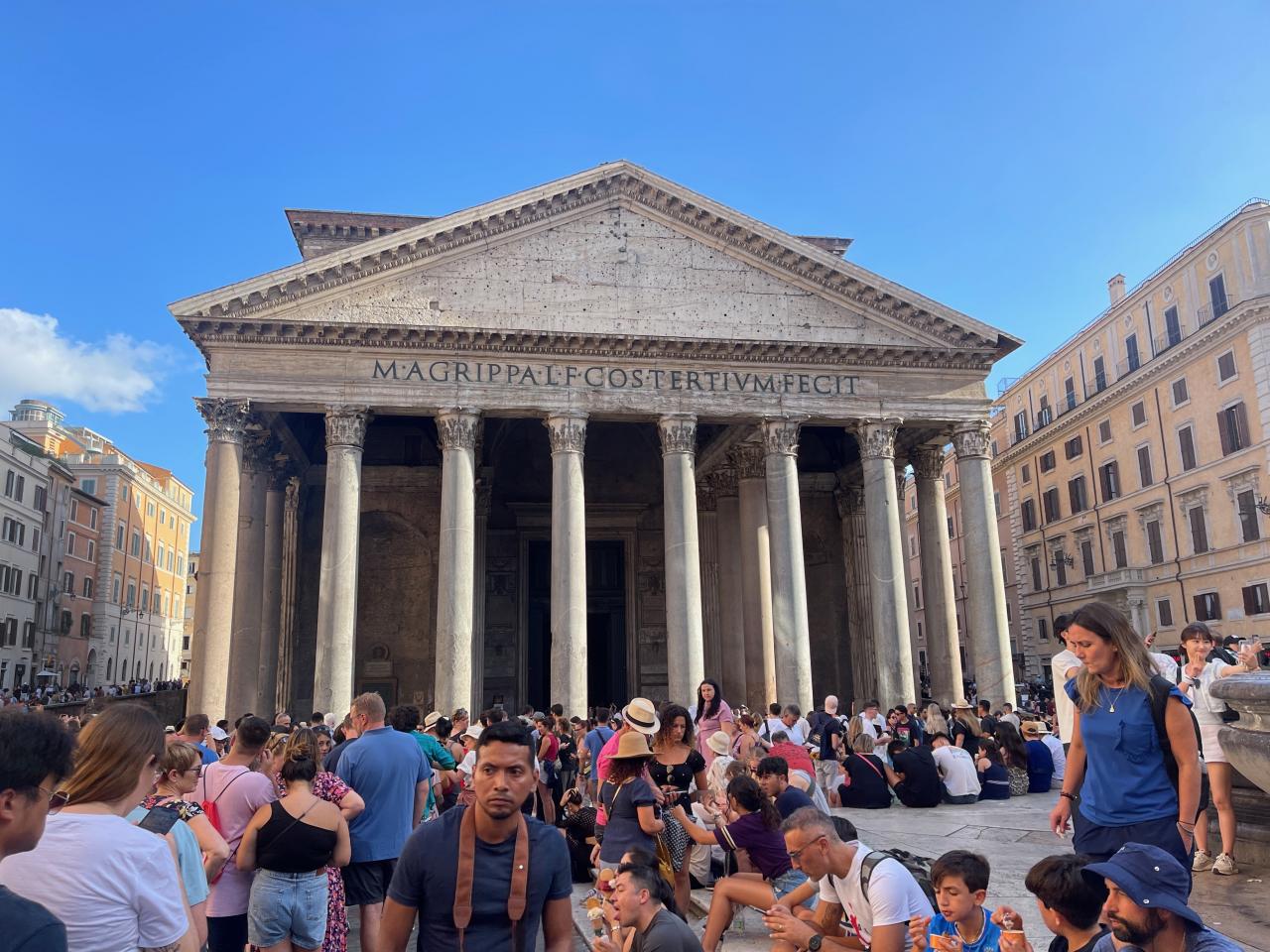
The architectural design of the Pantheon has inspired countless important architectural works throughout history, spanning from Europe to the Americas. Today, the Pantheon continues to function as a cathedral and is also a distinctive tourist attraction in Rome, Italy.
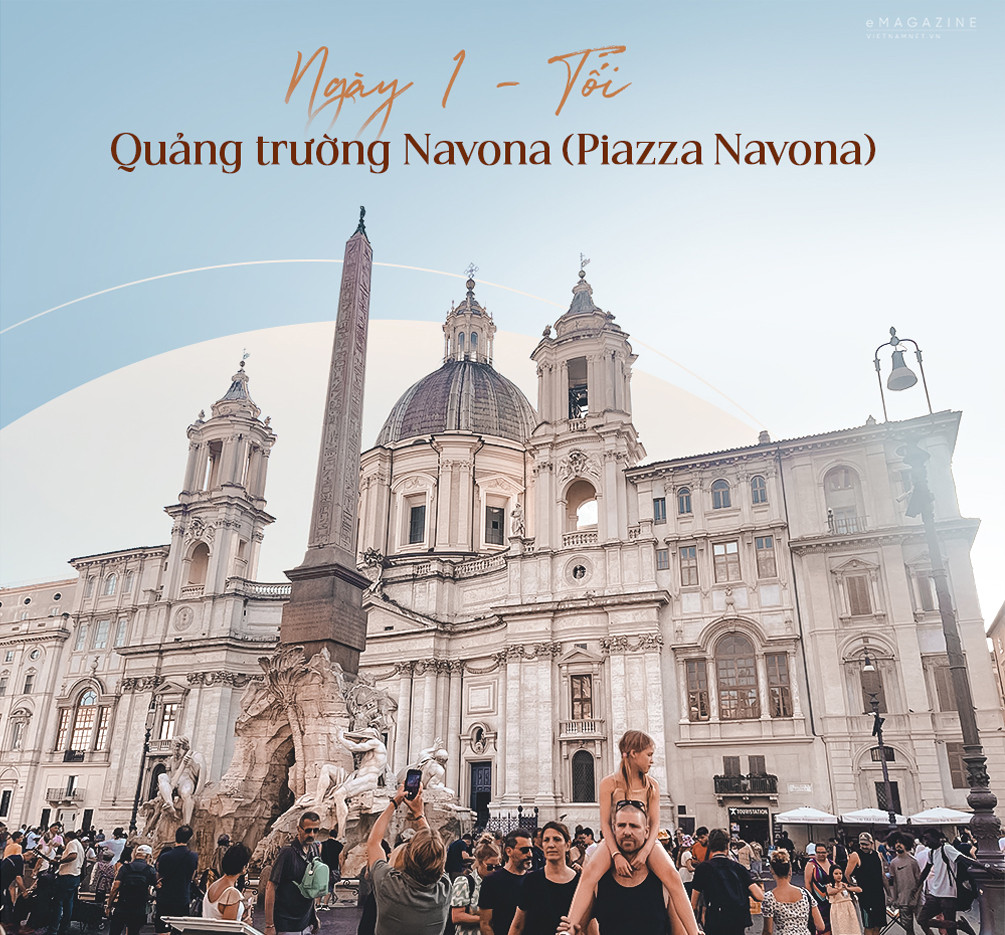
This is one of my favorite squares in Rome. It's a rectangular square with three beautiful fountains and surrounded by buildings with lovely flower-decorated balconies. Painters and street artists help attract more visitors.
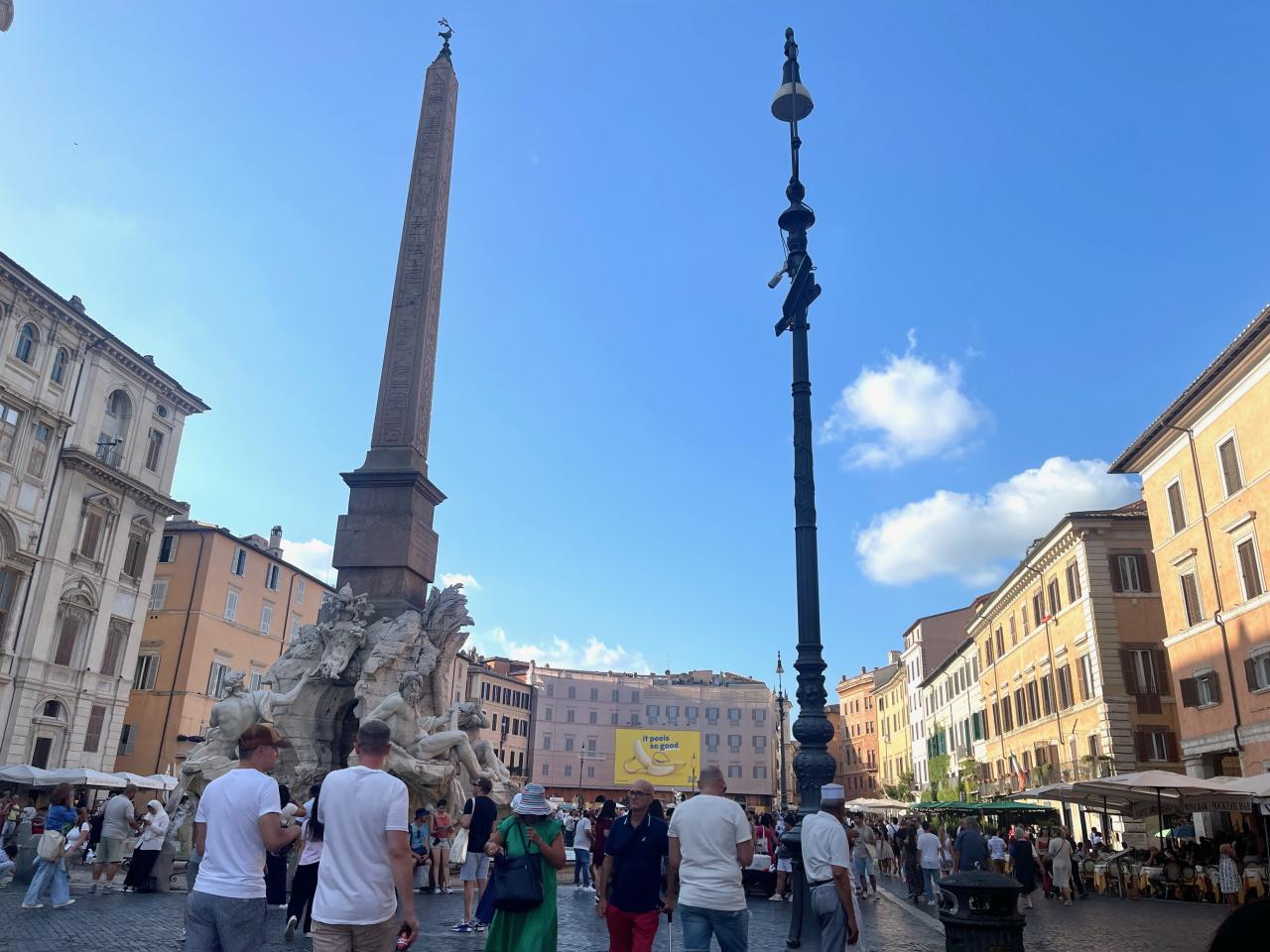
Sitting and enjoying a coffee or a meal at a restaurant on this beautiful and romantic square is an experience not to be missed.
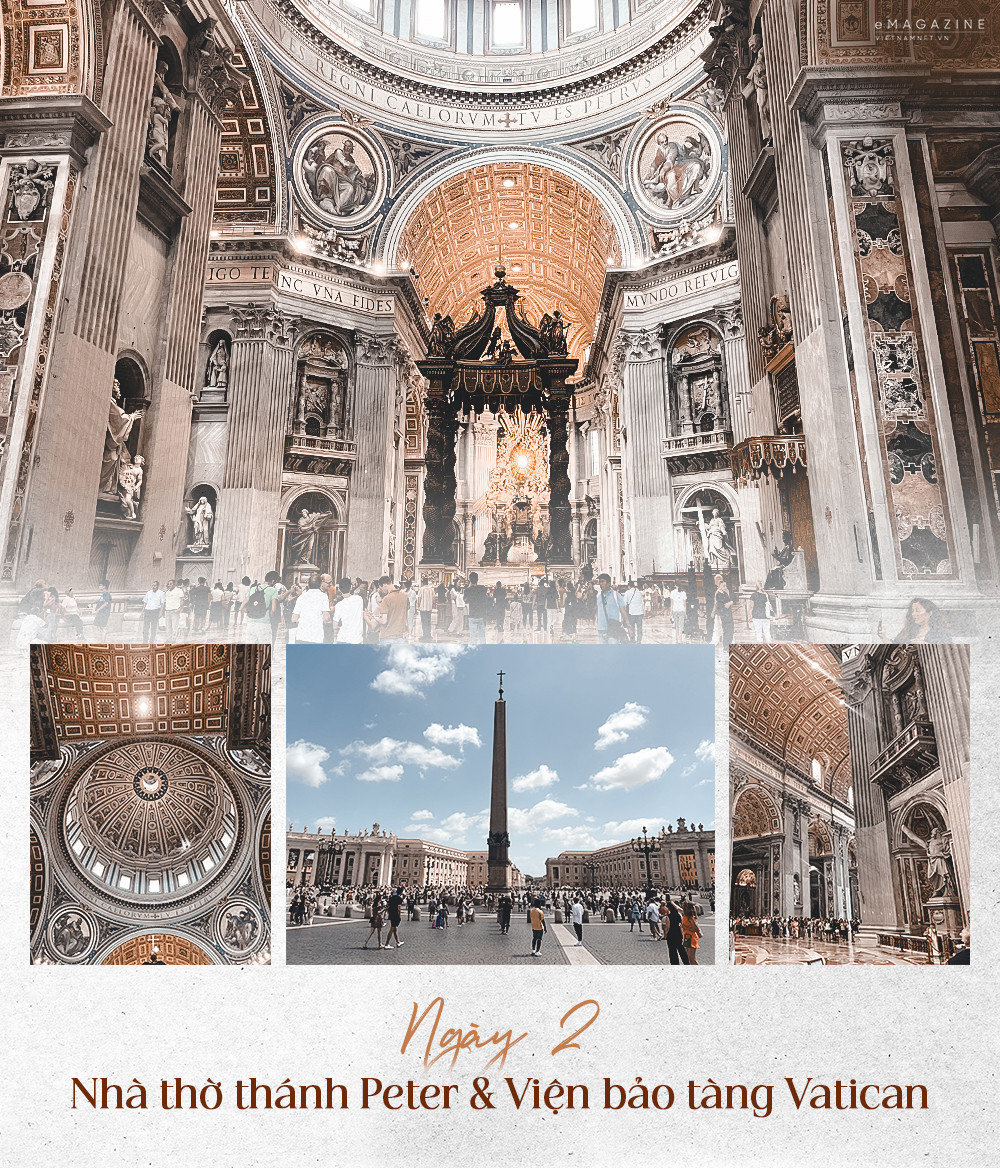
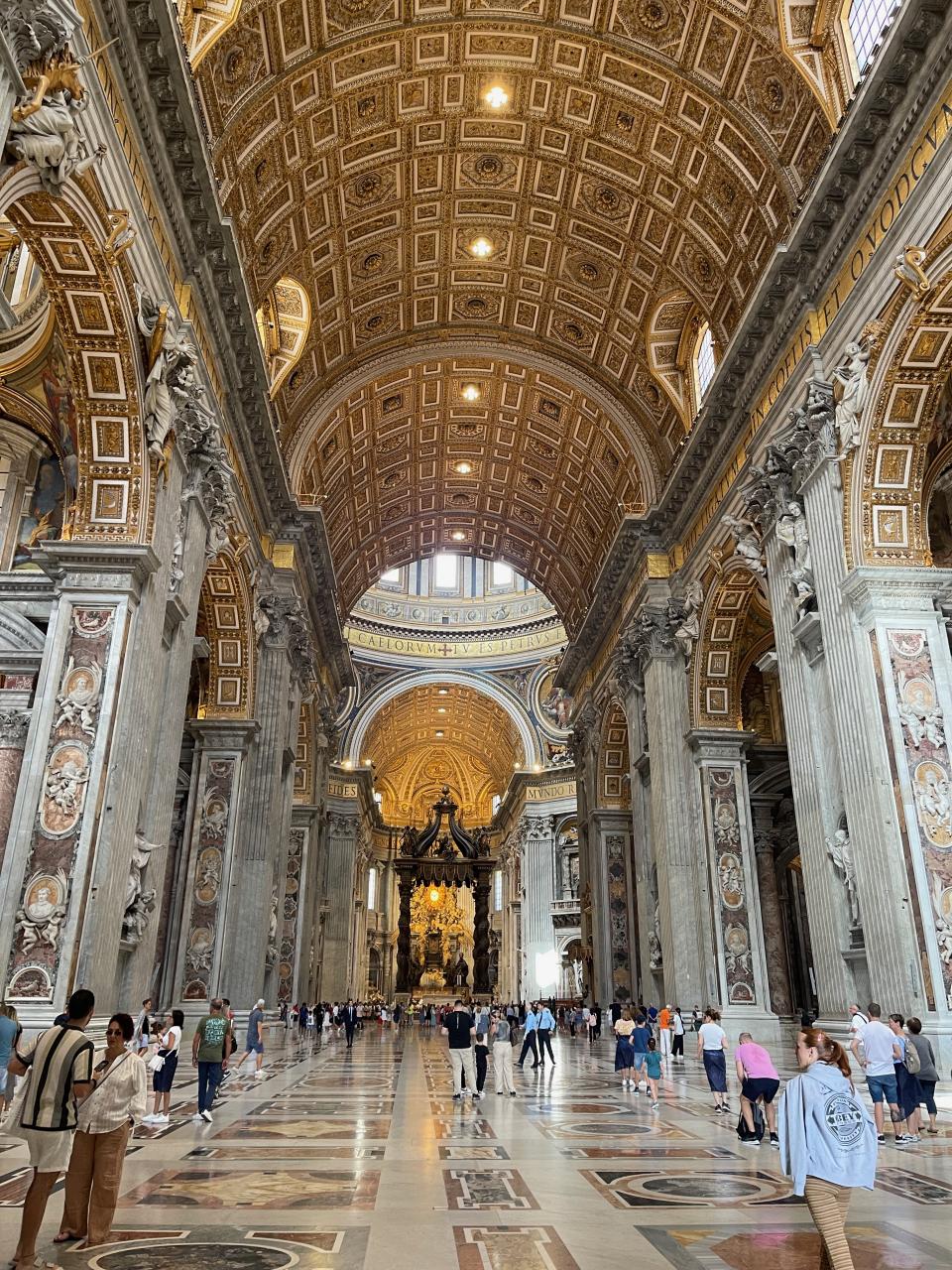
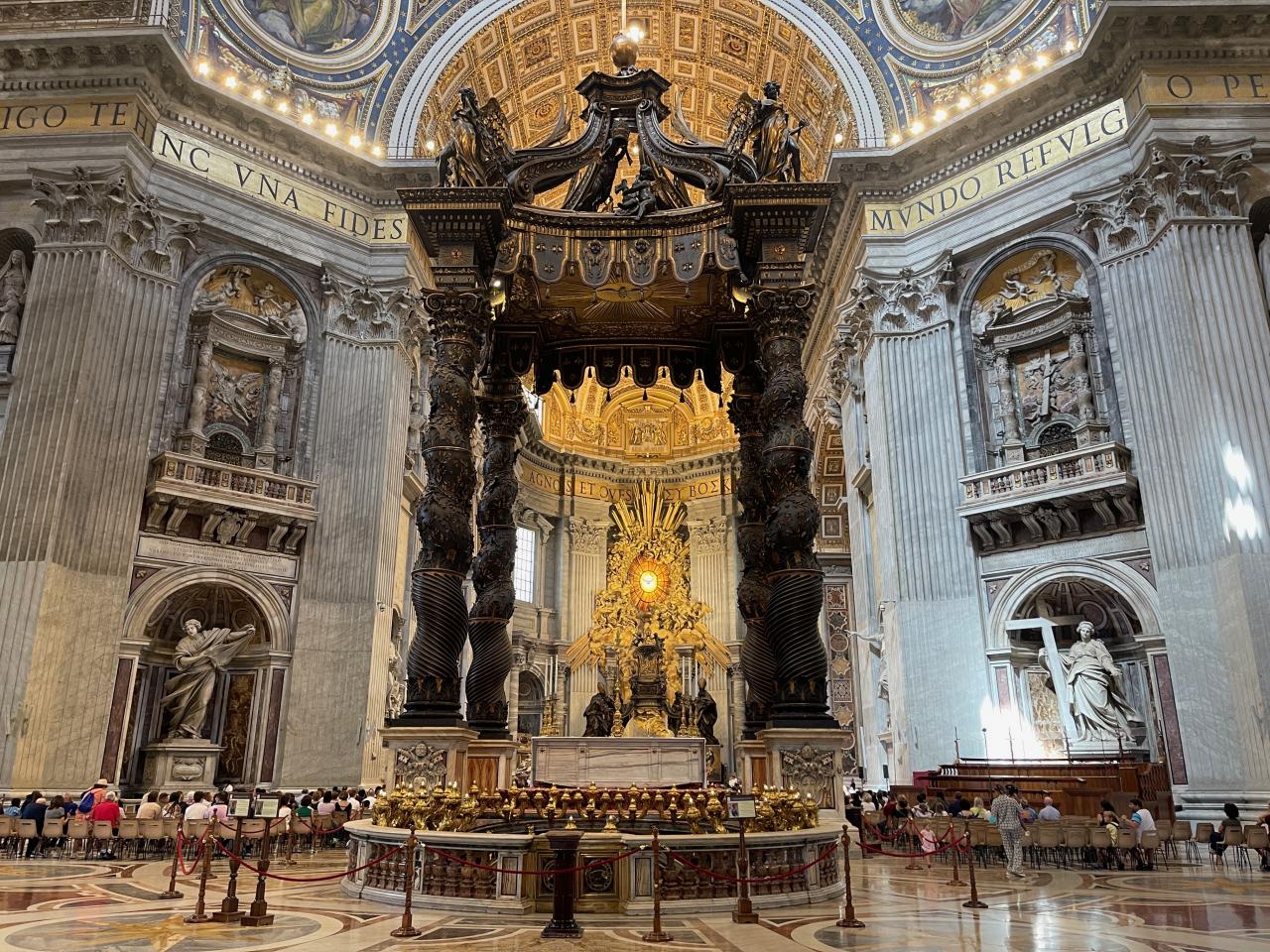
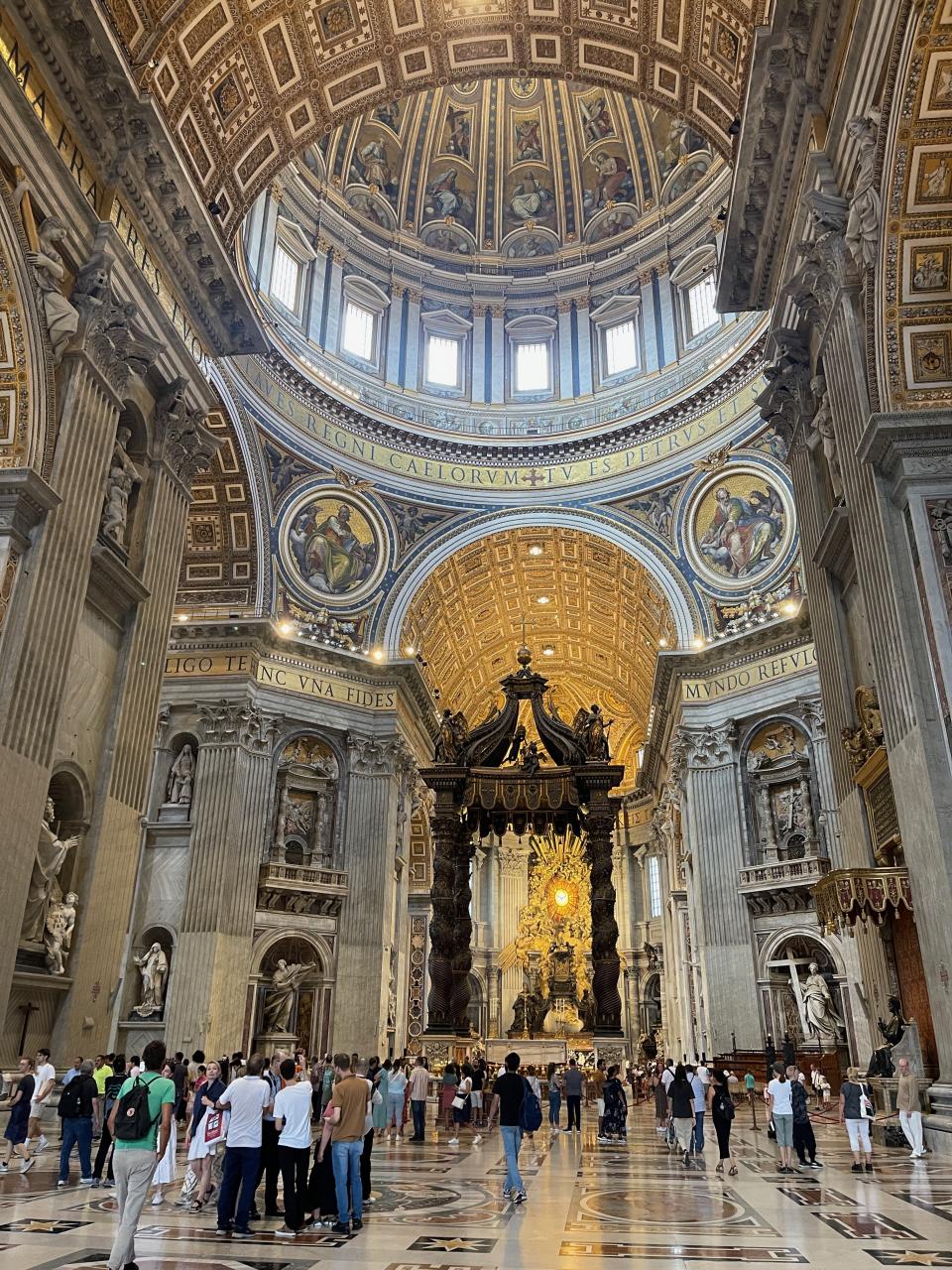
St. Peter's Basilica was begun in 1506 on the foundations of the old Constantinian Cathedral. It wasn't completed until 1626, becoming the most famous architectural masterpiece of the Renaissance and the largest and most important church in the world to this day.
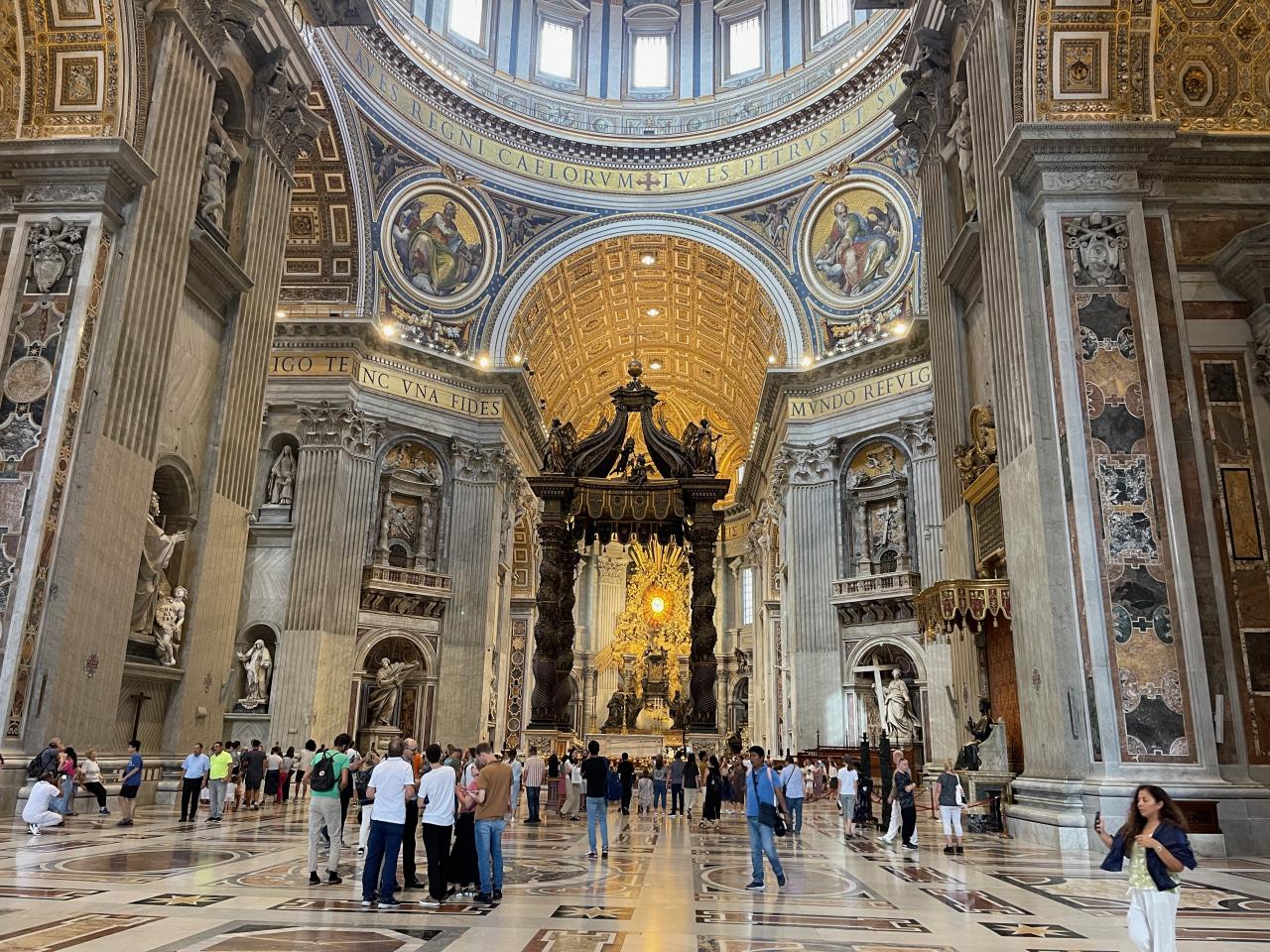
The church is an incredibly vast space, capable of holding over 60,000 people at once, and is decorated in an exquisite, magnificent, and unique style.
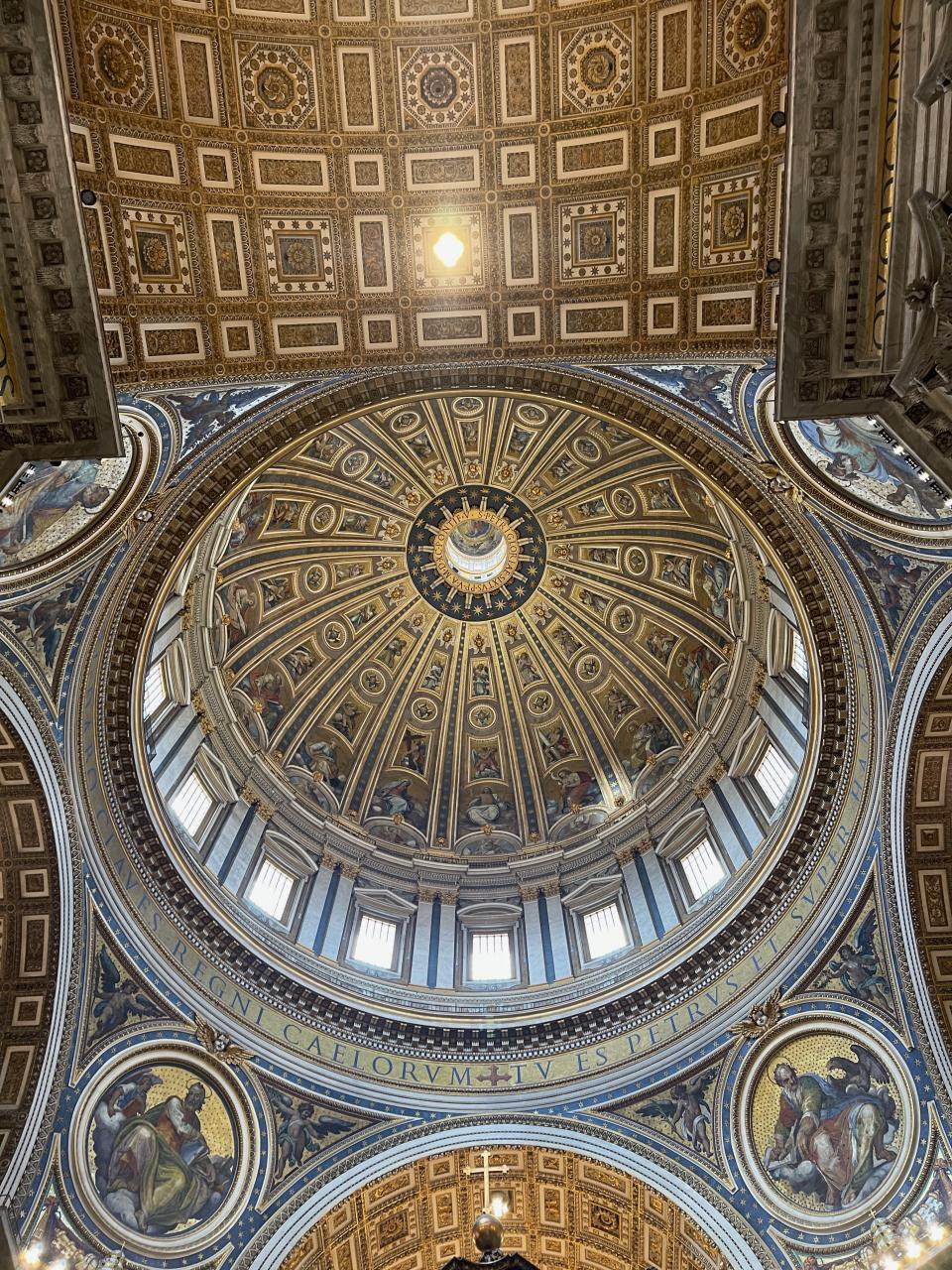
When mentioning the famous architectural structures of St. Peter's Basilica, one cannot fail to mention the unique dome designed by the brilliant sculptor Michelangelo. Built of brick with a large free-spanning design, with an outer dome diameter of 42 meters and an inner dome diameter of 41.5 meters, it is a marvel of construction engineering of the time.
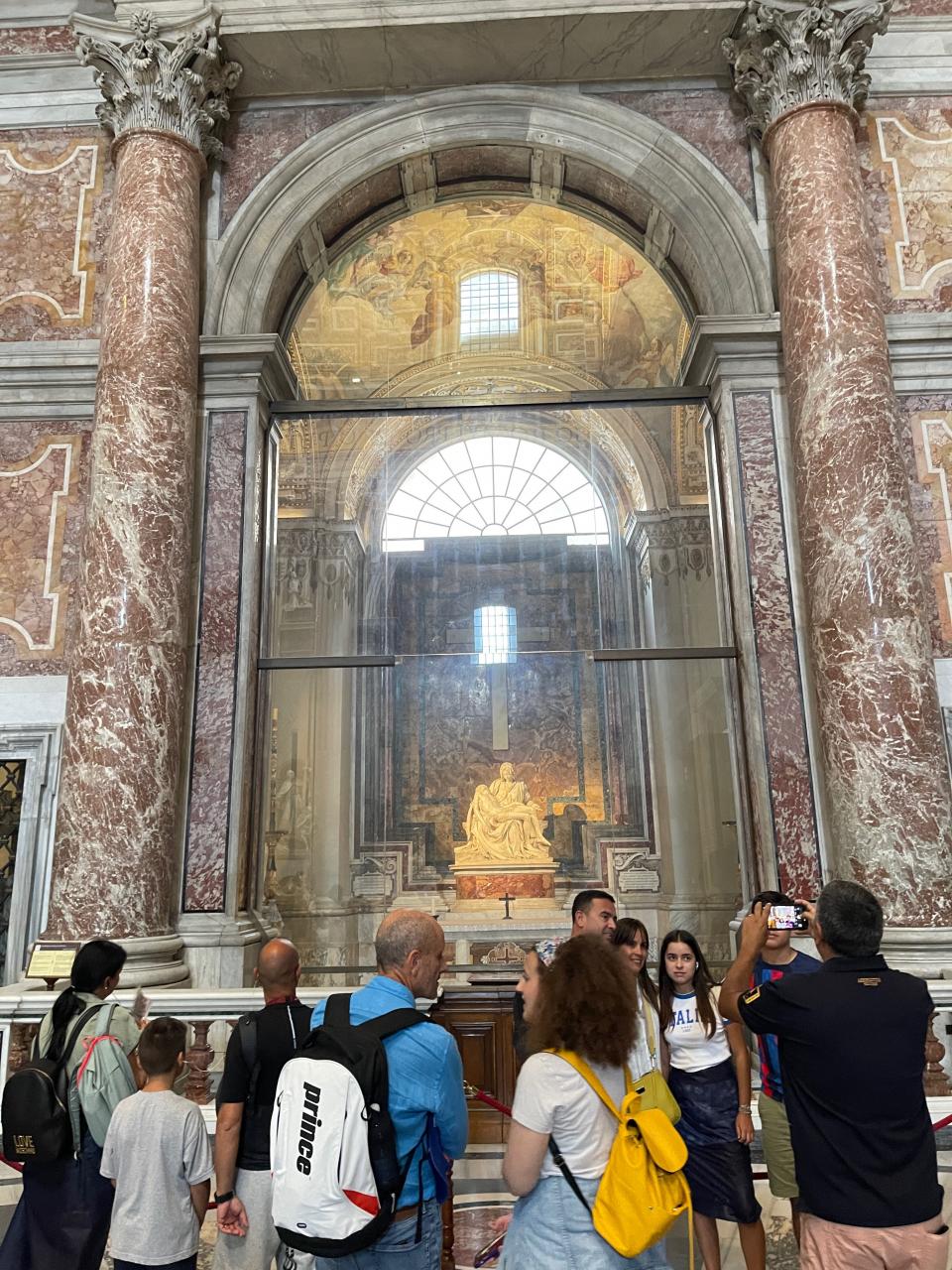
The statue of Our Lady of Sorrows, one of Michelangelo's finest sculptures.
 |  |  |
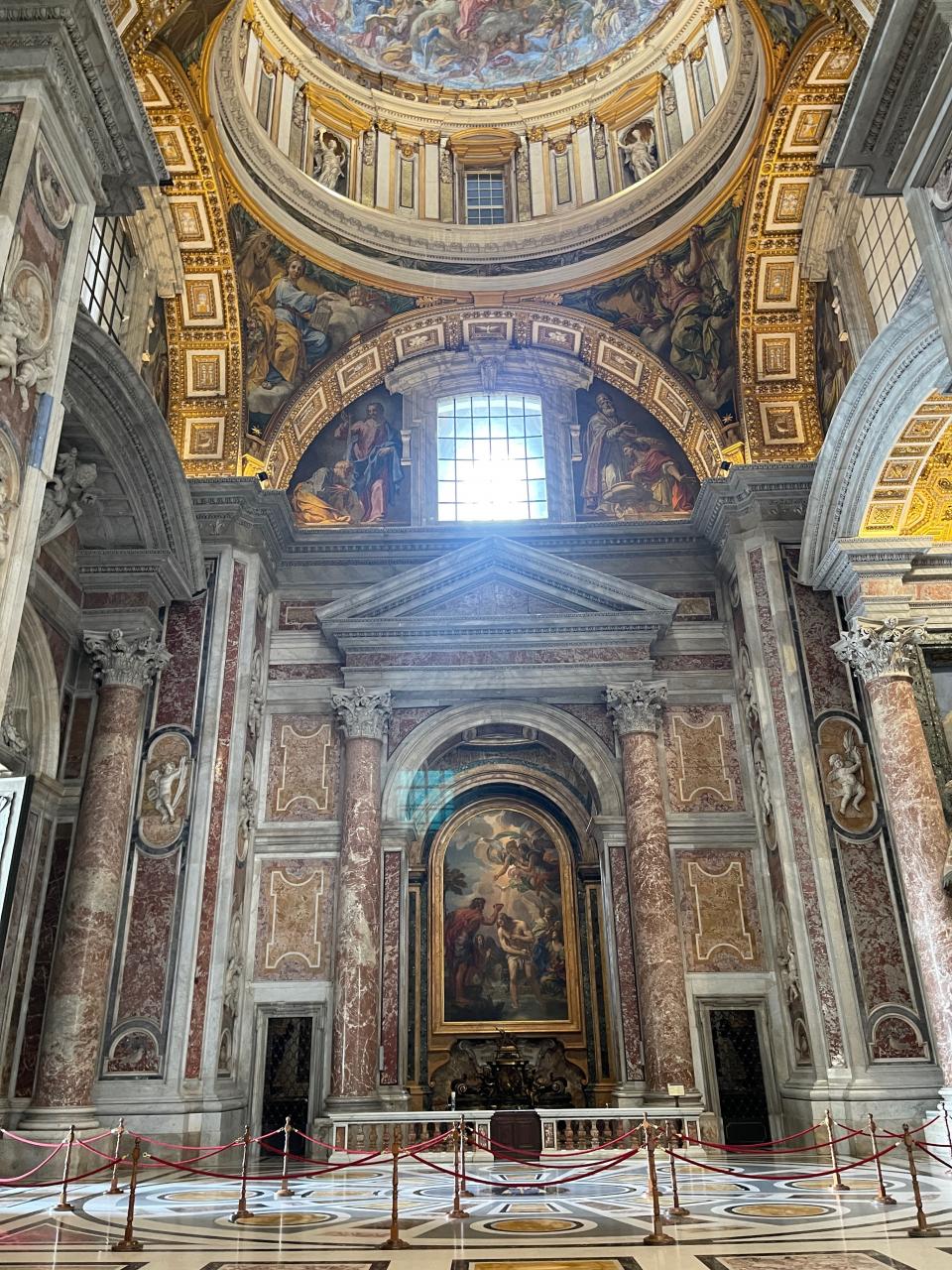 | 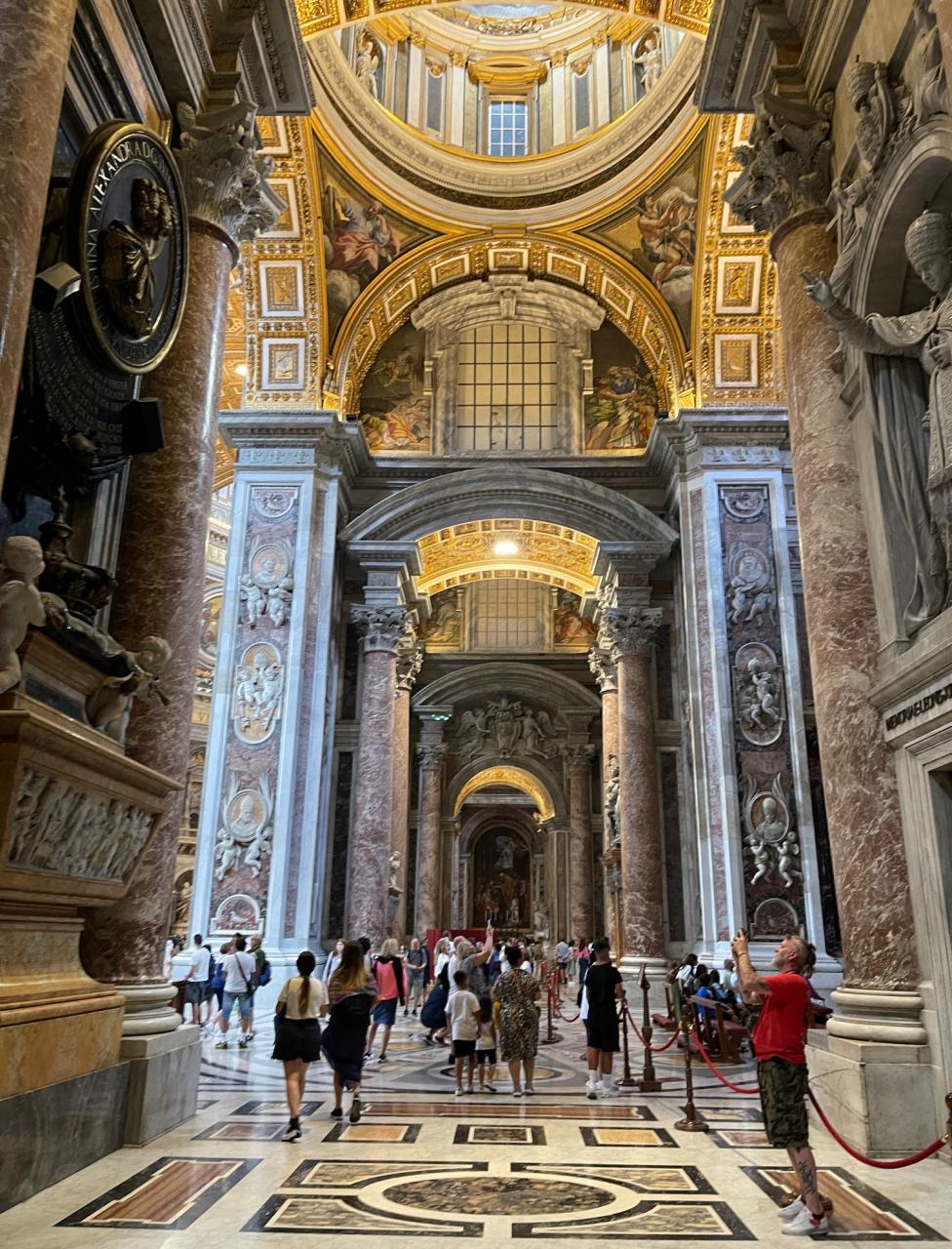 |
Not only is St. Peter's Basilica "rich" in ancient architectural structures, but it also possesses some of the world's most famous works of art. It houses countless artworks, from paintings to sculptures, by many renowned artists of the past. Some notable examples include Michelangelo's *Mary of the Sorrows* and paintings by the famous painter Raphael…
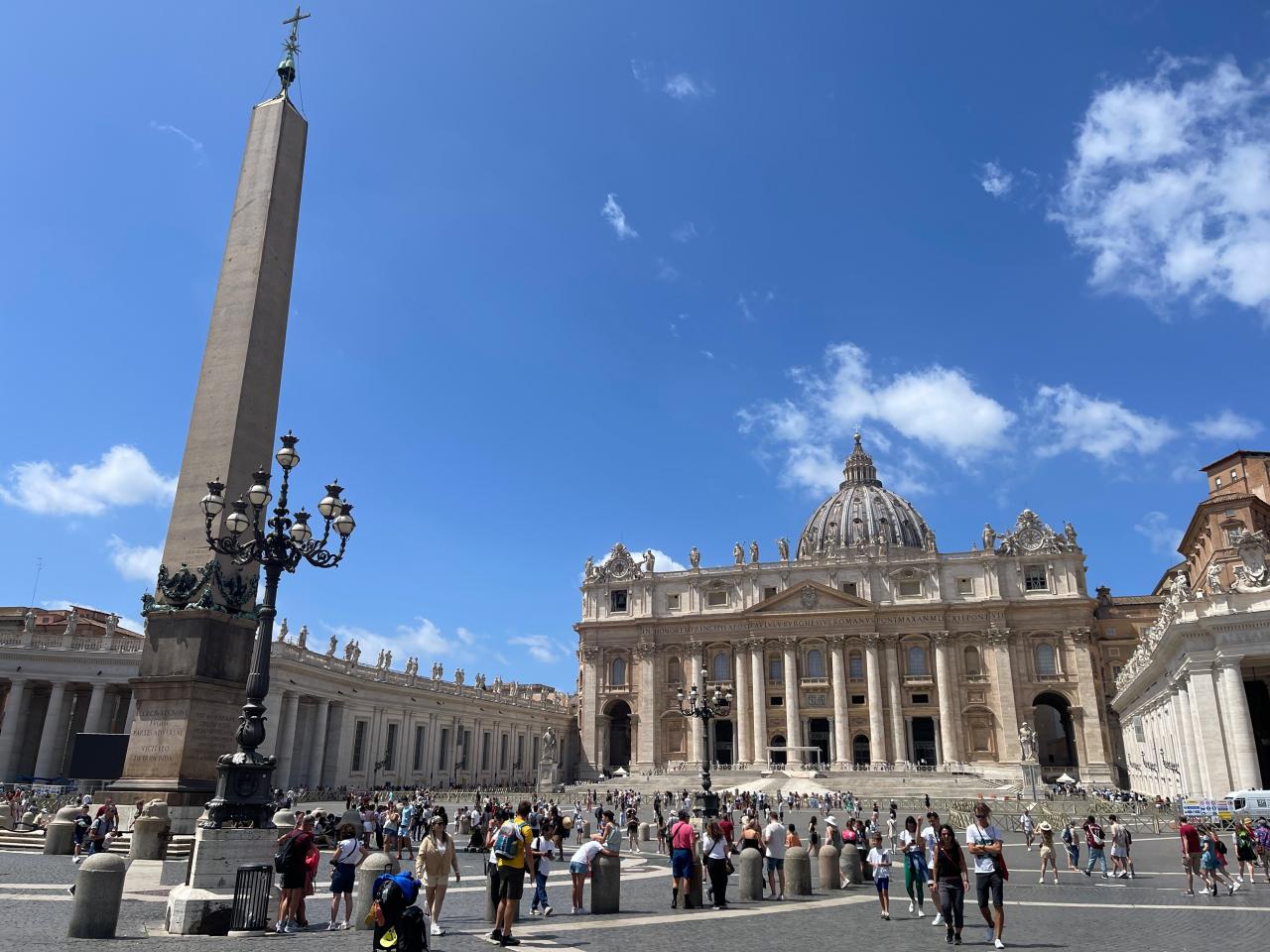
Square in front of St. Peter's Church
The church is open from 7 am to 7 pm and admission is free. You should go early or late in the afternoon to avoid long queues. You will have to pay a fee to enter the Vatican Museums if you want to admire Michelangelo's most famous painting on the ceiling of the Sistine Chapel.

After visiting St. Peter's Basilica, you can walk to the Tiber River bank to admire the Sant'Angelo Bridge and visit the nearby Sant'Angelo Castle.
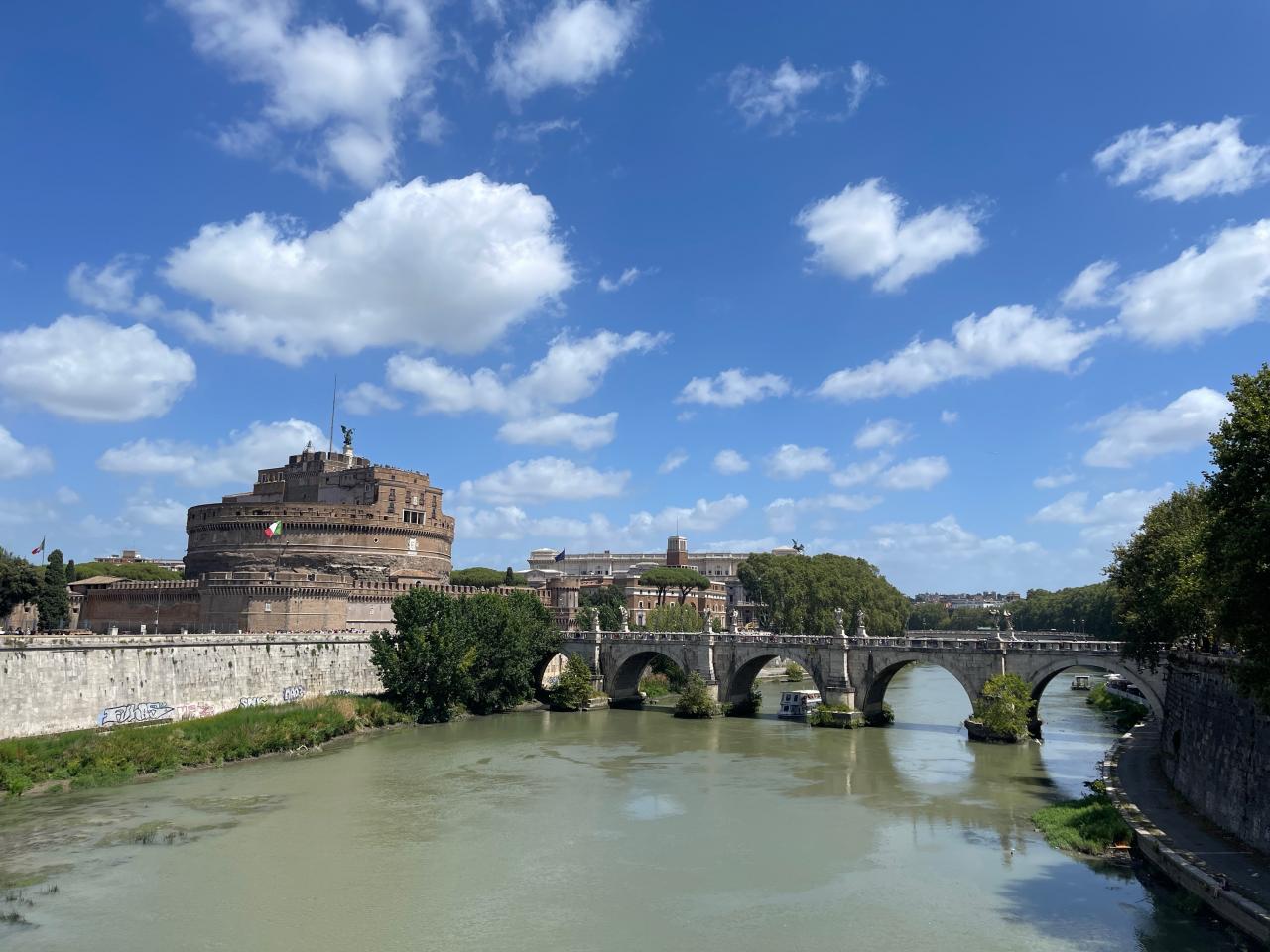
The bridge dates back to 134 AD and is one of only two ancient bridges in Rome that have retained their original structure (the other being Fabricius Bridge). Three of the five arches that exist today are of Roman origin. Ten sculptures are erected on either side of the bridge.
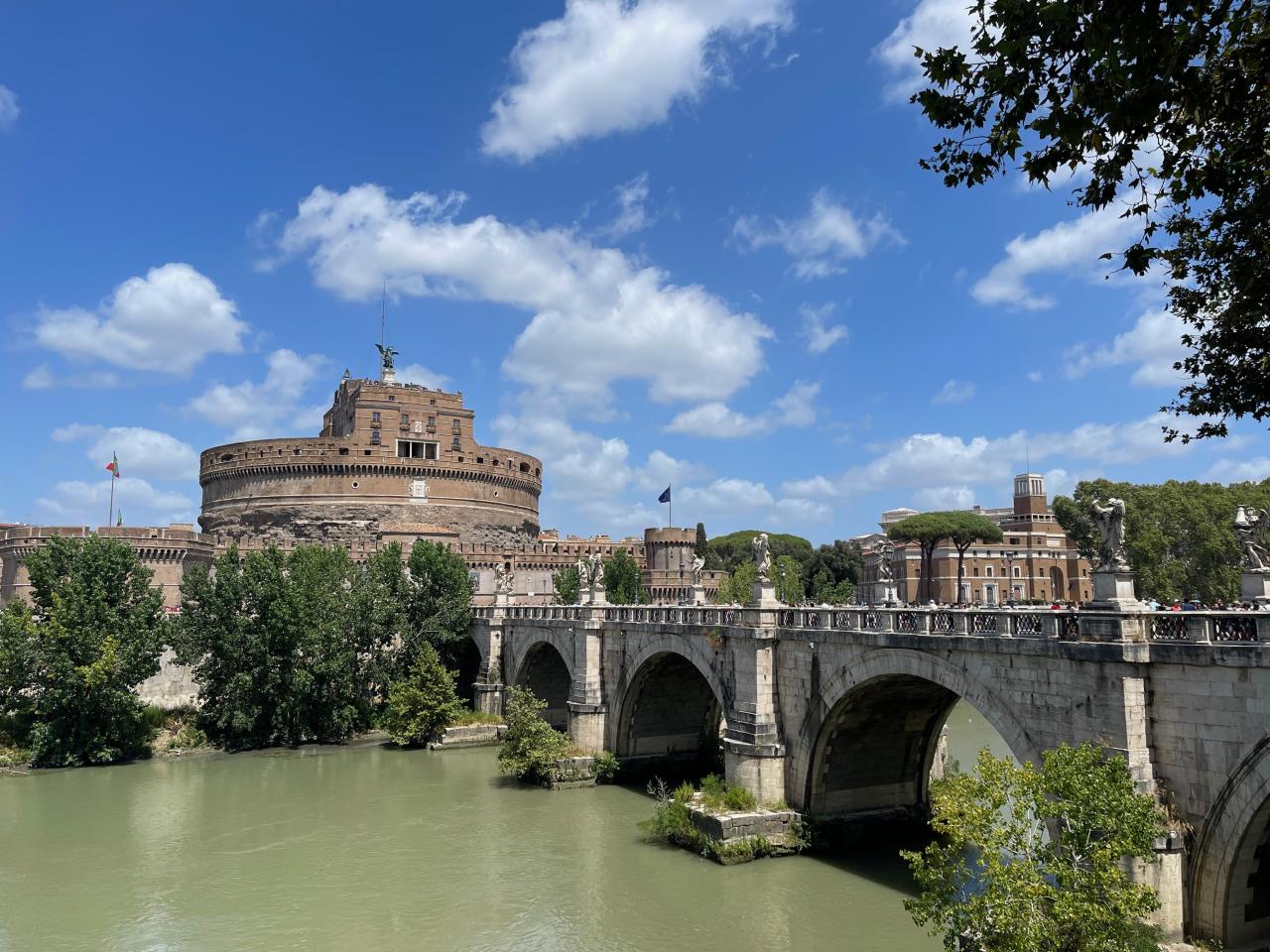
The bridge dates back to 134 AD and is one of only two ancient bridges in Rome that have retained their original structure (the other being Fabricius Bridge). Three of the five arches that exist today are of Roman origin. Ten sculptures are erected on either side of the bridge.


Vietnam encourages US businesses to expand investment in high technology.On the morning of June 26th, at the Government Headquarters, Deputy Prime Minister Ho Quoc Dung received Mr. Jeff Place, Supply Chain Director of Coherent Group (USA). During the meeting, the Deputy Prime Minister affirmed that Vietnam encourages US businesses to expand investment, especially in high-tech, innovation, and semiconductor industries.

Encourage U.S. businesses to expand investment in high-tech sectors.Deputy Prime Minister Ho Quoc Dung said that Vietnam welcomes US businesses to continue expanding their operations in Vietnam, especially in high-tech industries and sectors with high added value.

Vietnam and the United States strengthen cooperation in addressing the consequences of war.VTV.vn - On June 22, General Secretary and President To Lam received Acting Secretary of the US Navy Hung Cao.
The Trevi Fountain, a Baroque-style fountain designed by Nicola Salvi in 1732 and completed in 1872, is the most beautiful and famous fountain in the city and also one of the most beautiful fountains in the world.
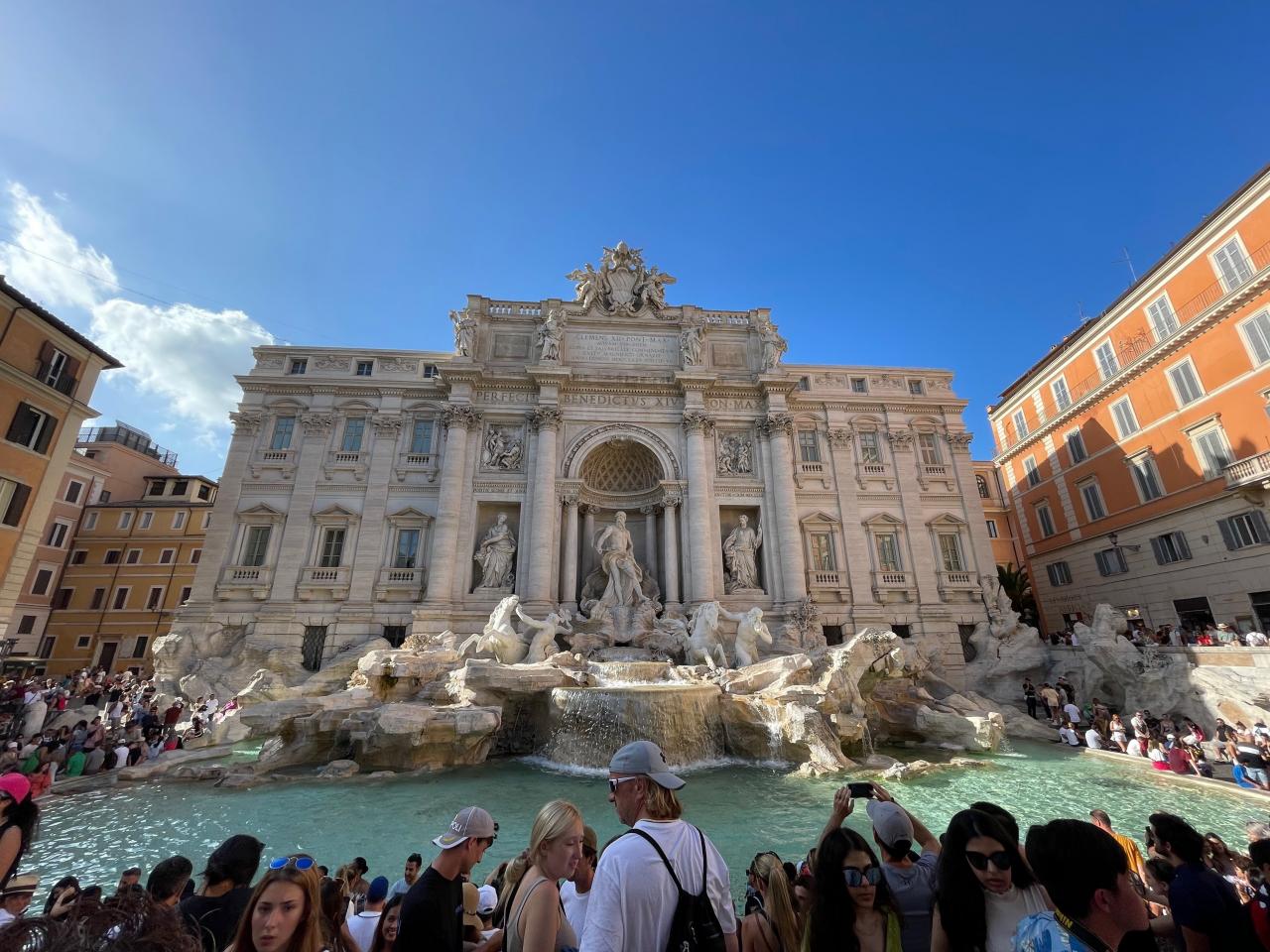
The Trevi Fountain is made of limestone and marble. Prominently featured is the bearded god Neptune, riding in a shell-shaped chariot pulled by two horses and two Tritons. One horse is unruly, the other docile, symbolizing the ocean in its turbulent and tranquil states. The fountain's clear water is sourced 22 kilometers away and supplied by one of the aqueducts built by Emperor Caesar Augustus and in use since 17 BC. Visitors toss two coins into the water: one for a personal wish and one for a return to Rome. Whether or not these wishes come true, the fountain collects approximately $4,000 a day, with the proceeds going to local charity.
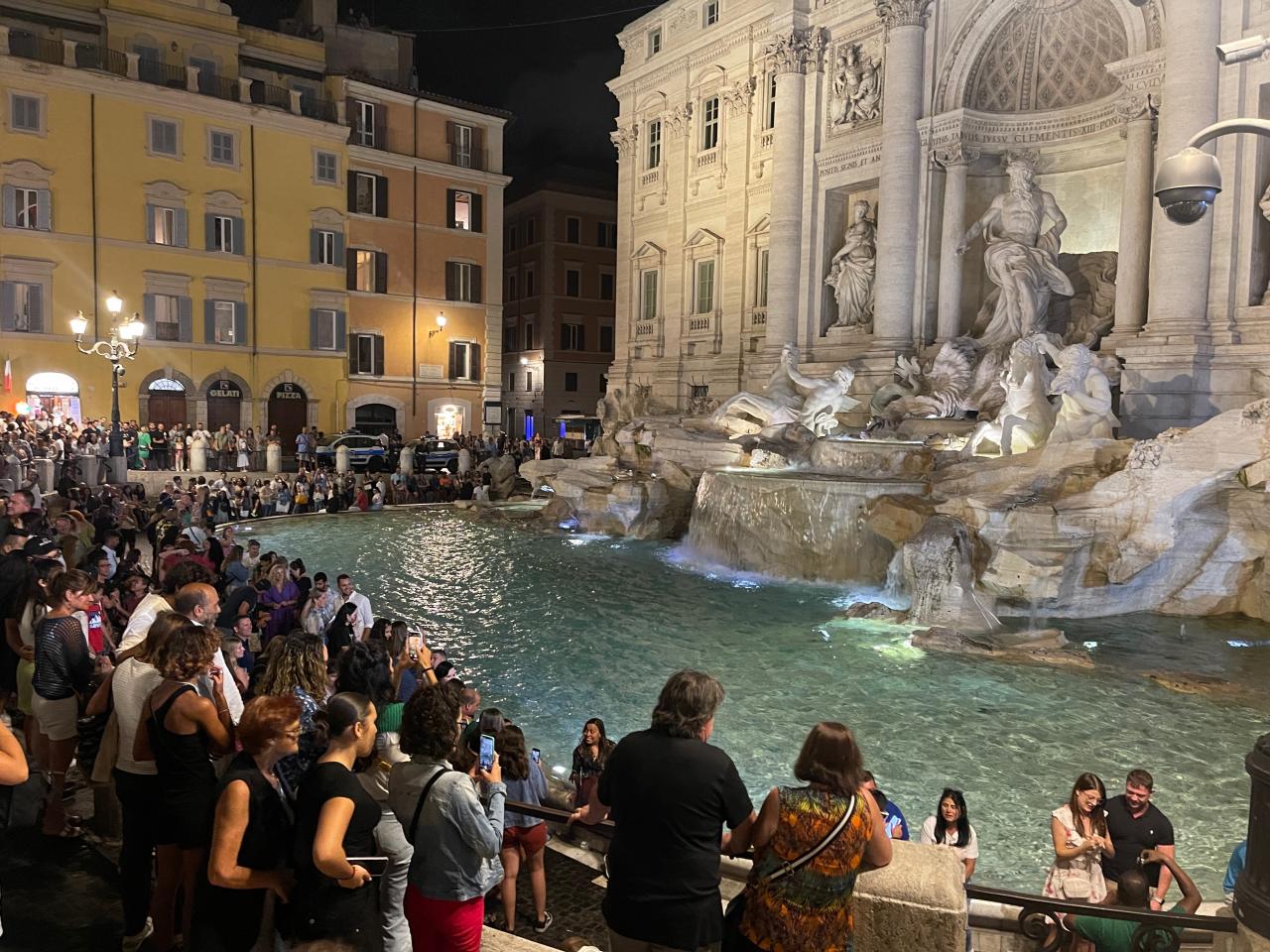
People gather here in large numbers from morning till night, filled with hope and joy. However, it's also an ideal spot for pickpockets, despite the presence of a significant police presence. We were frequently reminded by the police that there were many pickpockets around, and to be careful with the items in our pockets and backpacks.

Located a few blocks from the Trevi Fountain are the Spanish Steps. Built exactly 300 years ago, they are one of Rome's most popular tourist attractions. The Spanish Steps consist of 135 marble steps connecting the Trinità dei Monti church above and the former Spanish Embassy building below. This is also why they are called the Spanish Steps.
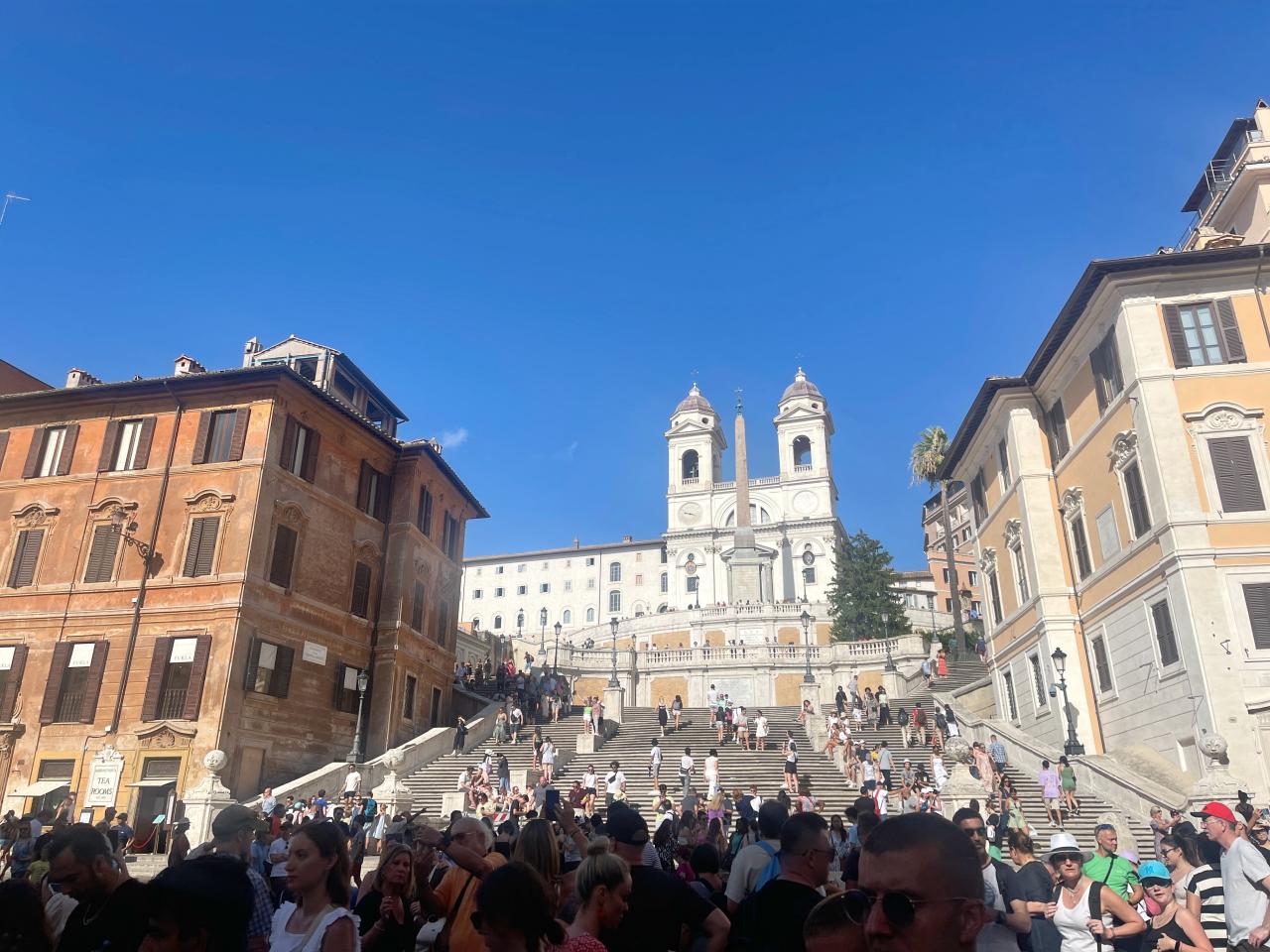
The 1953 film Roman Holiday, starring Gregory Peck and Audrey Hepburn, helped make the Spanish Steps more famous worldwide. With its antique and romantic beauty, set in a classic setting, this structure has appeared in many famous films, most recently Mission Impossible 7 (2023).
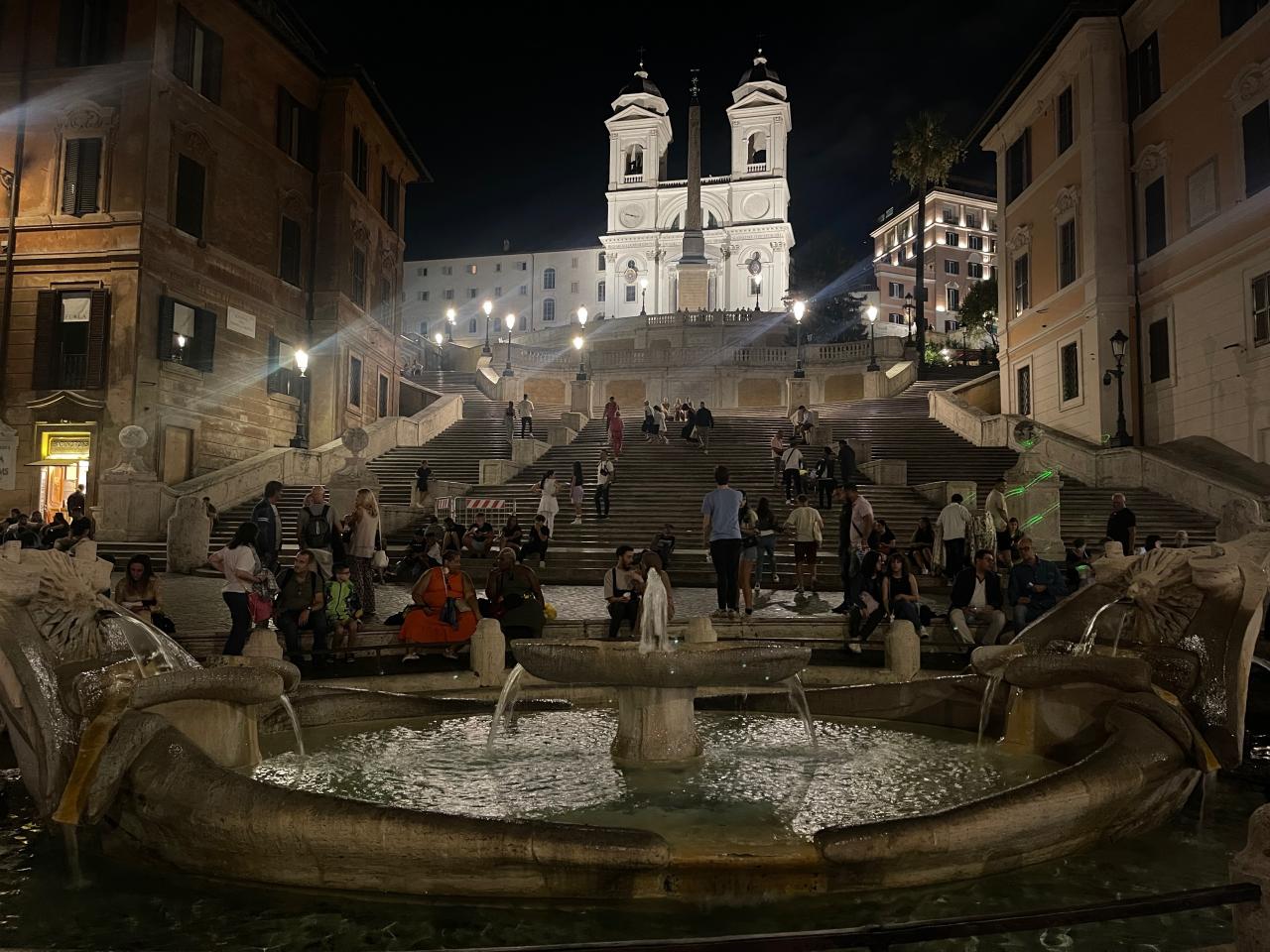
Spanish Steps at night
Since August 2019, the Rome city authorities have banned tourists from sitting on the Spanish Steps. This decision stems from the inconsiderate behavior of some tourists who spit chewing gum and spill alcohol and coffee on the marble steps, causing discoloration. However, from my observation, tourists still sit on the steps, and the police do not reprimand or fine them, with the announced fine ranging from 250 to 400 euros.
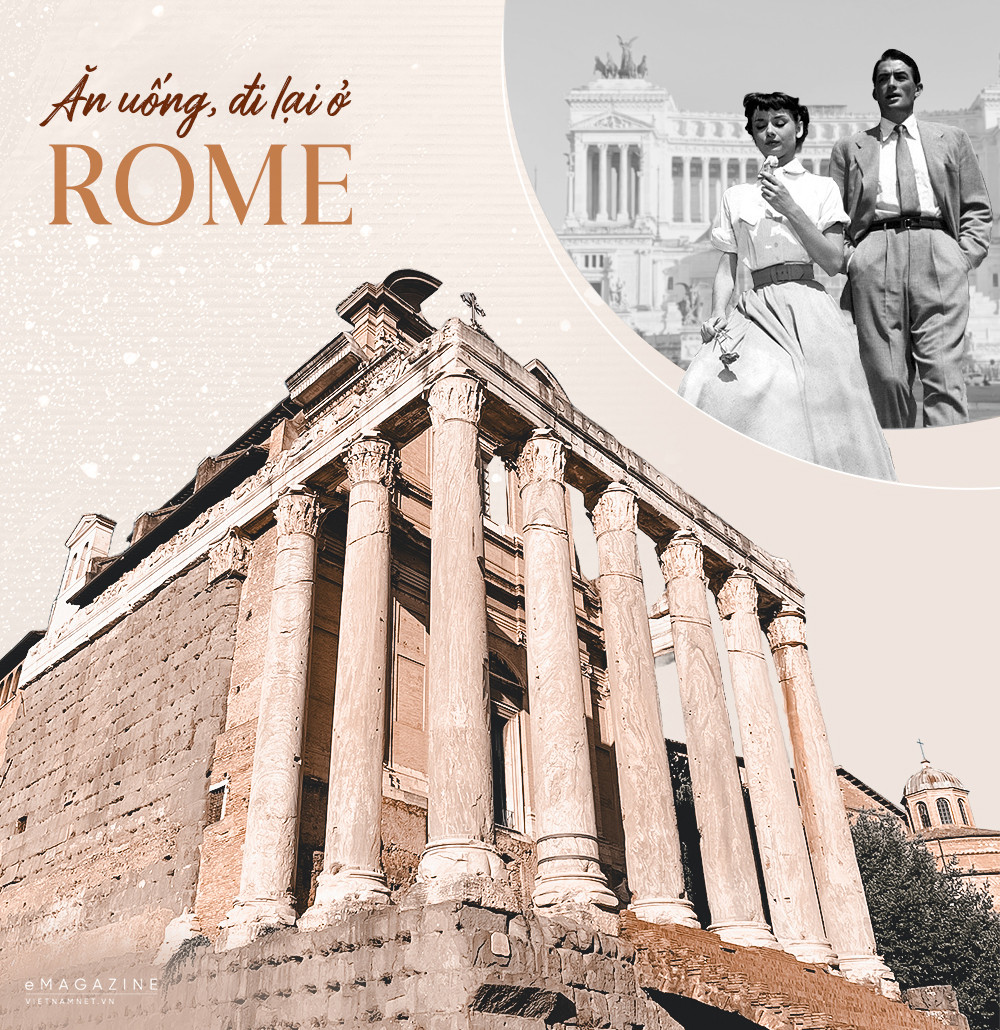
Rome boasts over 15,000 pizza parlors and 8,000 restaurants, ranging from casual to upscale. However, a trip to Rome is incomplete without trying Italian food, especially pasta dishes like Carbonara, pizza, and galeto ice cream. Most of the attractions I mentioned are easily accessible on foot, as they are located in the city center. Some further afield can be reached by metro, bus, tram, or ride-hailing service (Uber). The best time to visit Rome is from April to June and from September to November, when the weather is cooler, there are fewer tourists, and airfare, hotels, and food are more affordable.
![[Photo] National Assembly Chairman Tran Thanh Man attends the Conference to announce the Master Plan for Hanoi Capital City with a 100-year vision.](https://vphoto.vietnam.vn/thumb/1200x675/vietnam/resource/IMAGE/2026/06/29/1782709639728_ndo_br_1-jpg.webp)
![[Image] A look back at the capital's preparations for the century-long master plan.](https://vphoto.vietnam.vn/thumb/1200x675/vietnam/resource/IMAGE/2026/06/29/1782750453122_quy-hoach-100-nam-minh-duy-1-2118-jpg.webp)
![[Photo] General Secretary and President To Lam works with the Party Committee of the Government on the work of preventing and combating storms, floods, extreme natural disasters and climate change.](https://vphoto.vietnam.vn/thumb/1200x675/vietnam/resource/IMAGE/2026/06/29/1782729441945_a1-bnd-0385-9454-jpg.webp)