

Ta Nang - Phan Dung, Bidoup Nui Ba, and K50 waterfall are suggested destinations for a 2-3 day trip to conquer the peaks of Southern Vietnam at the beginning of the year.
The southern provinces typically enjoy pleasant, dry weather after the Lunar New Year, with temperatures not too hot. This is an ideal time for many people to start the new year with positive energy, challenging themselves both physically and mentally through journeys of conquering and exploring nature. Below are some trekking destinations suggested by Quang Huy, a guide specializing in leading trekking tours in the southern mountainous regions.
Ta Nang - Phan Dung
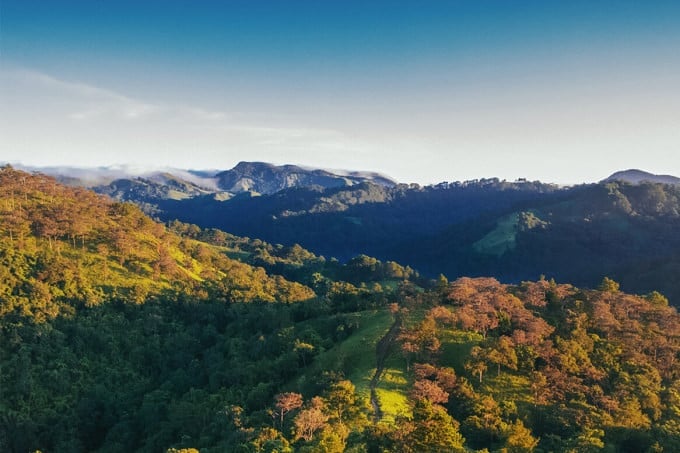
Located 300 km northeast of Ho Chi Minh City, Ta Nang - Phan Dung is a 55 km long trail spanning three provinces. Lam Dong , Ninh Thuan and Binh Thuan . This is one of the most beautiful trekking routes in Vietnam and is suitable for many age groups due to its moderate difficulty. Tourists without private vehicles can take a bus to Da Lat or Duc Trong district. From there, they can rent motorbikes to travel to the foot of the mountain or the trekking points.
The journey to conquer Ta Nang - Phan Dung usually takes about two days and one night, mainly involving long-distance travel and not climbing cliffs. The slope on the Ta Nang side is not too steep, and the route is beautiful with trees and plants growing on both sides. The Phan Dung side, however, is quite slippery, steep, winding, and lined with pine trees. In the evening, the summit of Ta Nang experiences strong winds and thick fog.
Bidoup Nui Ba
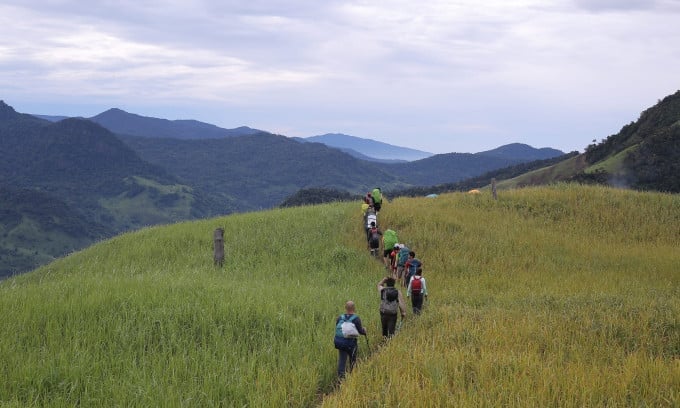
Bidoup - Nui Ba National Park, located in the Lam Vien Plateau, comprises two highest peaks: Nui Ba (2,167 m) and Bidoup (2,287 m). The park is situated in Lac Duong District and part of Dam Rong District, Lam Dong Province, a short distance from Ho Chi Minh City. Da Lat Approximately 50 km away, with hundreds of animal species and thousands of plant species, this is an ideal place for ecotourism and nature exploration.
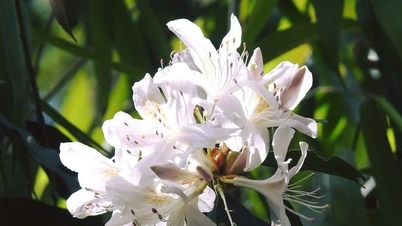
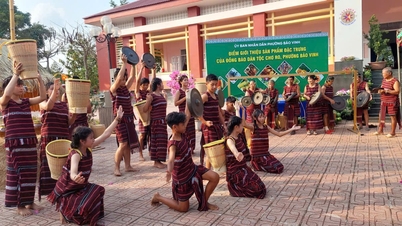
The Bidoup Nui Ba trekking route boasts diverse terrain and ecosystems, ranging from vast pine forests to dense primeval forests. Visitors traverse grassy hills, streams, and steep inclines, admiring rare plant species such as the flat-leaved pine, wild orchids, and centuries-old trees. December to April is the dry season, when wildflowers bloom profusely. The area is home to diverse wildlife including civets, muntjacs, pheasants, and gibbons. Visitors also have the opportunity to experience the life of the K'Ho people, enjoy local specialties like bamboo rice and rice wine, and participate in traditional gong and drum dances.
K50 Waterfall
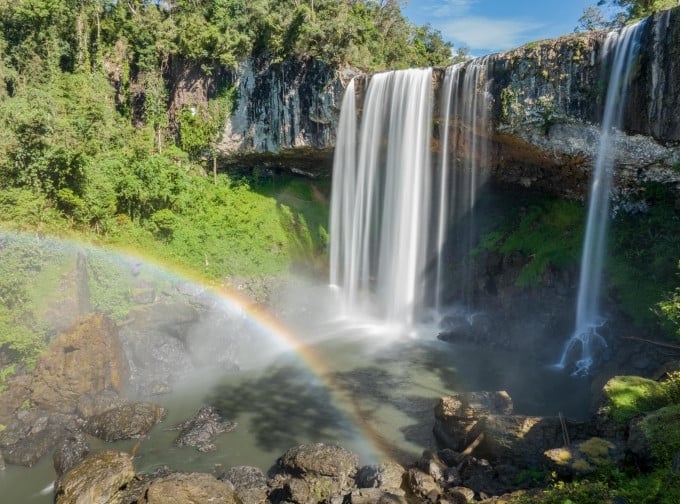
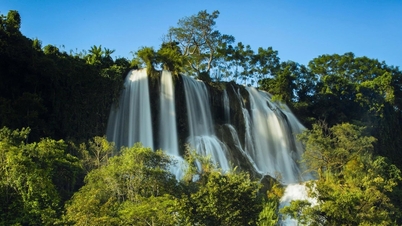
K50 Waterfall is located in the Kon Chư Răng nature reserve, K'Bang district, province. Located in Gia Lai, about 150 km from Pleiku City, the waterfall is also known as Hang En (Swallow Cave) because thousands of swallows nest behind the stream. Considered one of the most beautiful waterfalls in the Central Highlands, the water cascades from a height of over 50 meters into a lake, creating a giant cave-like structure covered in green moss, ferns, and wildflowers. Visitors can swim in the water but should be careful of submerged rocks.
January to June is the ideal time to conquer the waterfall thanks to sunny weather, less rain, and a calmer flow. Visitors can trek from two directions: the Kon Chư Răng nature reserve (towards Gia Lai) and An Lão commune (towards Bình Định) to reach the waterfall. The route is deserted, narrow, and difficult, so a forest ranger or local guide is recommended.
Hill 1600, ancient town of D'ran
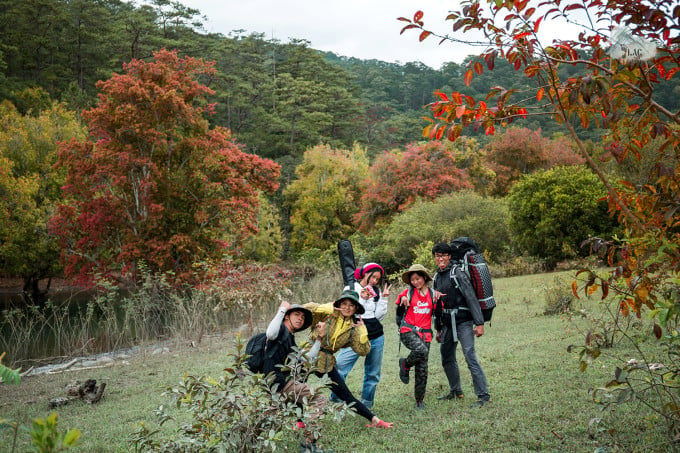
Hill 1600 was named by the locals themselves because it is located at an altitude of 1,600 meters in D'ran town, Don Duong district, Lam Dong province, bordering Ninh Thuan province, 35 km from Da Lat. Local people use this route daily to go to their fields, so the trail is easy to walk on and has a moderate slope.
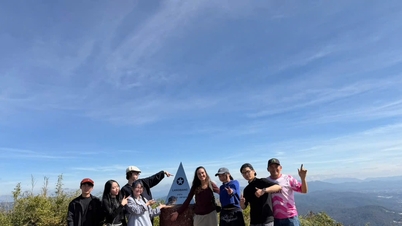
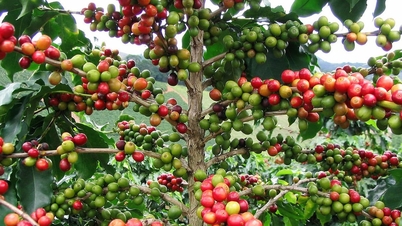
Starting from Su D'ran farm – the birthplace of Su D'ran specialty coffee for over 15 years – visitors can enjoy a cup of pure, clean coffee before embarking on their journey to explore Hill 1600. The climb is approximately 4 km long, passing through various landscapes of pine hills, primeval forests, fruit orchards, coffee plantations, and patches of cogon grass. In early February, the leaves of the Chinese elm trees change color, from orange, pink, red, to plum, then turning green in mid-May. From the hilltop, surrounded by majestic mountains, visitors can chase clouds and watch the sunrise the following morning.
P'ró Hill - Mò Pơr P'lieng Mountain
Also located in Don Duong district, P'ro Hill and Mo Por P'lieng Mountain are not as famous as other trekking destinations in the Central Highlands, so the landscape retains its pristine beauty. The climb to the summit takes approximately 4-6 hours for the 12 km distance. Before conquering the summit of Mo Por P'lieng Mountain at an altitude of 1,354 m, visitors traverse 4 km of pine forests and fruit orchards belonging to the old-growth P'ro forest.
Source

![[Photo] General Secretary and President To Lam meets with National Assembly delegates from ethnic minorities.](https://vphoto.vietnam.vn/thumb/1200x675/vietnam/resource/IMAGE/2026/04/20/1776696701056_a1-bnd-8331-3342-jpg.webp)


![[Image] National Assembly discusses the implementation of the socio-economic development plan.](https://vphoto.vietnam.vn/thumb/1200x675/vietnam/resource/IMAGE/2026/04/20/1776696707422_ndo_br_img-20260420-185419-jpg.webp)



















































































Comment (0)