Having multiple new sexual partners, believing that using condoms is safe, and using birth control pills to prevent infection are common misconceptions about sexually transmitted diseases.
Dr. Phan Chi Thanh, from the Outpatient Department of the Central Obstetrics and Gynecology Hospital, said that sexually transmitted diseases, if left untreated for a long time, can cause dangerous complications. However, the symptoms are not clear and are easily confused with other diseases. Furthermore, many people are complacent, don't believe they have the disease, or are reluctant to seek medical attention, leading to a worsening of the condition.
However, "anyone can get a sexually transmitted disease," the doctor said. The World Health Organization (WHO) estimates that around one million cases of sexually transmitted diseases (STDs) are recorded globally every day.
Doctors point out common misconceptions about sexually transmitted diseases:
100% protective condoms
This recommendation is inaccurate. Wearing a condom only covers the penis; other areas like the pubic area, scrotum, and groin can still be infected with diseases like genital warts. Therefore, in addition to wearing a condom, you need to maintain a healthy sexual lifestyle and be faithful to one partner.
There are many new sexual partners who have the disease.
According to doctors, this notion is incomplete because some people with only one sexual partner can still contract the disease due to unsafe sex. If there are multiple sexual partners, the risk of infection is higher. This misconception causes many people to feel ashamed, hesitant to tell their doctor, and even hide it from family members such as their spouse or partner, leading to many others being affected.
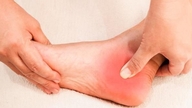


Infection can only be transmitted through vaginal intercourse.
Besides vaginal intercourse, other forms of sexual activity such as oral sex or manual sex also carry the risk of contracting genital warts, oral herpes sores, gonorrhea, and Chlamydia in the throat. Furthermore, protective measures for oral sex are not given enough attention, leading to many people contracting these diseases.
Taking birth control pills
Birth control pills only prevent unwanted pregnancies. For safe sex, you should use condoms and be monogamous with one partner.
Having sex once cannot transmit a sexually transmitted disease.
This is a common misconception among young people, especially those having sex for the first time. In reality, doctors see many cases of infections after just one sexual encounter, not only gonorrhea and Chlamydia, but also many other diseases such as HIV and hepatitis.
Sexually transmitted bacteria and viruses such as gonorrhea and Chlamydia can severely damage the male reproductive system, causing epididymitis, blockage of the vas deferens, and potentially leading to infertility and affecting future fertility.
In women, bacteria can cause retrograde infection from the vagina to the cervix and then spread to the fallopian tubes, leading to fallopian tube blockage. This is one of the causes of infertility in women.



Doctors recommend that the best preventive measure is monogamy. If you have sexual relations with someone new, you should learn about and openly discuss their sexual history. Using condoms is recommended for every instance of vaginal, oral, or anal sex to prevent infection.
Actively get vaccinated against HPV and Hepatitis B. If at risk of HIV infection, take PrEP daily as directed by the Ministry of Health . Proactively undergo regular health checkups every six months for screening, early detection, and timely treatment of diseases.
Minh An
Source link
![[Image] National conference summarizing one year of operation of the overall organizational model of the political system, the three-tiered government model.](https://vphoto.vietnam.vn/thumb/1200x675/vietnam/resource/IMAGE/2026/07/01/1782882811691_ndo_br_1-jpg.webp)

















![[Video] Weather forecast for tonight and tomorrow, July 2nd, 2026: Tropical depression likely to strengthen into a storm; many areas will continue to experience thunderstorms.](https://vphoto.vietnam.vn/thumb/402x226/vietnam/resource/IMAGE/2026/07/01/1782911026600_thumb-dem-png.webp)