The person behind Huong Tram's support
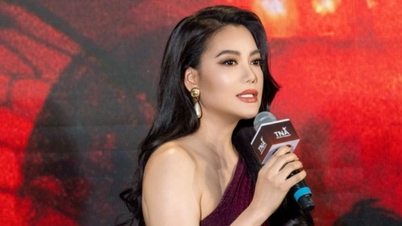
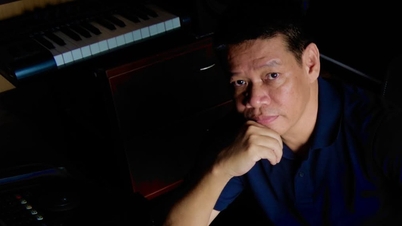
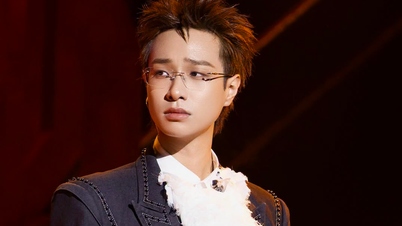
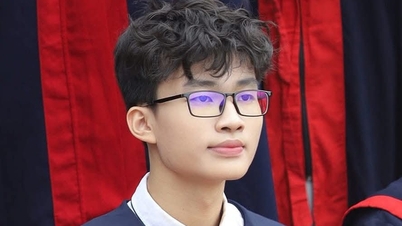
After a period of preparation, Huong Tram returns with the music video "Gai Nghe". Supporting Huong Tram is songwriter Ho Hoai Anh, the lyrics were written by writer Ha Quang Minh, the arrangement was by producer Duong K, and the mixing and mastering were completed by producer Hoang Huy Long.
Unlike the ballads that made him famous, the new product chooses contemporary folk material, combining pop, electro, and rock elements with lyrics that reflect the folk music style of Nghe Tinh.
Huong Tram stated that she is aware this is not a new direction in the music market, as many artists have explored folk culture in recent years.
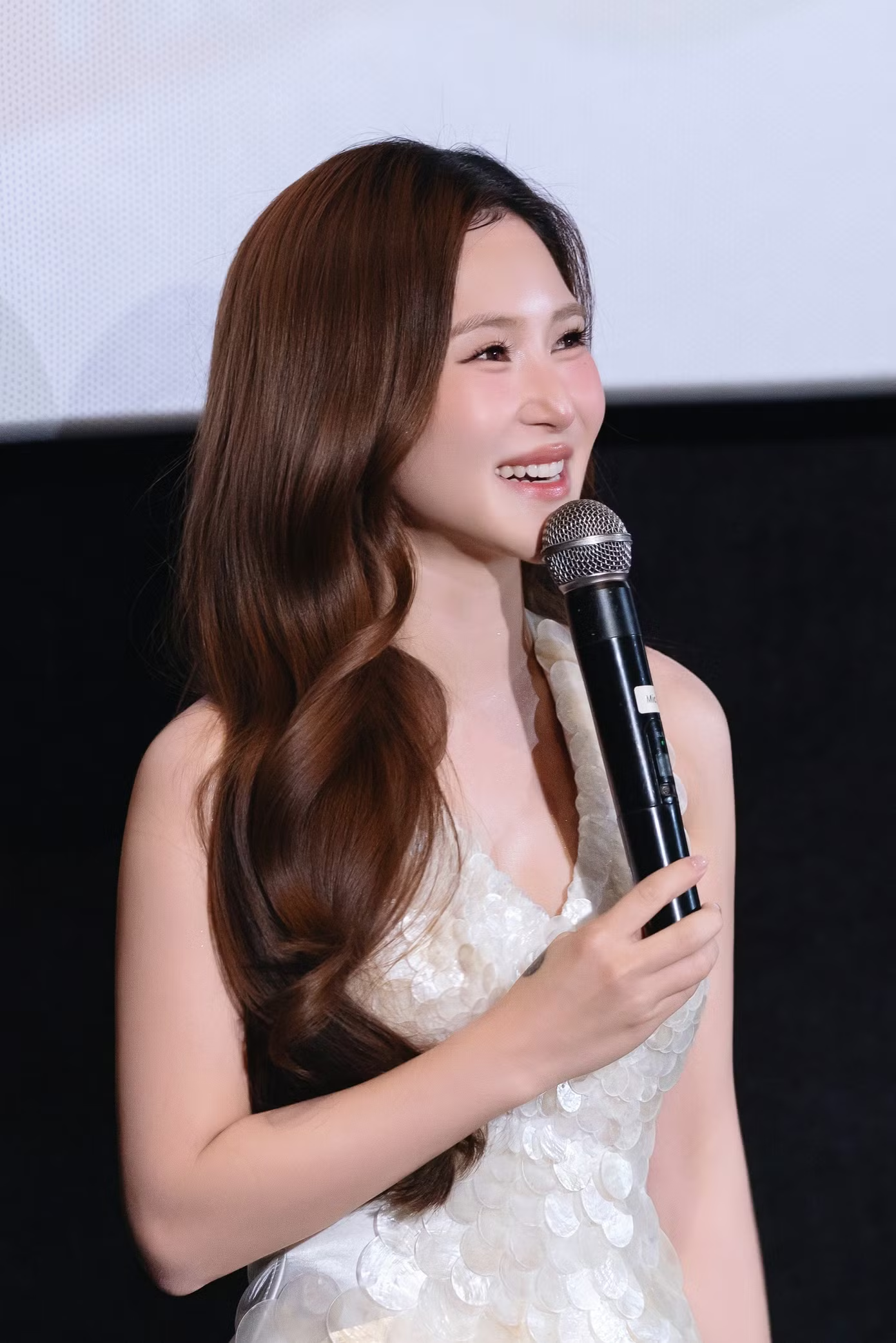
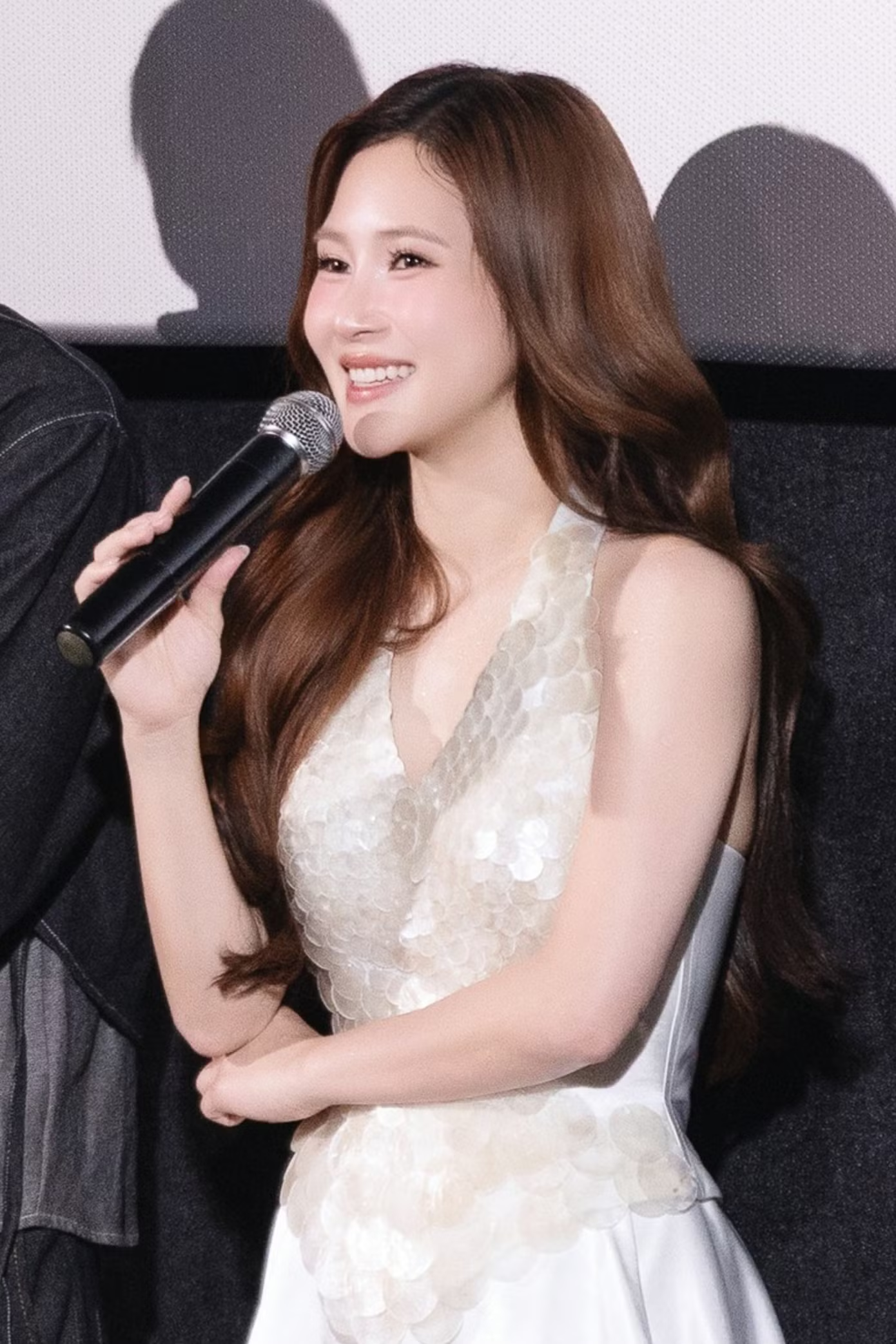
When asked if she felt pressured being a latecomer, the singer shared: "I am a latecomer, a successor – continuing the legacy of all those who came before me, and also continuing what my father has been doing for a very long time. Our ancestors had a saying about the flow of culture, and if it's a flow, whether upstream, midstream, or downstream, those are all very beautiful and important positions. I don't claim to be a trendsetter, but I will continue and make it even better every day."
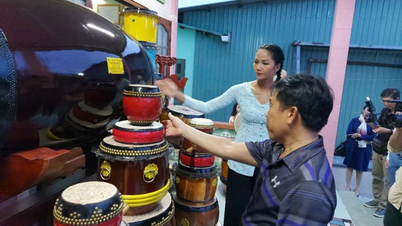
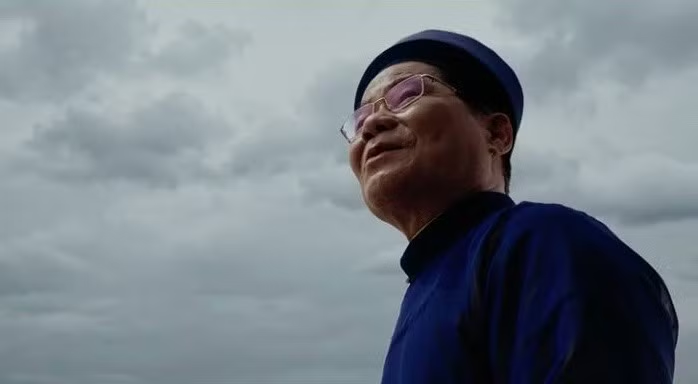
One of the notable aspects of the music video is the appearance of People's Artist Tiến Dũng in the folk singing segment. According to Hương Tràm, this is not just a guest appearance, but also a way for her to connect her family story with her musical product.
The singer added that the idea for "Gái Nghệ" (Nghệ Girl) originated from the advice of her father, People's Artist Tiến Dũng, who has been involved with the Ví Giặm folk music genre for many years.
"My father once told me that on my journey, if one day I slow down and have the time, I should do something, however small, to show my gratitude to my homeland. I will always remember those words," the singer recounted.
The singer of "Em gái mưa" (Rainy Girl) revealed that she didn't immediately start working on the project after hearing her father's advice, but spent many years researching to gain enough confidence in exploring the cultural elements of her homeland. People's Artist Tiến Dũng also supported her in creating the new music video.



"I'm a meticulous person. When it comes to cultural matters, I want to understand everything thoroughly before I do anything. In the 2000s, my father made music videos about folk songs and traditional melodies. He gave me strength on this journey. Only when I had all the answers, when music knocked on the right door, did I decide to make a music video," she said.
Huong Tram shared that the working process with musician Ho Hoai Anh went faster than expected. The female singer said the song was completed in just about two hours after she presented the idea.
"I think a song can't be written so quickly if the artist doesn't already have the right emotional connection. It's not about rushing, but about emotions that have been building up for a long time, waiting for the right moment to burst out into music," she added.
What can we expect from Huong Tram?
In the past, Huong Tram was known for her technically demanding ballads such as "Em Gai Mua" (Rainy Girl) , "Duyen Minh Lo" (Our Fate Is Broken ) , "Cho Em Gan Anh Them Chut Nua" (Let Me Be Closer to You a Little More) ... " Gai Nghe" (Nghe An Girl) shows that the female singer is experimenting with a new direction in both music and image.
The song uses a blend of pop, electro, and rock. The lyrics are based on the folk singing style of Nghe An and many familiar colloquialisms. Phrases like "If you love, love firmly; if there are problems, let them be problems completely" or the image of "a rabbit standing at the edge of the forest" are kept close to the folk expressions.
The lyrics also draw on the folk saying "The road to Nghe An is winding" to build the image of a woman from Nghe An. The overarching message of the song is based on the contrast between the "winding road" and the straightforward nature of the female character's feelings.
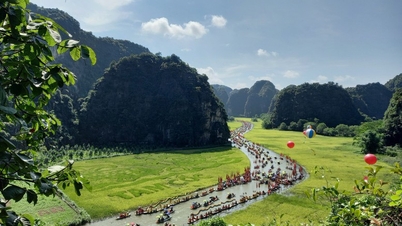
The music video was filmed in various locations in Nghe An, utilizing familiar settings such as Vinh Market, old residential areas, the stadium, and many details associated with local life such as rickshaws, floral mats, plastic chairs, and the jerseys of Song Lam Nghe An Club.
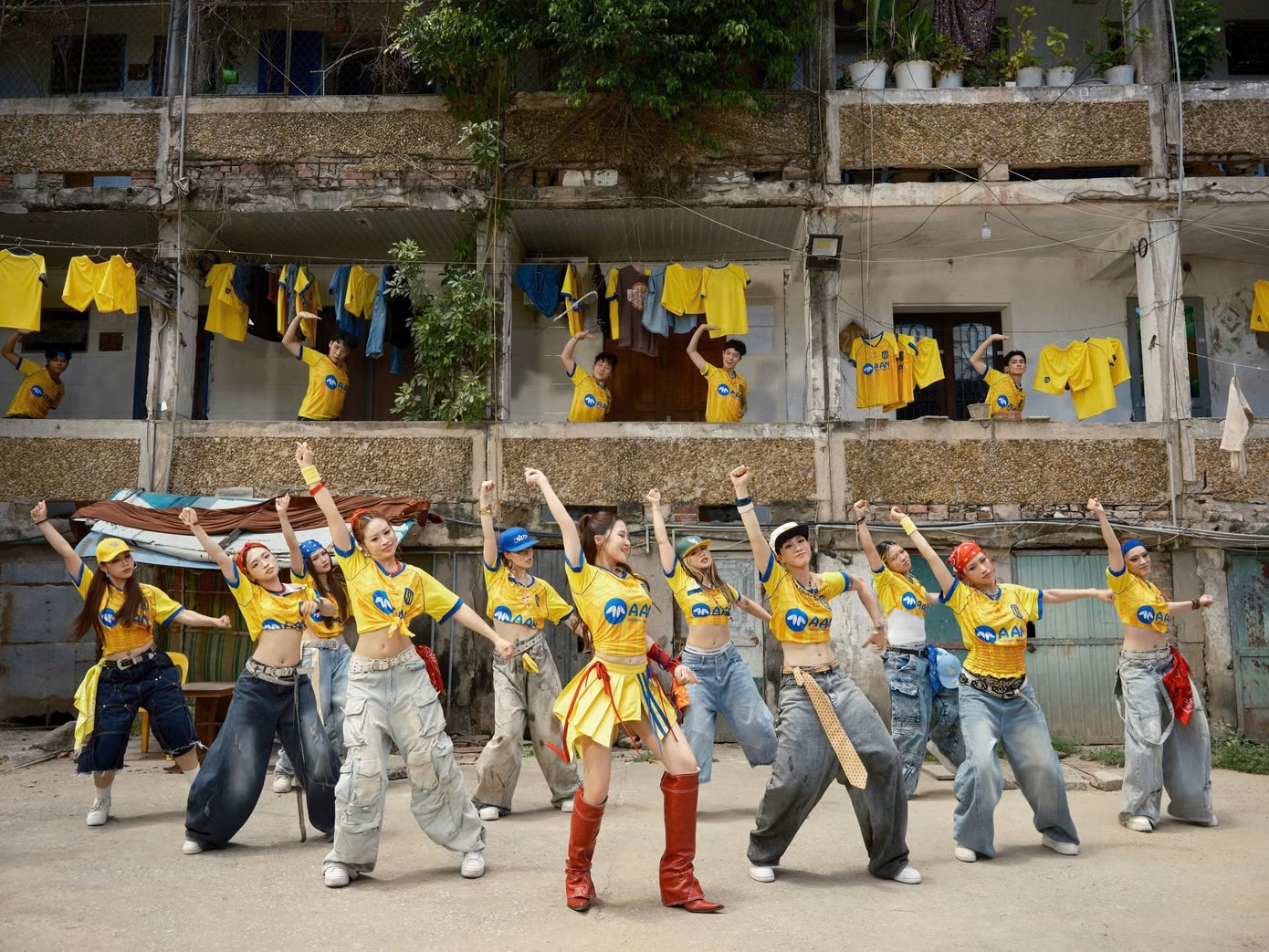
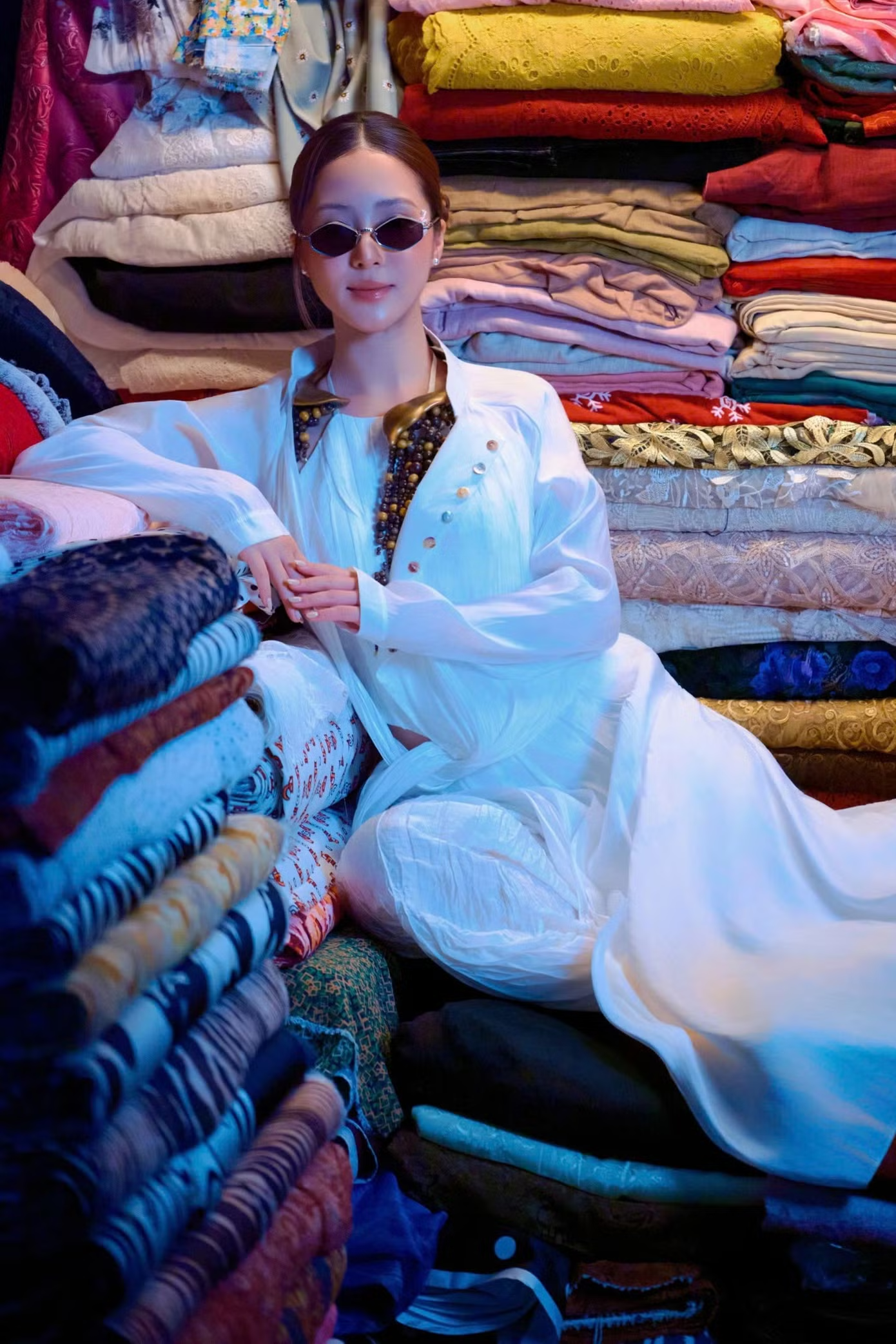
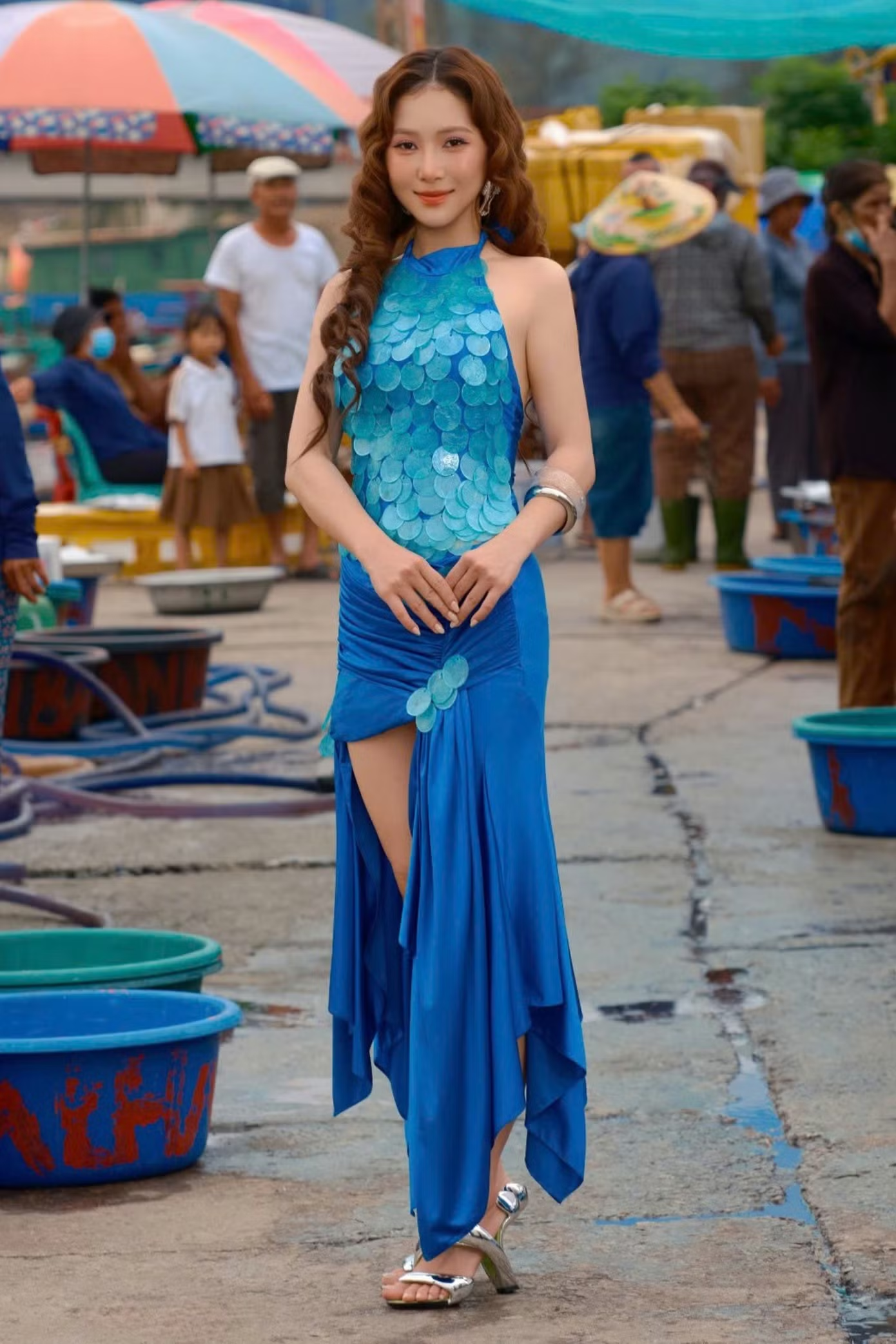
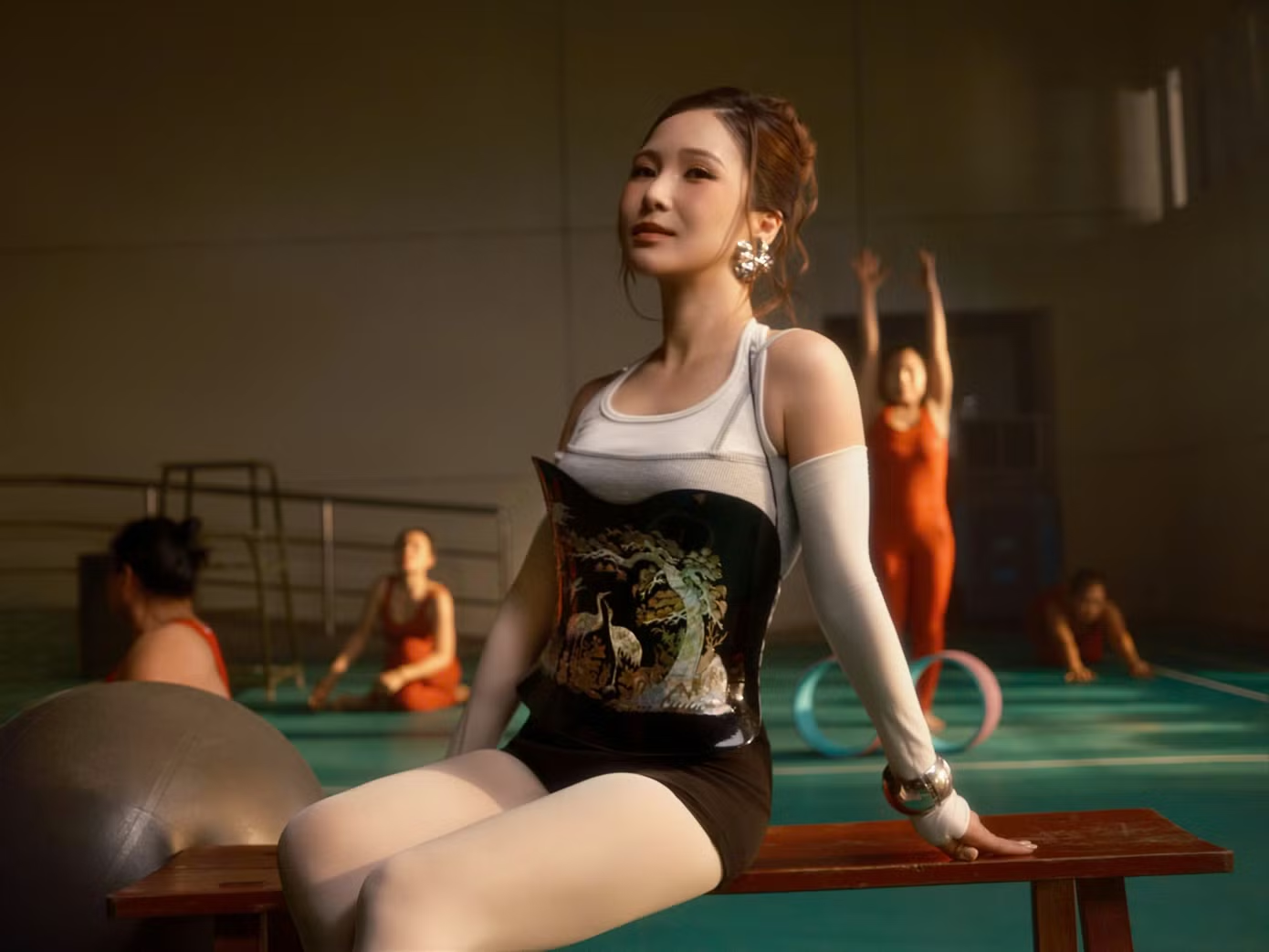



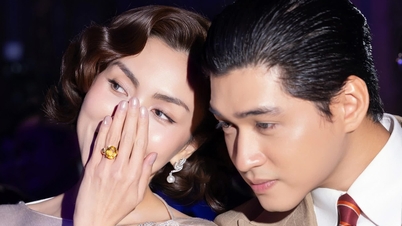
Instead of recreating the homeland in a nostalgic way, the team chose to combine elements of everyday life with modern fashion language and staging. The choreography is built around large formations, incorporating many decisive movements to create a contrast with the traditional imagery.
According to Huong Tram, the name "Gai Nghe" (Nghe Girl) carries three layers of meaning. "Nghe" refers to Nghe An - her hometown, and also to "artist," the path she is pursuing. It also alludes to "art," a value passed down from her family with a tradition in folk music.
After many years in the industry, this is the first time Huong Tram has chosen to directly explore the identity of her hometown in a music project. Instead of focusing solely on her strength in ballads, which helped build her reputation, the singer is expanding her scope of experimentation to music with local cultural influences, while also changing her image building approach.
The choice of contemporary folk music also places Huong Tram in line with a trend that many Vietnamese artists have been pursuing in recent years. Instead of emphasizing innovation, the singer said she sees this as a journey of continuing existing cultural values and a way to express her love for her homeland through music.
The audience's reception of "Gái Nghệ" (Nghe An Girl) is the first measure of Huong Tram's new direction, after a period where the female singer mainly worked abroad and gradually returned to the domestic music market.
Source: https://tienphong.vn/ai-dung-sau-huong-tram-post1856268.tpo