

The border region is not only becoming warmer but also increasingly secure, serving as a foundation for socio-economic development and the protection of national sovereignty .
Creating sustainable livelihoods
One of the most notable achievements is the Ia Mơr irrigation project, with a total investment of over 3,000 billion VND, providing irrigation water for more than 14,000 hectares of crops in the two provinces of Gia Lai and Dak Lak . Thanks to this project, many areas previously left fallow during the dry season are now covered in green rice paddies, opening up a stable production direction for people in the border region.
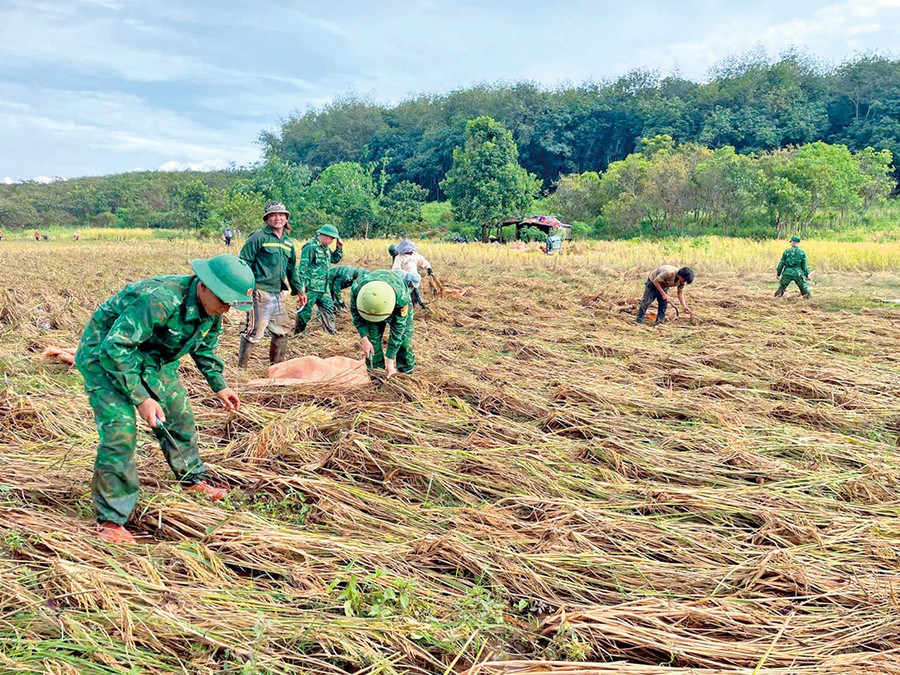
In the final days of the year, in the fields of Klăh village (Ia Mơ commune), Mr. Rmah Hinh is busy harvesting the winter-spring rice crop. He said that in the past, the villagers could only grow one rice crop relying on rainwater, resulting in low yields, so hunger lurked after each lean season. “Since the irrigation canal brought water, my family has been able to grow two rice crops. This season alone, we expect to harvest about 30 bags (approximately 1.5 tons) from 3 sao (approximately 0.3 hectares) of rice. With water, the villagers feel much more secure in their production,” Mr. Hinh shared.
Sharing the same joy, Ms. Siu Thoai (Klăh village) said that thanks to a stable water supply and learning farming techniques from people from the northern provinces who have come to live here, the Jrai people here have become accustomed to producing two rice crops per year. "Before, we only did one crop, and we often lacked rice. Now that we can do two crops, hunger is gradually receding, and life is less difficult," Ms. Thoai said.
According to Mr. Nguyen Tuan Anh, Vice Chairman of the People's Committee of Ia Mo commune, by the end of 2025, the poverty rate in the entire commune will decrease to 6.8%, striving to reach below 5% by 2030. "The fact that people can grow two rice crops per year instead of one crop dependent on rainwater is a fundamental shift in production thinking," Mr. Tuan Anh affirmed. The local authorities are also persistently encouraging people to retain their agricultural land and not sell it, considering this a foundation for long-term sustainable development.
In Ia O commune, poverty reduction efforts are implemented through providing livelihoods coupled with guidance on production techniques. Puih Líu (from Mít Kom II village) recalls that with 14 million VND in support, his family was able to buy a pair of breeding cows. Since then, the mother cows have given birth to four healthy calves. “In just a short time, when we sell the calves, our family will have money to provide for our children’s education,” Líu said emotionally.
Thanks to training and guidance on proper cattle care, many households have built up herds of 8-10 cows starting with just one. In 2025 alone, five households in Mít Kom II village are expected to escape poverty through this model. Chairman of the Ia O Commune People's Committee, Phan Đình Thắm, emphasized: "Poverty reduction is not just about financial support; more importantly, it's about helping people change their mindset and methods, and improve their production capacity to rise above their circumstances."
Meanwhile, Ia Dom commune has become a shining example of sustainable poverty reduction in the border region. According to the commune's People's Committee Chairman, Le Trong Phuc, the poverty rate is currently 4.6%, with an average income of over 52 million VND per person per year. " Economic development is always linked to maintaining national defense and security, creating a solid border defense," Mr. Phuc affirmed.
In Ia Púch commune, the new rural development program has significantly changed the mindset and practices of the people. From relying on over 600 hectares of low-yield cashew trees, the villagers have switched to rice cultivation, combined with livestock farming and new production models. Mr. Siu Kim (from Chư Kó village) happily stated: “Before, we only grew cashews, so we didn't have enough to eat. Now, with rice paddies and irrigation, we can grow rice three times a year, and we have more than enough rice to eat all year round.”
Join hands for the border
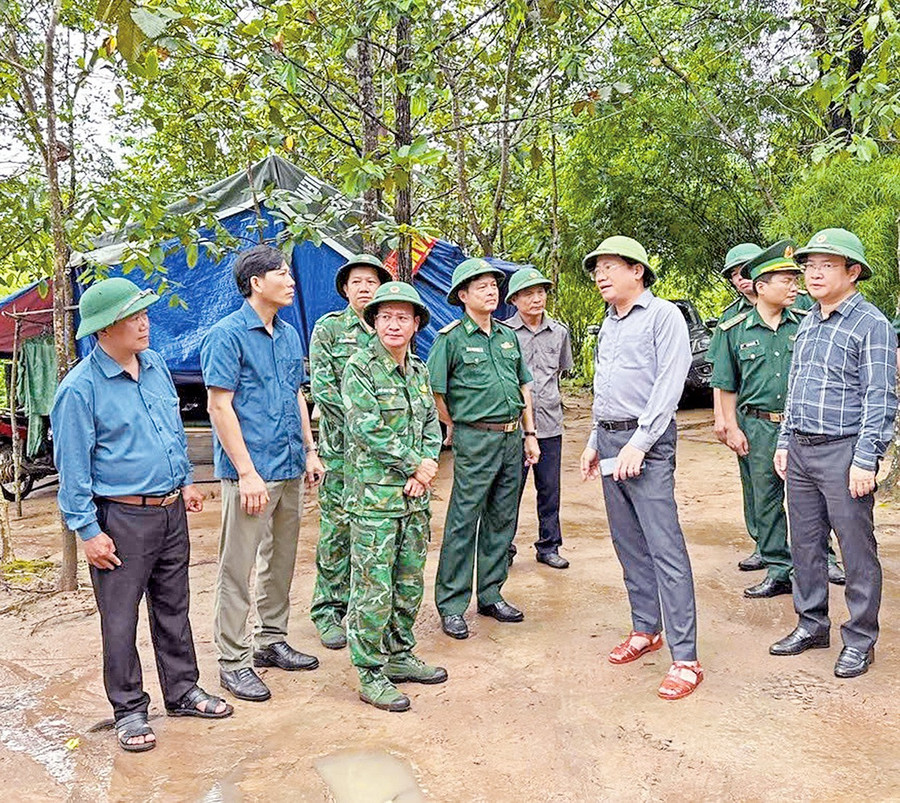
To ensure a prosperous border region, over the years, in addition to the attention of the Party committees and local authorities, the armed forces stationed in the area have collaborated in implementing many solutions to help the people achieve sustainable poverty reduction.
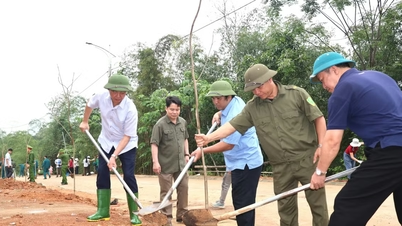
For over 40 years, officers and soldiers of the 15th Army Corps have been present on the western border of the province, pouring countless hours of sweat into transforming a barren land, riddled with the remnants of war, into vast green fields of coffee and rubber. Currently, the Corps has 5 economic-defense units stationed in the area, providing employment for over 10,000 local workers, more than 80% of whom are ethnic minorities.
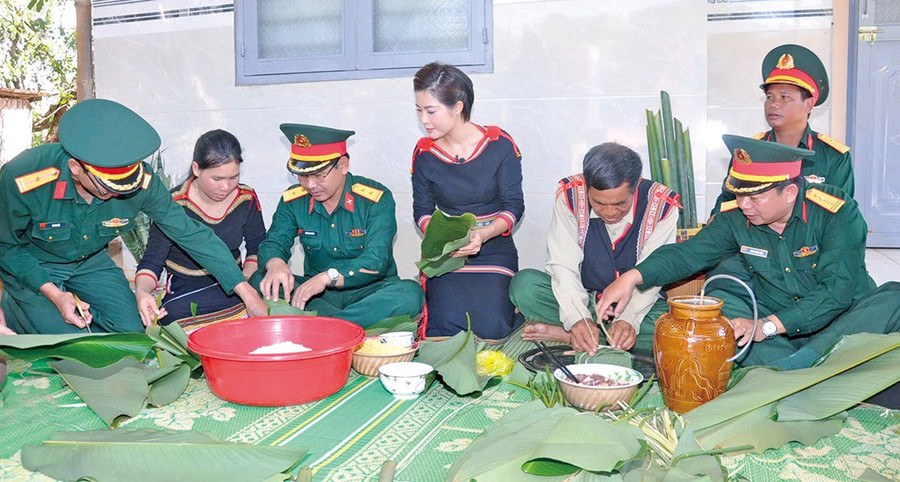
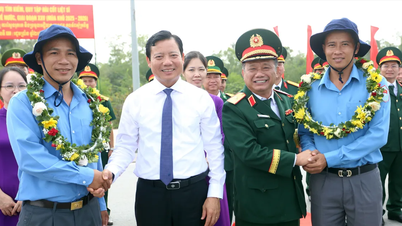
Major General Hoang Van Sy - Commander of the 15th Army Corps - shared: To successfully complete production and business tasks while ensuring national defense and security along the border, the unit always prioritizes doing a good job in civilian affairs and assisting the people in socio-economic development. In 2025, in response to the "Army joins hands to build new rural areas" movement, the units of the Army Corps mobilized more than 36,000 man-days to help the people; lent nearly 1,300 hectares of land for replanting rubber trees to grow crops; and provided support in terms of seeds, capital, and production materials with a total value of more than 8.6 billion VND.
In addition, the Corps invested 45.3 billion VND to repair and renovate 42.2 km of roads; 3.5 billion VND to build 20 rural bridges; 4.15 billion VND for 11 clean water projects; and donated nearly 400 breeding cows to poor and near-poor households with a total cost of over 8 billion VND.
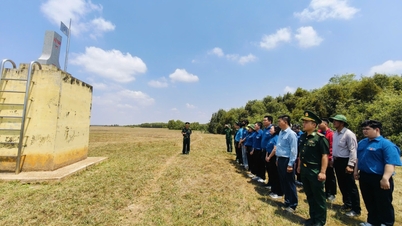
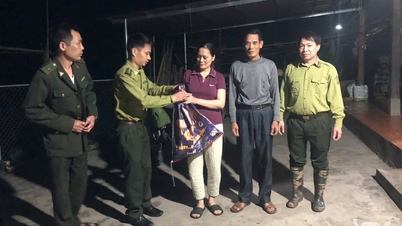
With the message "The outpost is our home, the border is our homeland, and the people of all ethnic groups are our brothers and sisters" and the motto "going to every alley, knocking on every door, checking every individual," the Border Guard Force of the province is not only the core force firmly protecting the sovereignty and security of the border, but also actively participates in poverty alleviation. The border guard force has assisted 321 poor and near-poor households under the "Helping one poor household every week" project; reinforced 7 officers to border communes; 49 Party members from border guard posts participate in activities at 49 village Party branches; and 194 Party members are responsible for 812 households with 3,307 people in the border area.
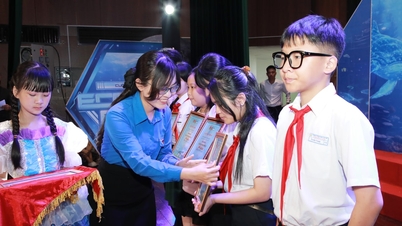
Colonel Tran Tien Hai, Deputy Commander of the Provincial Military Command and Commander of the Provincial Border Guard, stated: “Based on a thorough understanding, accurate forecasting, and assessment of the situation, every year, the Party Committee and the Command of the Provincial Border Guard proactively develop and implement plans and strategies for civilian outreach through concrete and practical actions.” Many effective models have been implemented, such as “Helping Children Go to School,” “Border Guard Foster Children,” “Charity Kitchens,” and “Helping One Poor Household Every Day”… Through these initiatives, the Provincial Border Guard has mobilized thousands of man-days to promote, educate, and assist the people in poverty reduction, ensuring that the image of the soldiers of Uncle Ho's Army always shines brightly in the hearts of the people in the border areas.
During his working visits to border communes, Chairman of the Provincial People's Committee Pham Anh Tuan affirmed that the Party and State always pay special attention to the Central Highlands, especially the border communes. The province will continue to propose long-term policies, focusing on investing in infrastructure, skills training, technology application and digital transformation, creating conditions for people in border areas to escape poverty sustainably.
From the rice paddies of Ia Mơ and the breeding cattle of Ia O to the flourishing appearance of Ia Dom, it is clear that the border region of Gia Lai is changing day by day. A prosperous border region is not just a wish for the new year, but is gradually becoming a reality through concrete, practical, and sustainable solutions from the grassroots level.
Source: https://baogialai.com.vn/am-no-mot-dai-bien-cuong-post579630.html
























![[Photo] Live Concert “Peaceful Hanoi” in the pedestrian area around Ho Hoan Kiem Lake.](https://vphoto.vietnam.vn/thumb/1200x675/vietnam/resource/IMAGE/2026/03/29/1774753509056_ha-noi-binh-yen-17-5239-jpg.)




































Comment (0)