So what should you eat and what foods should you limit to prevent cancer? Here are some recommendations from a modern nutritional perspective.
An unhealthy diet, consuming large amounts of processed foods, red meat, sugar, and unhealthy fats can increase the risk of cancer through mechanisms such as chronic inflammation, metabolic disorders, obesity, and weakened immunity.
Conversely, a diet rich in green vegetables, fruits, whole grains, and antioxidants helps protect cells, limit DNA damage, and inhibit the growth of cancer cells.
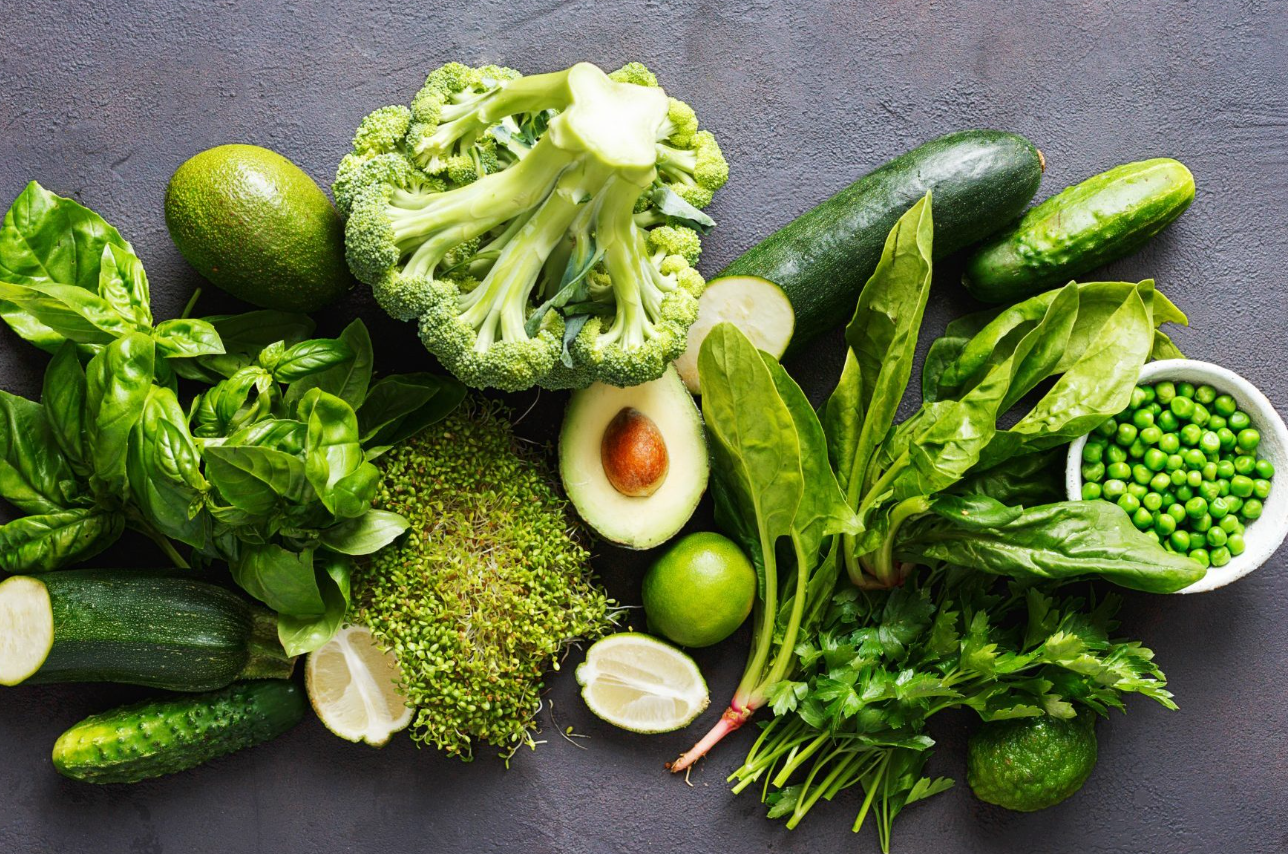
Vegetables and fruits are rich sources of fiber, vitamins, minerals, and antioxidants.
Dietary principles that help prevent cancer
Besides food choices, eating habits also play a crucial role in cancer prevention:
- Eat a variety of foods, ensuring a balance of all food groups.
- Increase your intake of fresh foods and limit processed foods.
- Prioritize healthy cooking methods such as steaming and boiling.
- Control your food intake to avoid being overweight or obese.
- Drink enough water every day.
The role of a healthy lifestyle
Diet is only one part of a cancer prevention strategy. For optimal results, it needs to be combined with a healthy lifestyle.
- Exercise regularly
- Do not smoke.
- Limit alcohol consumption.
- Get enough sleep.
- Stress management
These factors help boost the immune system, reduce inflammation, and protect the body against pathogens.
Foods to limit include:
- Processed meat
Processed meats such as sausages, bacon, and cured meats are often salted, smoked, or fermented. These foods contain nitrates and nitrites – substances that can be converted into carcinogenic compounds in the body.
Many international health organizations have classified processed meat as a substance that is possibly carcinogenic to humans, particularly in relation to colorectal cancer.


Adults should minimize their consumption of this food group, using it only in very small amounts, about once a week or less.
- Red meat and inappropriate cooking methods.
Red meats such as beef, pork, and lamb contain heme iron and certain compounds that can promote tumor growth if consumed in excess.
In particular, when cooked at high temperatures such as grilling, roasting, or deep-frying, red meat can produce harmful compounds such as polycyclic aromatic hydrocarbons (PAHs) and heterocyclic amines (HCAs). These substances have been shown to damage DNA and increase the risk of cancer, especially stomach and gastrointestinal cancers. Therefore, red meat consumption should be limited, and healthier cooking methods such as boiling and steaming should be prioritized.
- Sugar and refined starch
Consuming excessive amounts of sugar and refined carbohydrates does not directly cause cancer, but it indirectly increases the risk through mediating factors such as obesity, chronic inflammation, insulin resistance, and type 2 diabetes.
Sweets, soft drinks, and sugary beverages provide "empty" calories, have little nutritional value, disrupt metabolism, and weaken the immune system.
According to recommendations, adult men should consume less than 37.5g of sugar per day (approximately 9 teaspoons), while women should consume less than 25g (approximately 6 teaspoons). This includes sugar found in food and condiments.
Foods that should be increased include:
- Green vegetables and fruits
Vegetables and fruits are rich sources of fiber, vitamins, minerals, and antioxidants. These nutrients help to: neutralize harmful free radicals; reduce inflammation in the body; support the digestive system; and inhibit the growth of cancer cells.
Dark green vegetables like spinach and broccoli; red and orange vegetables like carrots and tomatoes; and colorful fruits like oranges and berries are all recommended for regular consumption.
A colorful and varied diet not only provides adequate nutrients but also contributes to the prevention of many types of cancer.
- Whole grains
Whole grains such as oats, brown rice, and barley are rich in fiber and beneficial plant compounds. Fiber helps improve the gut microbiome, reduces the time waste remains in the intestines, and thus lowers the risk of colorectal cancer.
In addition, whole grains help stabilize blood sugar and reduce insulin resistance – a factor linked to the development of cancer cells.



- Nuts
Nuts such as almonds, walnuts, chia seeds, and flax seeds are rich sources of healthy fats, vitamins, and antioxidants. Almonds are rich in vitamin E and flavonoids, which help fight free radicals. Walnuts contain omega-3s, zinc, and magnesium, which have anti-inflammatory effects. Chia seeds and flax seeds provide fiber and polyphenols, which support cell protection.
Some studies suggest that regular consumption of nuts may help reduce the risk of breast and colorectal cancer.
In summary: Cancer is a complex disease with many causes, but the risk can be significantly reduced through a healthy diet and lifestyle.
Limiting processed meats, red meats, and refined sugars, while increasing consumption of green vegetables, fruits, whole grains, and nuts, will help protect the body against the risk of cancer.
Taking care of your health doesn't start with big things, but with the small choices you make every day at the table. A proper diet is the natural "shield" that helps you and your family live healthier lives each day.
Source: https://suckhoedoisong.vn/an-gi-de-giam-nguy-co-ung-thu-169260418163012816.htm







































![[Photo] Strengthening character and expertise: Intense training for artillery soldiers.](https://vphoto.vietnam.vn/thumb/1200x675/vietnam/resource/IMAGE/2026/06/30/1782815602541_lu-368-1875-4571-jpg.webp)