


Whole grains
Whole grains are a rich source of fiber, which helps support bowel movements, keeps stools soft, and prevents constipation.
In addition, whole grains contain many B vitamins, which help boost metabolism and energy levels, and support the functioning of the digestive system.
Therefore, whole grains such as brown rice, oats, buckwheat, etc., can be considered good for digestion and should be included in a daily diet.
Yogurt and kefir
Yogurt and kefir are both fermented dairy products, making them rich sources of probiotics – a group of beneficial bacteria that help maintain a balanced gut microbiome and support digestion.

Probiotics in yogurt help boost immunity.
In addition, probiotics in yogurt help boost immunity and reduce the risk of digestive diseases such as stomach ulcers and irritable bowel syndrome.
Banana
Bananas are good for digestion because they contain small amounts of the enzymes amylase and maltase, which help break down carbohydrates into simple sugar molecules that the body can easily absorb. Furthermore, they are rich in soluble fiber (pectin), which supports digestion and prevents constipation.
Additionally, bananas are rich in potassium, which helps maintain electrolyte balance, reduce muscle cramps and heart rhythm disturbances, and is especially useful for patients who are dehydrated due to diarrhea.
Pineapple
Pineapples contain a lot of bromelain, an enzyme that helps break down proteins into easily absorbable amino acids; therefore, it reduces the burden on the stomach to digest protein.
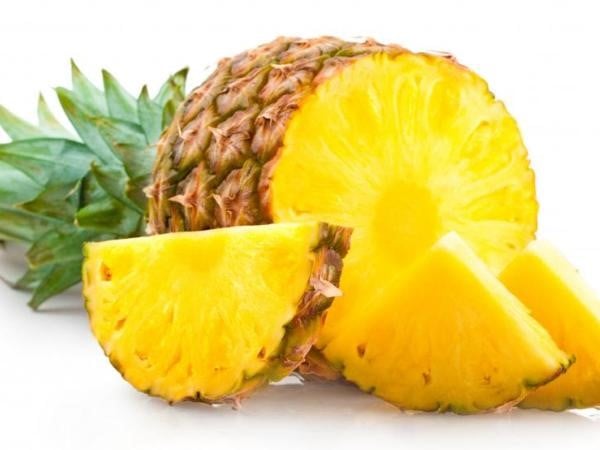
Pineapples are rich in bromelain, an enzyme that helps break down proteins into easily absorbable amino acids.
In addition, pineapple is rich in vitamin C and antioxidants (flavonoids, phenolic acids), which help boost immunity and protect intestinal cells from damage caused by inflammation.
Papaya
Papaya is good for digestion because it is a rich source of papain, an enzyme that can break down proteins, helping the stomach to improve the digestion of protein.
In addition, papaya contains a lot of soluble fiber, which helps improve both constipation and diarrhea, common in people with digestive disorders.
Ripe mango
Ripe mangoes contain a small amount of the enzyme amylase, which helps break down complex carbohydrates into simpler sugar molecules, making it easier for the intestines to absorb nutrients from food.
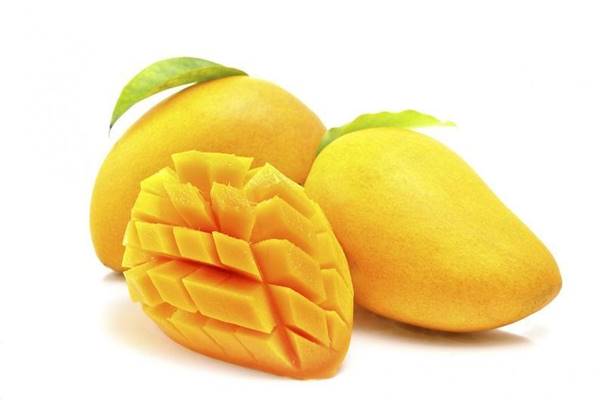
Mangoes contain vitamins A and C, which have antioxidant properties that help protect the lining of the intestines.
In addition, mangoes contain vitamin A and vitamin C, which have antioxidant properties that help protect the intestinal lining and other organs in the digestive system (liver, esophagus, stomach, etc.) from damage and inflammation.
Kiwi
Kiwis are also on the list of foods good for digestion because they contain the enzyme actinidin, which helps break down proteins and enhances the digestion of protein-rich foods in the stomach. Furthermore, kiwis provide a large amount of soluble and insoluble fiber, which helps regulate bowel movements and effectively prevents constipation.
Avocado
Avocados contain the enzyme lipase, which helps break down fats into easily digestible fatty acids, supporting more efficient fat absorption in the small intestine.
Additionally, avocados provide vitamin E, a powerful antioxidant that plays a crucial role in reducing oxidative damage, maintaining gut balance and mucosal barrier integrity, regulating inflammatory immune responses, and regulating the gut microbiota.
Garlic
Besides its delicious flavor, garlic is also good for digestion because it contains many prebiotics, which nourish the beneficial bacteria in the gut, thereby enhancing digestive and immune function and reducing the risk of digestive diseases.
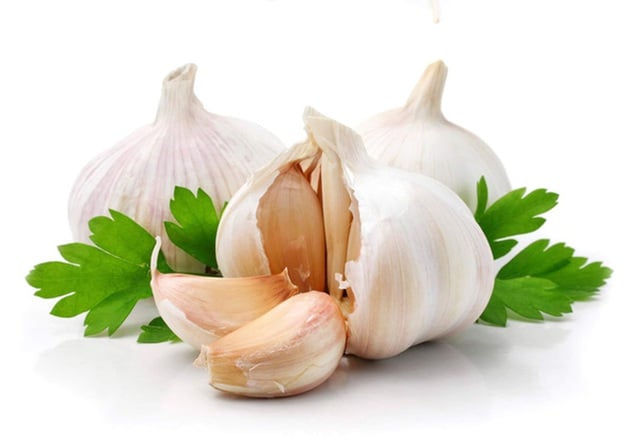
Garlic also contains allicin, a powerful antioxidant that can help protect the stomach lining from bacterial infections.
Additionally, garlic contains allicin, a powerful antioxidant that can help protect the stomach lining from infection and inflammation caused by the H. pylori bacteria.
Onion
Onions are also a rich source of prebiotics, which help boost the growth of beneficial bacteria in the gut. This improves digestion and supports gut health.
In addition, onions contain quercetin, a powerful antioxidant that helps reduce inflammation and protect digestive tissues from damage caused by free radicals.
Asparagus
Asparagus is a rich source of prebiotics, which help nourish beneficial bacteria in the gut and support immune system strengthening.
In addition, research shows that asparagus contains a large amount of flavonoids and saponins, two groups of powerful antioxidants with anti-inflammatory properties that support a healthy digestive system.
Apple
Apples are good for digestion because they contain plenty of soluble and insoluble fiber, which helps regulate bowel movements, prevent constipation, and support digestion. The soluble fiber in apples, such as pectin, also helps promote the growth of beneficial bacteria in the gut.
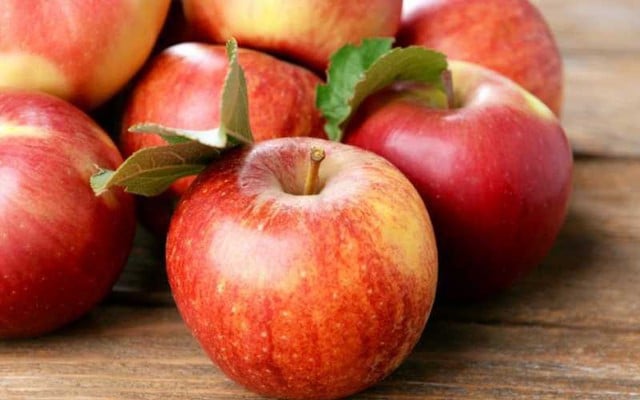
Apples are good for digestion because they contain plenty of soluble and insoluble fiber, which helps regulate bowel movements.
Apples are also rich in vitamin C. This is an important nutrient that helps boost the immune system to prevent inflammation and supports the formation of connective tissue (collagen) in the digestive mucosa, helping the mucosa recover quickly after damage and inflammation (if any).
Leafy green vegetables
Leafy green vegetables such as spinach, kale, and water spinach are rich in fiber, which supports bowel movements and prevents constipation.
They also contain plenty of vitamins A, C, E and glucosinolate antioxidants, which help protect intestinal cells from damage caused by inflammation, supporting the early prevention of certain conditions such as stomach ulcers or chronic inflammatory bowel disease.
Source: https://giadinh.suckhoedoisong.vn/an-gi-de-tot-cho-he-tieu-hoa-172250415215241032.htm





























































































Comment (0)