A fairytale village nestled in the heart of the windy capital.
Báo Quốc Tế•25/03/2025
Nestled amidst lush green palm hills, Thai Hai village appears like a fairytale village, perfectly preserving the cultural beauty of the Tay ethnic group. With its ancient wooden stilt houses, peaceful pace of life, and a community of over 150 people living together like one big family, Thai Hai is affectionately known by the locals as "the village where everyone shares meals and money."
Phuong Thao
17:59 | 25/03/2025
Nestled amidst lush green palm hills, Thai Hai village appears like a fairytale village, perfectly preserving the cultural beauty of the Tay ethnic group. With its ancient wooden stilt houses, peaceful pace of life, and a community of over 150 people living together like one big family, Thai Hai is affectionately known by the locals as "the village where everyone shares meals and money."
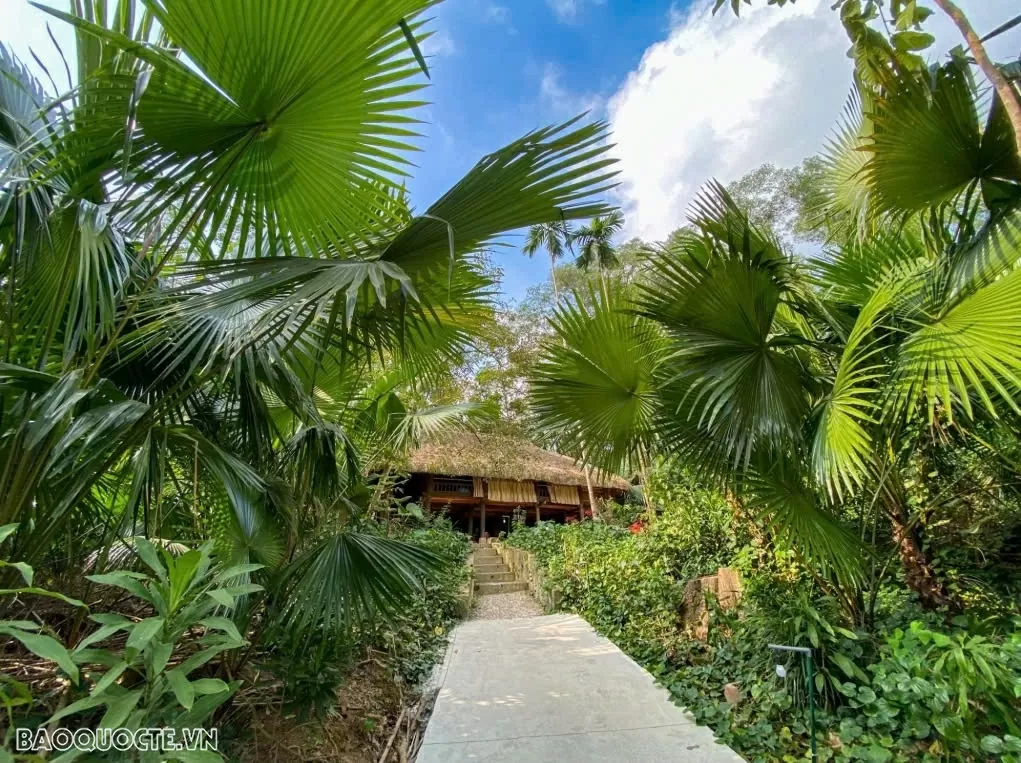
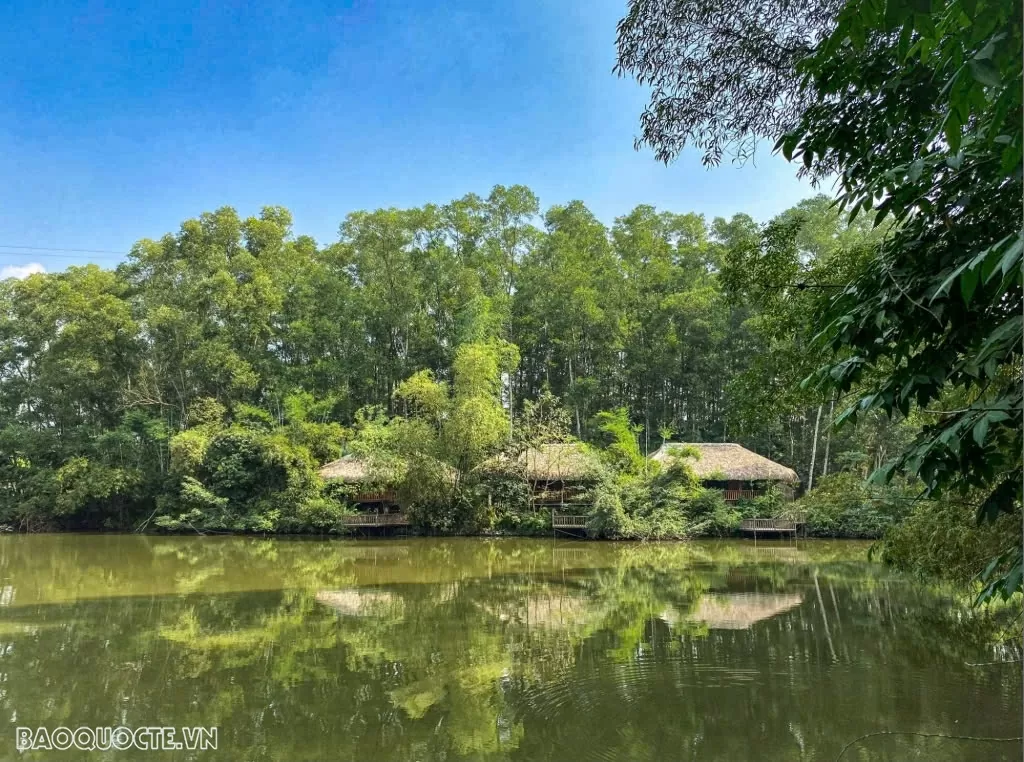
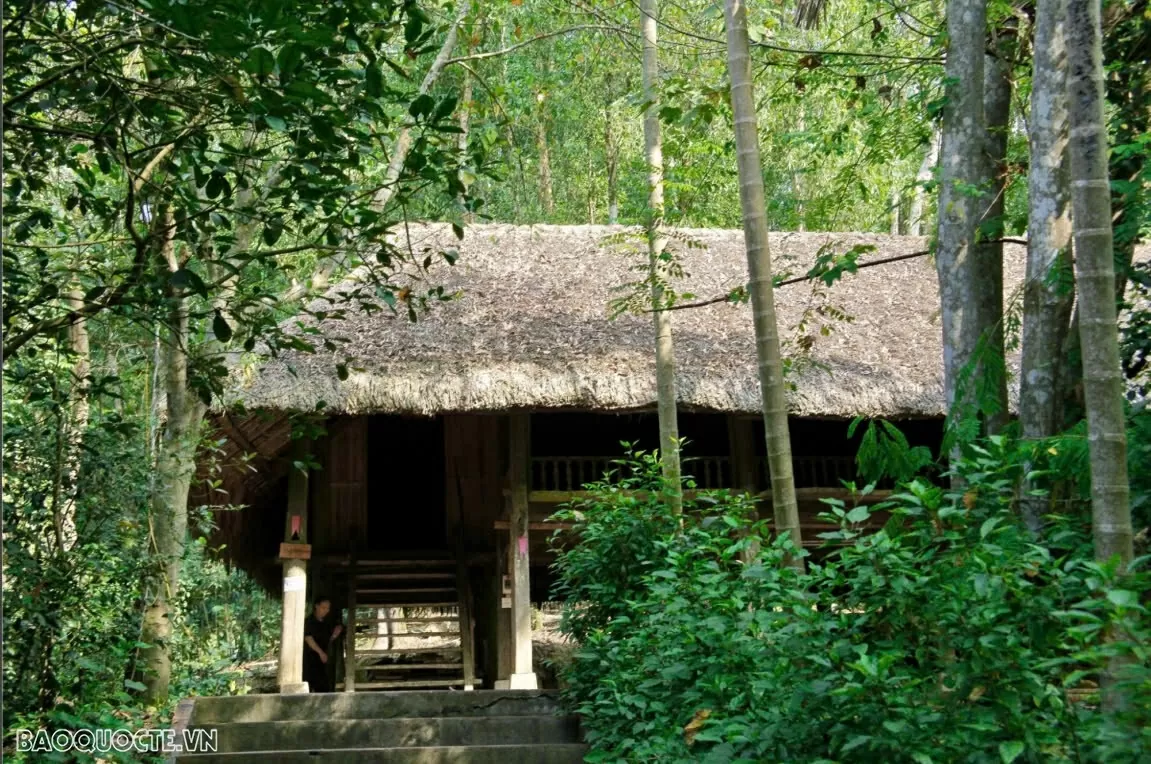
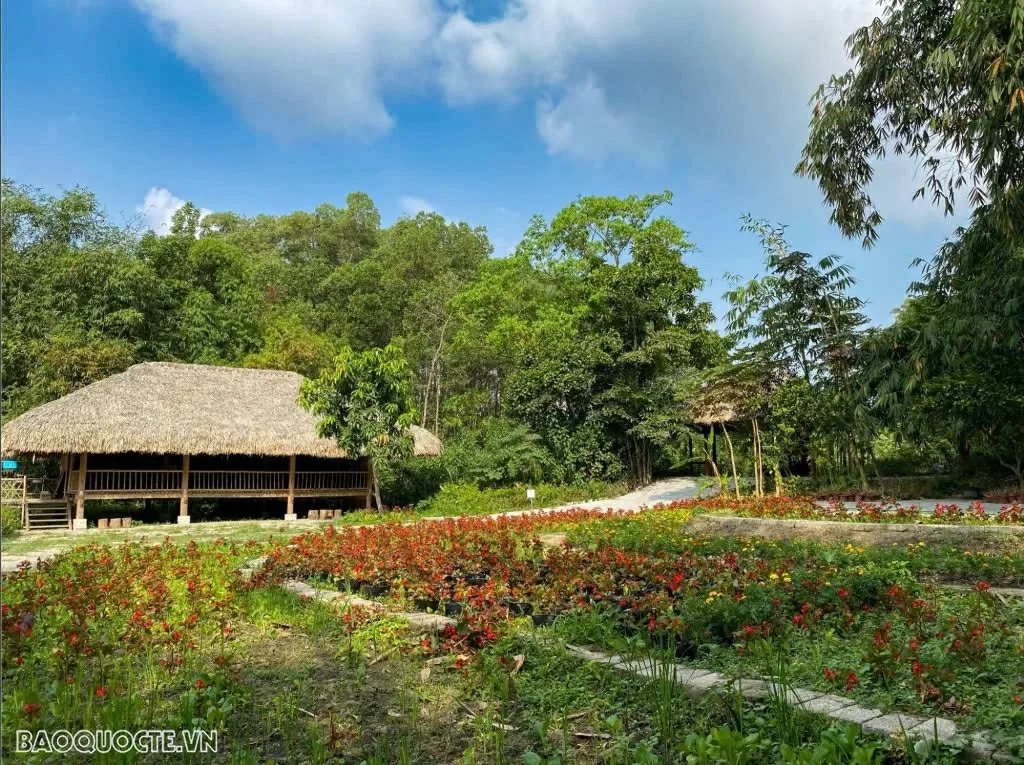
Thai Hai village, also known as the "Thai Hai Ethnic Ecological Stilt House Village Conservation Area," located in My Hao hamlet, Thinh Duc commune, Thai Nguyen city, Thai Nguyen province, comprises more than 30 stilt houses relocated from the revolutionary base area of Dinh Hoa. All bear the distinctive mark of the traditional architecture of the Tay ethnic group, primarily constructed of wood with thatched roofs made of palm leaves or straw, creating a rustic and cozy atmosphere. (Photo: Phuong Thao)
There are stilt houses that are up to 100 years old. (Photo: Phuong Thao)
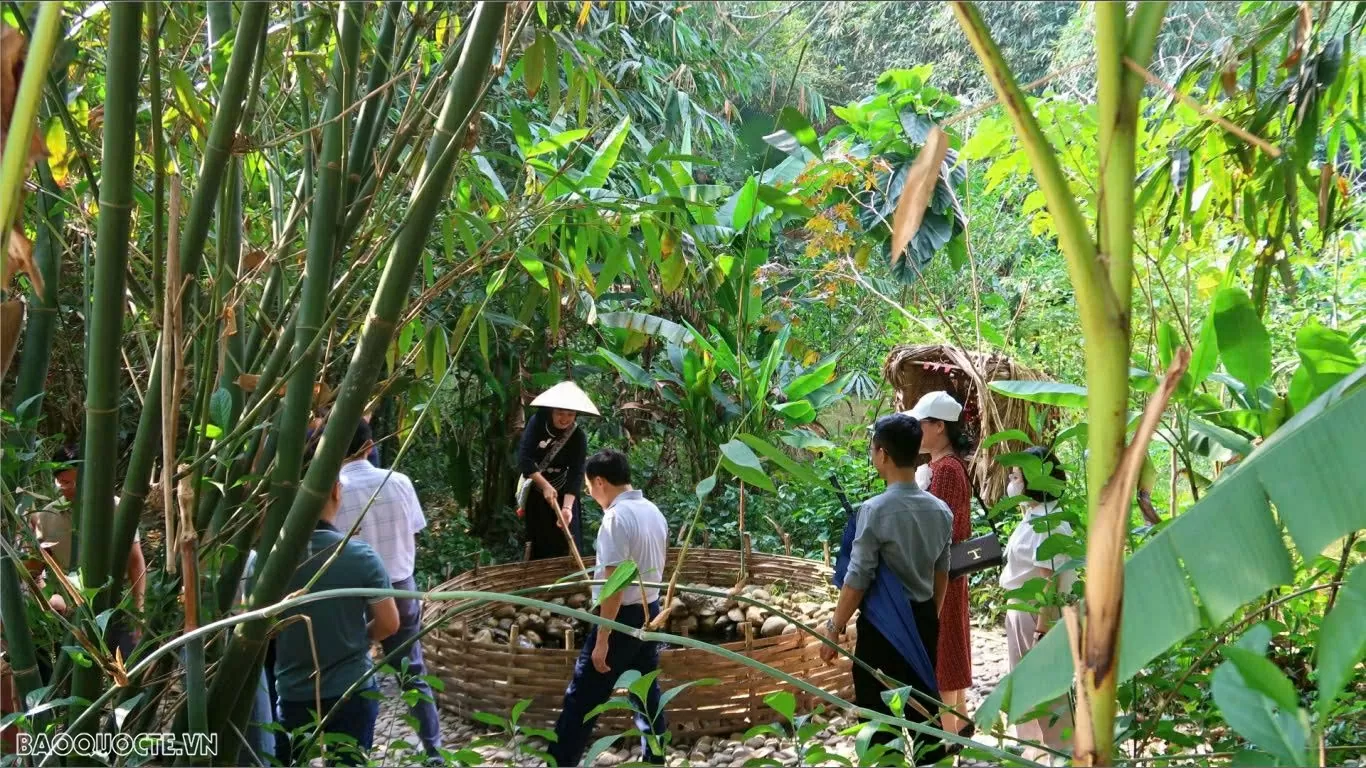
Before entering the village, everyone stops by the village well to wash their hands and feet. According to Ms. Ha Thi Hang, a villager, "This well has been here since the village was founded. The village chief brought water here with the hope of bringing peace and safety to the village and its descendants whenever they travel far, so that they can eliminate bad and negative thoughts and bring peace and good fortune to the village." (Photo: A Anh)
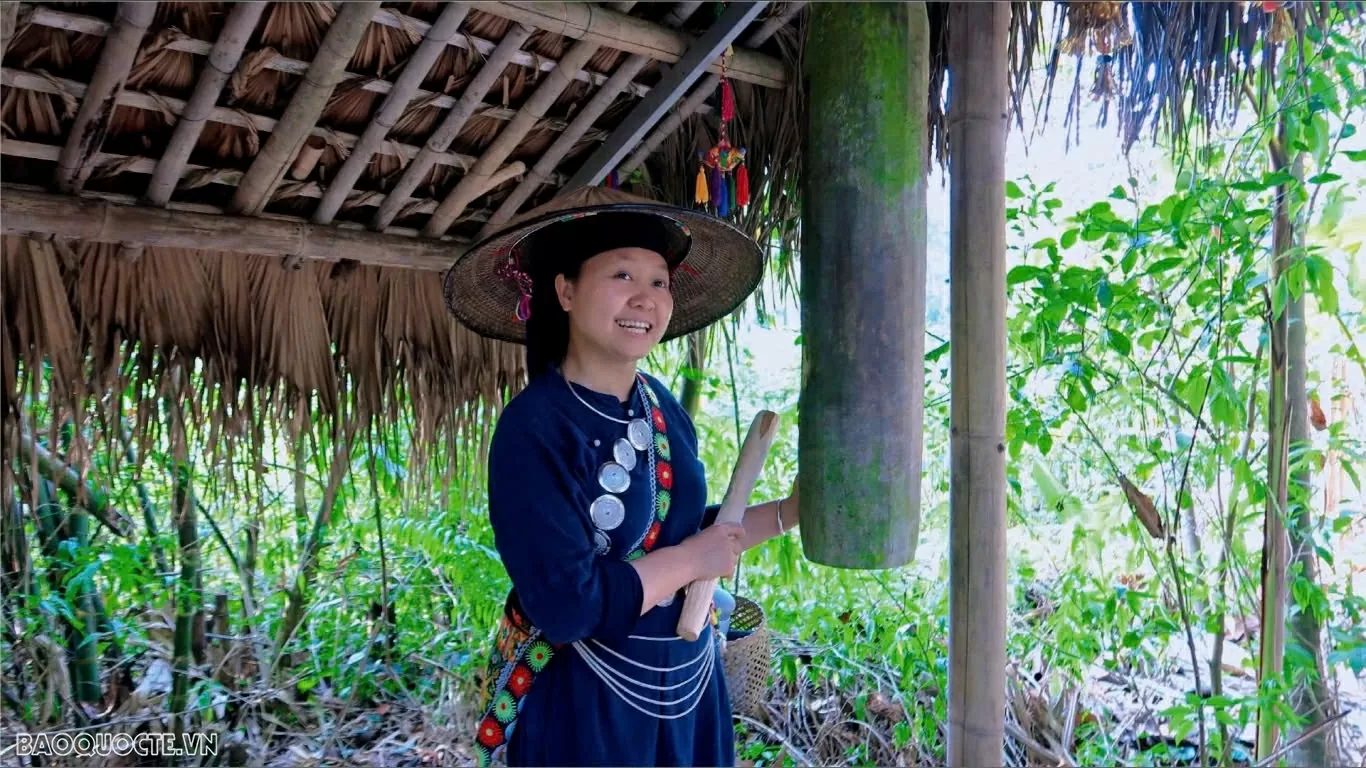
Right next to the well is the village gong, used to strike the bell to announce the arrival of "golden guests" and "silver guests" to visit the house. (Photo: Á Anh)
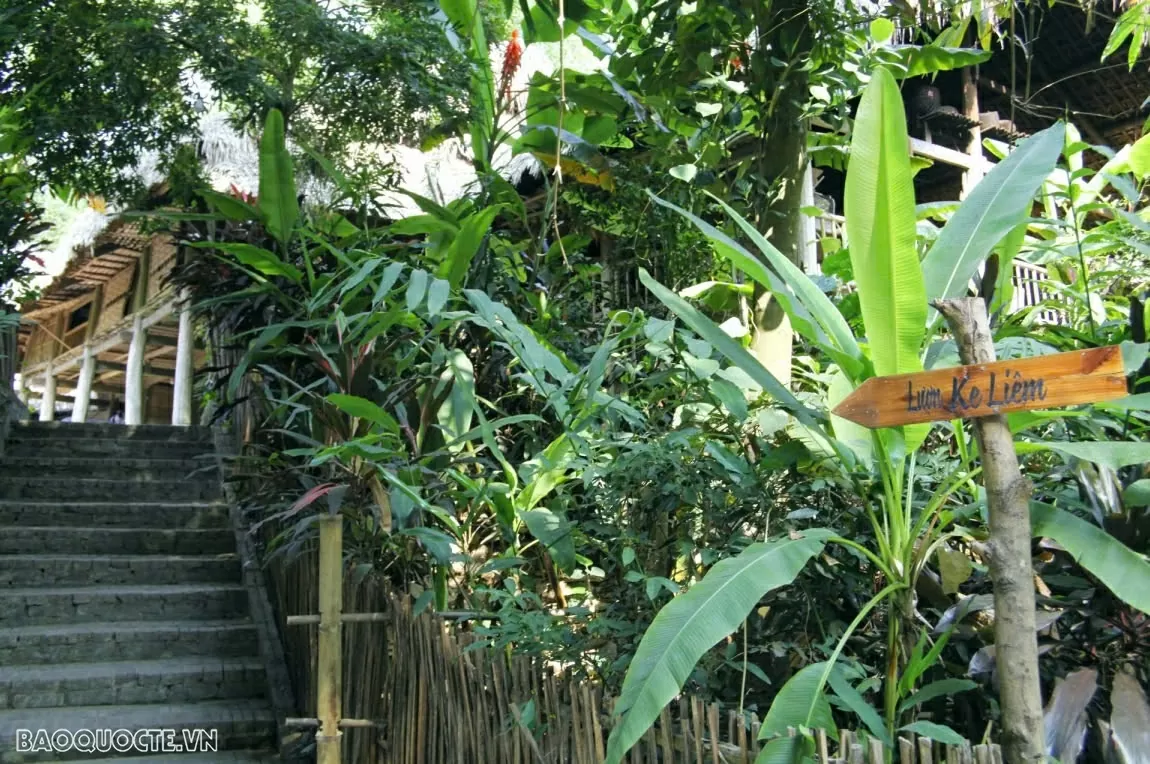
A small path leads up to the stilt houses of the villagers. Each stilt house has a specific role: a house for making medicine, a house for making tea, a house for making sticky rice cakes... (Photo: Á Anh)
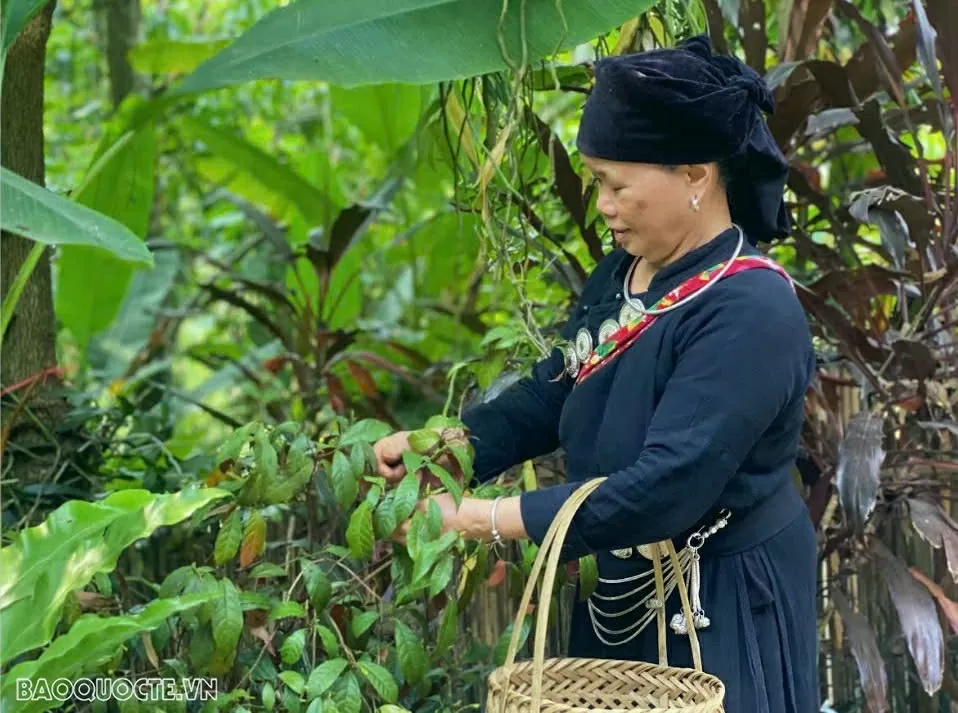
Around each stilt house, many kinds of medicinal plants are grown. When the Tay people take away any medicinal plant, they plant three in its place to preserve and protect the plant. Three plants are returned to the three Mường (villages): one to the Heavenly Mường (representing the gods), one to Mother Earth (the place that nurtures those plants), and one to the Human Mường, for future generations. (Photo: Thanh Bình)
The Tay people believe that nature, flowers, and plants all have souls. To gather medicinal herbs and make medicine, one must have a special connection and affinity. Before gathering herbs, they converse with the plant spirit, seek guidance, and observe certain taboos. (Photo: Á Anh)
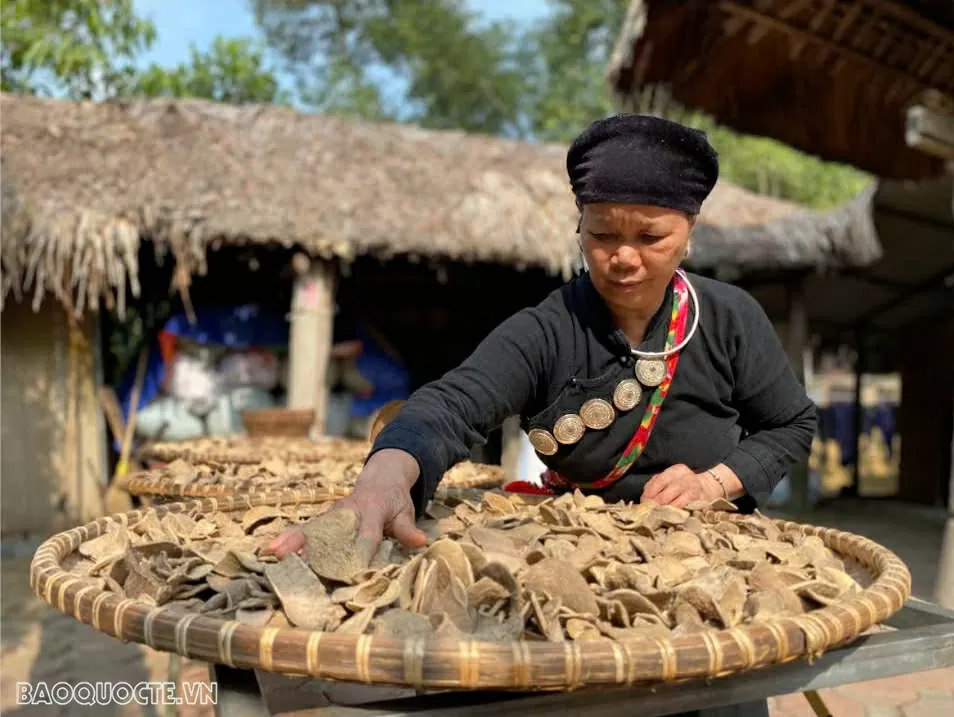
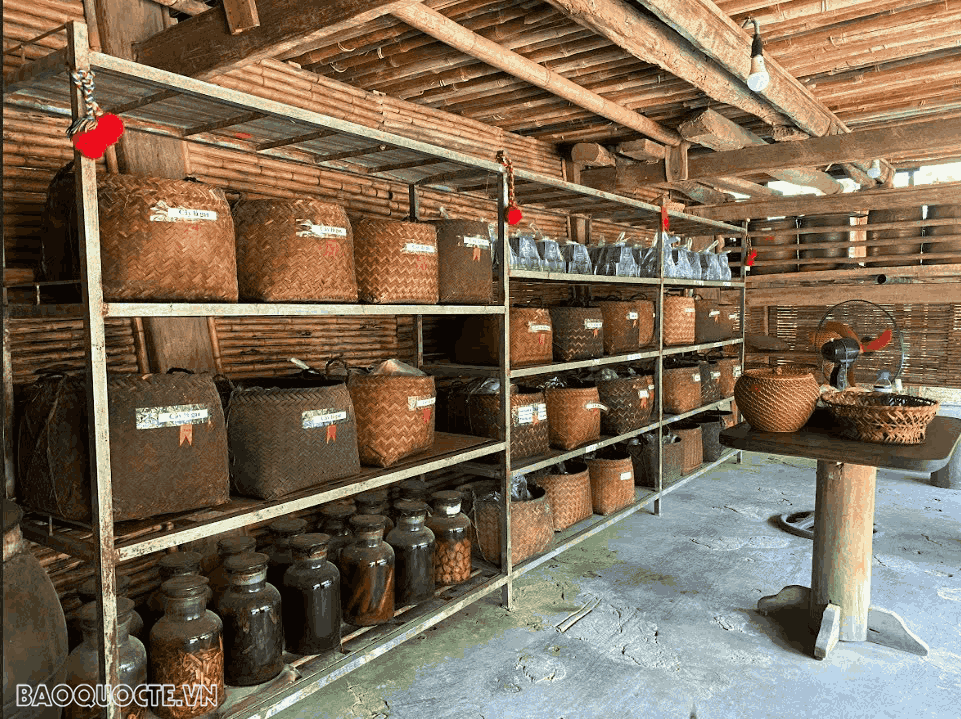
To date, Thai Hai village has enough of most traditional Vietnamese medicinal herbs, eliminating the need to go into the forest to gather them as before. (Photo: Phuong Thao)
Every day, the villagers go to the traditional medicine shop to get herbs, teas, and other medicinal ingredients to improve their health. (Photo: Le Nhan)
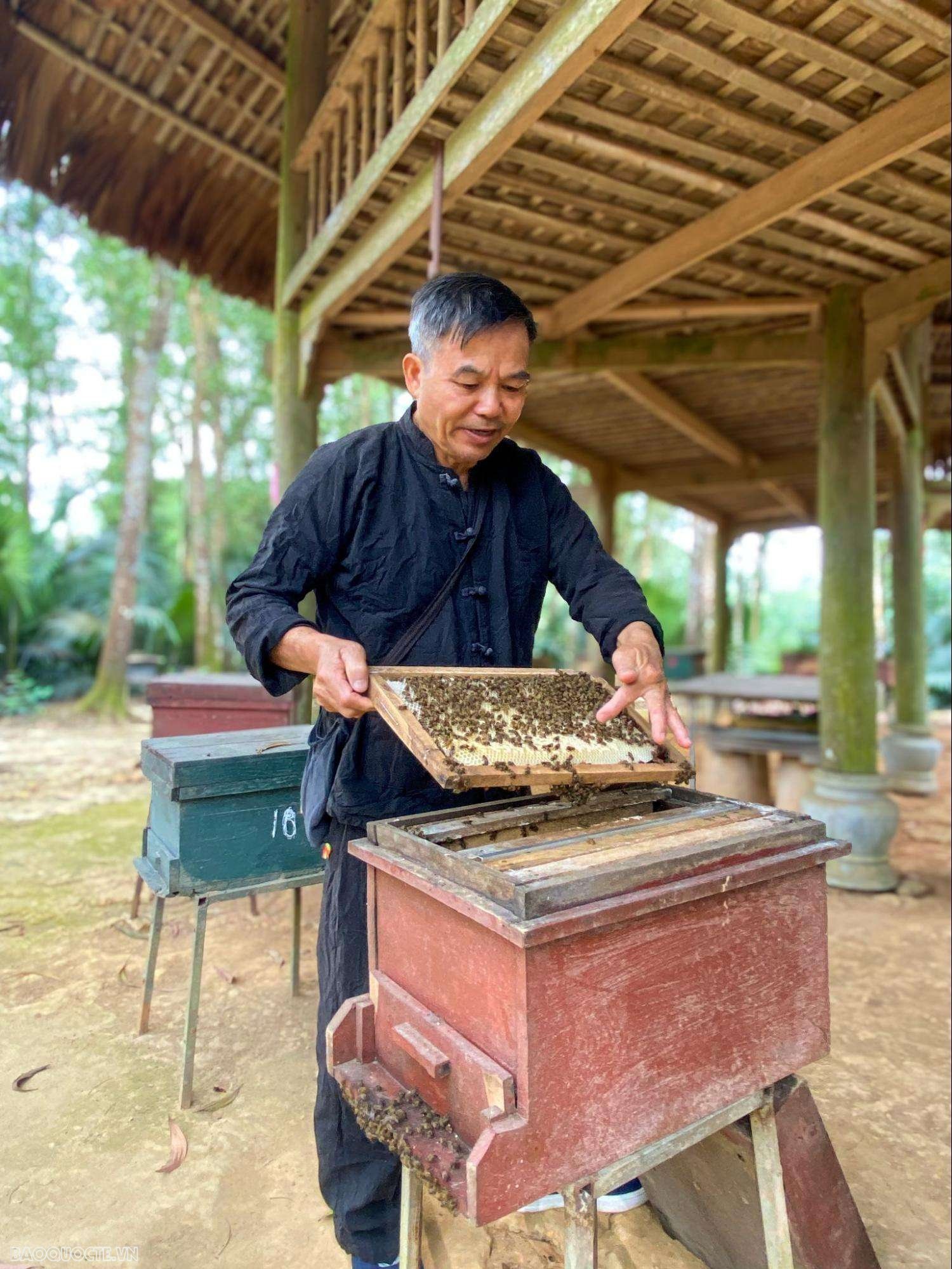
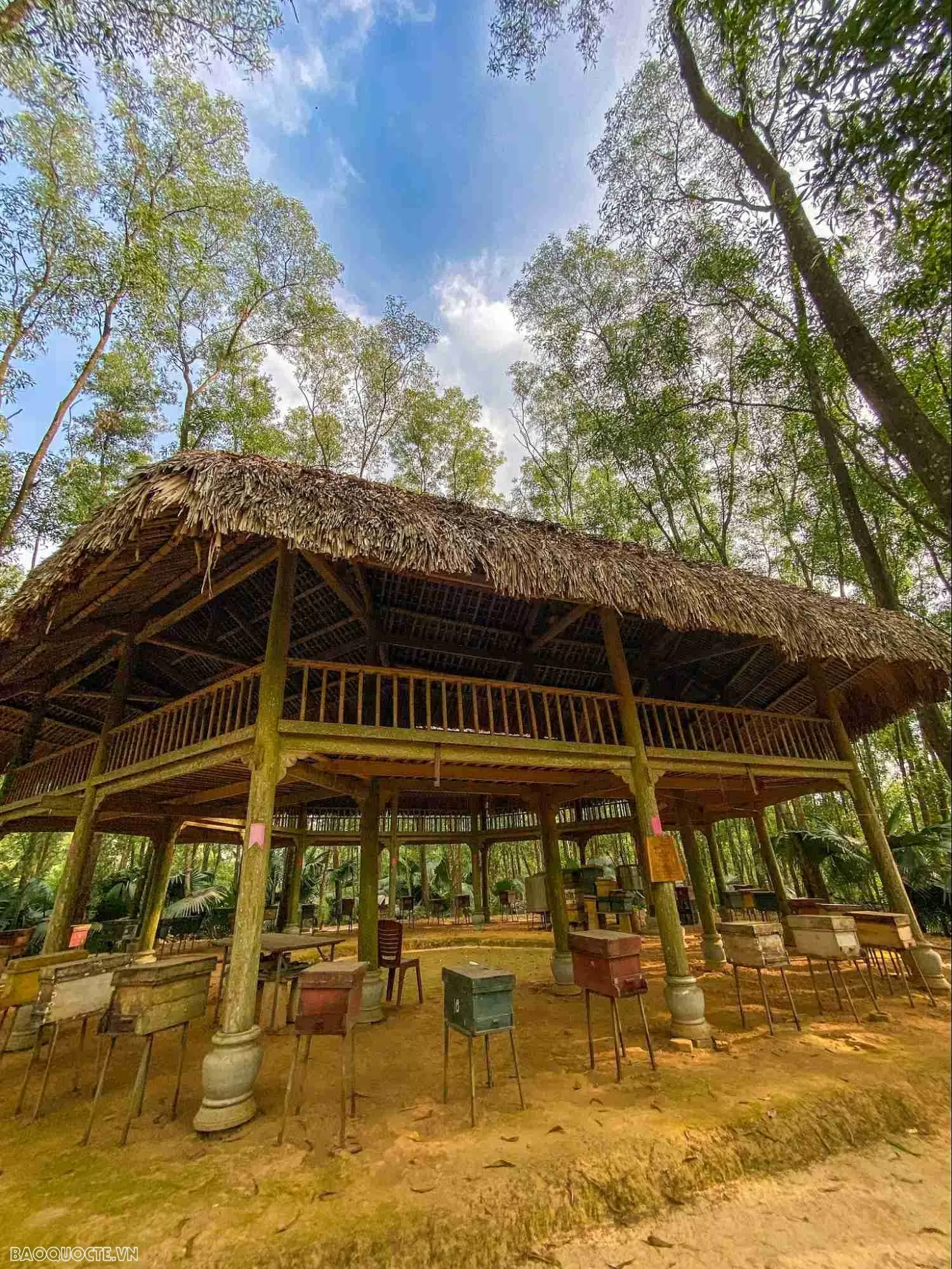
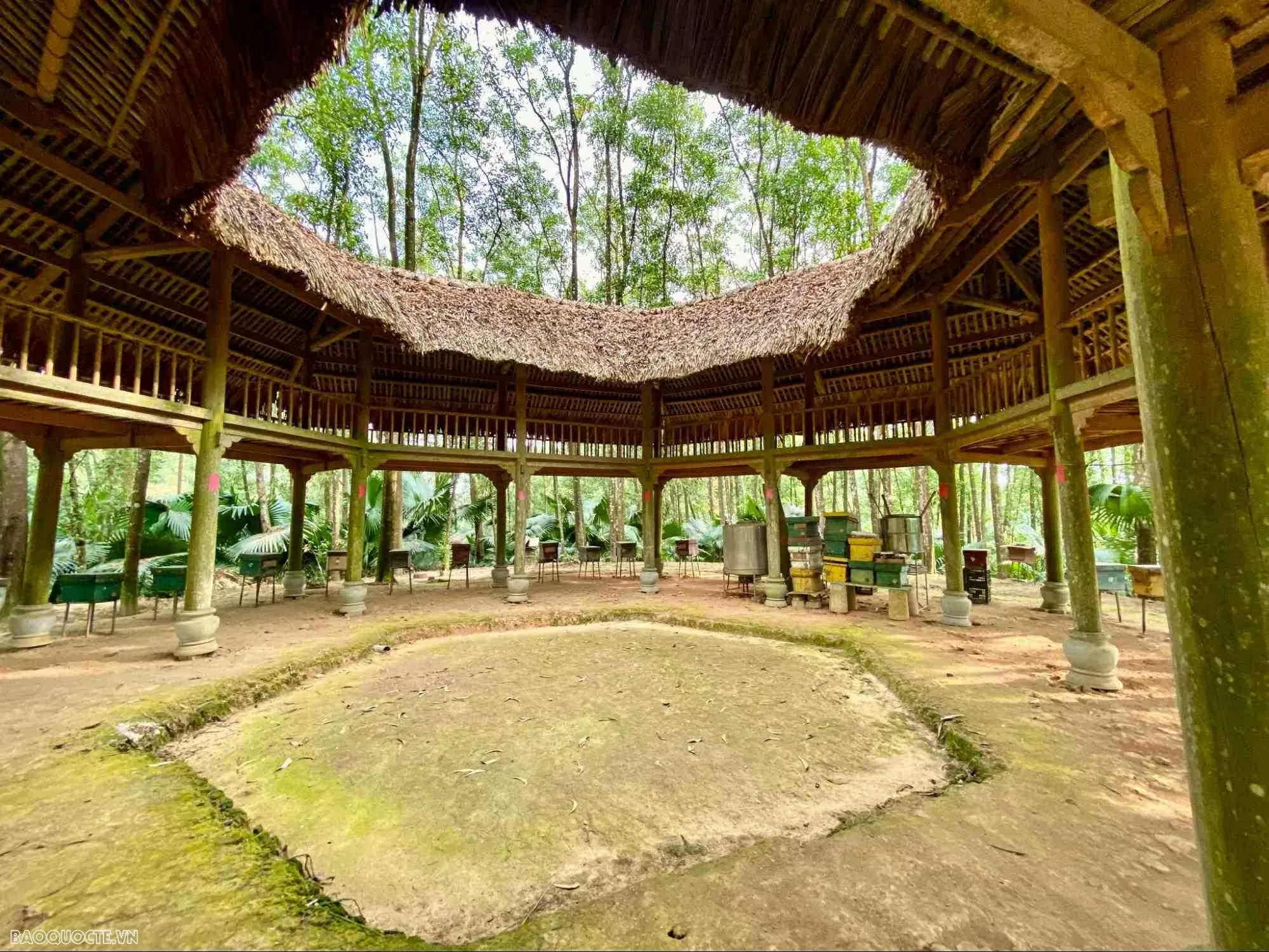
The Tay people believe that just as humans have homes, bees must also have homes, and a single beehive is not enough to form a community. Therefore, during a visit to the village, the French "Bee King" Michel Feintrenie collaborated with the villagers to design a special house for bees, naming it "French-Tay Bee House," with a hexagonal symbol representing both the beehive and reminiscent of France. (Photo: Phuong Thao)
Currently, the French-Tay Beehive has 30 beehives, located on the highest hilltop in the village, considered a place where the spiritual energy of heaven and earth converges. (Photo: Phuong Thao)
For a long time, the villagers have been accustomed to a self-sufficient lifestyle. On an area of 25 hectares, the land is divided into specialized zones for farming, livestock raising, and food production. (Photo: Phuong Thao)
70% of the village's daily food needs are met through self-sufficiency, including vegetables, fruit, pigs, chickens, fish, etc. (Photo: Phuong Thao)
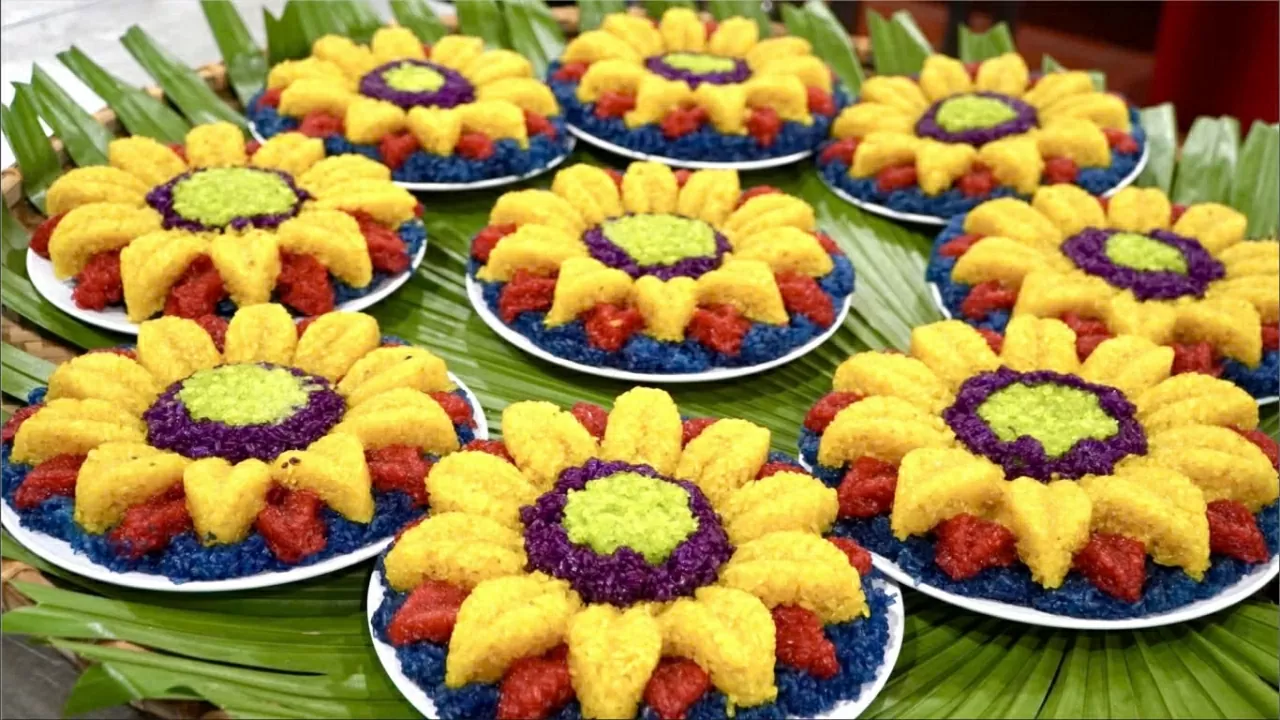
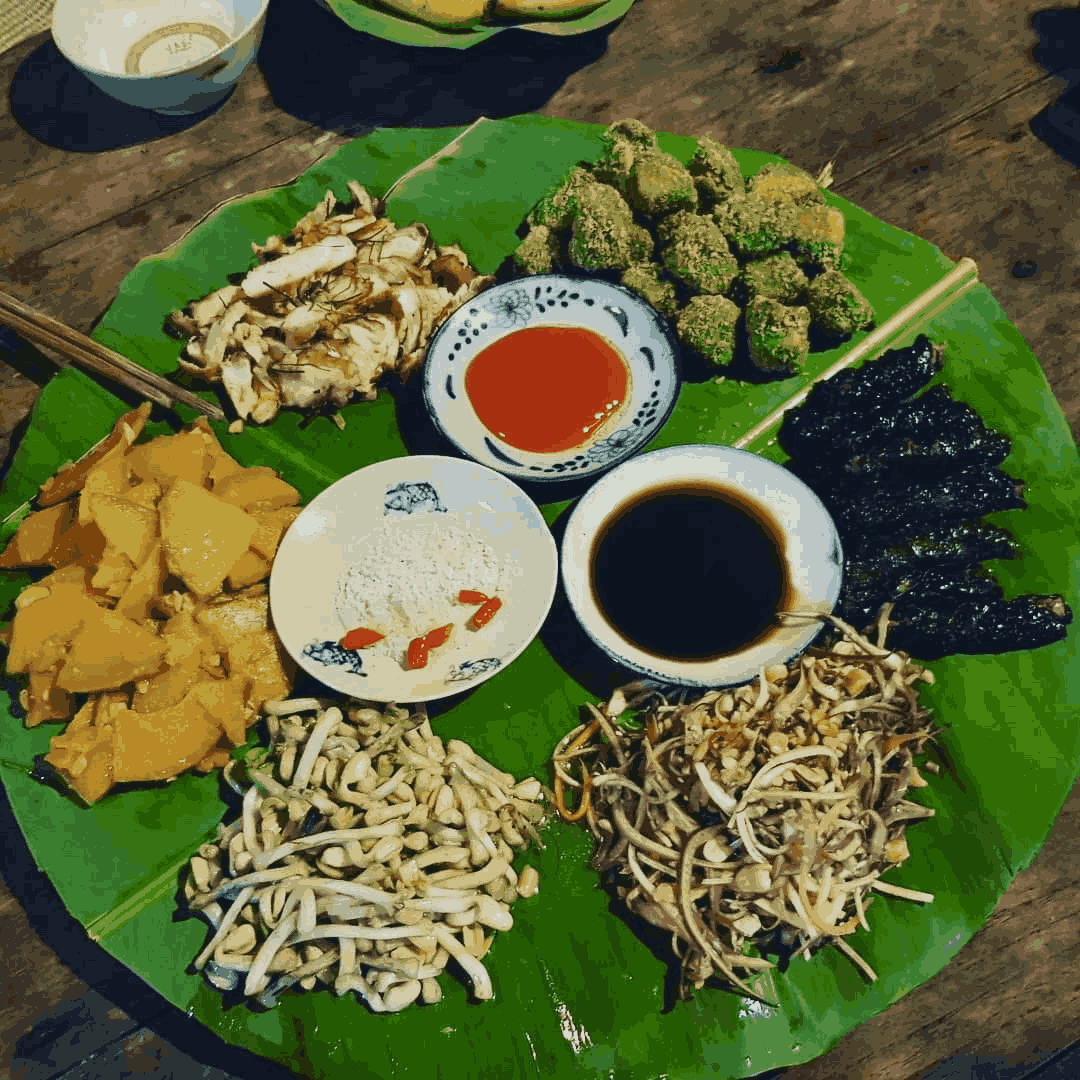
The cuisine in the village is incredibly diverse and deeply imbued with Tay culture, including dishes like five-colored sticky rice, roasted wild chicken, sausages, banana flower salad, purple sticky rice, and rice wine hot pot... (Source: Thai Hai Village)
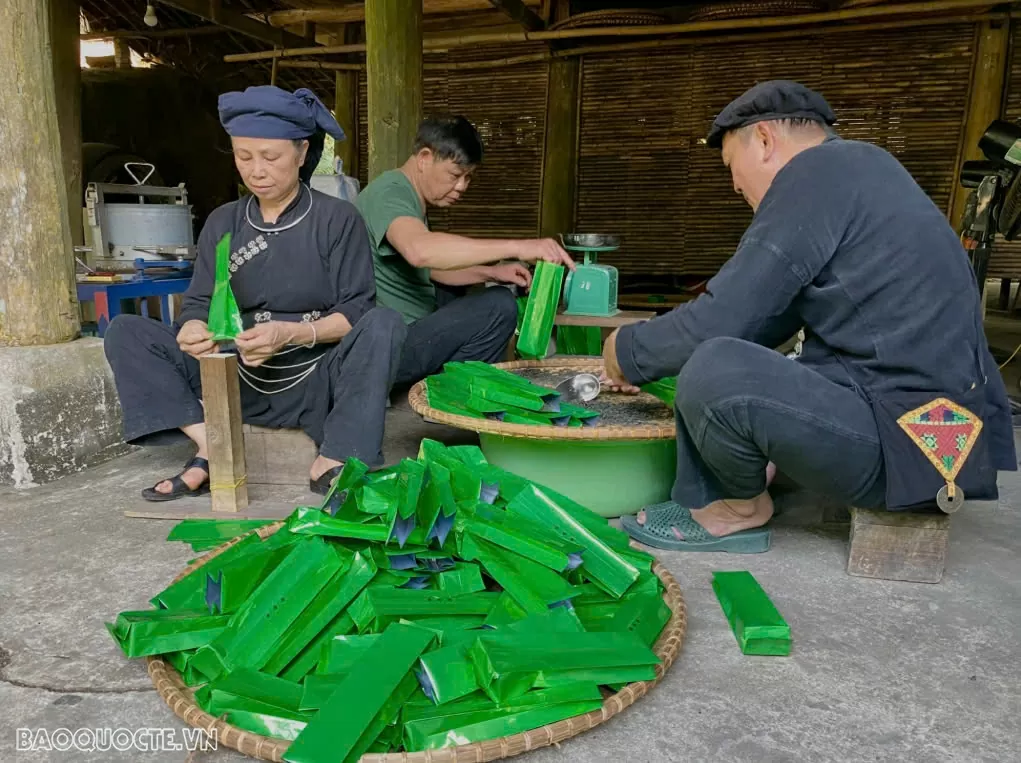
Every day, the villagers dry and package green tea leaves to meet the needs of both local residents and tourists. (Photo: Phuong Thao)
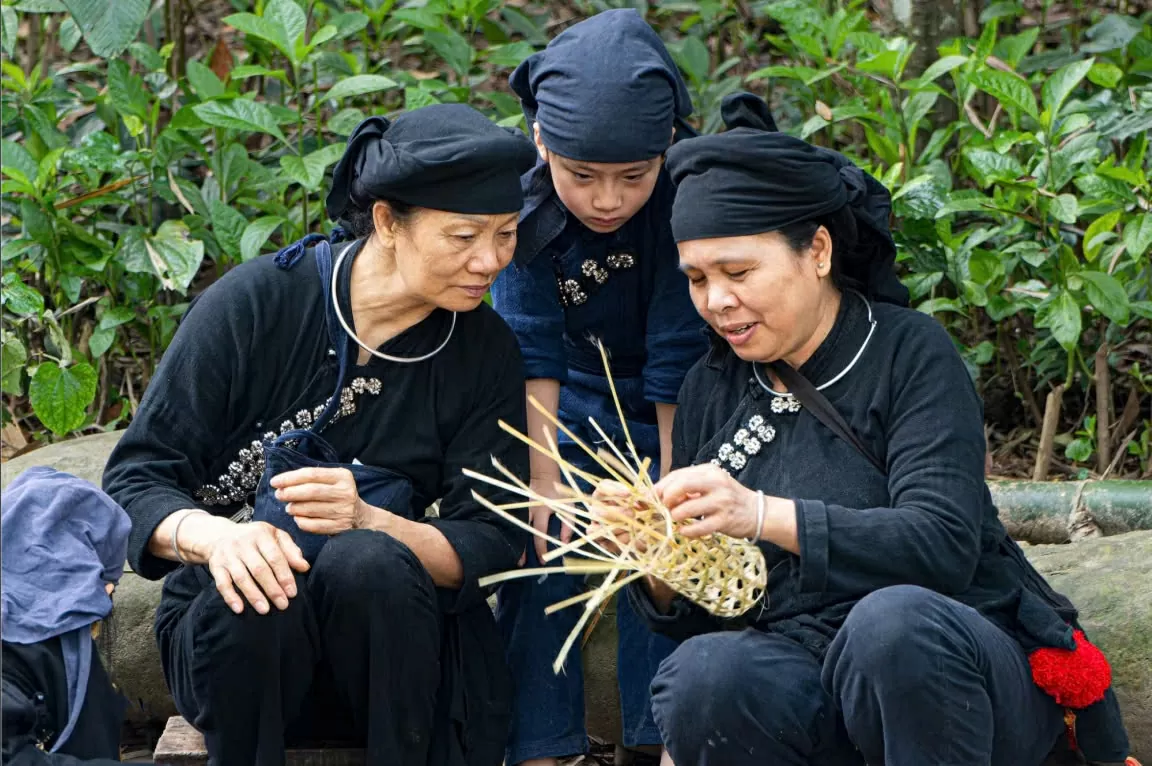
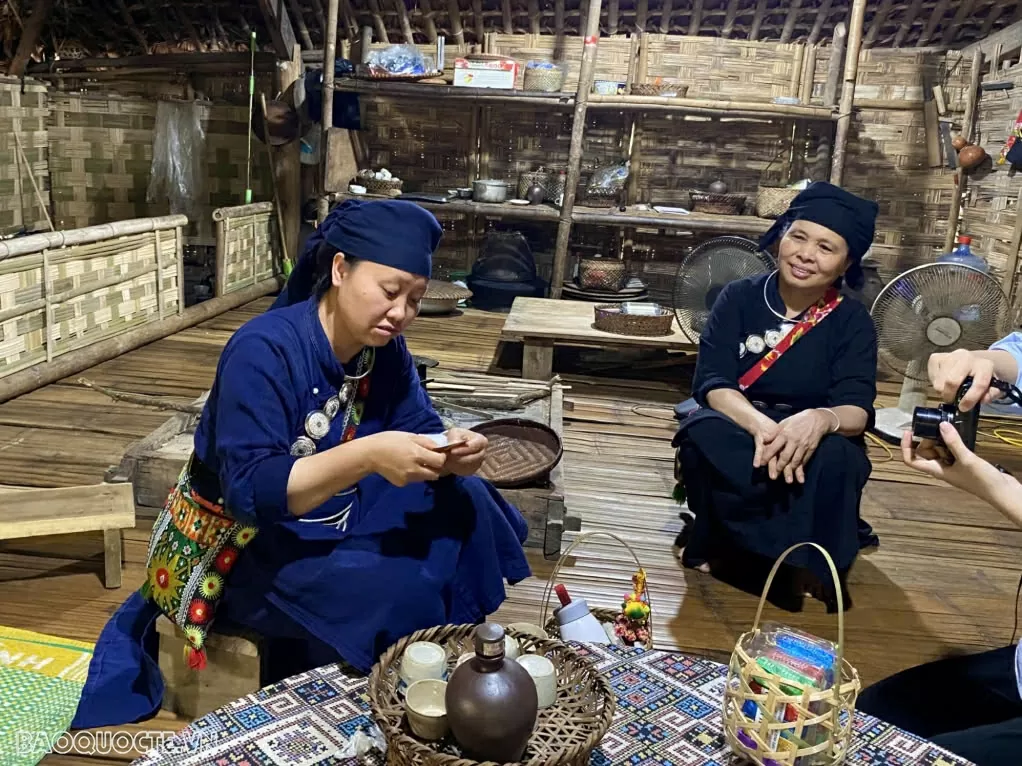
Traditional weaving is one of the distinctive features of the village. These woven bamboo and rattan baskets will be used to store household items, as well as gift baskets for tourists... (Photo: Thai Hai Village)
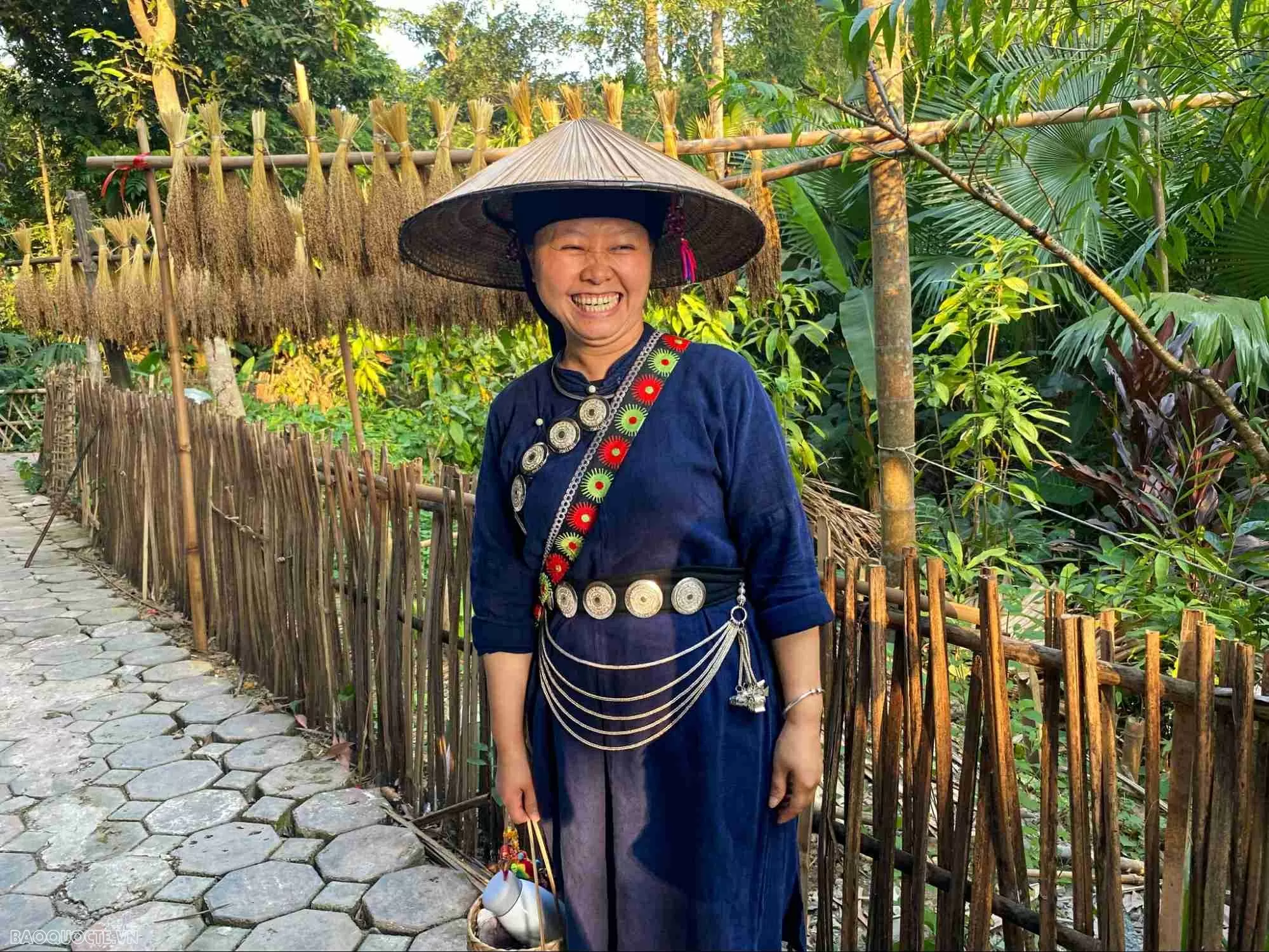
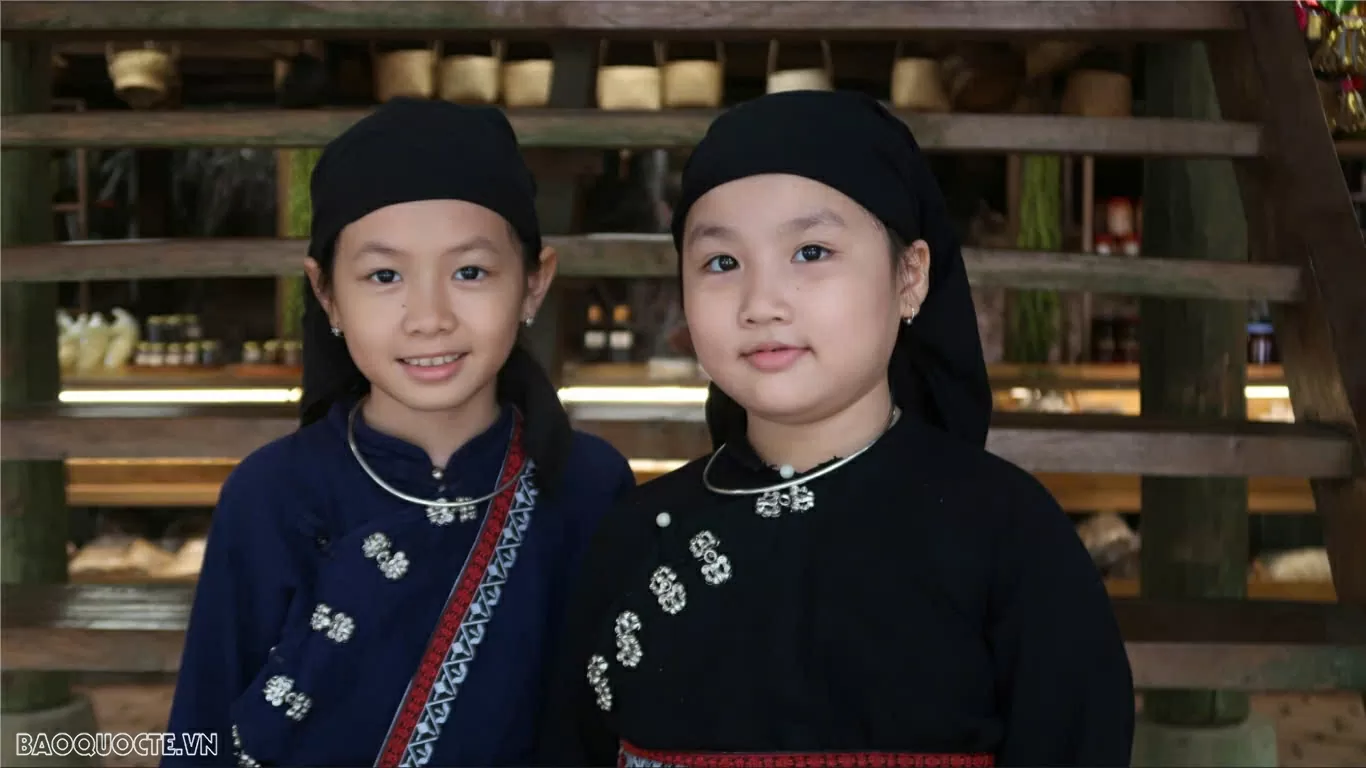
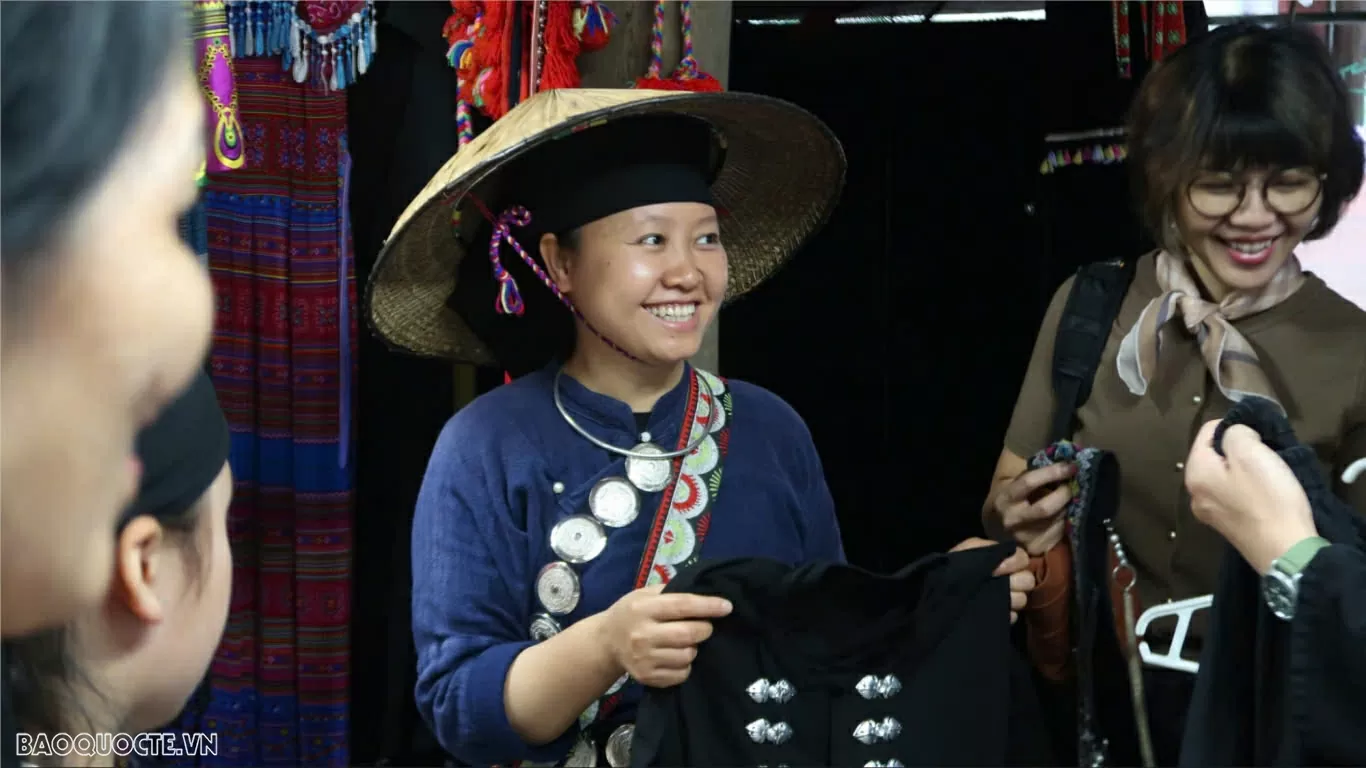
Anything that cannot be produced locally, such as fabric, will be ordered. However, the women still sew traditional clothing for their families themselves. (Photo: Phuong Thao)
According to Ms. Le Thi Nga, Deputy Head of Thai Hai village, there is no gap between rich and poor in the village, and no one has to worry about food, clothing, or money. Important events such as funerals, weddings, or the education of children in the village are all handled by the village head using the common fund. (Photo: Le Nhan)
Everyone is working together to build up Thai Hai village and spread the village's culture to visitors. (Photo: Phuong Thao)
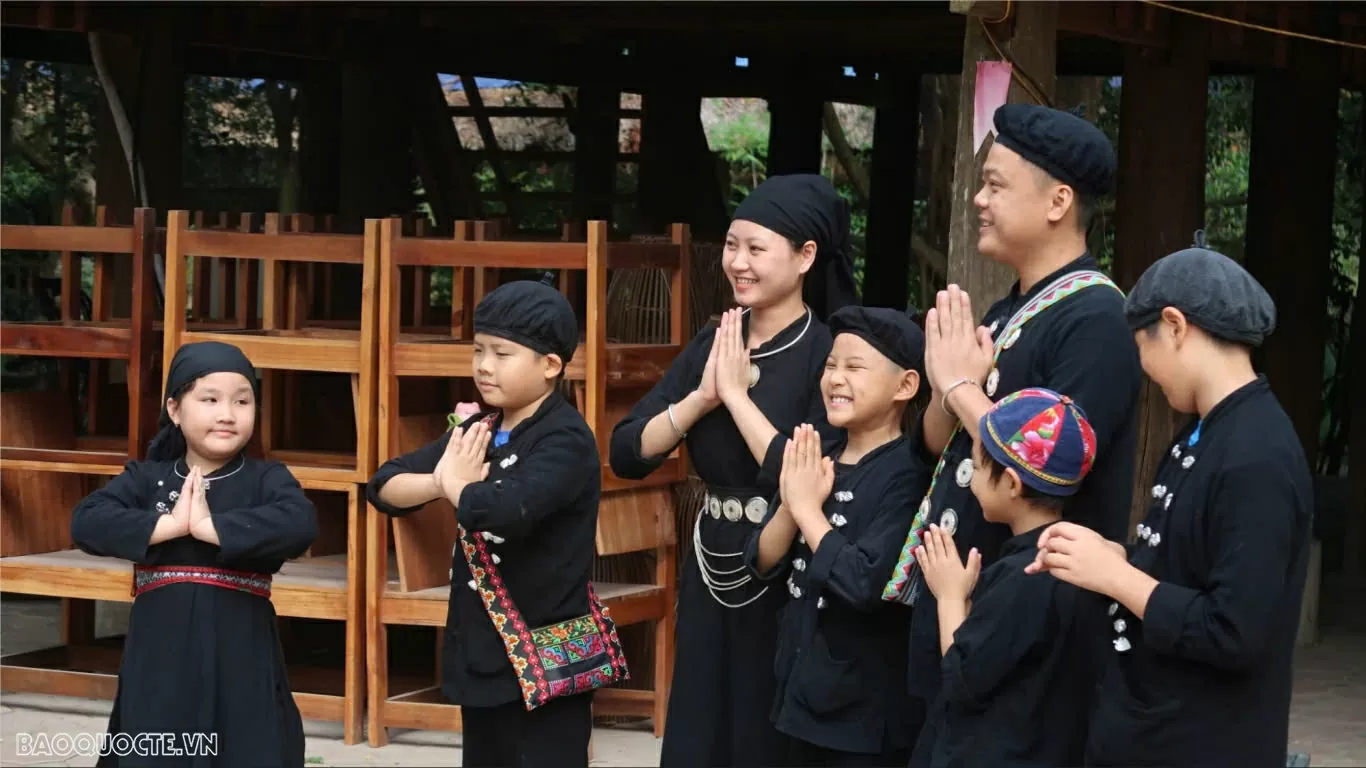
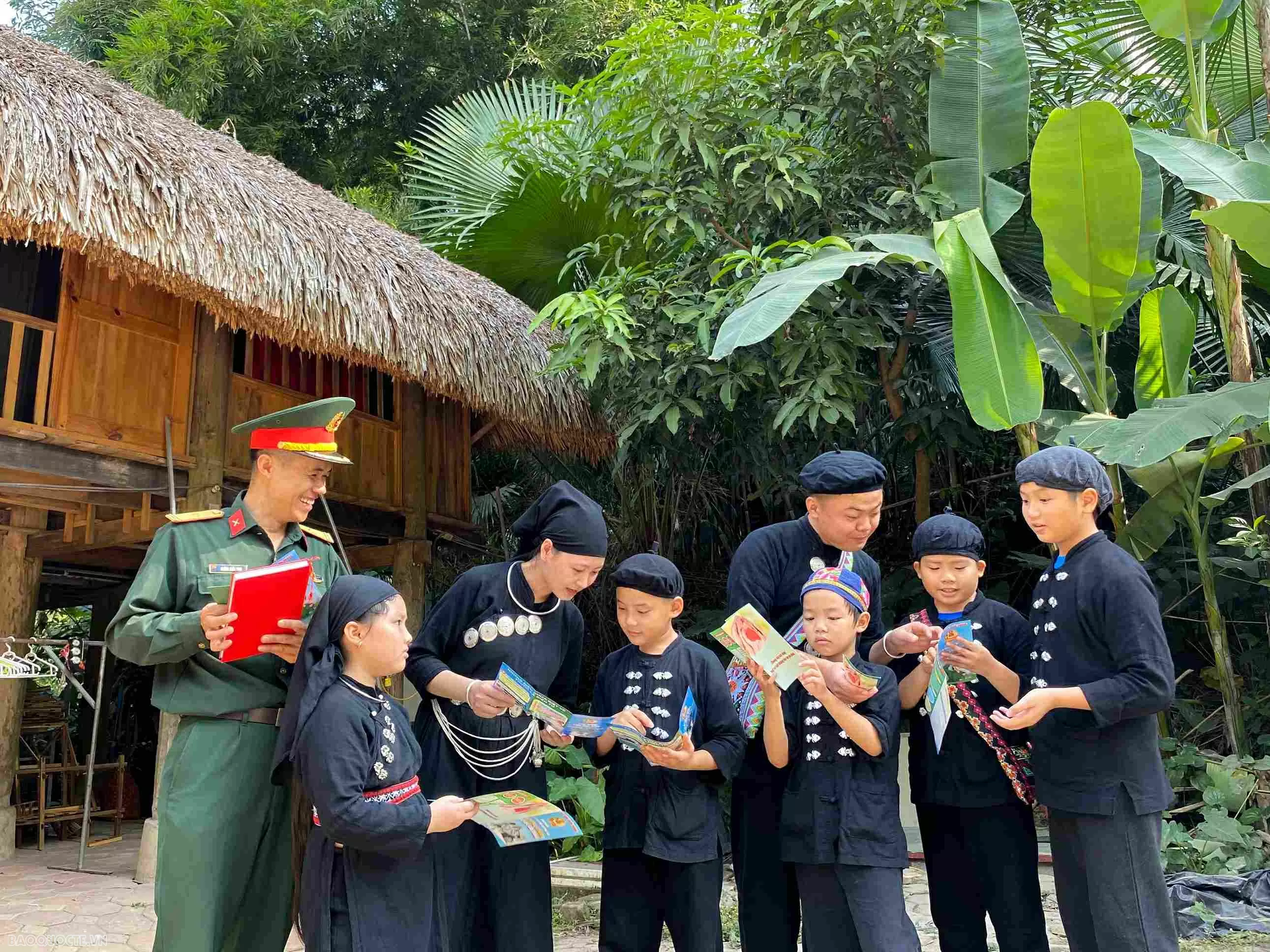
Educating children in the village about preserving the Tay ethnic culture is highly valued. Therefore, the village has established a kindergarten right within the community. (Photo: A Anh)
In addition to the standard curriculum set by the Ministry of Education, the children also learn about the Tay ethnic culture, from their language, then singing, and zither playing, to their distinctive customs and traditions. (Photo: Thai Hai Village)
Many visitors to this place are skeptical and wonder how more than 150 people have maintained this lifestyle for so many years. (Photo: Phuong Thao)
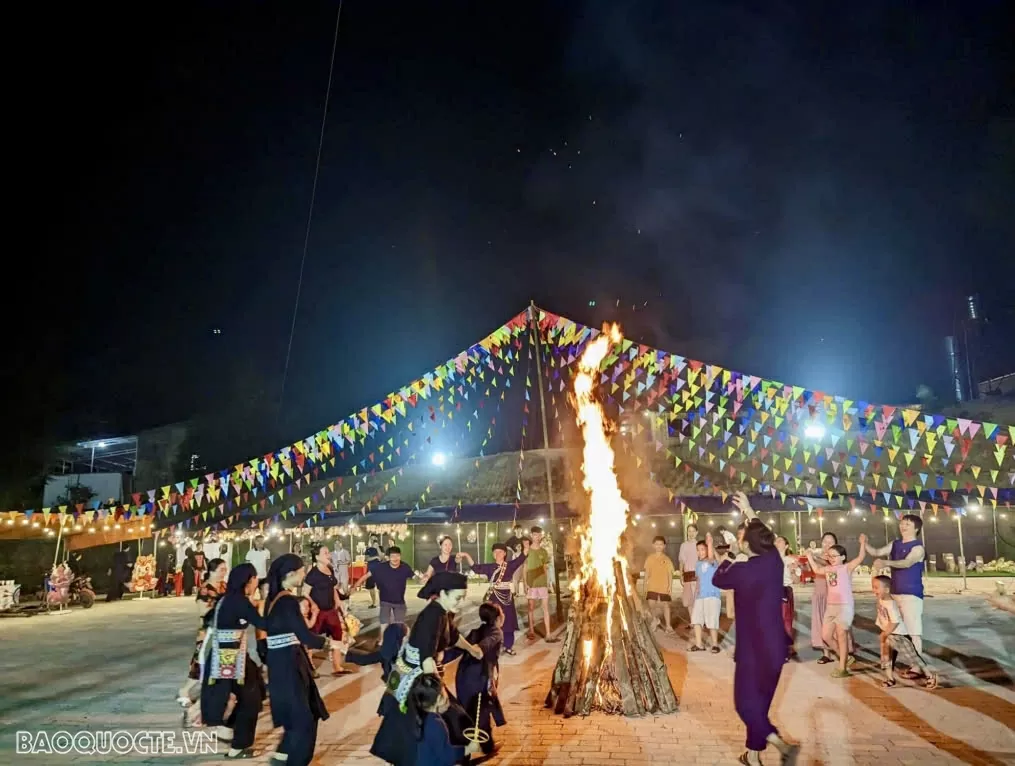
To unite people and resolve conflicts, the village has maintained a unique cultural tradition: the Village Fire Festival, also known as the Fire Bathing Ceremony, which takes place regularly every week. Under the flickering firelight, people confide in the fire god about the misfortunes and setbacks of the past week, hoping that these will be dispelled and carried away to the Heavenly Realm. At the same time, they send wishes for a peaceful, happy, and prosperous new week. (Photo: Thai Hai Village)
Thanks to continuous efforts and a strong commitment to traditional culture, by 2019, Thai Hai had become a well-known name, receiving the ASEAN Award for Community and Sustainable Tourism for four consecutive years (2016-2019). (Photo: A Anh)
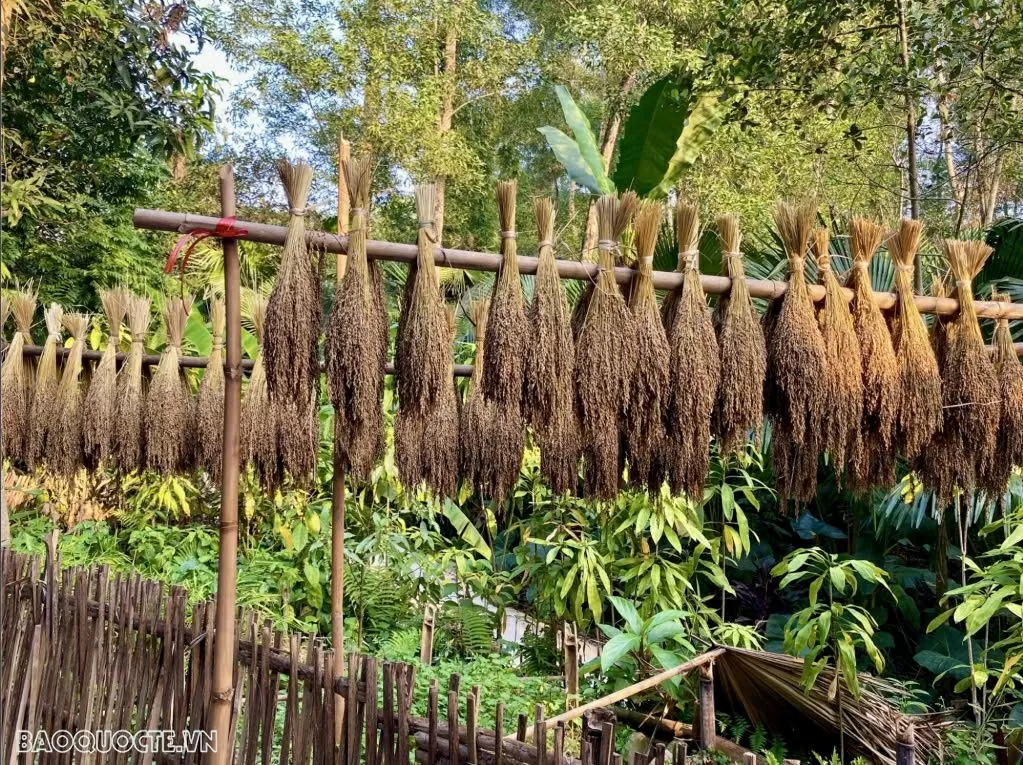
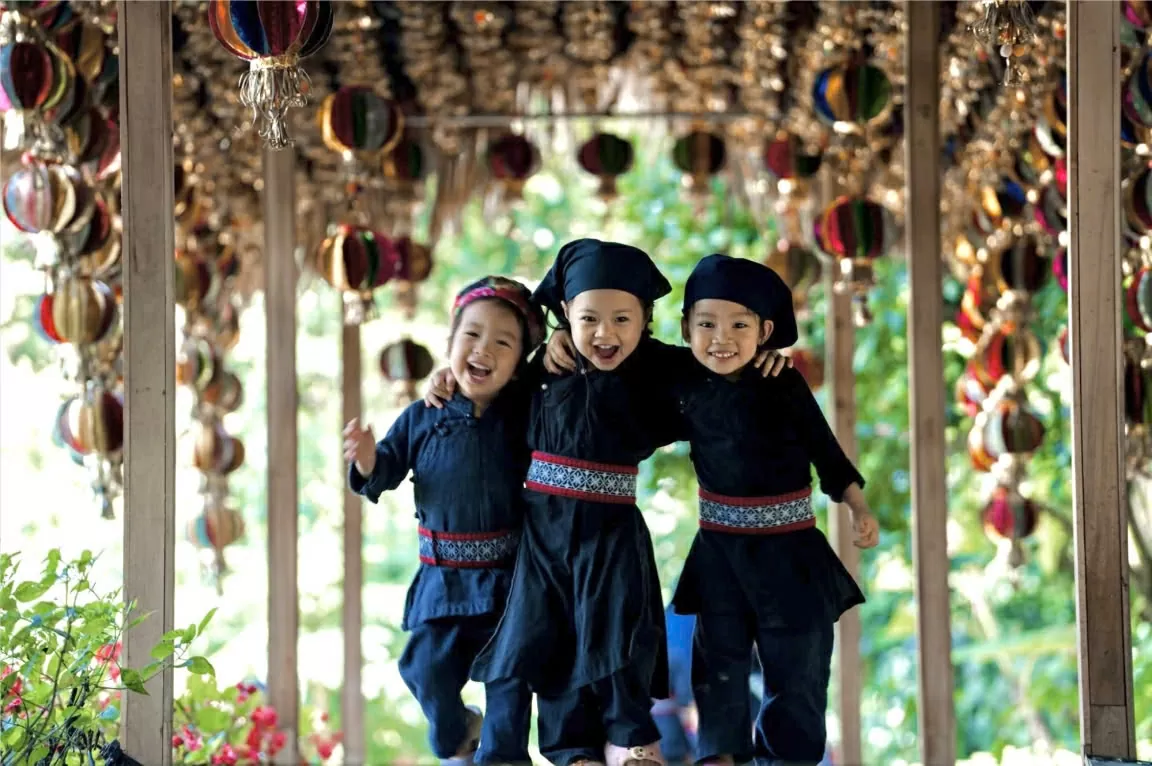
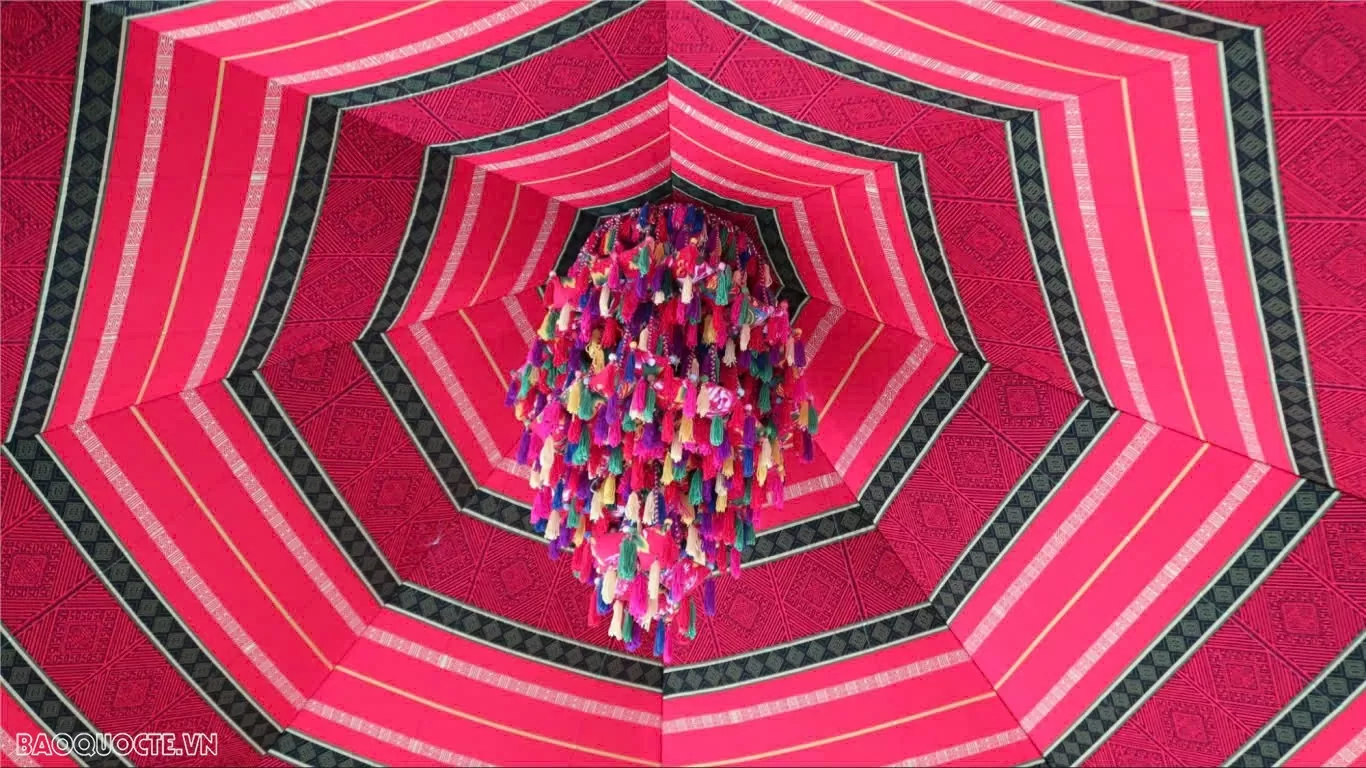
The "Con House" displays 2022 colorful "con" fruits, showcasing the five-color culture of the Tay people. The Con House was built after Thai Hai village was selected by the World Tourism Organization (UNWTO) as one of the 32 best villages in the world in 2022. (Photo: Le Nhan)


![[Photo] Prime Minister Pham Minh Chinh receives the Director of RMIT University Melbourne (Australia)](https://vphoto.vietnam.vn/thumb/1200x675/vietnam/resource/IMAGE/2026/04/02/1775142120087_thiet-ke-chua-co-ten-2026-04-02t214220784-png.webp)


![[Video] Phu Tho opens Tay Thien Festival 2026](https://vphoto.vietnam.vn/thumb/402x226/vietnam/resource/IMAGE/2026/04/02/1775143925646_dung00-35-03-15still006-png.webp)













































Comment (0)