(CLO) On December 6th, Deputy Prime Minister Nguyen Hoa Binh, Deputy Head of the Steering Committee for the review of the implementation of Resolution 18 (Government Steering Committee), signed and issued Plan 141 on the restructuring and streamlining of the Government's organizational apparatus. In the context of increasingly strong digital transformation, the connection between journalism and technology is a driving force for innovation, creativity, and efficiency in communication work, contributing to building a strong and sustainable media ecosystem.
In the realm of technology, if we don't move forward, we will fall behind.
According to the plan, the Ministry of Information and Communications and the Ministry of Science and Technology will be merged into a new ministry. This new ministry will assume the state management functions for the sectors and fields currently assigned to the Ministry of Information and Communications and the Ministry of Science and Technology.
According to assessments, integrating the fields of technology, media, and journalism under a unified state management agency will create significant potential for promoting the development of journalism, especially in the context of digital transformation and the rapid development of technology.

According to experts, first and foremost, this will significantly contribute to promoting the application of technology in journalism. The integration of technology will help journalism rapidly undergo digital transformation, from content production processes to methods of reaching readers. Technologies such as artificial intelligence (AI), big data, and cloud computing will support the analysis of reader behavior, optimize content, and improve the user experience.
With technology alongside it, journalism will also have direct access to advanced technologies, creating opportunities to experiment with new forms such as multimedia journalism, virtual reality (VR), or online interaction.
Combining media management with technology also helps build a more robust information control system, limit misinformation (fake news), and protect the public's rights.
Traditional forms of journalism, such as radio and television, are inseparable from digital infrastructure. Fiber optic cables, satellites, radio frequencies, and the internet are the foundation for the robust development of these media. Managing and developing radio and television requires close integration with digital transformation and the application of technology.
Sharing his perspective from a television standpoint, Mr. Pham Anh Chien, Deputy Director of VTV Digital, stated that VTV, a traditional television content producer and distributor, has had to shift to multi-platform content distribution. VTV has introduced the Total VTV model for multi-platform content distribution.
Mr. Chien argued that the ecosystem must be built on a centralized, single, and unified cloud computing infrastructure in order to be viable for business. VTV introduced a new business concept: content service business that yields the highest economic efficiency. Therefore, VTV's organizational structure must also change to suit the digital model.
Sharing that view, Mr. Tran Tien Duan – Editor-in-Chief of Vietnamplus newspaper – believes that in the technological landscape, if we don't move forward, we will inevitably fall behind and become outdated. The most important thing is to dare to change, to encourage reporters and editors to change together, contribute ideas, and jointly build and promote the newspaper's development. Furthermore, at present, Vietnamese journalism is entering a period of strong digital transformation, creating momentum and acting as a springboard for creative ideas to continue to flourish.



It can be said that, in order to develop, Vietnamese media organizations have no other option but to place technology at the center of all their strategies. The challenge is how to catch up with the technological advancements in journalism worldwide, how to leapfrog ahead. This requires each media organization to be multi-functional, not simply producing news articles, but also becoming a newsroom of technology, of innovative research on the application of artificial intelligence…
The wings of digital technology and journalism - media
The combination of creative journalism and digital technology brings many new experiences to the public, helping the press maintain its position in the information landscape. In the digital transformation process, journalism and media play a crucial role. The information and communication technology sector forms a pair of wings: one wing is digital technology, the other is journalism and media. These wings will help the country soar, reaching greater heights and reaching further, based on its inherent strength in both material and spiritual resources.
Experience has shown that, in addition to its role in creating trust, aspirations, and inspiring national spirit, contributing to the success of the national digital transformation process, the press and media must also undertake their own digital transformation.
Just like digital transformation in all other industries, digital transformation in journalism and media is not simply about physically putting things online, but must be reflected in synchronized activities, both in depth and breadth.
In this transition, both major challenges and significant opportunities go hand in hand. Crucially, the use of digital technology to transform management, operations, production, publishing, content distribution, and business models is crucial to optimizing the operational models of media organizations; creating new products, opportunities, revenue, and value.
Maintaining national information sovereignty in cyberspace.
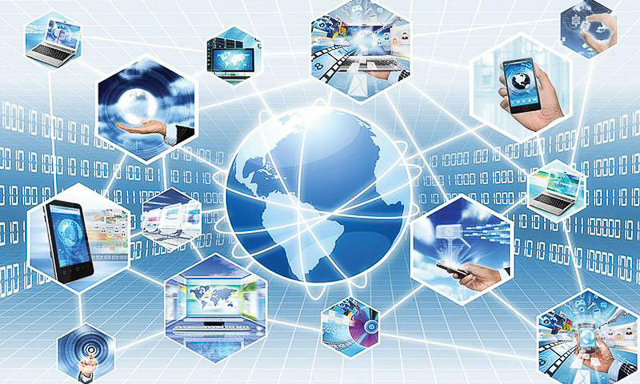
The five pillars of digital transformation in journalism are: Strategy; Digital infrastructure, platforms, and information security; Organizational and professional consistency; Readers, audiences, and listeners; and the level of digital technology adoption.
Currently, all media outlets are operating in a digital environment. The process of managing and monitoring compliance with the law by the press largely depends on digital infrastructure and technology. Technologies such as artificial intelligence, big data, and data analytics platforms enable the press not only to grasp information trends but also to guide public opinion, combat harmful and toxic information, and maintain information sovereignty in cyberspace.
In the digital age, every citizen can become a journalist through social media and online communication platforms. This opens up opportunities but also poses significant challenges for media management. Cross-border social networks like Facebook, YouTube, and TikTok, with millions of users in Vietnam, if not properly controlled, could become a threat to information security and the stability of the country's political system.
Therefore, the integration of technology, media, and journalism is becoming an urgent requirement in the context of profound digital transformation and the continuous development of the digital media environment. Consolidating management across these fields not only optimizes resources but also creates a solid foundation for the development of journalism and media, while simultaneously protecting national information sovereignty in cyberspace.


According to experts, applying technology to content censorship in newspapers and social media can minimize the need to maintain a cumbersome human-based censorship apparatus. Taking large platforms like Facebook as an example, the volume of content posted daily is millions of times greater than that of a newspaper, yet the number of personnel involved in content moderation remains very modest.
Similarly, TikTok also relies on algorithms and artificial intelligence technology to control content instead of using a large workforce. This shows that, by leveraging the power of technology, content moderation can not only become more effective but also save significant resources.
It is clear that digital infrastructure is key to effectively managing cyberspace. In fact, thanks to strict management of digital infrastructure such as telecommunications networks and the internet, major platforms have complied with Vietnamese law, removed harmful and toxic information, and paid taxes in full as required.
Overall, protecting the Party's ideological foundation and combating harmful and toxic information requires the support and coordination of digital infrastructure and technology. Therefore, separating digital infrastructure and digital transformation from digital communication will limit and diminish the effectiveness of information management in cyberspace, potentially affecting the maintenance of national information sovereignty in cyberspace; and simultaneously restrict the development and effectiveness of journalism and media.
Bao Minh
Source: https://www.congluan.vn/bao-chi-va-cong-nghe--su-gan-ket-tao-nen-suc-bat-moi-cho-su-phat-trien-post324595.html