The liver is one of the most important organs in the body, and it is constantly exposed to many damaging factors such as alcohol, medications, chemicals, hepatitis viruses, and unhealthy diets.
Worryingly, many liver diseases progress silently over long periods without causing noticeable symptoms. Many people only discover they have the disease when their liver has become severely cirrhotic or dangerous complications have arisen. Therefore, regular liver checkups play a crucial role in early detection of damage, enabling effective treatment and preventing serious consequences.
The liver has a fairly good ability to regenerate itself. However, when liver cells are repeatedly damaged over a long period, their regenerative capacity decreases, leading to chronic hepatitis, cirrhosis, liver failure, or liver cancer.
Why is regular liver check-up necessary?
Regular liver checkups help detect viral hepatitis early. Viral hepatitis diseases such as hepatitis A, hepatitis B, and hepatitis C are the leading causes of liver damage in Vietnam. In particular, hepatitis B and hepatitis C can progress silently for many years without the patient being aware of it.
- Why is regular liver check-up necessary?
- How often should I have my liver checked?
- What tests are needed for a liver examination?
- When should you see a doctor immediately?
Regular check-ups help detect viral infections early, allowing for appropriate monitoring and treatment, thereby reducing the risk of cirrhosis and liver cancer.
Through specialized tests, doctors can assess the liver's function and detect signs of inflammation, damage, or impaired liver function at an early stage.
For individuals with pre-existing liver conditions such as fatty liver disease, alcoholic hepatitis, viral hepatitis, or cirrhosis, regular check-ups help monitor treatment effectiveness and assess the risk of complications.
In addition, many medications can be toxic to the liver if used for extended periods or improperly. Regular monitoring of liver function helps detect drug-induced damage early.
People who are overweight, obese, have diabetes, hypertension, dyslipidemia, or regularly consume alcohol are at higher risk of developing liver disease. Regular checkups help detect abnormalities early before the disease progresses to a severe stage.
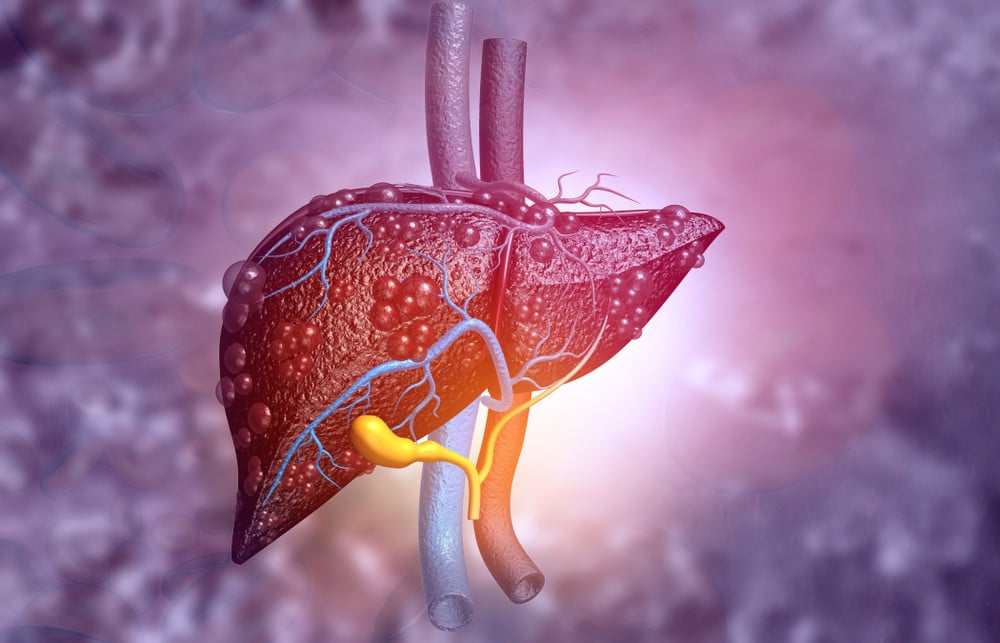
Liver diseases often progress silently and are only detected at a late stage.
How often should I have my liver checked?
The frequency of liver checkups depends on an individual's age, health status, and risk factors.
Healthy people
For adults without liver disease and who are not in a high-risk group, a general health check-up and liver function assessment should be performed at least once a year.
Regular checkups help detect abnormalities early, even before symptoms appear.
People with risk factors
The following individuals should have their liver checked regularly, every 6 months to 1 year:
- Frequent consumption of alcohol.
- Overweight, obesity.
- I have diabetes.
- Having high blood pressure or dyslipidemia.
- There is a family history of liver disease.
- Prolonged use of the medication carries the risk of liver toxicity.
People with chronic liver disease


For patients with hepatitis B, hepatitis C, fatty liver disease, cirrhosis, or other chronic liver diseases, follow-up appointments should be scheduled as directed by a doctor, usually every 3-6 months.
Individuals with cirrhosis or chronic viral hepatitis should undergo regular liver cancer screenings to detect lesions at an early stage.
What tests are needed for a liver examination?
When you go for a liver check-up, your doctor will usually prescribe a combination of methods to comprehensively assess your liver's health.
Liver enzyme test
These are basic tests that help assess the extent of liver cell damage.
The metrics that are commonly checked include:
- AST (GOT).
- ALT (GPT).
- GGT.
- ALP.
When these indicators are elevated, it may suggest inflammation or damage to the liver.
Liver function test
This set of tests helps assess the liver's function and includes:
- Total bilirubin and direct bilirubin.
- Blood albumin.
- Total protein.
- Blood clotting time.
These indicators are particularly important in assessing the degree of liver function decline.
Hepatitis virus testing
The doctor may prescribe:
- HBsAg is used to detect hepatitis B.
- Anti-HBs is used to assess immunity to hepatitis B.
- Anti-HCV is used to detect hepatitis C.
- Other specialized tests may be performed as needed.
Ultrasound of the liver and gallbladder
Ultrasound is a simple, non-invasive method that helps assess:
- Liver size.
- Fatty liver disease.
- Liver tumors.
- Liver cysts.
- Cirrhosis.
- Abnormalities of the biliary tract.
This technique is performed during most routine liver examinations.
Liver elasticity measurement
This is a modern method for assessing the degree of liver fibrosis without the need for a biopsy.
This technique is particularly useful for people with chronic viral hepatitis or fatty liver disease.
CT scan or MRI



These advanced imaging diagnostic methods are indicated when doctors suspect a liver tumor, vascular damage, or other complex abnormalities.
Liver biopsy
In some specific cases, a doctor may order a liver biopsy to accurately determine the cause of the damage and the extent of the disease.
When should you see a doctor immediately?
Don't wait until your routine check-up if you experience the following symptoms:
- Persistent fatigue of unknown origin.
- Loss of appetite, unusual weight loss.
- Pain or discomfort in the right lower rib area.
- Yellowing of the skin and eyes.
- Dark-colored urine.
- Persistent skin itching.
- Unusual swelling in the legs or abdomen.
- Nausea and prolonged digestive disorders.
These could be warning signs of progressing liver disease and require prompt medical attention.
Note: The liver is a vital organ for health, but many liver diseases often progress silently and are only detected at a late stage. Therefore, adults should have a liver check-up at least once a year. Those with risk factors or who already have liver disease should have regular check-ups as directed by their doctor.
Combining blood tests, ultrasounds, and other specialized techniques when necessary will help detect liver damage early, improve treatment effectiveness, and prevent dangerous complications such as cirrhosis or liver cancer.
Source: https://suckhoedoisong.vn/bao-lau-nen-kham-gan-dinh-ky-169260613182241306.htm


![[Image] National conference summarizing one year of operation of the overall organizational model of the political system, the three-tiered government model.](https://vphoto.vietnam.vn/thumb/1200x675/vietnam/resource/IMAGE/2026/07/01/1782882811691_ndo_br_1-jpg.webp)