


Built in the first century AD, the Colosseum is one of the most iconic and best-preserved structures of ancient Rome, a monument to human architecture and engineering...
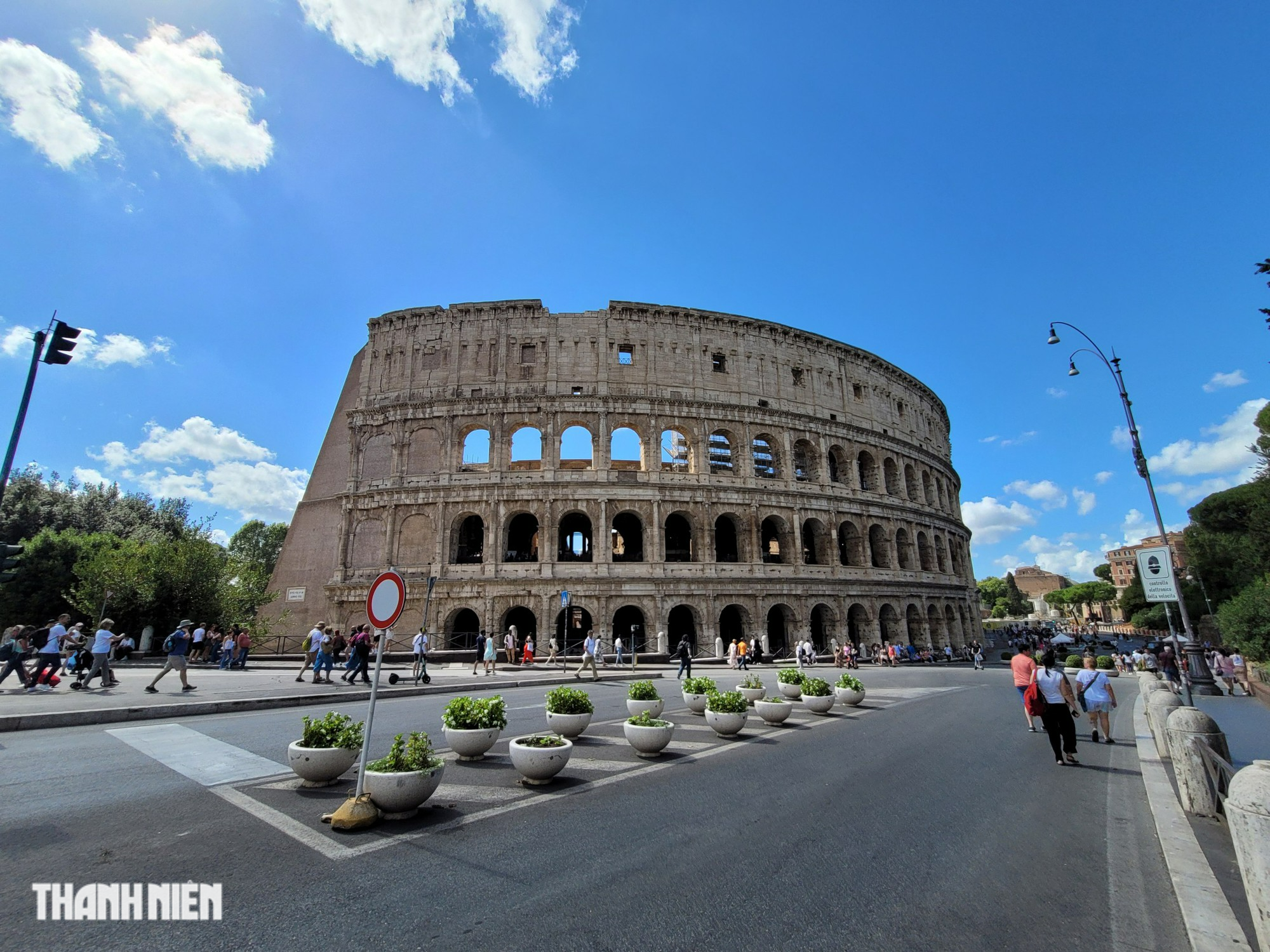
After the pandemic, tourists returned to visit the Colosseum in larger numbers, but without the long queues waiting to get inside.
After Vespasian became Roman emperor in 69 AD, his Flavian dynasty launched a large-scale reconstruction project to restore Rome, which had been devastated by fires, plagues, and civil wars. During their 27-year reign, the Flavian dynasty renovated buildings and monuments throughout the city. In 70 AD, Vespasian ordered the construction of a new amphitheater in the city center, inaugurated 10 years later, serving as a political symbol of the city's revival – the Colosseum that exists today.
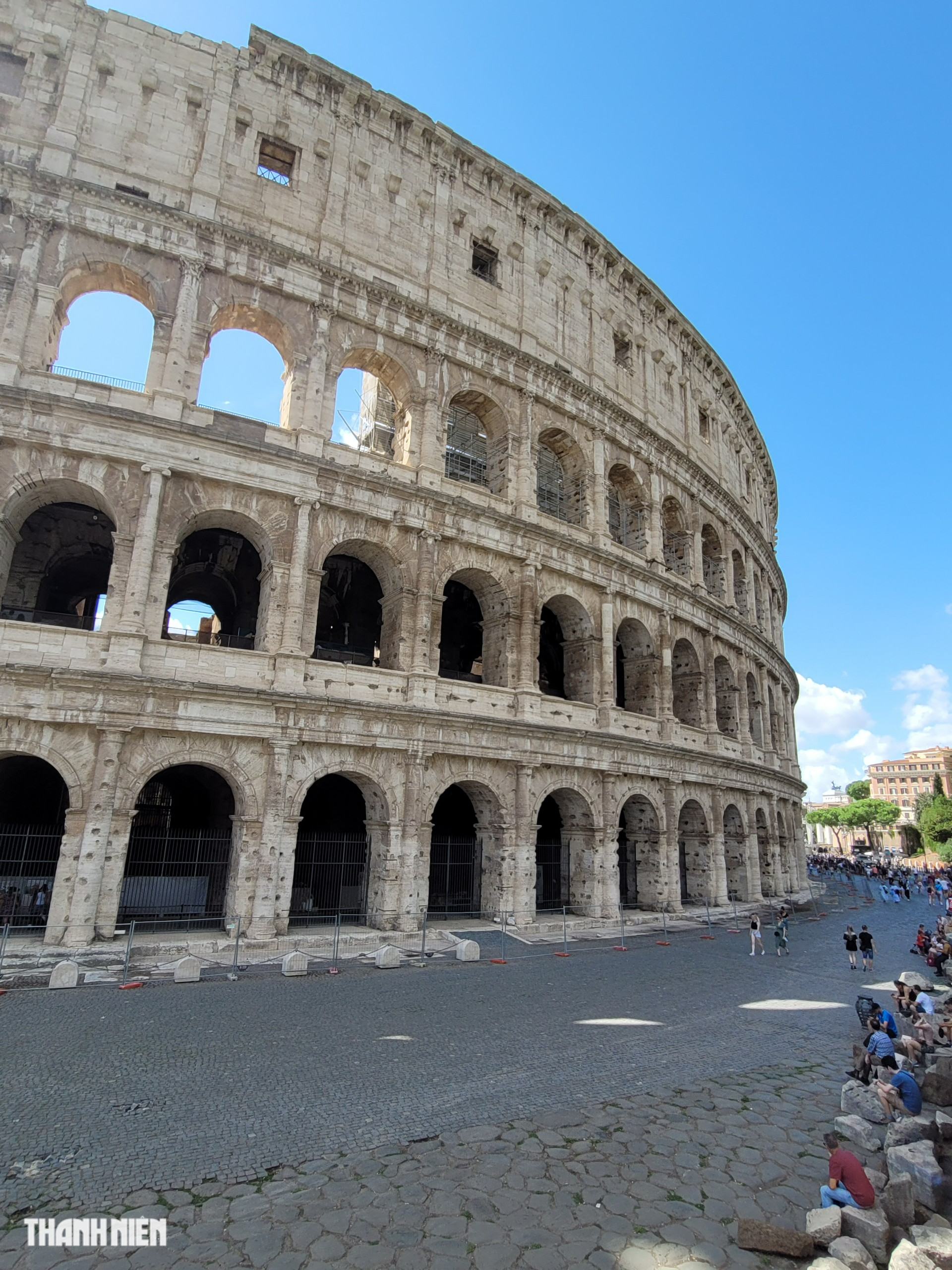
The Colosseum was the greatest and most complex architectural and engineering marvel of the ancient world . Constructed primarily of concrete, millions of travertine blocks, and marble, the Roman Colosseum reached heights of up to 157 feet (almost the height of a 15-story building) and had an estimated capacity of 50,000 to 80,000 people.
In the Colosseum, social status, wealth, and gender determined seating. The best seats, closest to the arena, were reserved for the emperor and nobility. Finally, the citizens of Rome were placed at the very back.
To facilitate the orderly flow of people within the building, the architects designed the Colosseum with four entrances for political and religious leaders and 76 entrances for ordinary citizens. Corridors separated social groups, preventing spectators from moving freely within the structure. Despite the unequal seating arrangement, the elliptical architecture of the Colosseum allowed everyone to have the clearest view of the arena.
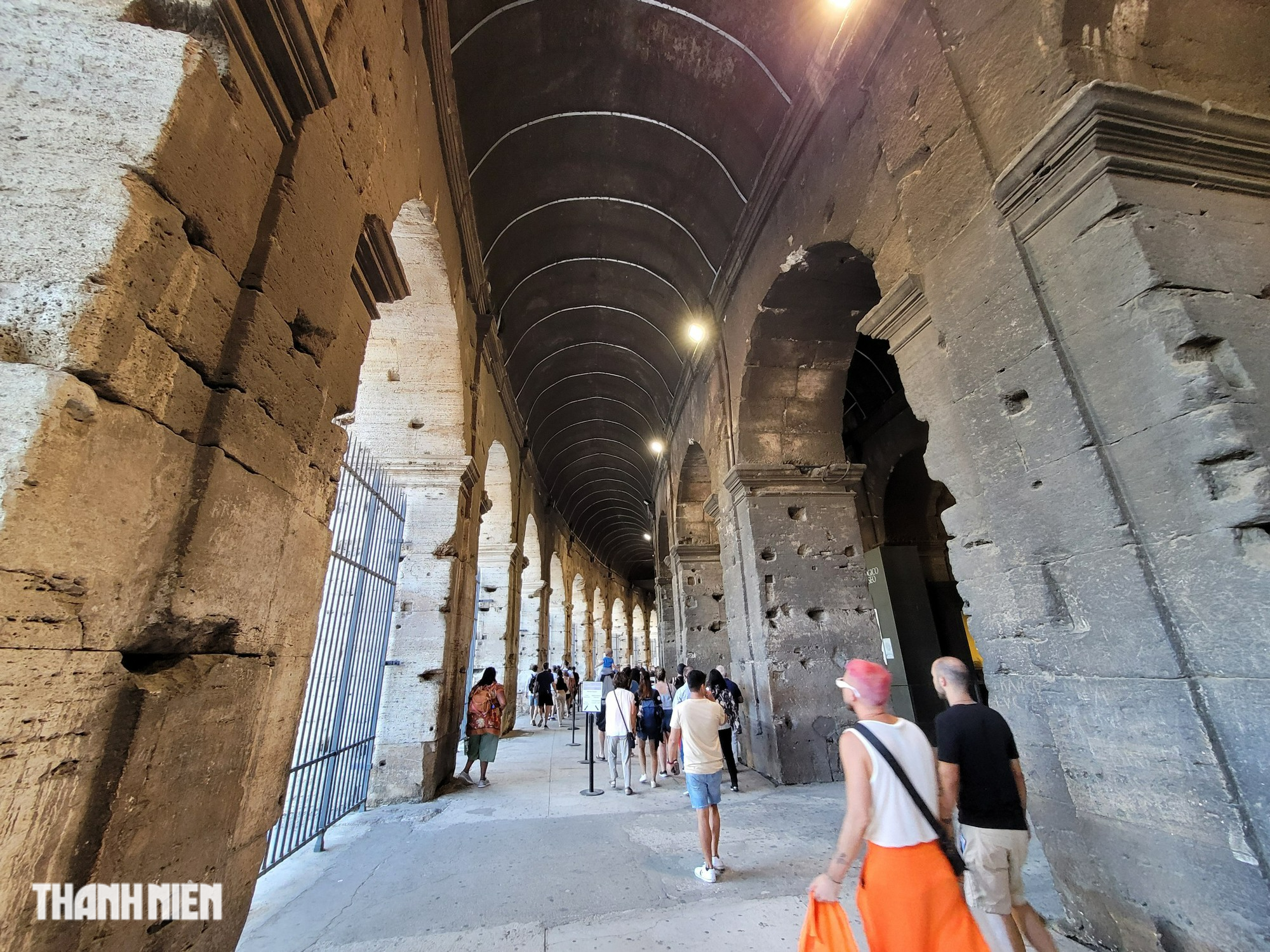
The corridor leading inside the arena has several different doors.
However, the architect of the Colosseum remains unknown, as is the cost. Many scholars believe that the Colosseum was a trophy captured by Roman soldiers during the First Roman-Jewish War, which ended in 70 AD.
The legacy that the Roman Colosseum has left for modern times is invaluable.
Beyond its function as a "window" into ancient Rome and its social structure, the Colosseum is also considered the "father" of all modern outdoor sports stadiums. The use of the Colosseum's domes to support the structure, its elliptical shape, and the organizational system used to control fan access based on their seating positions are key elements of most modern stadiums.
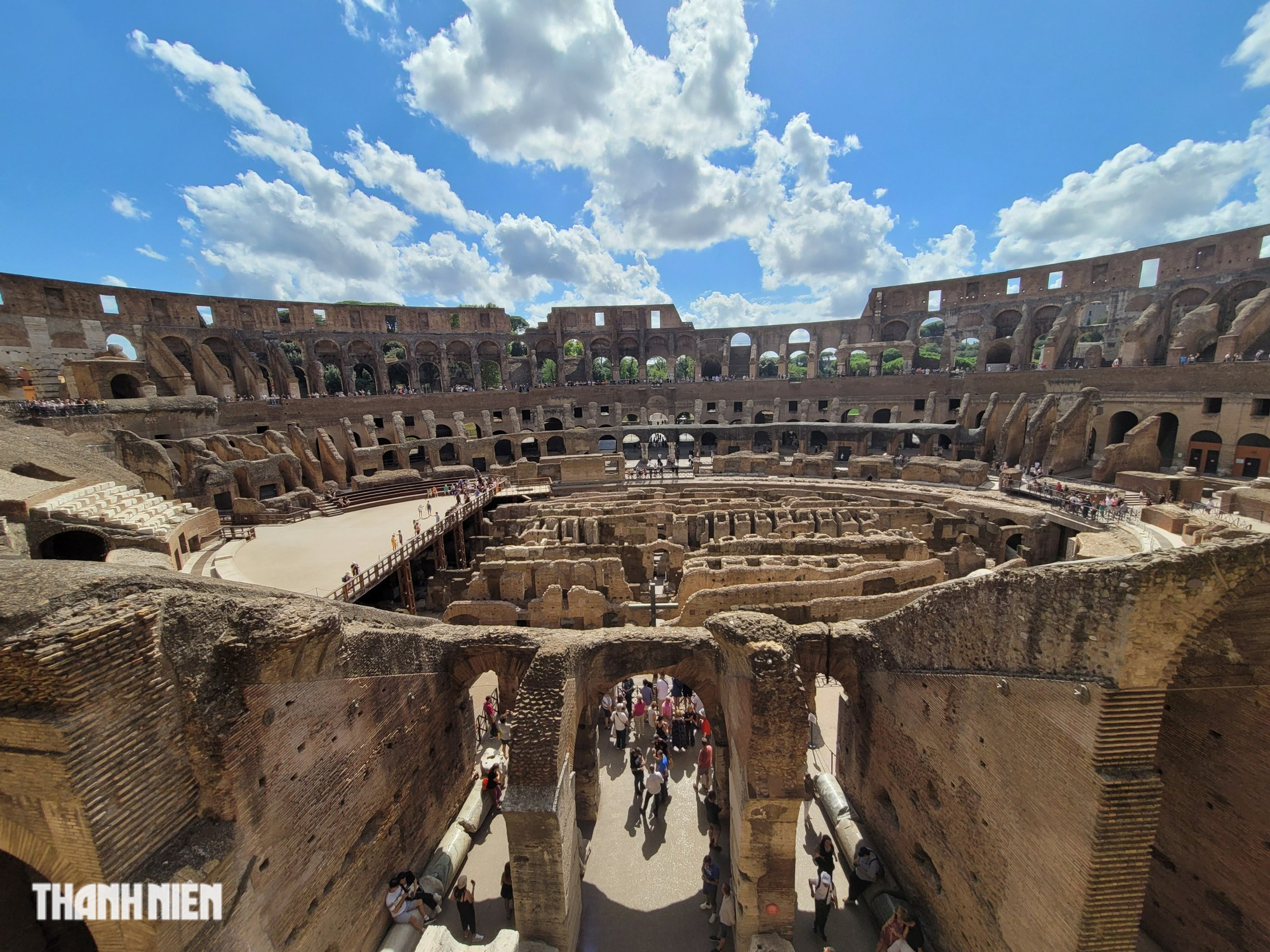
The arena's design allowed all spectators to clearly see what was happening on the floor and served as a model for modern stadiums.
The magnificent structures of ancient Rome have endured for millennia—a testament to the ingenuity of Roman engineers who perfected the use of concrete.
In many cases, Roman concrete has proven to last longer than modern concrete, which can degrade within a few decades. Now, scientists behind a study say they've discovered the mysterious composition that allowed the Romans to make such a durable building material and construct complex structures in challenging locations like harbors, sewers, and earthquake zones.
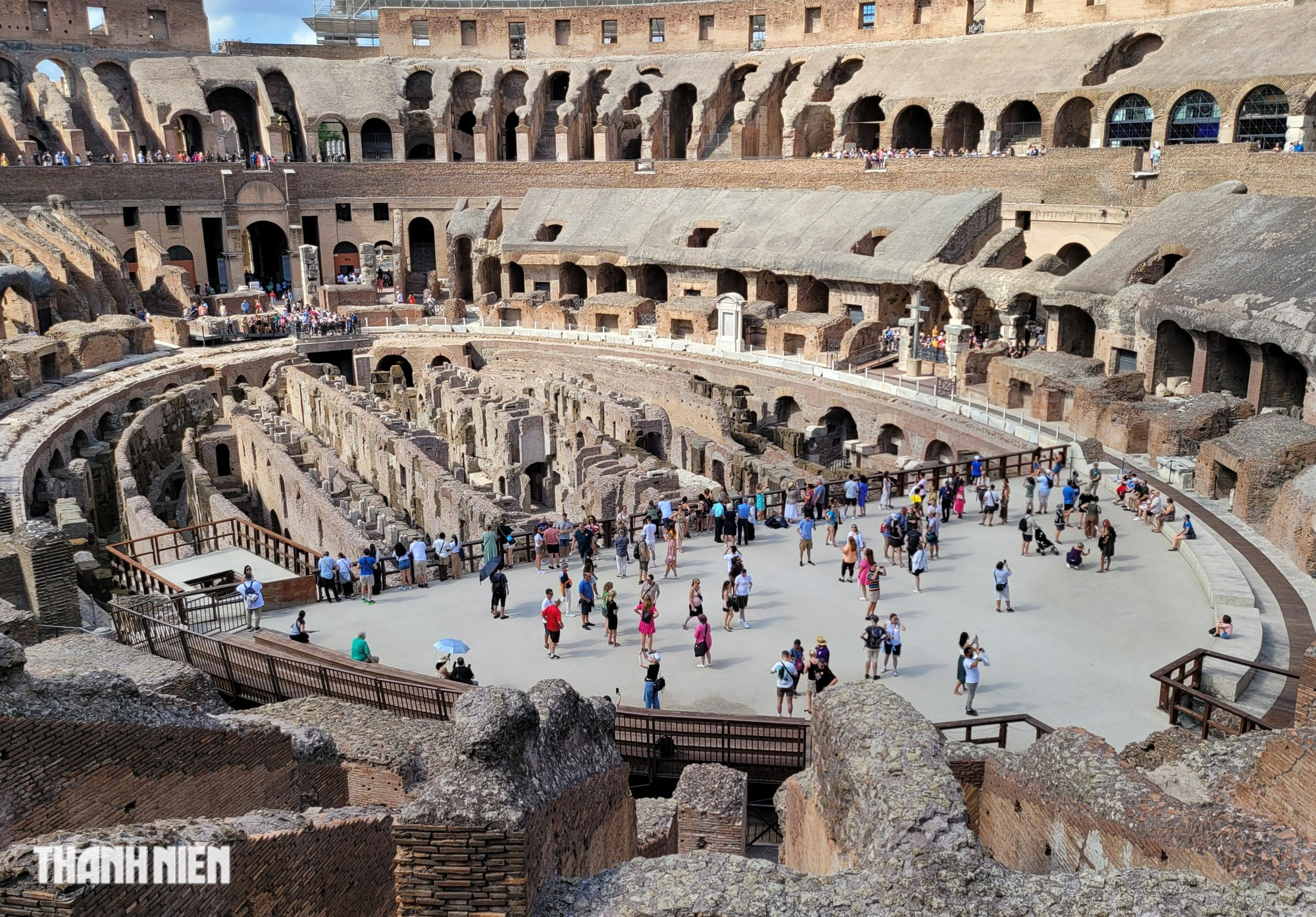
Ancient building materials, especially concrete, continue to amaze modern humans.
The research team, which included researchers from the United States, Italy, and Switzerland, analyzed 2,000-year-old concrete samples taken from a city wall at the Privernum archaeological site in central Italy, which had a similar composition to other types of concrete found throughout the Roman Empire.
They discovered that the white particles in concrete, called lime, help the concrete to seal cracks that form over time.
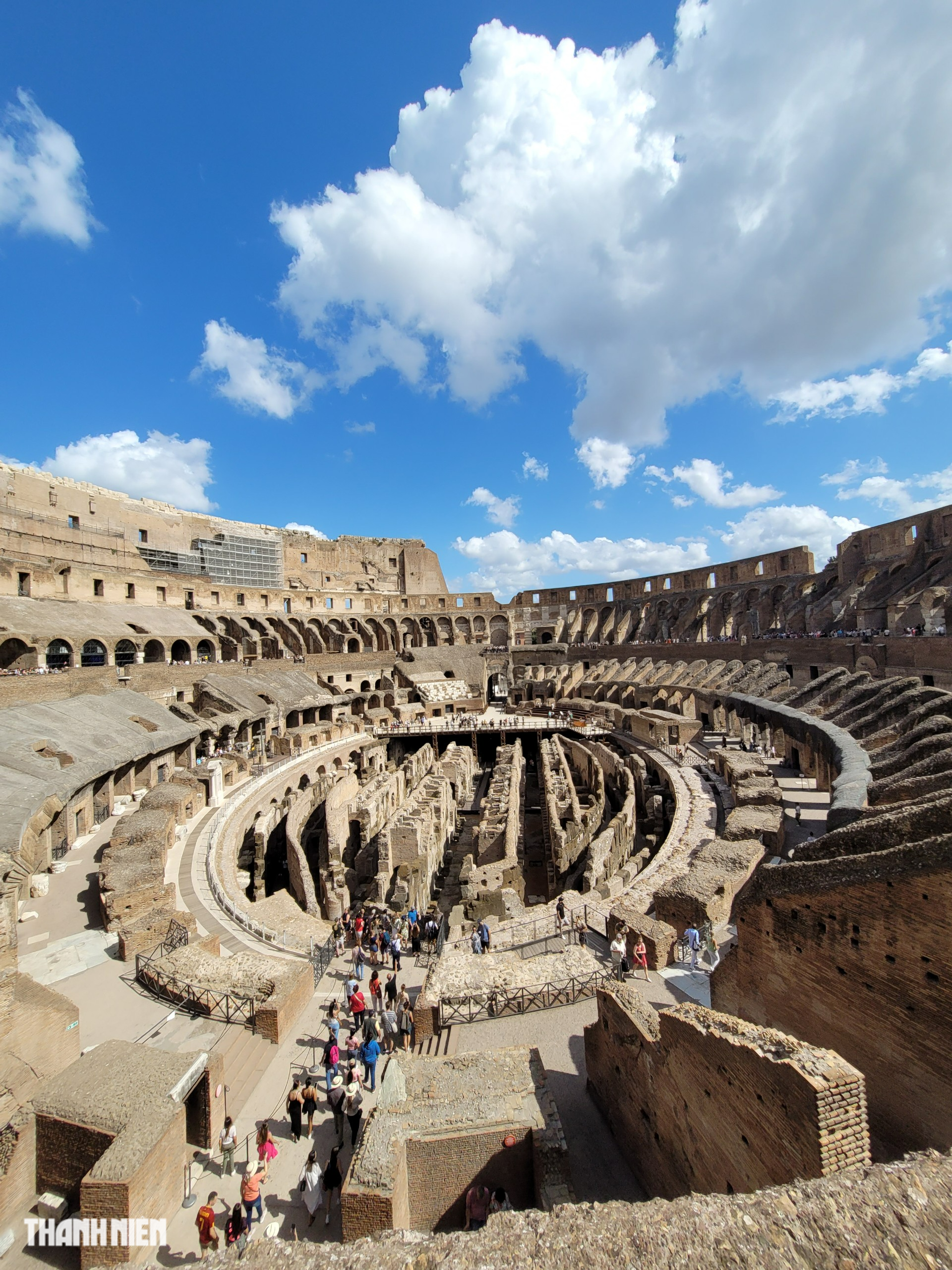
The grandeur of this 2,000-year-old structure leaves people today in awe.
Study author Admir Masic, associate professor of civil and environmental engineering at the University of California, told CNN : "Researchers wrote down precise formulas and applied them to construction sites throughout the Roman Empire. Concrete allowed the Romans to revolutionize architecture. And that revolution fundamentally changed the way people live."
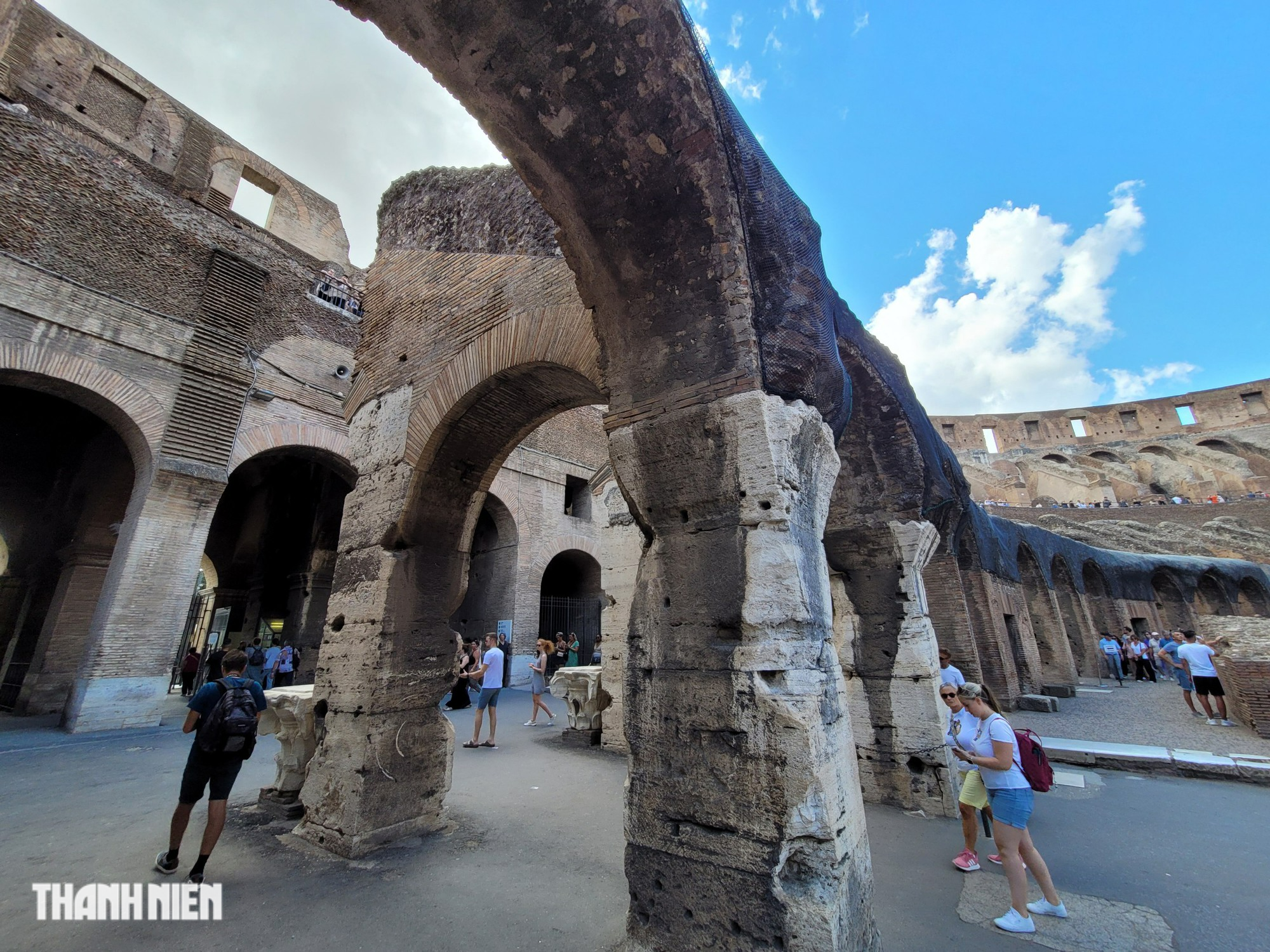
The area above the stands
To investigate whether the lime layers were the reason for Roman concrete's apparent self-healing properties, the team conducted an experiment.
They made two concrete samples, one using the Roman formula and the other using modern standards, and deliberately cracked them. After two weeks, water could not flow through the concrete made using the Roman formula, while it flowed straight through the concrete made without lime.
Their findings show that lime layers can recrystallize after contact with water, healing weather-induced cracks before they spread. The researchers say this self-healing potential could pave the way for the production of more durable and therefore more sustainable modern concrete.
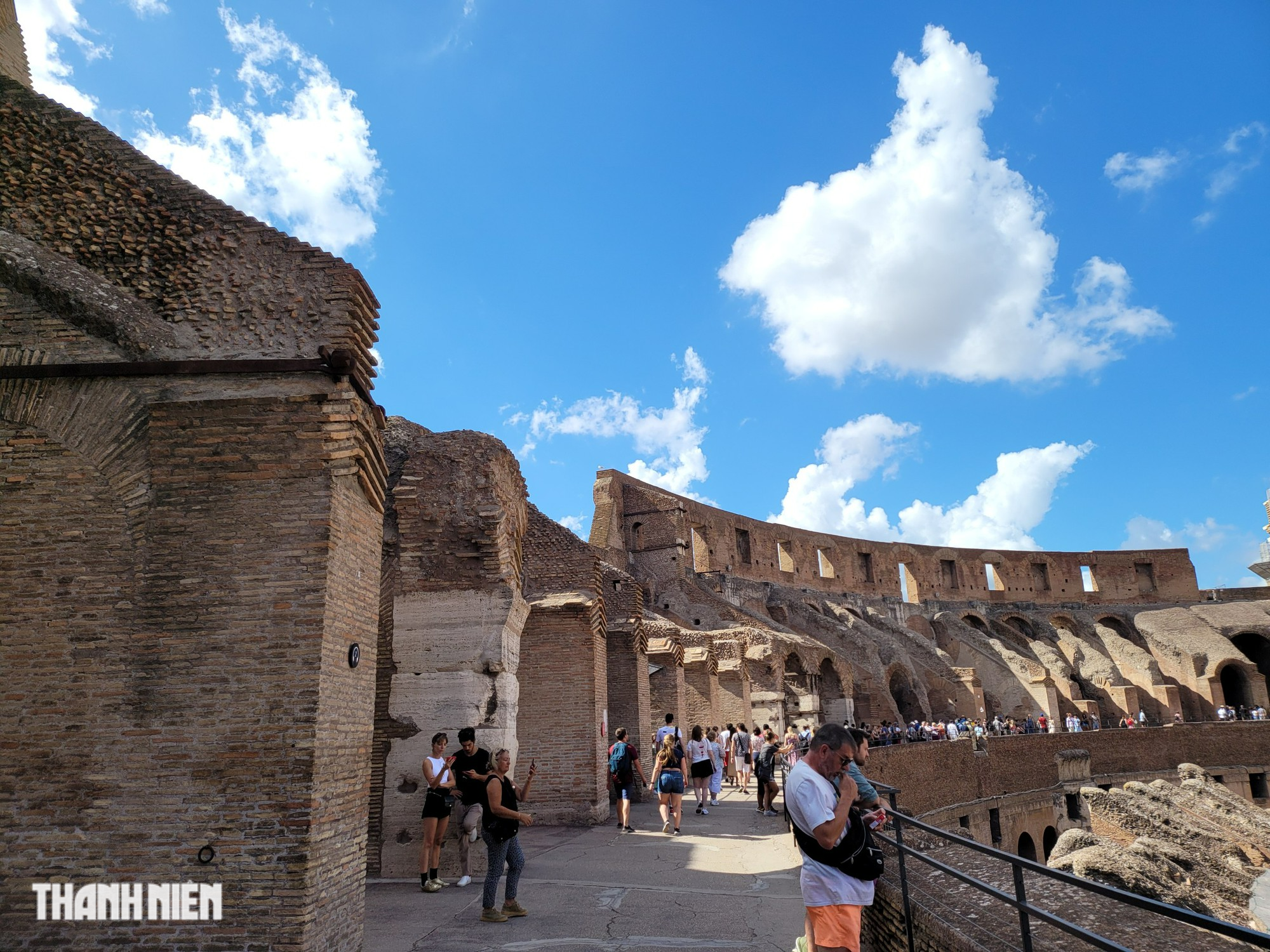
From the stands, visitors look down at the arena.
For many years, researchers thought that volcanic ash from the Pozzuoli area, on the Bay of Naples, was what made Roman concrete so strong. This ash was transported across the vast Roman Empire for construction, and was described by architects and historians of the time as a key component in concrete production.
Masic argues that both components are important, but Roman research on lime has been overlooked in the past.
Source link

























































































Comment (0)