Japan lost to Brazil 1-2 on the morning of June 30th, but this wasn't a match that should have brought them down. Coach Hajime Moriyasu's team had a clear plan, were well-organized, and entered the game with great ambition. The problem was, against Brazil, that wasn't enough.
The price of ambition
Speaking to Tri Thức - Znews , Philippe Troussier, former coach of the Japanese and Vietnamese national teams, said that Moriyasu was not wrong to choose a proactive approach. Japan did not enter the match with a purely defensive mindset. They wanted to control the ball, dictate the tempo, and play their own way.
"Moriyasu's plan is sound and reflects an ambitious approach," Troussier said.
From the start, Moriyasu used an attacking formation with Doan, Ito, Nakamura, and Kamada. The intention was clear: to retain possession, take the initiative, and impose their style of play. It was a courageous choice considering their opponent was Brazil.
But top-level football rarely goes according to plan. Brazil had enough quality to steer the game in a different direction. Japan wanted to attack, but reality forced them to defend more. The players chosen to press upfront had to do a lot of off-ball work: pressing, dropping back, closing spaces, and maintaining the team's structure.
"Japan spends more time defending than attacking," Troussier analyzed.
Japan played well in the first half because they maintained discipline. Moriyasu's team didn't lose their structure, weren't swept away by Brazil's attacking rhythm, and still found dangerous counter-attacks. One of them resulted in a goal.
That was the best part of Japan's plan. They didn't just passively accept defeat. They knew how to counterattack when gaps arose. They played with meticulous preparation and very high intensity.
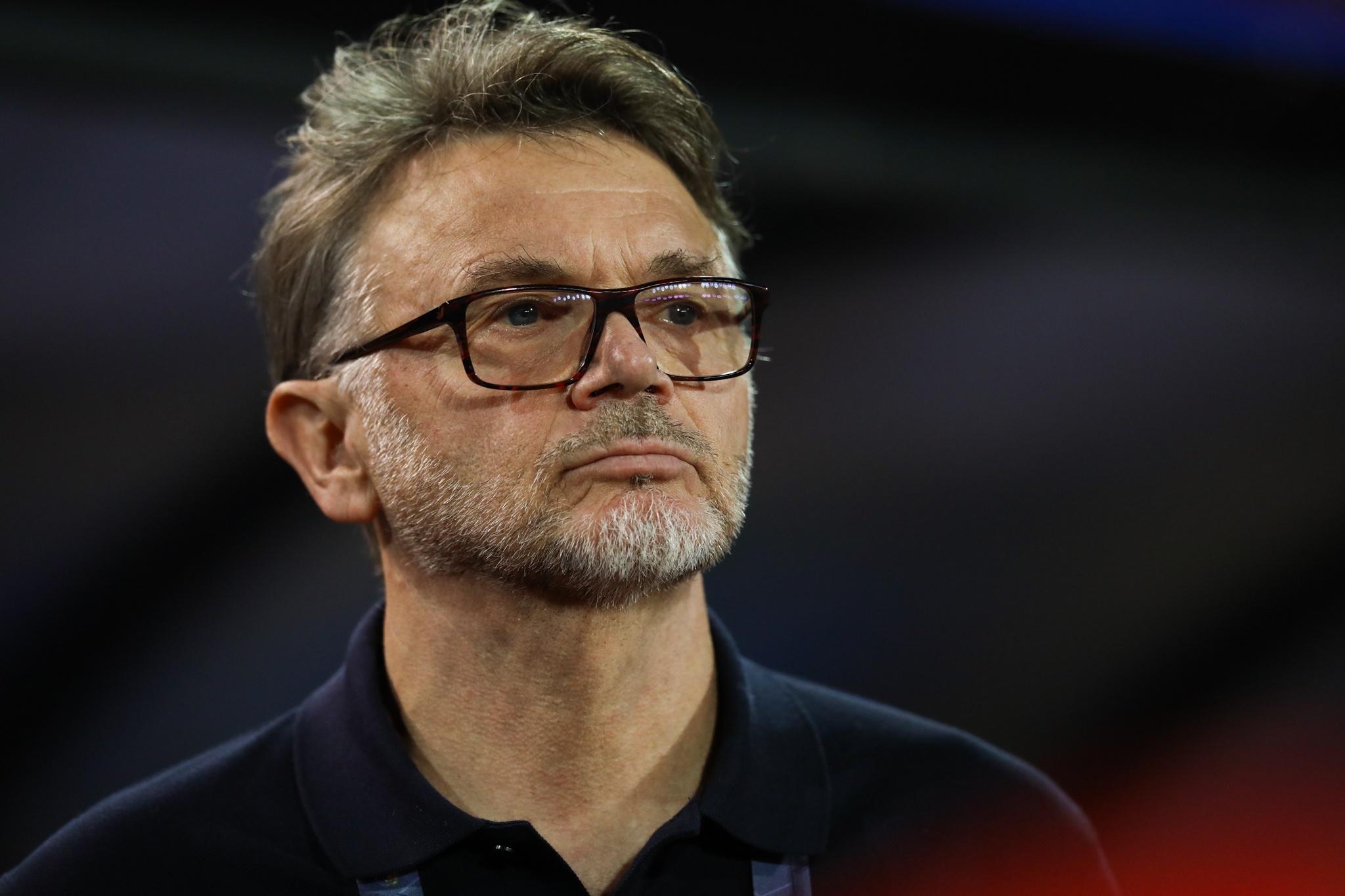 |
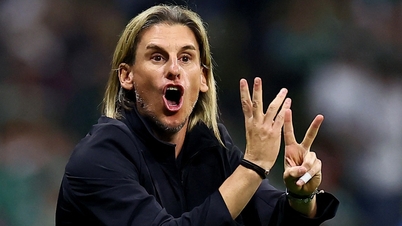
Philippe Troussier believes Japan had a sound plan against Brazil, but failed to maintain the intensity in the second half. |
But that style of play came at a price. The Japanese attackers expended too much energy on defensive duties. In the second half, they could no longer maintain the same intensity. As a result, Japan gradually lost their ability to counter-attack and were increasingly drawn back into their own half.
That was the turning point. When a team no longer has the strength to counter-attack, the defensive block is pushed back. When they retreat deep, it becomes harder for them to retain possession. And when they can't retain possession, Brazil is in a position to apply constant pressure.
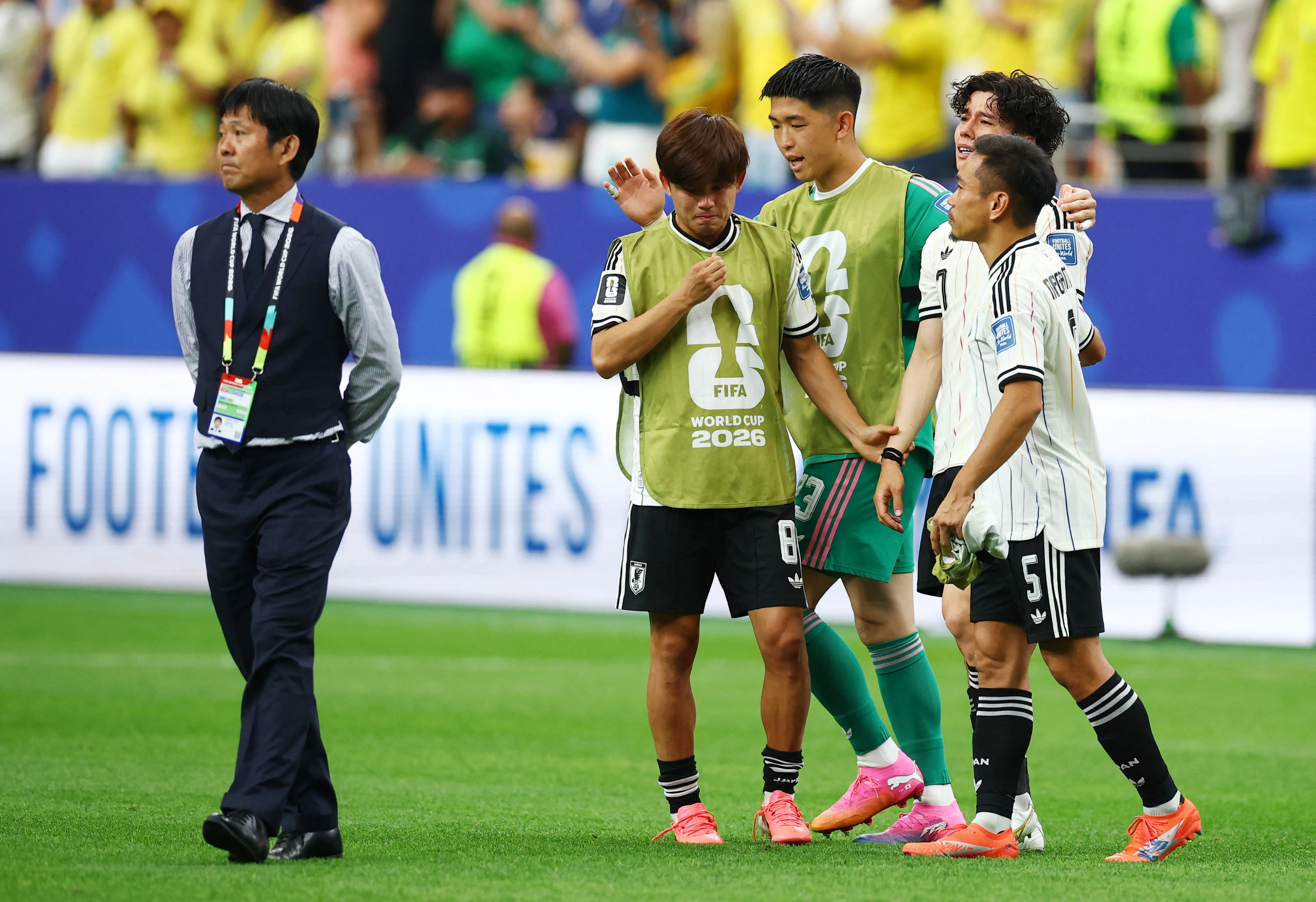 |
The absence of Minamino, Kubo, and Mitoma leaves Japan lacking in unpredictable attacking options. You may also like  History of confrontations between the USA and Bosnia & Herzegovina: The home team is undefeated, awaiting a high-pressure knockout test.The head-to-head history between the USA and Bosnia & Herzegovina favors the home team. The USA is unbeaten in their three previous encounters with Bosnia & Herzegovina, with two wins and one draw.  USA vs Bosnia & Herzegovina Prediction, 07:00 on July 2nd: Home team celebrates again.TPO - USA vs Bosnia & Herzegovina football match preview, 7:00 AM on July 2nd, Round of 16, World Cup 2026 - team news, expected lineup, form, and head-to-head history. After witnessing co-hosts Canada and Mexico qualify for the Round of 16, the US team is determined to defeat Bosnia & Herzegovina to secure their place in the next round. With the coaching skills of Pochettino, the US team promises to create more celebrations across the country.  Japan's bitter lesson after their loss to Brazil.According to former Tottenham Hotspur manager Ange Postecoglou, Japan didn't lose to Brazil simply because of a difference in class, but because they lost the initiative at the very moment they needed to maintain it most. |
Troussier pointed out that at that time, Moriyasu didn't have many similar attacking options on the bench. The absence of Minamino, Kubo, and Mitoma became very significant. They were players who could bring creativity, speed, and new energy to the attack. More importantly, they could help Japan continue to put pressure on Brazil, instead of just sitting back and defending.
Without those options, Japan's substitutions leaned towards maintaining balance. This is understandable. Moriyasu needed to protect the team's structure against increasing pressure. But the consequence was that Japan gradually lost what they initially wanted to do: control the ball, dictate the tempo, and force Brazil to defend.
Once Brazil establishes consistent pressure, their individual quality comes to the fore. In big matches, that's often what makes the difference.
"Against a team of Brazil's caliber, defending for an extended period without the ability to threaten is very difficult to sustain," Troussier emphasized.
Japan didn't collapse. They simply lacked the strength and the strategies to keep the game evenly balanced until the end.
The loss to Brazil did not diminish the progress of Japanese football. On the contrary, it showed that their foundation is very solid. Japan is organized, technically skilled, and has collective discipline. They are capable of causing problems for a top-tier team.
However, the World Cup, especially in the knockout rounds, is not just a test of collective strength. Many matches are decided by an individual who can make a difference. A dribble. A key pass. A burst of speed. A bold decision when the game is tightly contested.
Japanese glass ceilings
Troussier believes this is Japan's next step. They need to increase squad depth and add players capable of changing games with their talent, personality, and creativity.
"At the highest level, individual qualities often make the decisive difference," said the former coach of the Japanese and Vietnamese national teams.
That's the difference between a very good team and a team that can go deep. Japan has had a strong squad, a clear identity, and consistent progress over the past two decades. But to win in the World Cup knockout rounds, they need more players who can do something special at something special.
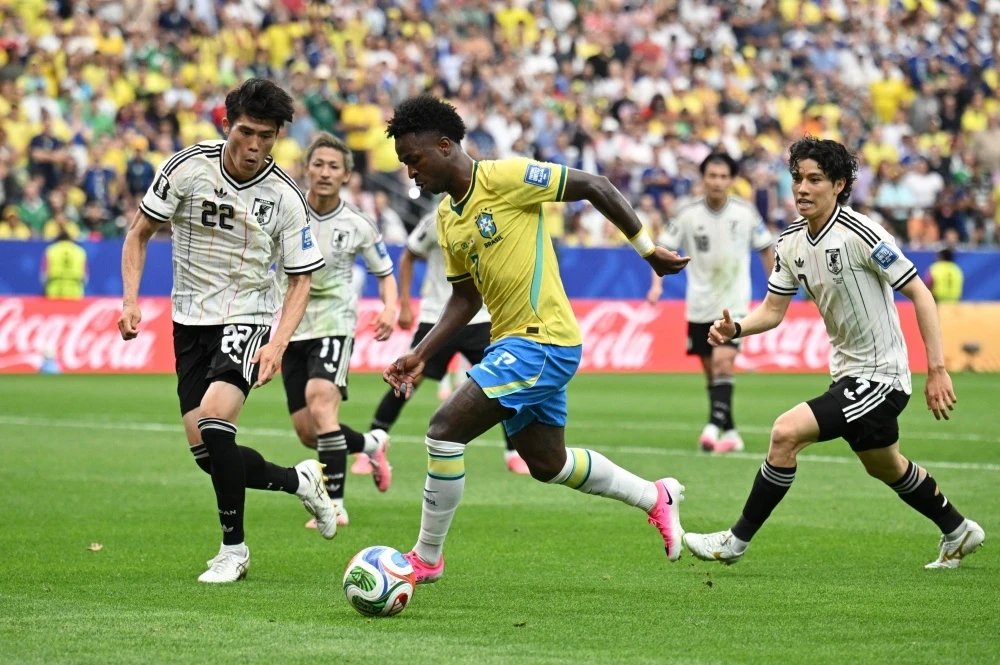 |
According to Troussier, Japan has yet to break the "glass ceiling" in the World Cup knockout rounds. |



Troussier called it the iconic "glass ceiling" of Japanese football: their first World Cup knockout round victory.
"Japanese football has yet to break through the iconic glass ceiling: winning its first knockout match at the World Cup," he said.
That milestone is still waiting for Japan. They have come close many times, given the impression of being ready many times, but the final step has yet to be taken. To achieve it, Japan must continue to develop at all levels, increase the depth of their team, and help players become more confident in showcasing their individual qualities on the biggest stage.
Japan is no longer just a team that can spring surprises. They have become a serious contender. They have a strong enough foundation to give Brazil a tough time. But World Cup history is only rewritten when a team crosses that final boundary.
For Japan, that boundary is still ahead.
Source: https://znews.vn/brazil-chi-ra-gioi-han-cua-nhat-ban-post1664580.html
![[Image] National conference summarizing one year of operation of the overall organizational model of the political system, the three-tiered government model.](https://vphoto.vietnam.vn/thumb/1200x675/vietnam/resource/IMAGE/2026/07/01/1782882811691_ndo_br_1-jpg.webp)