

In the context of increasingly improved tax policies aimed at supporting citizens and promoting economic development, regulations on exemptions and reductions of personal income tax have also been expanded and made more specific.
Accordingly, Law No. 109 on Personal Income Tax, passed by the 15th National Assembly in December 2025, stipulates that many income items are exempt from tax, focusing on key groups such as income from the transfer, inheritance, and gifts of real estate between relatives and in cases where an individual owns only one house and land; income from agricultural, forestry, and fishery production and conversion of agricultural land; financial interest such as government bonds, deposits, insurance, and remittances; wages in some specific cases such as overtime work, pensions, and international seafarers; along with scholarships, compensation, charity, and aid.
Furthermore, the law exempts income from scientific activities, innovation, startups, and carbon credits, as well as certain special categories, from taxes. In addition, taxpayers may receive tax reductions during difficult times and temporary tax exemptions for high-tech personnel, along with incentives for securities and investment fund investments.
Suggestions for improving regulations on tax management.
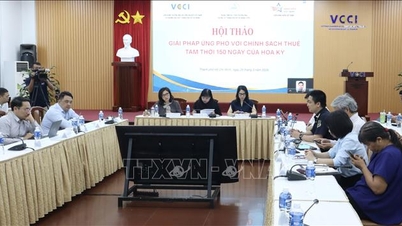
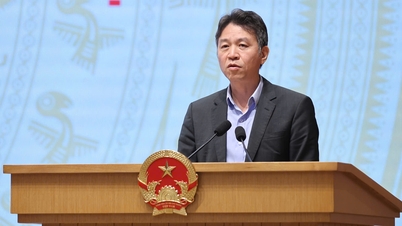
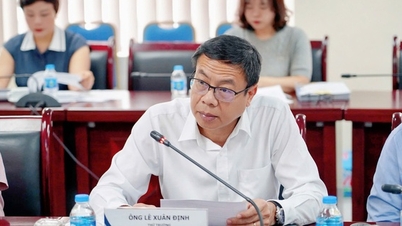
On the morning of March 27th, in Hanoi, the Vietnam Federation of Commerce and Industry, in coordination with the Tax Department (Ministry of Finance), organized a workshop to gather feedback on the draft decree detailing the Law on Tax Administration and the draft decree on electronic invoices and documents.
Businesses and associations have proposed adjustments to some regulations related to electronic invoices for household businesses and enterprises, aiming for greater flexibility, reduced compliance costs, and better alignment with operational practices.
For example, allowing bank transfer transactions to have end-of-day invoices issued instead of requiring immediate invoices, e-commerce platforms to issue invoices on behalf of sellers, and industries that accept deposits to issue invoices upon completion of the purchase and sale.
Previously, many opinions also suggested that some current regulations could create difficulties for small businesses, such as requiring them to record full buyer information on each invoice. Or, businesses might have to issue invoices 24/7 even when goods or services have only received deposits and are not yet completed.
The feedback received at the workshop will be compiled and reported to the drafting agency to further refine the policy, ensuring its feasibility and consistency during implementation in the future.
Source: https://vtv.vn/cac-thu-nhap-duoc-mien-thue-thu-nhap-ca-nhan-100260327150321501.htm



















































































Comment (0)