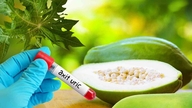
Elevated blood uric acid levels are a common condition that can lead to gout, kidney stones, and many other health problems. Uric acid is a metabolic product of purines in the body; when its concentration remains high for a long time, it accumulates and forms crystals, causing swelling and pain in the joints.
Besides modern medical treatments, many recent studies have shown that herbal leaves, particularly betel leaves (Piper betle), can help reduce uric acid levels. In addition, betel leaves offer many other health benefits such as improved digestion, oral health, and blood sugar control.
1. The effect of betel leaves on uric acid.
- 1. The effect of betel leaves on uric acid.
- 2. How to use betel leaves to help control uric acid.
- 3. Other health benefits of betel leaves
- 4. How to choose and preserve betel leaves
- 5. Notes on using betel leaves
Betel leaves contain substances such as:
- Tannins and alkaloids: Help inhibit the enzyme xanthine oxidase (XO), thereby reducing uric acid production.
- Antioxidants (flavonoids, polyphenols): Help reduce oxidative stress and protect cells from inflammation and damage.
- Anti-inflammatory compound: Reduces swelling and joint pain, supporting the treatment of inflammatory problems related to high uric acid levels.
Experimental studies on animals have shown that betel leaf extract can significantly reduce uric acid levels in the blood. Specifically, in a study on Wistar rats with hyperuricemia, uric acid levels decreased from 8.09 mg/dl to 2.02 mg/dl after administration of betel leaf extract. This effect is mainly due to anti-inflammatory and antioxidant compounds, which help reduce arthritis, swelling, and pain.
Note: There are currently no large-scale studies on humans to fully confirm this effect, so betel leaves should not be considered a substitute for medicine, but rather a supplementary solution.
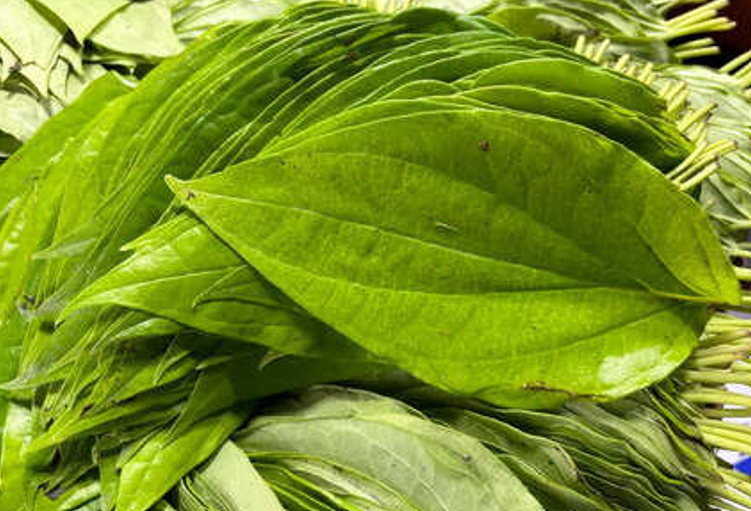
Studies show that betel leaves contain natural compounds that help reduce inflammation and support the control of uric acid levels.
2. How to use betel leaves to help control uric acid.
The simplest way to use betel leaves:
2.1 Chewing fresh betel leaves: Chew 2-3 fresh, washed betel leaves daily, especially in the morning on an empty stomach, to help the body absorb beneficial compounds.
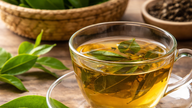
2.2 Drinking betel leaf juice: Wash the leaves thoroughly, crush them, and squeeze out the juice to drink. You can dilute it with warm water for easier consumption.
Note: When using betel leaves to help control uric acid, avoid smoking or using tobacco products.
3. Other health benefits of betel leaves
According to traditional Indian medicine (Ayurveda), betel leaves are also recommended in remedies to help relieve coughs, colds, and digestive problems, as well as improve bone and joint health.
3.1. Maintaining oral health
Betel leaves contain many antibacterial compounds that help kill bacteria causing bad breath, cavities, plaque, and other oral diseases. Chewing betel leaves after meals can:
- Reduces bad breath, toothache, and gingivitis.
- Supports digestion and enhances nutrient absorption.
3.2. Improve digestion
The substances in betel leaves stimulate bowel movements, prevent bloating, support excretion, and protect the intestines. As a result, the body absorbs vitamins and minerals better, while also promoting metabolism.
3.3. Supporting diabetes management
Some studies suggest that betel leaf powder may help lower blood sugar levels in people newly diagnosed with type 2 diabetes. Thanks to its antioxidant properties, betel leaves help combat oxidative stress and reduce inflammation caused by high blood sugar, supporting long-term disease management.
4. How to choose and preserve betel leaves
- Selection: Choose fresh, shiny leaves that are free from tears, wilting, or black spots.
- Storage: Wash, pat dry, wrap in slightly damp paper towels, then place in an unsealed bag or container and store in the refrigerator. Use within 3–7 days.



- Food safety: Store the leaves like other fresh herbs - wash thoroughly before use and avoid cross-contamination.
5. Notes on using betel leaves
- Betel leaves are only a supportive measure and cannot replace medication for treating high uric acid or gout.
- Do not use betel leaves if you are pregnant, have allergies, or have serious stomach problems.
- Combine a healthy diet: Limit purine-rich foods (red meat, seafood), increase green vegetables, drink enough water, and exercise regularly to help control uric acid.
Betel leaves are a versatile herb, both an integral part of culture and offering numerous health benefits. With their anti-inflammatory, antioxidant, and digestive-supportive properties, betel leaves can help control uric acid levels, while also improving oral health, digestion, and blood sugar control.
However, the use of betel leaves should be combined with a proper diet, regular exercise, and regular medical check-ups. This is a safe natural solution, but it does not completely replace medication and modern medical therapies.
Source: https://suckhoedoisong.vn/cach-dung-la-trau-khong-giam-axit-uric-169251118214633606.htm