Ingredients for making stir-fried shrimp
To achieve a delicious stir-fried shrimp dish, ingredient selection is crucial. Prioritize fresh shrimp varieties such as freshwater shrimp, whiteleg shrimp, or tiger shrimp. These types of shrimp have sweet flesh, thin shells, and absorb seasonings easily when stir-fried.
Besides shrimp, some commonly used ingredients include red onion, garlic, fish sauce, sugar, ground pepper, and cooking oil. Depending on family preferences, cooks can add green onions, chili peppers, or a little honey to enhance the color and flavor of the dish.
According to culinary experts, fresh shrimp naturally has a high water content. Therefore, combining the right proportions of spices and controlling the temperature during frying will determine whether the dish is flavorful and retains its firm texture.
How to fry shrimp to make them delicious and crispy.
To make delicious and non-fishy stir-fried shrimp, the first step is thorough preparation. After washing, you should cut off the antennae, legs, and pointed head of the shrimp. For larger shrimp, you should remove the black vein on their backs to make the dish cleaner and reduce the fishy smell.
Many chefs recommend draining the shrimp thoroughly before adding them to the pan. If the shrimp still contain a lot of water, the frying process will take longer, making the shrimp meat mushy and difficult to achieve the desired crispiness.
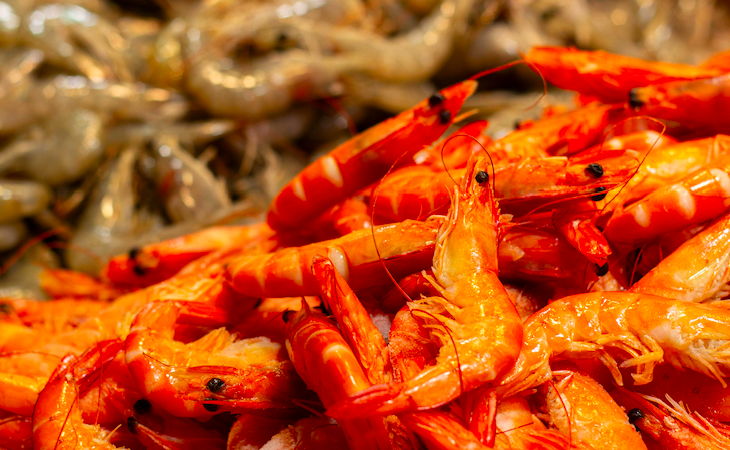
Illustration photo: Pexels
When cooking, heat the pan first, then add the oil, followed by the onions and garlic. Once the onions and garlic are fragrant, add the shrimp and stir-fry over high heat until the shells quickly turn a beautiful reddish-orange color. This step helps retain the juices inside the shrimp meat.
When the shrimp start to firm up, you can lower the heat to a medium level to allow the seasonings to penetrate evenly. One of the secrets to making flavorful stir-fried shrimp is to let the juices released from the shrimp evaporate slowly while stirring continuously. This method helps concentrate the flavor without using too many spices.
Finally, many people often increase the heat for a short time to sear the outer shell. This trick helps the shrimp achieve a slightly crispy texture, an attractive color, and reduces the fishy smell.
The finished product should have shrimp with a natural bright red color, dry shells, firm flesh, a fragrant fish sauce aroma, and no unpleasant fishy smell.
Things to note when choosing shrimp
To choose fresh and delicious shrimp, buyers should pay attention to their color. Fresh shrimp usually have shiny, translucent shells, firm bodies, and heads that are firmly attached to the body. If you see shrimp with unusually discolored shells, black spots, or soft, mushy bodies, you should not buy them.
Additionally, fresh shrimp typically have a characteristic muddy, fishy smell, not a foul or fishy odor. If you smell anything unusual, it's best not to choose them as it may affect the taste of the dish and compromise food safety.
For stir-fried shrimp, many chefs recommend choosing medium-sized shrimp rather than overly large ones. These shrimp tend to absorb seasonings more easily, cook faster, and offer a more balanced flavor after cooking.



By paying attention to everything from selecting and preparing the ingredients to adjusting the heat during cooking, you can easily make delicious, flavorful stir-fried shrimp with a crispy shell and no fishy smell, adding appeal to your family meals.
(Synthetic)
Source: https://vietnamnet.vn/cach-rang-tom-ngon-gion-rum-dam-da-khong-bi-tanh-2523307.html


![[Image] National conference summarizing one year of operation of the overall organizational model of the political system, the three-tiered government model.](https://vphoto.vietnam.vn/thumb/1200x675/vietnam/resource/IMAGE/2026/07/01/1782882811691_ndo_br_1-jpg.webp)