


Hanoi's Market Management Force is intensifying inspections and controls on food safety in My Duc district.
In large cities, parents aren't the first to arrive at school gates to wait for their children to finish classes. The most prime spots in these areas are usually already occupied by vendors selling all kinds of food and drinks from bicycles and pushcarts.

Street food poses many potential risks to food hygiene and safety.
Many people underestimate the risks of street food.
While waiting to pay for a baked pastry for her grandchild in front of the elementary school, Ms. Vu Thi Ha (Ba Dinh district, Hanoi) shared: "I know the food here isn't safe, but my grandchild asks for it every day, so eating it once in a while probably won't hurt."
Not only appealing to children, for many people, street food stalls and eateries have become a familiar part of life, from breakfast to lunch. However, according to health experts, this poses a significant risk of food poisoning, especially as the weather gets warmer.
Speaking about the risk of food poisoning every summer, Dr. Huynh Hoai Phuong - Center for Endoscopy and Endoscopic Surgery of the Digestive System (Tam Anh General Hospital) said that high temperatures create favorable conditions for bacteria, mold, and many other harmful agents to multiply and develop rapidly.
“E. coli bacteria cause intestinal diseases and diarrhea; Salmonella bacteria cause typhoid fever; Shigella bacteria cause abdominal pain, diarrhea, and intestinal poisoning; Staphylococcus aureus bacteria cause pus in wounds; Clostridium bacteria cause diarrhea; Vibrio cholerae bacteria cause cholera… At temperatures between 32-43 degrees Celsius – the typical summer temperature – these bacteria multiply fastest, potentially doubling in just 20 minutes. Hot weather also causes food to spoil quickly and become rancid if not properly stored. Furthermore, in the summer, street food also poses a high risk of food poisoning. It's easy to find fast food stalls on the streets selling all kinds of sausages, grilled meat, fried meatballs, fried fermented pork rolls…; bottled or homemade drinks like juices and nut milks… These foods and beverages are often cheap, but are the processing methods guaranteed, and are the origin, source, and expiration dates clearly stated?” "Whether it's true or not, buyers are less concerned," said Dr. Phuong.

Students buy food in front of Quynh Mai Secondary School (Hanoi).
The number of food poisoning cases has tripled.
According to statistics from the Ministry of Health , in March 2024, there were 6 food poisoning incidents nationwide, affecting 368 people. In the first quarter of 2024, there were 16 food poisoning incidents nationwide, affecting 659 people – nearly three times more than the same period in 2023, including 3 deaths.
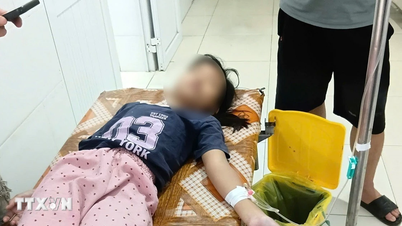
Most recently, in early April 2024, information from the Khanh Hoa Provincial Department of Health indicated that 10 students had been hospitalized with suspected food poisoning symptoms such as abdominal pain and vomiting after eating chicken rice sold around the school, each portion costing between 10,000 and 20,000 VND.
Previously, in mid-March 2024, Khanh Hoa province recorded 369 cases requiring hospital visits for examination and treatment after eating chicken rice at Tram Anh restaurant (Ba Trieu Street, Nha Trang City). Testing results from the Pasteur Institute in Nha Trang concluded that this was a case of food poisoning caused by microorganisms (Salmonella spp, Bacillus cereus, Staphylococcus aureus bacteria).
According to Mr. Nguyen Hung Long, Deputy Director of the Food Safety Department, the main causes of food poisoning in the summer are the favorable weather conditions for the growth of pathogenic bacteria, especially intestinal bacteria; plants and animals containing natural toxins (poisonous mushrooms, insects, trees, wild fruits, seafood, etc.); environmental pollution; and a lack of clean water for processing and sanitizing utensils.
Furthermore, improper processing and preservation of food ingredients, along with a lack of strict adherence to food safety regulations by some food production and processing facilities, contribute to this. The demand for fresh foods, unheated foods, street food, beverages, and ice has increased significantly in households, communal kitchens, large group meals, and tourist areas.
Strictly deal with violations.
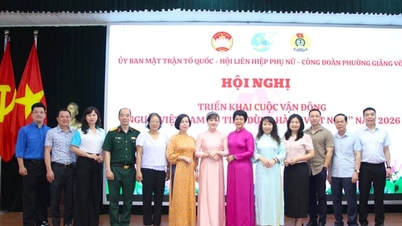
In order to enhance food safety and hygiene, the Central Inter-Ministerial Steering Committee on Food Safety has issued a plan to implement the "Month of Action for Food Safety" in 2024 from April 15th to May 15th nationwide.
Simultaneously, the Hanoi People's Committee issued Decision No. 1915 on the establishment of an inter-agency inspection team for food safety during the "Month of Action for Food Safety" in 2024. This is the first locality nationwide to implement the Month of Action, with the goal of focusing on handling violations of food safety and minimizing food poisoning, especially as summer approaches.
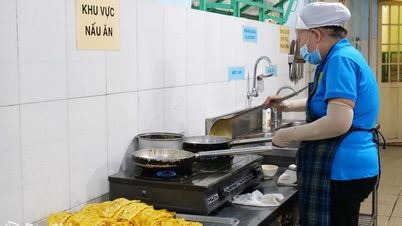
In addition to the four inter-agency inspection teams at the city level, districts, towns, and communes also established their own inspection teams. The health sector, in particular, focused on inspecting food service establishments, street food vendors; school and industrial park canteens; and establishments producing and selling bottled water and ready-to-use ice, according to their respective levels of authority…
According to Ms. Vu Thu Ha, Vice Chairman of the Hanoi People's Committee and Deputy Head of the Standing Committee of the Hanoi Food Safety Steering Committee, food safety is always a very "hot" and complex issue. Furthermore, the methods used by violators are becoming increasingly sophisticated, requiring close coordination among relevant functional units to prevent and handle violations. The action month must ensure tangible results; inspections should be conducted unexpectedly, and pre-announced inspections are strictly prohibited. In particular, inspections should focus on areas and establishments prone to violations. The inspection process must be thorough, leading to appropriate corrective measures.
According to Dr. Nguyen Trung Nguyen, Director of the Poison Control Center (Bach Mai Hospital), all types of food can be environments for pathogenic bacteria to thrive. In communal kitchens and large gatherings such as weddings and parties, there is a potential risk of food safety issues.
To reduce the risk of food poisoning during the summer, Dr. Nguyen advises people to eat cooked food (food that is not spoiled or rotten and not left out for more than 2 hours after preparation) and drink boiled water. Absolutely do not eat uncooked food such as blood pudding, fermented pork rolls, raw salads, expired canned food, or food that is swollen (containing gas-producing bacteria, possibly Clostridium botulinum). Fresh fruits must be soaked in clean water and thoroughly washed before eating. People should not eat raw vegetables, including those used as accompaniments in sandwiches, pho, bun cha, and grilled meat. Do not eat or drink any food that is suspected of being unsanitary, such as ice cubes, sugarcane juice sold on the street, or ice cream sold by street vendors.
Certain foods must be cooked thoroughly. Unused or leftover food should only be kept at room temperature for no more than two hours before being refrigerated. Absolutely do not purchase any cooked food or dishes that you suspect are of poor quality or unhygienic.
According to Ms. Dao Hong Lan, Minister of Health and Deputy Head of the Central Inter-Ministerial Steering Committee on Food Safety: Besides the achievements, the work of ensuring food safety still reveals many shortcomings and limitations. There is the smuggling of some hazardous foods, and many types of food are being sold through new business models (such as advertising on multinational social media platforms) that are difficult to manage. Post-inspection capacity is limited; there is a shortage of personnel, especially at the district and commune levels. Information technology has not yet been applied in food safety management. This situation has created and continues to create new demands, requiring increased responsibility from Party committees and local authorities, especially at the grassroots level, in ensuring food security and safety.
Source

















































































Comment (0)