Quantum technology - the new race for nations.
When quantum technology is mentioned, many people immediately think of quantum computers with computing power far exceeding that of current computers. However, according to scientists , that is only a part of a vast technological ecosystem that many countries consider the foundation for future technological power.
Recently, at a meeting of the Standing Committee of the Central Steering Committee on Science, Technology, Innovation and Digital Transformation to discuss the project "Research, Application and Development of Quantum Technology to Serve Socio-Economic Development, National Defense and Security," General Secretary To Lam emphasized the need for a unified understanding that quantum technology is a national strategic issue, not merely a field of scientific research.
Following the General Secretary's directive, the development of quantum technology needs to be placed within the overall implementation of Resolution No. 57-NQ/TW, linked to ensuring national security, national data, the semiconductor industry, artificial intelligence, space technology, and other strategic technologies.
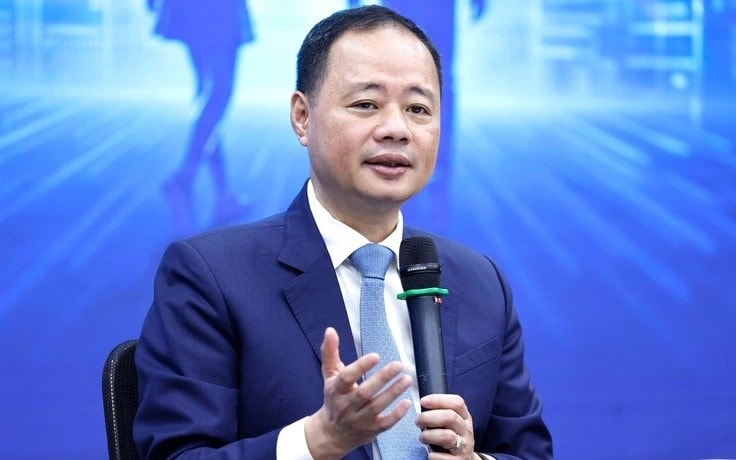
Explaining why quantum technology is placed in such an important position, Professor Tran Hong Thai, President of the Vietnam Academy of Science and Technology, said that quantum technology is no longer a separate academic research direction but is becoming a component of national strength in the digital age.
If data is considered the "new oil" of the digital economy, then quantum technology can directly impact computing power, communication, security, and data processing. Countries that master this technology will have a significant advantage in fields ranging from defense and cybersecurity to healthcare, finance, and high-tech industries.
According to experts, quantum technology is currently developing in many different directions, most notably quantum computing, quantum communication, quantum sensing, and quantum simulation.
According to Dr. Nguyen Quoc Hung, Director of the Institute of Quantum Technology, Vietnam National University, Hanoi, the world has invested in this field for more than two decades and is now entering a phase of accelerated application. Notably, along with this rapid development, many countries are also increasingly tightening control over the technology.
According to Mr. Hung, many countries are now restricting not only the transfer of core technologies but also controlling the supporting ecosystem, such as deep-freezing equipment, microwave control devices, and operating protocol standards. This makes quantum technology increasingly linked to the challenge of technological self-reliance.
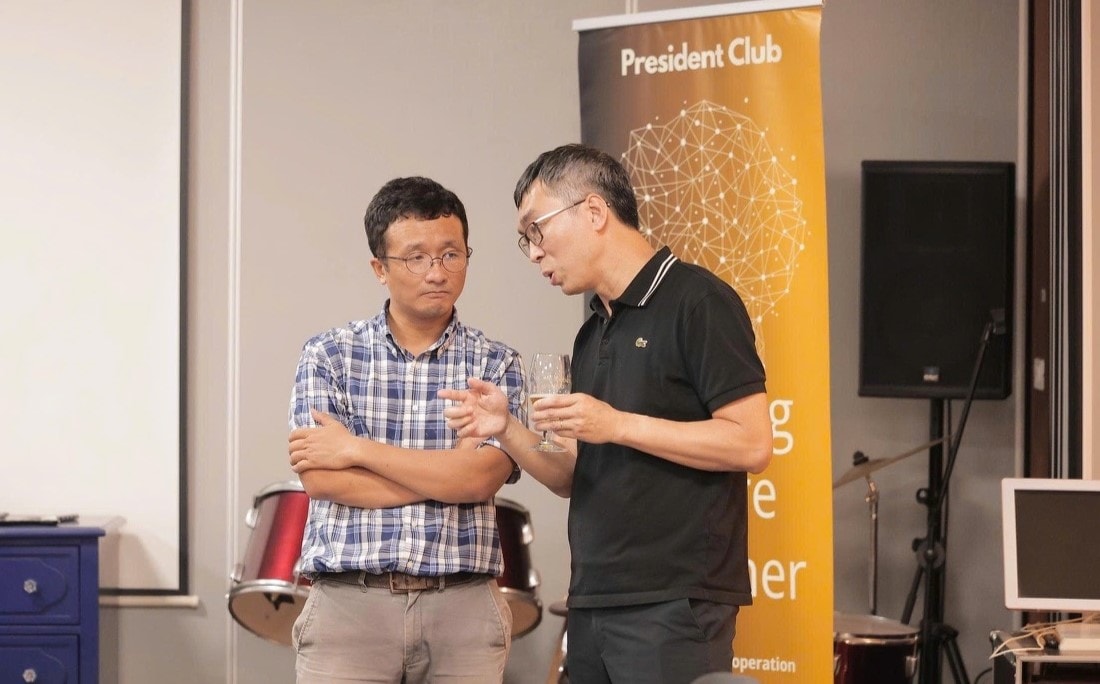
According to this expert, although Vietnam started later than the rest of the world, it still possesses significant advantages. One of these is its pool of international students and high-quality personnel studying and working abroad in fields such as artificial intelligence (AI), big data, and advanced technologies. This workforce is directly exposed to the latest research achievements in the world.
Furthermore, being a latecomer also helps Vietnam significantly reduce the costs and risks of the initial research and testing phase. Instead of having to find its own path from scratch, Vietnam can inherit results that have already been proven worldwide, focusing resources on directions that are more suitable to its actual conditions.
According to Dr. Nguyen Quoc Hung, Vietnam also has advantages in terms of international cooperation, a network of Vietnamese scientists working at many leading quantum centers worldwide, and the potential to attract high-tech investment.
However, the biggest challenge today is not the cost of the laboratory, but the lack of a systematic, coordinated, and long-term strategy.
Mr. Hung argued that Vietnam has repeatedly fallen into a vicious cycle: attracting talent but lacking research infrastructure; investing in machinery but lacking operators; or making large investments without producing tangible products. Meanwhile, the global competition for talent is fierce, with large technology corporations willing to pay very high salaries to attract quantum experts.
To solve this problem, according to Mr. Hung, Vietnam needs to remain steadfast in the spirit of Resolution No. 57-NQ/TW, while boldly building appropriate experimental mechanisms, accepting risks in research investment and equipment procurement, and creating a space for autonomy for scientists. Only with a long-term roadmap of 10 to 20 years and a substantive operating mechanism can quantum technology become a lever to enhance the nation's standing.
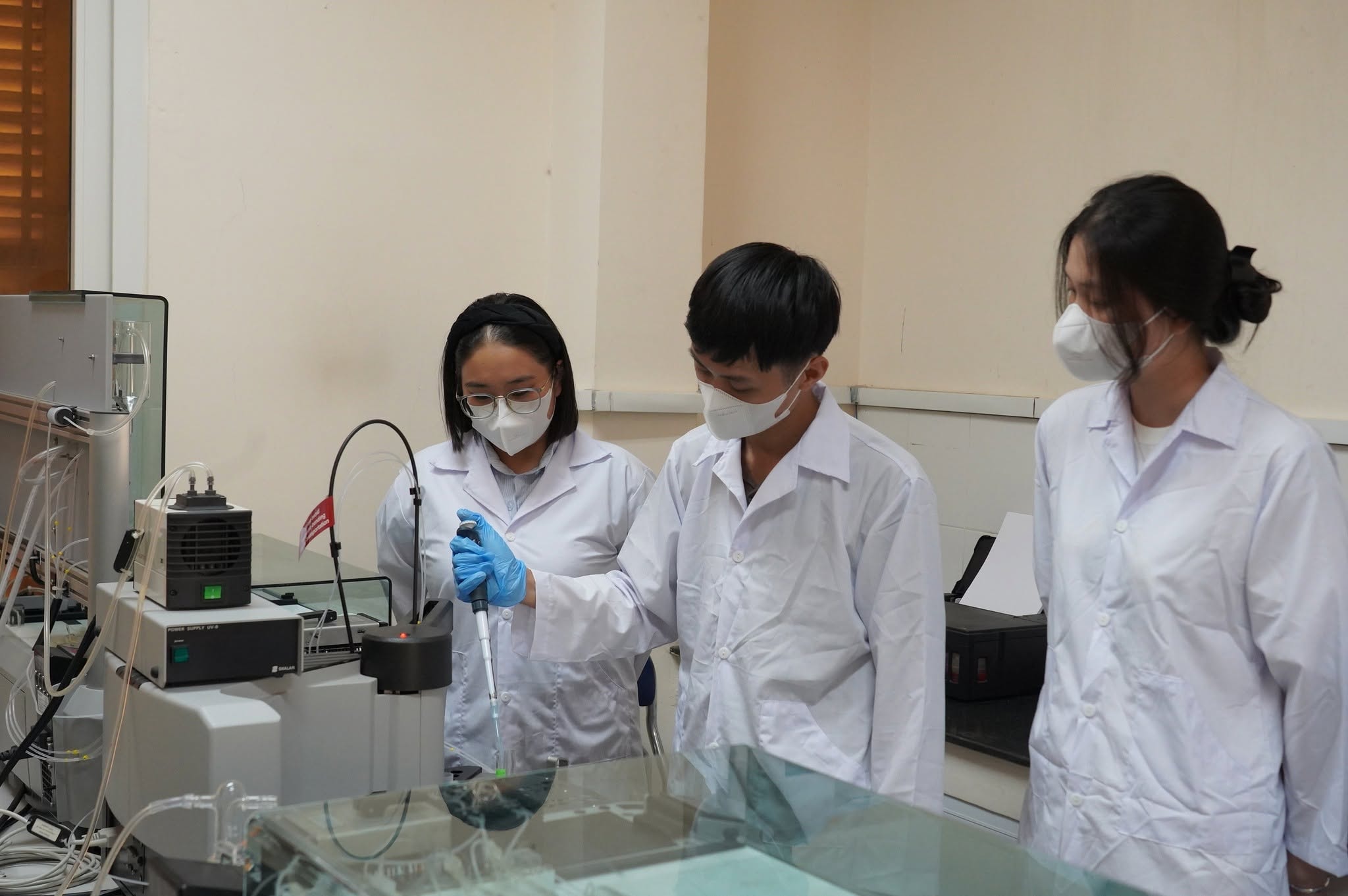


Choose the right path to develop genuine competence.
One of the most important aspects of the Project, which is being finalized by the Vietnam Academy of Science and Technology – the unit tasked with completing the project – is identifying priority areas for investment.
According to Professor Tran Hong Thai, Vietnam should not engage in a comprehensive race like technological superpowers, but rather choose paths that suit its actual conditions and have the potential to develop endogenous capabilities.
Dr. Nguyen Quoc Hung also suggested that the appropriate strategy is not to concentrate resources on manufacturing complete quantum computers, but rather to focus on more feasible core areas such as materials research, model design, noise reduction, or developing quantum programming solutions.
According to him, in the context of many international technology companies shifting their supply chains and research activities to Vietnam, this is an opportunity for Vietnam to gradually participate in the global quantum technology development chain.
With adequate preparation in terms of materials, human resources, and research capabilities, Vietnam can fully undertake the design, in-depth research, or supply of certain components for the international quantum ecosystem. The country's young and dynamic workforce can become an advantage in participating in niche segments where the world is in need.
Based on practical research and international experience, the Vietnam Academy of Science and Technology proposes five priority areas in strategic order.
First is quantum communications and security. This is considered a particularly strategically important field, given that current encryption systems are at risk of being breached when sufficiently powerful quantum computers emerge in the future.
Secondly, there is quantum simulation, quantum algorithms, and quantum software. According to Professor Tran Hong Thai, this is a direction that aligns with Vietnam's strengths in mathematics, computer science, and its high-quality young workforce. Vietnam can participate deeply in the value chain through the development of quantum algorithms, materials simulation, logistics optimization, quantum artificial intelligence, and high-performance computing applications.
Thirdly, there is quantum sensing and precision measurement. This is considered the field with the earliest potential for practical applications, with significant potential in GPS-independent positioning, monitoring critical infrastructure, geological and marine exploration, and biomedicine.
Fourthly, there are quantum photonic materials and components, which are linked to the national semiconductor industry development strategy.
Fifthly, training high-quality human resources is considered a decisive factor in the long-term success of the quantum technology development strategy.
"Early in raising awareness, solid in laying the foundation, and focusing on the key areas that can create real capabilities and real value," Professor Tran Hong Thai believes that this is the guiding principle for action in Vietnam's quantum technology field today.
According to the President of the Vietnam Academy of Science and Technology, to realize this goal, Vietnam needs to focus on building three core foundations.
Firstly, it involves building a strong human resources foundation through interdisciplinary master's and doctoral programs in quantum technology, while also attracting international experts and Vietnamese scientists abroad.
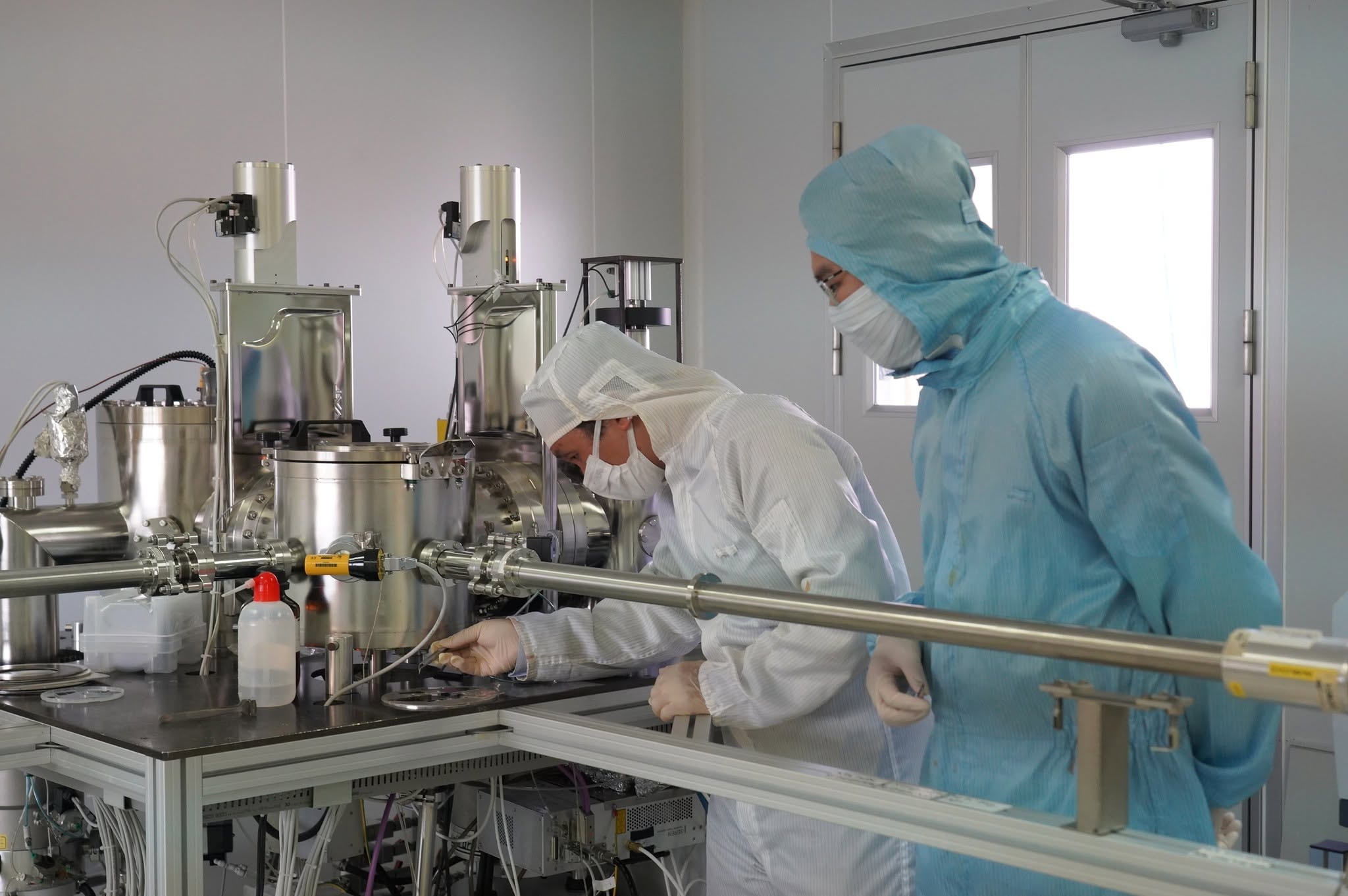
Secondly, there is the need for shared research infrastructure. Quantum technology requires specialized equipment systems such as cryogenic cooling systems, nano-cleanrooms, single-photon sources, or quantum key transmission testing infrastructure. Therefore, it is necessary to establish national shared laboratories instead of fragmented and dispersed investments.
Thirdly, there needs to be a sufficiently strong national coordination mechanism to connect research institutes, universities, businesses, and defense and security agencies within a unified strategy.
From a business perspective, Lieutenant General Tao Duc Thang, Chairman and CEO of Viettel, believes that core technologies will not be transferred easily. Therefore, Vietnam must determine a path of self-reliance, gradually progressing based on its own capabilities.
According to Mr. Tao Duc Thang, Viettel chose an approach of "going from small to large, from simple to complex, from mastery to self-reliance," starting with research, simulation, and testing on a small scale before expanding the application.



In particular, Viettel's leadership believes that post-quantum cryptography will be one of the most promising fields. When quantum computers become powerful enough to break current encryption algorithms, the demand for next-generation security solutions will increase dramatically. This also presents an opportunity for Vietnamese technology companies to participate more deeply in the global quantum technology value chain.

Meanwhile, the Ministry of Science and Technology is playing a connecting role in mobilizing resources to prepare the foundation for the next phase of development.
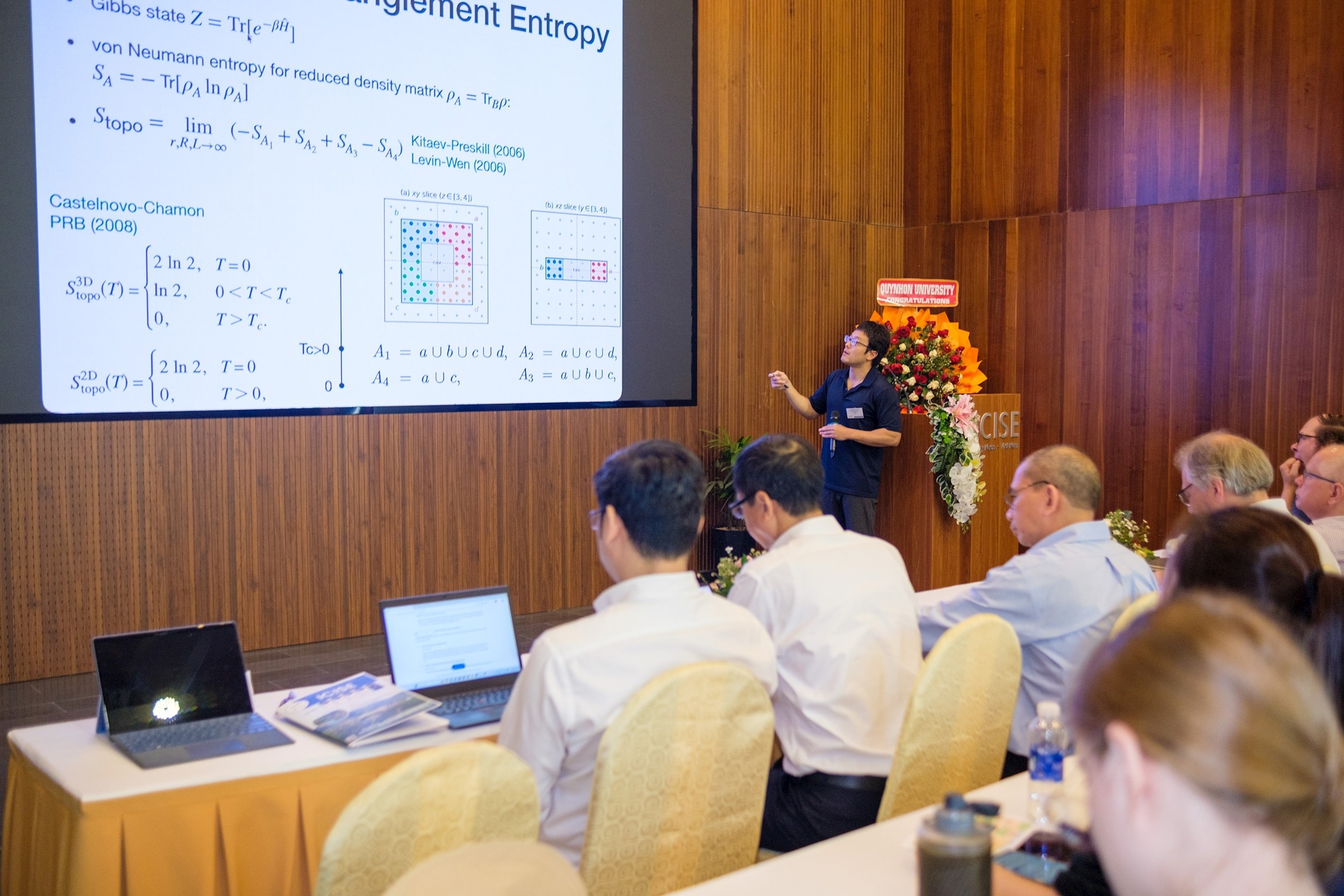
During a meeting with international scientists on the sidelines of the "New Advances in Research on Strongly Correlated Electronic Systems" conference held at the ICISE Center (Quy Nhon), Deputy Minister of Science and Technology Le Xuan Dinh affirmed that Vietnam identifies quantum technology as a long-term strategic technological direction.
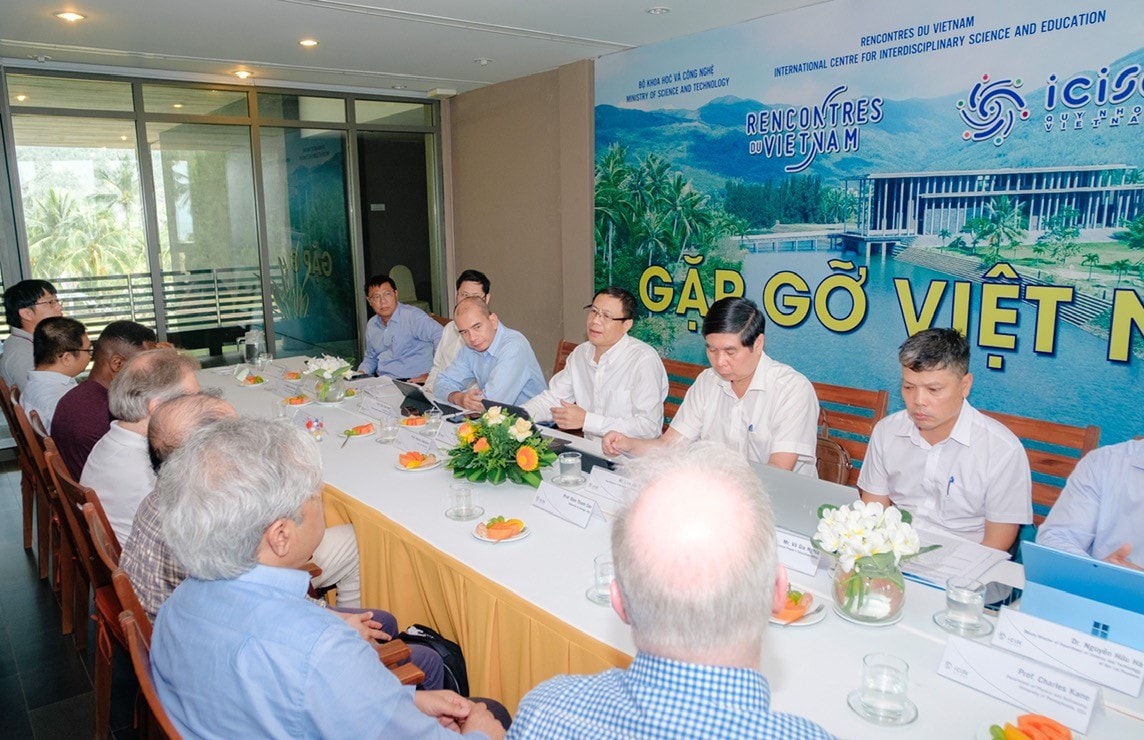
According to Deputy Minister Le Xuan Dinh, Vietnam is not approaching quantum technology as a fad, but rather aims to build genuine capacity, starting from basic science, training human resources, forming strong research groups, investing in shared infrastructure, and selecting application directions suitable to domestic conditions.
It may take 10 to 20 years to develop true quantum capabilities. However, with countries accelerating investment and technological barriers closing, preparation starting today will determine Vietnam's ability to seize opportunities in the future.
Therefore, finalizing the Quantum Technology Development Project is not just a scientific research program. More importantly, it is a step towards national technological self-reliance in a field that is predicted to shape the global competitive landscape for decades to come.
Source: https://hanoimoi.vn/cong-nghe-luong-tu-chuan-bi-tu-hom-nay-cho-nang-luc-tu-chu-cua-ngay-mai-1159383.html
![[Photo] Opening Ceremony of the 13th National Congress of the Ho Chi Minh Communist Youth Union](https://vphoto.vietnam.vn/thumb/1200x675/vietnam/resource/IMAGE/2026/06/24/1782286753905_ndo_br_1-8510-jpg.webp)

![[Photo] The 13th National Congress of the Youth Union conducts personnel work.](https://vphoto.vietnam.vn/thumb/1200x675/vietnam/resource/IMAGE/2026/06/24/1782299943080_ndo_br_1-6868-jpg.webp)
![[Photo] General Secretary and President To Lam attends the Central Public Security Party Committee Conference](https://vphoto.vietnam.vn/thumb/1200x675/vietnam/resource/IMAGE/2026/06/24/1782302063612_a1-bnd-9302-9166-jpg.webp)