Multiple values per area
Lao Cai is one of the provinces with the largest forest area in the country, with a total area of over 860,000 hectares and a forest cover rate of 61.5% by 2025. Not only does it serve as a "green lung," the province's forest ecosystem also possesses diverse resources in terms of landscape, biodiversity, and products found beneath the forest canopy.

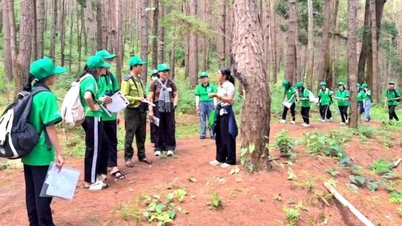
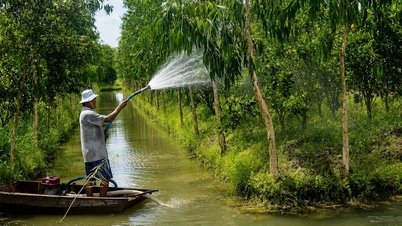
Lao Cai has over 860,000 hectares of forest, with a forest cover rate of 61.5% by 2025. Photo: Thanh Nga.
In the context of the whole country promoting green economy , circular economy, climate change adaptation, and fulfilling the commitment to net-zero emissions by 2050, the forestry sector in Lao Cai faces the need for a strong shift in development thinking.
While forests were previously primarily viewed from the perspective of management, protection, and timber exploitation, they are now gradually becoming an important resource for economic development, creating livelihoods for people, protecting the environment, and directly contributing to local economic development.
According to Mr. Nguyen Viet Ha, Head of the Forest Protection Department of Lao Cai province, the value of forests is not only measured by the amount of timber harvested but also lies in many other intangible values such as protecting water sources, maintaining landscapes, conserving biodiversity, absorbing carbon, and developing ecotourism services.
In reality, the situation in Lao Cai province shows that many values of the forest ecosystem have been initially exploited effectively through forest environmental services, ecotourism, medicinal plant cultivation under the forest canopy, organic cinnamon production, non-timber forest product development, and sustainable forest management.
To date, the province has over 42,800 hectares of forest certified for sustainable forest management, organic certification, and planting area codes; the cinnamon raw material area is approximately 147,600 hectares, and the bamboo shoot area is about 8,000 hectares. In addition, there are currently about 74 projects in the province that lease forest environmental services to develop ecotourism.

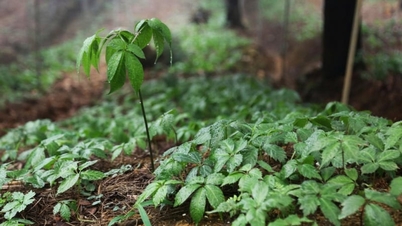
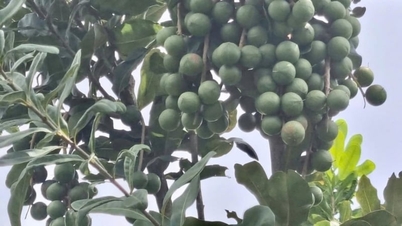
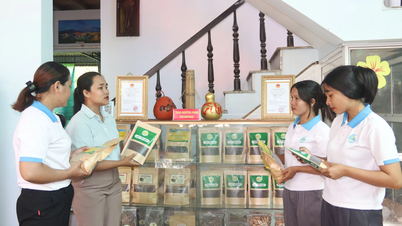
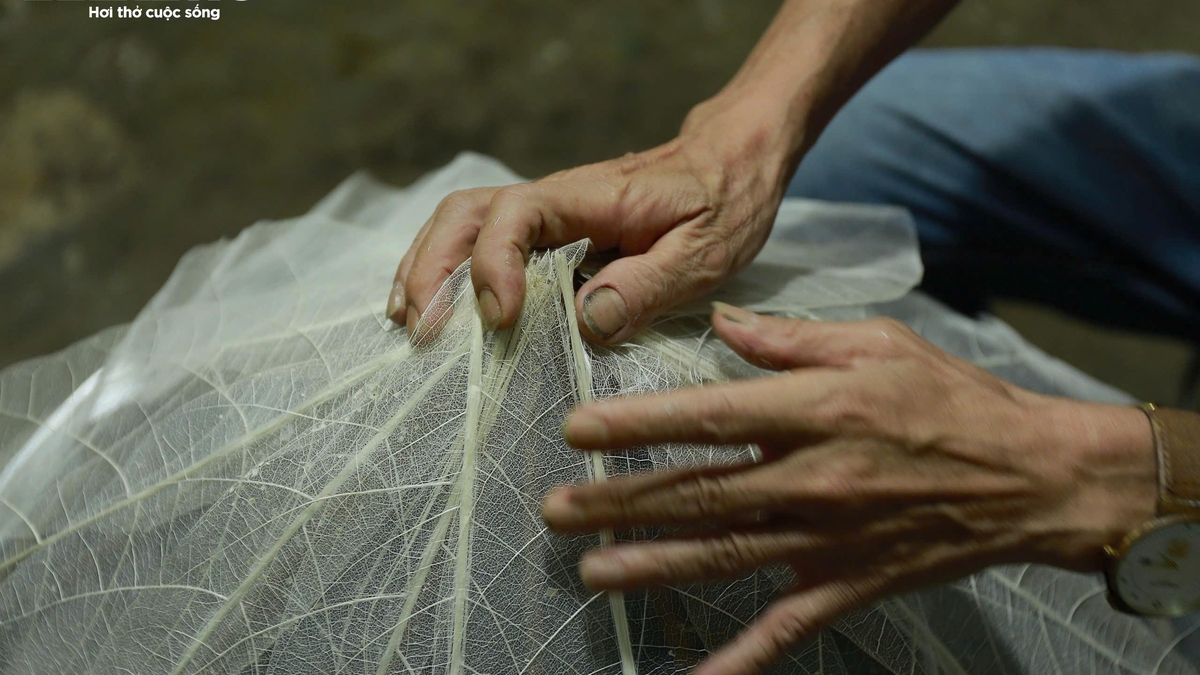
Lao Cai province effectively utilizes the forest ecosystem through forest environmental services, ecotourism, and the cultivation of medicinal plants under the forest canopy. Photo: Thanh Nga.
In addition, approximately 13,000 hectares of forest owned by organizations and over 800 hectares of forest owned by households have the potential for developing medicinal plants under the forest canopy once sustainable forest management plans are adjusted and approved in the near future. This is considered an important foundation for forming a multi-value forestry economy in Lao Cai.


Mr. Nguyen Viet Ha believes that, in the coming period, the growth of the forestry sector will no longer depend primarily on the volume of timber harvested, but will be determined by the ability to effectively exploit various other values within the same forest area.
Opportunities from the carbon credit market
One of the policies that has made a significant impact on the forestry sector in recent years is the payment for forest environmental services. This policy has helped quantify the intangible values of forests into concrete economic benefits, enabling people to directly benefit from forest management, protection, and development.
During the period 2021-2025, total revenue from forest environmental services in Lao Cai province reached over 1,438 billion VND. Of this, the total payment to forest owners reached nearly 1,257 billion VND. On average, revenue from forest environmental services reached 250-300 billion VND per year. This revenue not only contributes to increasing income and improving livelihoods for people in mountainous areas but also strengthens resources for forest management and protection at the local level.

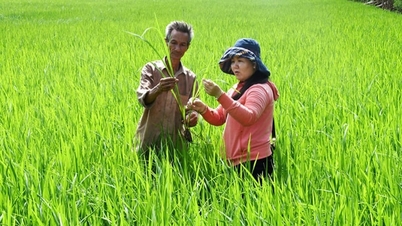
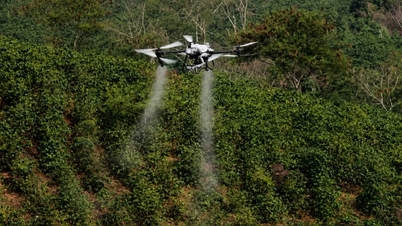
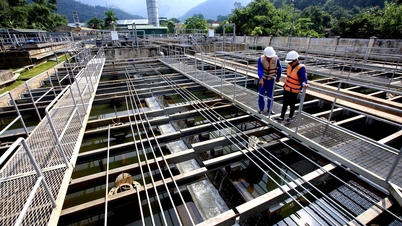
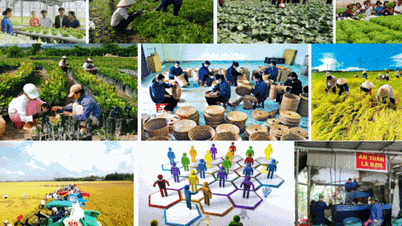
In many localities, forests have become a stable source of livelihood for the people. Photo: Thanh Nga.
In 2026 alone, the province plans to collect over 276 billion VND from forest environmental services, with more than 545,000 hectares of forest participating in providing these services. This continues to be identified as one of the important resources for achieving the local goal of sustainable forestry development.
In line with the global trend of reducing greenhouse gas emissions and developing a green economy, the carbon market is rapidly growing worldwide. This is seen as a great opportunity for the Vietnamese forestry sector in general and Lao Cai in particular.
According to Mr. Nguyen Viet Ha, Head of the Forest Protection Department of Lao Cai province, if properly managed and protected, forests not only produce oxygen, conserve soil and water, but also generate economic value from their ability to absorb and store carbon.
With its large forest area, high forest cover rate, and potential for developing large timber forests, organic cinnamon, medicinal plants under the forest canopy, and ecotourism, Lao Cai is considered to have many advantages to participate in the carbon credit market in the future.
The development of carbon credits not only contributes to increasing the value of forests but also opens up new sources of income for local communities, while creating more room for growth in the agricultural sector in the coming period.
To realize this goal, in the coming period, the Forest Protection Department will continue to advise on integrating the goals of developing multi-value forestry economics, forest environmental services, and carbon credits into the industry's development programs and projects; expanding the area of forests certified for sustainable forest management, organic certification, planting area codes, and product traceability.



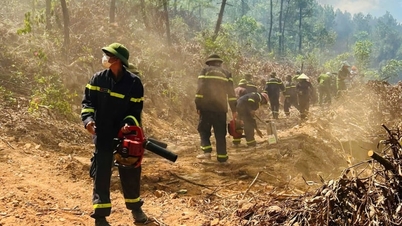
Well-managed and protected forests not only produce oxygen, conserve soil and water, but also generate economic value from their ability to absorb and store carbon. Photo: Thanh Nga.
At the same time, we need to strengthen the investigation and inventory of forest resources, build forestry databases and forest carbon databases, and enhance the application of science and technology in forest management, protection, and development.
In the context of green growth becoming an essential requirement, effectively exploiting the values of forests will not only contribute to protecting natural resources but also open up new development opportunities for the forestry economy, making forests a truly important resource contributing to the sustainable development of Lao Cai province.
Source: https://nongnghiepmoitruong.vn/danh-thuc-gia-tri-rung-d817641.html
![[Photo] Opening Ceremony of the 13th National Congress of the Ho Chi Minh Communist Youth Union](https://vphoto.vietnam.vn/thumb/1200x675/vietnam/resource/IMAGE/2026/06/24/1782286753905_ndo_br_1-8510-jpg.webp)
![[Photo] The 13th National Congress of the Youth Union conducts personnel work.](https://vphoto.vietnam.vn/thumb/1200x675/vietnam/resource/IMAGE/2026/06/24/1782299943080_ndo_br_1-6868-jpg.webp)
![[Photo] General Secretary and President To Lam attends the Central Public Security Party Committee Conference](https://vphoto.vietnam.vn/thumb/1200x675/vietnam/resource/IMAGE/2026/06/24/1782302063612_a1-bnd-9302-9166-jpg.webp)